Sale
Sold out

Untreated coated pill
Campanulaceae
Bellflower Rapido Blue F1
Campanula carpatica
Product code : NOR-GR03
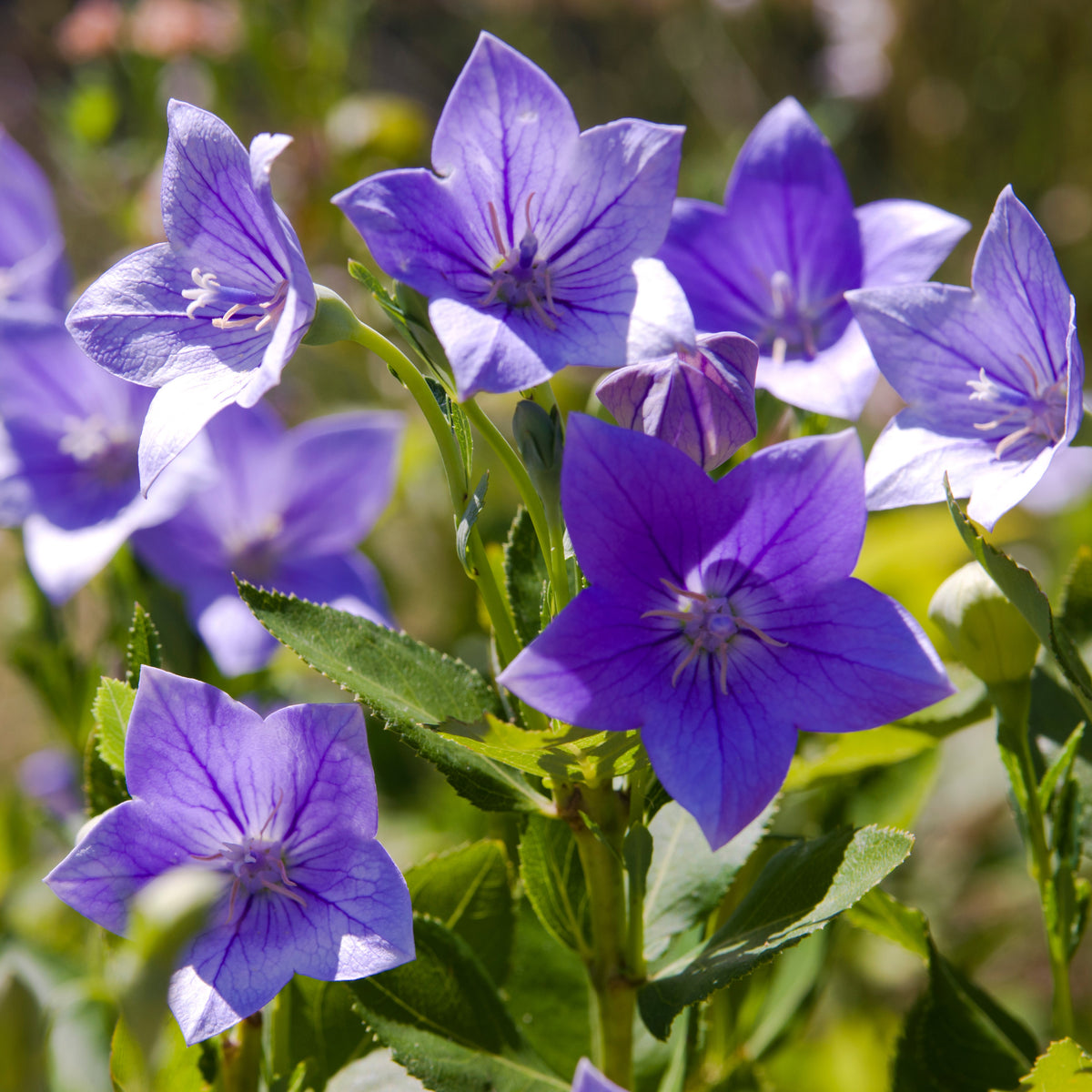
Campanula 'Rapido Blue F1' is an exceptional perennial hybrid variety, recognized for its large blue flowers that appear in the first year of cultivation. It is a superior replacement for the 'Clips Blue' variety due to its 3 to 4 week earlier flowering, better uniformity, and larger flowers. Ideal for enhancing flower beds, this campanula is very hardy and offers abundant flowering in early summer. This variety grows 13 to 18 cm (5.1 to 7.1 in) tall. The floral palette is distinguished by this color: blue. The packet contains 50 seeds to start your planting.
- Quantity
- 50 seeds
- Exposure
- Sun in partial shade
- Life cycle
- Hardy perennial
- Hardiness
- Zone 3
Discover the plant
Common nameBellflower
FamilyCampanulaceae
GenusBellflower
SpeciesCarpathian
CultivarRapido Blue
TypeUntreated coated pill
Botanical nameCampanula carpatica
Campanula 'Rapido Blue' F1 (Campanula carpatica). Campanula 'Rapido Blue F1' is an exceptional perennial hybrid variety, recognized for its large blue flowers that appear in the first year of cultivation. It successfully replaces the 'Clips Blue' variety due to its 3 to 4 weeks earlier flowering, better uniformity, and larger flowers. Ideal for enhancing flowerbeds, this campanula is highly resistant to harsh winters and offers abundant flowering in early summer. This variety reaches 13 to 18 cm (5.1 to 7.1 in). The floral palette is distinguished by this color: blue.
Germination generally takes 7 to 9 days in potting soil maintained at 18 to 22 °C (64.4 to 71.6 °F). The sowing schedule for this variety is as follows: indoors, 8 to 10 weeks before the last frost. Transplant young flowers when their true leaves have developed and their roots hold the soil ball. Handle seedlings gently and avoid compressing the stem. Under lighting, gradually space the containers so that the foliage does not overlap. Acclimatization then prepares the plants for sun, wind, and temperature variations.
Place the campanula in full sun or partial shade for optimal flowering. With its vibrant blooms and robustness, 'Rapido Blue F1' campanula is perfect for adding a touch of freshness and color to your outdoor spaces. Its ease of cultivation makes it an ideal choice for both novice and experienced gardeners. The nuances of this variety lend themselves to a composition with white flowers and green foliage; repeat the color at several points in the bed so that the eye circulates without multiplying species.

Sowing guide
It all startswith a seed.
Germination temperature
18 to 22 °C (64.4 to 71.6 °F)
Germination time
7 to 9 days
Sowing period
Indoors, 8 to 10 weeks before last frost
Propagation
Sowing
Growing method
Use well-drained potting soil and maintain a temperature of 18 to 22 °C to encourage rapid germination in 7 to 9 days. Transplant young plants into rich, well-drained soil outdoors once all risk of frost has passed. Emergence generally takes 7 to 9 days in potting soil kept at 18 to 22 °C (64.4 to 71.6 °F). The sowing schedule for this variety is as follows: indoors, 8 to 10 weeks before the last frost. To plant this variety, first choose a location that matches its exposure: sun to partial shade. Indoors: A well-drained and porous seed starting mix is ideal to prevent overwatering. Plan the placement of this variety in the flowerbed, considering its height of 13 to 18 cm (5.1 to 7.1 in). When designing the planting, allow 13 to 20 cm (5.1 to 7.9 in) of spread for each plant of this variety. During its June and July blooming period, keep this variety accessible to remove damaged parts without crushing still fresh flowers. Campanula carpatic flowers best in sunny exposure, but tolerates partial shade or even light shade.
Soil and care
The right care,at the right time.
Watering
Use well-draining potting soil and maintain a temperature of 18 to 22 °C to promote rapid germination in 7 to 9 days. Water moderately, avoiding overwatering, and add a thin layer of mulch to retain soil moisture. To plant this variety, first choose a location that suits its exposure: sun to partial shade. Indoors: A well-draining and porous seed-starting mix is ideal to prevent overwatering.
Soil type
Use well-draining potting soil and maintain a temperature of 18 to 22 °C to promote rapid germination in 7 to 9 days. Transplant seedlings outdoors into rich, well-draining soil once all risk of frost has passed. Water moderately, avoiding overwatering, and add a thin layer of mulch to retain soil moisture.
Fertilization
To plant this variety, first choose a location that matches its exposure: sun to partial shade. Indoors: A well-drained and porous seed starting mix is ideal to prevent overwatering. During its June and July blooming period, keep this variety accessible to remove damaged parts without crushing still-fresh flowers. Campanula carpatic flowers best in sunny conditions but tolerates partial shade or even light shade.
Seasonal care
Ideal for enhancing flowerbeds, this campanula tolerates harsh winters well and offers abundant blooms in early summer. Water moderately, avoiding excess water, and add a thin layer of mulch to retain soil moisture. During its June and July blooming period, keep this variety accessible to remove damaged parts without disturbing the fresh flowers. *Campanula carpatica* flowers best in a sunny exposure but tolerates partial shade or even light shade. It thrives in any soil that is not too heavy and does not dry out in summer, but in a location where its roots can penetrate deeply: sandy soil, even poor, calcareous or loamy soil (basic or acidic), gravelly, but also in ordinary, rich soil where it becomes exuberant, to our great delight. It is hardy down to -35 °C and therefore does not fear cold; however, it can fear heat: it does not like temperatures that remain above 30 °C for long periods. Its cultivation is truly suited to temperate climates. Germination generally takes 7 to 9 days in potting soil maintained at 18 to 22 °C (64.4 to 71.6 °F). The sowing schedule for this variety is as follows: indoors, 8 to 10 weeks before the last frost. The flowering of this variety covers the following period: June and July.
Container growing
A garden,within reach.
Recommended pot size
Drained container allowing the plant to spread 13 to 20 cm (5.1 to 7.9 in).
The foliage of this variety covers about 13 to 20 cm (5.1 to 7.9 in); leave this width available around the container instead of crowding several plants against its edge. Place the container of this variety in the following exposure: sun to partial shade, checking the light received throughout the day. Germination usually takes 7 to 9 days in soil maintained at 18 to 22 °C (64.4 to 71.6 °F). The sowing schedule for this variety is as follows: indoors, 8 to 10 weeks before the last frost. To plant this variety, first choose a location corresponding to its exposure: sun to partial shade. Indoors: Well-drained and porous seed starting mix is ideal to prevent overwatering. During its flowering from June to July, keep this variety accessible to remove damaged parts without crushing still fresh flowers. Campanula carpatic flowers best in sunny exposure, but accepts partial shade or even light shade. It grows in any soil that is not too heavy and does not dry out in summer, but in a place where its roots can go deep: sandy soil, even poor, calcareous or loamy soil (basic or acidic), gravelly, but also in ordinary and rich soil where it becomes exuberant, to our delight. It is hardy down to -35 °C and therefore does not fear the cold, however, it may fear the heat: does not like temperatures that remain long above 30 °C.

Bloom and dimensions
Its place,in your garden.
Mature height
13 to 18 cm (5.1 to 7.1 in)
Width / spread
13 to 20 cm (5.1 to 7.9 in)
Flower color
Blue
Bloom period
Bellflower 'Rapido Blue F1' (Campanula carpatica) – Offered by WH Perron Seeds The 'Rapido Blue F1' bellflower is an exceptional perennial hybrid variety, known for its large blue flowers that appear from the first year of cultivation. It advantageously replaces the 'Clips Blue' variety due to its earlier flowering by 3 to 4 weeks, better uniformity, and larger flowers.
Garden associations
In goodcompany.
Companion plants
Plan the placement of this variety in the flowerbed taking into account its height of 13 to 18 cm (5.1 to 7.1 in.). When designing the planting, allow 13 to 20 cm (5.1 to 7.9 in.) of spread for each plant of this variety. The shades of this variety lend themselves to a composition with white flowers and green foliage; repeat the color in several places in the bed to allow the eye to wander without multiplying species.
Frequently asked questions
Your questions,answered.
When to start sowing 'Rapido Blue' F1 Bellflower?
Germination typically takes 7 to 9 days in soil maintained at 18 to 22 °C (64.4 to 71.6 °F). The sowing schedule for this variety is as follows: indoors, 8 to 10 weeks before the last frost. Transplant young flowers once their true leaves have developed and their roots hold the soil ball together. Handle seedlings gently and avoid compressing the stem. Under lighting, gradually space out the containers so that the foliage does not overlap. Acclimatization then prepares the plants for sun, wind, and temperature variations. Planting out occurs when conditions match their hardiness.
How to combine Campanula 'Rapido Blue' F1 colors?
The nuances of this variety lend themselves to a composition with white flowers and green foliage; repeat the color at several points in the bed so that the eye flows without multiplying the species. This variety blooms during the following period: June and July. Plan the position of this variety in the bed taking into account its height of 13 to 18 cm (5.1 to 7.1 in). When designing the planting, allow 13 to 20 cm (5.1 to 7.9 in) of spread for each plant of this variety. Design the composition taking into account the adult habit and the distance from which the flowers will be observed.
What location is suitable for Campanula 'Rapido Blue' F1?
To plant this variety, first choose a location that matches its sun exposure: full sun to partial shade. Indoors: A well-drained and porous seed starting mix is ideal to prevent overwatering. When planning your garden bed, allow for this variety's height of 13 to 18 cm (5.1 to 7.1 in). When designing the planting, allow 13 to 20 cm (5.1 to 7.9 in) of spread for each plant of this variety. The foliage of this variety takes up approximately 13 to 20 cm (5.1 to 7.9 in); leave this much space around the container instead of crowding multiple plants against its edge.
How to water Campanula 'Rapido Blue' F1 during growth?
During its flowering season in June and July, keep this variety accessible to remove damaged parts without crushing the still-fresh flowers. *Campanula carpatic* flowers best in a sunny exposure but tolerates partial shade or even light shade. It grows in any soil that is not too heavy and does not dry out in summer, but in a place where its roots can go deep: sandy soil, even poor, calcareous or loamy soil (basic or acidic), gravelly, but also in ordinary and rich soil where it becomes exuberant, to our great delight. It is hardy down to -35 °C and therefore does not fear the cold, however, it may fear the heat: it does not like temperatures that remain above 30 °C for a long time.
What care should I give to Campanula 'Rapido Blue' F1 throughout the season?
During its flowering period in June and July, keep this variety accessible to remove damaged parts without crushing the still-fresh flowers. *Campanula carpatica* flowers best in a sunny exposure, but tolerates partial shade or even light shade. It grows in any soil that is not too heavy and does not dry out in summer, but in a place where its roots can penetrate deeply: sandy soil, even poor, calcareous or silty soil (basic or acidic), gravelly, but also in ordinary and rich soil where it becomes exuberant, to our greatest delight. It is hardy down to -35 °C and therefore does not fear cold; however, it can fear heat: it does not like temperatures that remain above 30 °C for extended periods.
For a great start to your seeds
The right extras.Right here.
Seed Starting Soil
Shop the collectionSeed starting supplies
Shop the collection