Sale
Sold out

Processed
Cucurbitaceae
Cantaloupe Magnifisweet F1
Cucumis melo
Product code : NOR-GR04
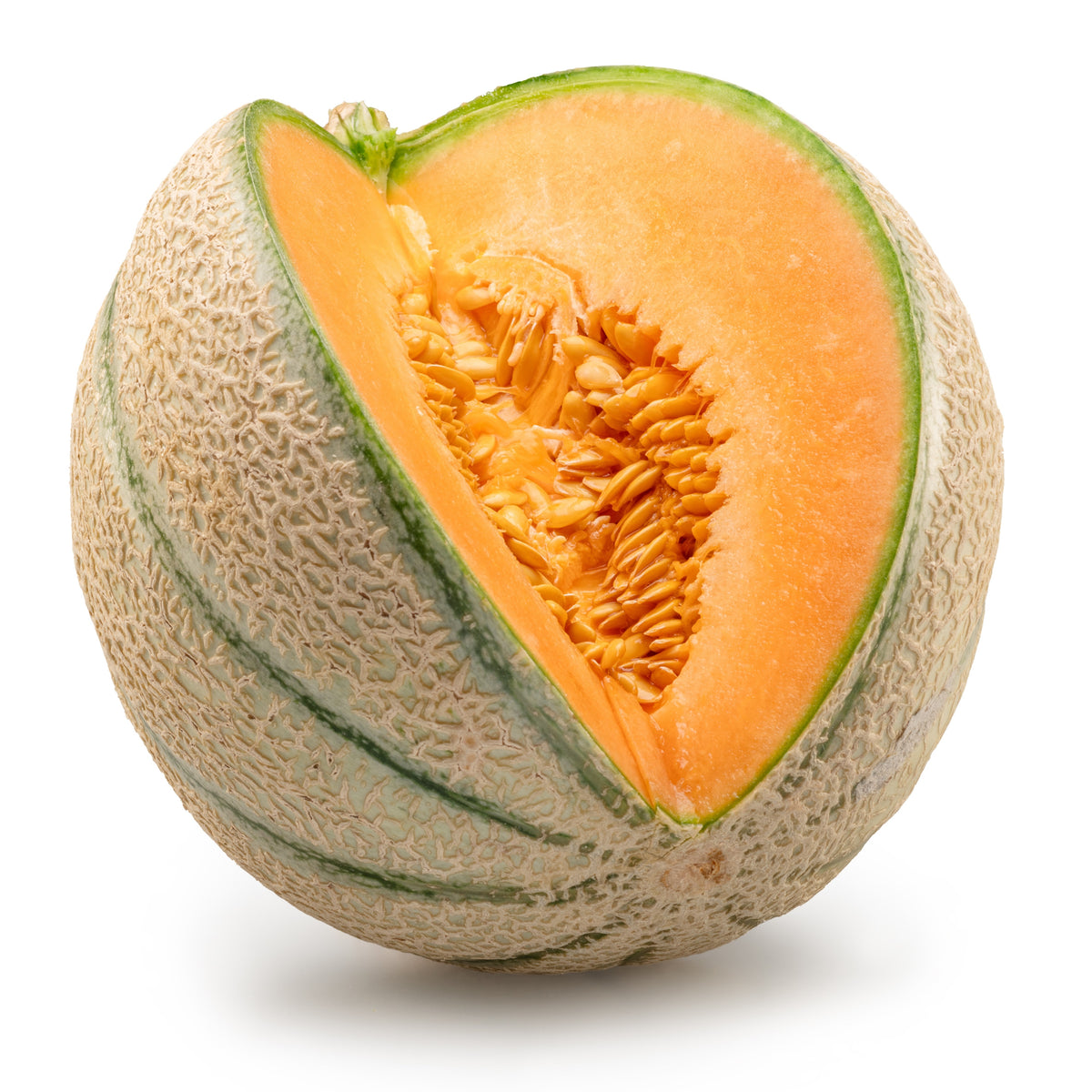
The 'Magnifisweet F1' cantaloupe is a remarkable variety, known for its exceptional productivity and irresistible sweet taste. This oval fruit stands out with its dark salmon-orange, smooth, and juicy flesh, encased in a lightly netted rind with discreet yet elegant sutures. Perfect for high-yielding melon enthusiasts, 'Magnifisweet F1' is an ideal choice for home gardens. With fruits weighing between 1.8 and 2.2 kg, it promises generous and flavorful harvests. This variety matures 74 days after transplanting. The packet contains 20 seeds to start your planting. Reserve a sunny spot in the garden for the melons where the vines can spread without crowding neighboring rows.
- Quantity
- 20 seeds
- Exposure
- Sun
- Life cycle
- Annual in cultivation in Quebec
Discover the plant
Common nameCantaloupe
FamilyCucurbitaceae
GenusCucumis
Speciesmelo
CultivarMagnificious
TypeProcessed
Botanical nameCucumis melo
'Magnifisweet' F1 Cantaloupe (Cucumis melo). The 'Magnifisweet F1' cantaloupe is a remarkable variety, renowned for its exceptional productivity and irresistible sweet taste. This oval-shaped fruit is distinguished by its dark salmon-orange, sweet, and juicy flesh, wrapped in a slightly netted rind with subtle yet elegant sutures. Perfect for melon lovers seeking high yields, 'Magnifisweet F1' is an ideal choice for home gardens. With fruits weighing between 1.8 and 2.2 kg, it promises generous and flavorful harvests. This variety reaches maturity 74 days after transplanting.
For 'Magnifisweet' F1 Cantaloupe, the sowing schedule for this variety is as follows: indoors, 3 to 4 weeks before the last frost. For 'Magnifisweet' F1 Cantaloupe, the melon requires a warm season and a recovery period without root stress. For 'Magnifisweet' F1 Cantaloupe, if starting plants indoors, use individual containers and transplant before the roots become crowded. For 'Magnifisweet' F1 Cantaloupe, keep the root ball intact and acclimate the foliage to the sun. Planting should be done in warmed soil. For 'Magnifisweet' F1 Cantaloupe, a young plant exposed to cold too early loses growth time that subsequent heat does not always make up for.
With its exquisite taste and generous fruits, it is sure to delight your harvests and your taste buds! Begin observing this variety for harvest as it approaches 74 days after transplanting; check for the desired color, firmness, and size for picking. For 'Magnifisweet' F1 Cantaloupe, this variety exhibits this characteristic at harvest: fruit shape — oval. This variety exhibits this characteristic at harvest: flesh color — orange. This variety exhibits this characteristic at harvest: fruit weight — 1.8-2.2 kg. When cantaloupes have a sweet scent and their stems break easily, they are ready to be harvested.

Sowing guide
It all startswith a seed.
Spacing / density
Place the seedlings in small mounds 1 m apart, in rows spaced 1 m to 1.5 m apart.
Sowing period
Indoors, 3 to 4 weeks before the last frost
Propagation
Sowing
Growing method
This variety should be sown as follows: indoors, 3 to 4 weeks before the last frost. To plant this variety, first choose a location that matches its exposure: full sun. Cantaloupes like well-drained, fertile soil with a pH between 6.5 and 7, rich in organic matter, with high levels of humus and nitrogen. When planting this variety, the spacing to remember is to place the seedlings in small mounds 1 m apart, in rows spaced 1 m to 1.5 m apart. Place the seedlings in small mounds 1 m apart, in rows spaced 1 m to 1.5 m apart. Protect them well from wind and cold in cloches or plastic tunnels until they are well established. Choose a warm site, in full sun. Pinch the ends of the stems for faster ripening. Plant young plants in rich, well-drained soil, in full sun. Ensure regular watering without wetting the foliage to prevent diseases. Apply mulch to retain moisture and reduce weed growth. Melons require a warm season and stress-free root recovery.
Soil and care
The right care,at the right time.
Soil pH
6.5
Watering
Ensure regular watering without wetting the foliage to prevent diseases. Apply mulch to retain moisture and reduce weed growth. To plant this variety, first choose a location corresponding to its sun exposure: full sun. Cantaloupes prefer well-drained, fertile soil with a pH between 6.5 and 7, rich in organic matter, with high levels of humus and nitrogen.
Soil type
Plant the young plants in rich, well-drained soil in full sun. To establish this variety, first choose a location that matches its sun exposure: full sun. Cantaloupes like well-drained, fertile soil with a pH between 6.5 and 7, rich in organic matter, with high levels of humus and nitrogen. For this variety, prepare fertile soil before planting, then adjust the nutrient input during flowering and fruit development; a very leafy plant does not automatically warrant more fertilizer.
Fertilization
For this variety, prepare fertile soil before planting, then adjust the nutrient supply during flowering and fruit development; a very leafy plant does not automatically warrant more fertilizer. To plant this variety, first choose a location that matches its sun exposure: full sun. Cantaloupes prefer well-drained, fertile soil with a pH between 6.5 and 7, rich in organic matter, with high levels of humus and nitrogen.
Seasonal care
Water regularly without wetting the foliage to avoid disease. Apply mulch to retain moisture and reduce weed growth. Protect them well from wind and cold in cloches or plastic tunnels until they are well established. Choose a warm site in full sun. Pinch the end of the stems for faster ripening. The sowing schedule for this variety is as follows: indoors, 3 to 4 weeks before the last frost. For this variety, prepare fertile soil before planting, then adjust fertilization during flowering and fruit enlargement; a very leafy plant does not automatically justify more fertilizer. Begin observing the harvest of this variety around 74 days after transplanting; check for the desired color, firmness, and size for picking. This variety has the following harvest characteristics: fruit shape - oval. This variety has the following harvest characteristics: flesh color - orange. This variety has the following harvest characteristics: fruit weight - 1.8-2.2 kg. When cantaloupes have a sweet scent and their stems break easily, they are ready for harvest. When planting this variety, the spacing to observe is to place seedlings in small mounds spaced 1 m apart, in rows spaced 1 m to 1.5 m apart.
Container growing
A garden,within reach.
Place the container of this variety in this exposure: full sun, checking the light received throughout the day. The sowing calendar for this variety is prepared as follows: indoors, 3 to 4 weeks before the last frost. To install this variety, first choose a location corresponding to its exposure: full sun. Cantaloupes like well-drained, fertile soil, with a pH between 6.5 and 7, rich in organic matter, with a high level of humus and nitrogen. Protect them well from wind and cold in cloches or plastic tunnels until they are well established. Choose a warm, sunny site. Pinch the tips of the stems for faster ripening. The packet contains 20 seeds to start your planting. Plant young plants in rich, well-drained soil, in full sun. Ensure regular watering without wetting the foliage to avoid diseases. Apply mulch to retain moisture and reduce weed growth. Growing a melon in a container requires a reserve of potting soil and real space for the foliage. Choose a warm, sheltered location before planting.

Bloom and dimensions
Its place,in your garden.
Fruiting
This oval fruit stands out with its dark salmon-orange flesh, which is sweet and juicy, encased in a slightly embroidered rind with discreet yet elegant sutures. With fruits weighing between 1.8 and 2.2 kg, it promises generous and flavorful harvests. Its exquisite taste and abundant fruits will delight your harvests and your taste buds! Begin observing this variety for harvest around 74 days after transplanting; at that point, check for the desired color, firmness, and size for picking.
Days to maturity
74 days post-transplant
Harvest
Harvest the fruits when they are ready, according to the variety, by cutting their stem with a clean tool. For zucchini and cucumbers, frequent picking allows for tender fruits.
Garden associations
In goodcompany.
Companion plants
When planting this variety, the recommended spacing is to place seedlings in small mounds 1 m apart, in rows spaced 1 m to 1.5 m apart. To establish this variety, first choose a location with suitable sun exposure. Cantaloupes prefer well-drained, fertile soil with a pH between 6.5 and 7, rich in organic matter, with a high level of humus and nitrogen.
Recipe idea
From the gardento your plate.
Edible parts
Fruits
Recipe idea using your 'Magnifisweet' F1 cantaloupe harvest. Prepare a mint melon salad. Wash the rind before opening the ripe fruit, then remove inedible parts and seeds if any. Cut the flesh into uniform bite-sized pieces and place them in a clean bowl. Add a few chopped mint leaves and a squeeze of lime juice. Mix gently to preserve the pieces. Serve chilled, in small cups, as a side dish for a summer meal or as a fruity dessert. Taste before adjusting seasoning and adapt quantities to the number of people at the table. Serve the preparation with bread, rice, or another simple accompaniment that allows the harvested vegetable to shine. Prepare small portions to enjoy the freshness of the harvest. Use a clean cutting board, remove damaged parts, and rinse your produce before starting.
Frequently asked questions
Your questions,answered.
When to start Cantaloupe 'Magnifisweet' F1 seeds?
The planting schedule for this variety is as follows: indoors, 3 to 4 weeks before the last frost. Melons require a warm season and a stress-free root recovery. If starting plants indoors, use individual containers and transplant before roots become crowded. Keep the root ball intact and acclimate the foliage to the sun. Transplant into warmed soil. A young plant exposed too early to cold loses growth time that subsequent warmth does not always catch up on. While melons are growing, maintain consistent moisture at the base and allow the leaves to capture sunlight.
When to harvest Cantaloupe 'Magnifisweet' F1?
Begin to observe this variety for harvest around 74 days after transplanting; at that time, check for the desired color, firmness, and size for picking. This variety has the following harvest characteristics: fruit shape – oval. This variety has the following harvest characteristics: flesh color – orange. This variety has the following harvest characteristics: fruit weight – 1.8-2.2 kg. When cantaloupes have a sweet aroma and their stems break easily, they are ready for harvest. The maturity for this variety is 74 days after transplanting.
What location is suitable for 'Magnifisweet' F1 Cantaloupe?
To plant this variety, first choose a location that matches its sun exposure: full sun. Cantaloupes like well-drained, fertile soil, with a pH between 6.5 and 7, rich in organic matter, with high levels of humus and nitrogen. When planting this variety, the spacing to remember is to place the seedlings in small mounds 1 m apart, in rows spaced 1 m to 1.5 m apart. Place the container of this variety in full sun, checking the light received throughout the day.
How to water Cantaloupe 'Magnifisweet' F1 during growth?
Protect them well from wind and cold in cloches or plastic tunnels until they are well established. Choose a warm site, in full sun. Pinch the end of the stems for faster ripening. To install this variety, first choose a location corresponding to its exposure: sun. Cantaloupes like well-drained, fertile soil, with a pH between 6.5 and 7, rich in organic matter, with a high level of humus and nitrogen. While the melons are growing, maintain regular moisture at the base and allow the leaves to capture light. Avoid frequently moving the vines or twisting the peduncles.
What care does Cantaloupe 'Magnifisweet' F1 need throughout the season?
Protect them well from wind and cold in cloches or plastic tunnels until they are well established. Choose a warm site, in full sun. Pinch off the tips of the stems for faster ripening. The sowing schedule for this variety is as follows: indoors, 3 to 4 weeks before the last frost. Begin observing the harvest of this variety around 74 days after transplanting; check for the desired color, firmness, and size for picking. This variety has the following characteristic at harvest: fruit shape — oval.
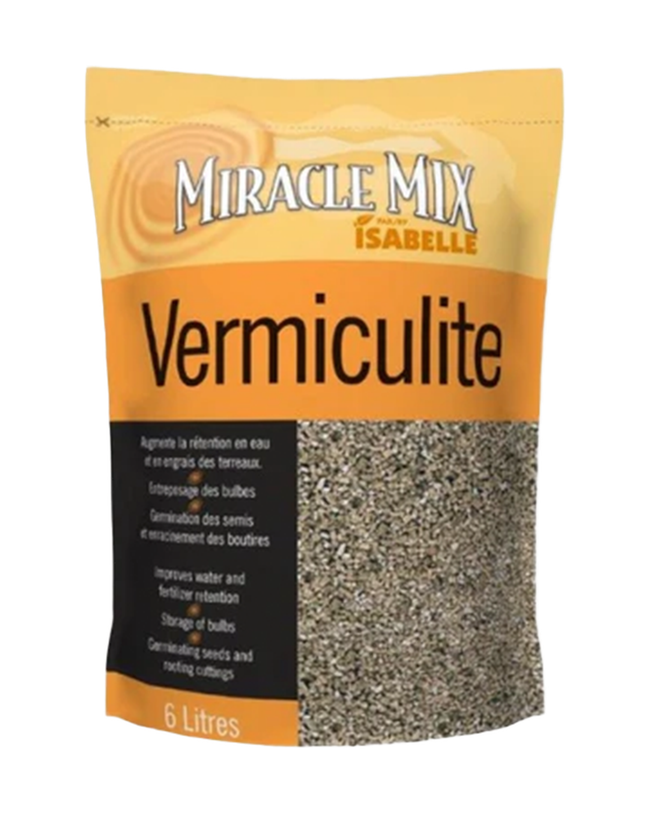
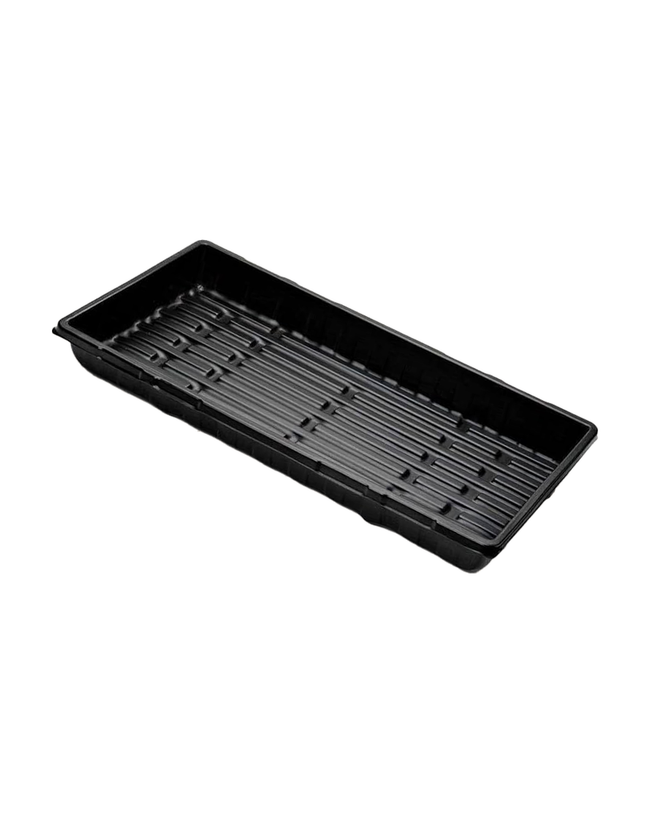
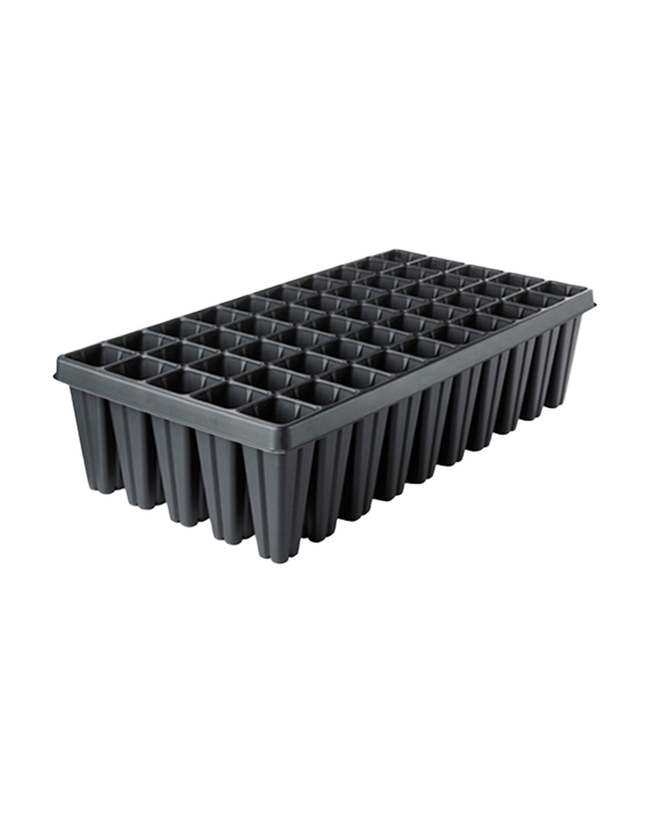
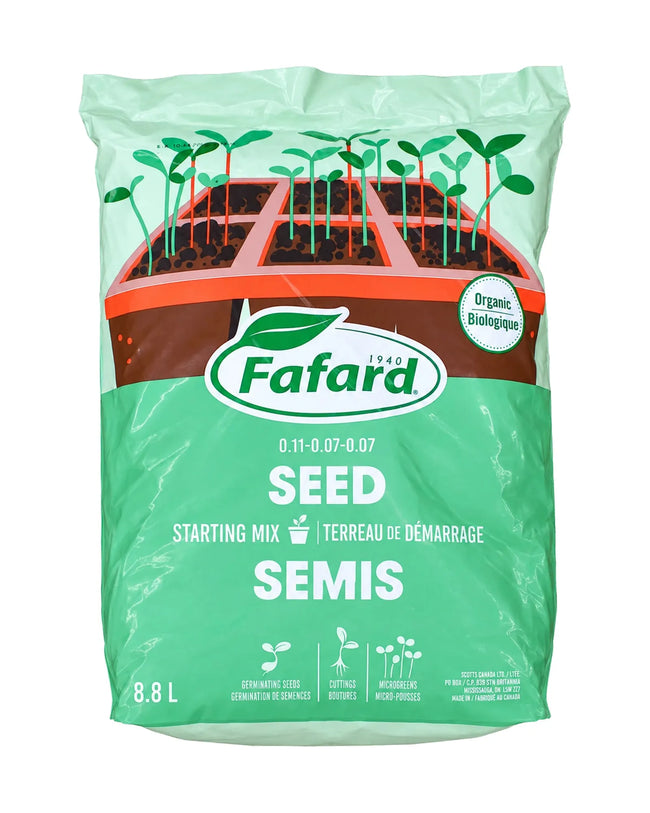
For a great start to your seeds
The right extras.Right here.
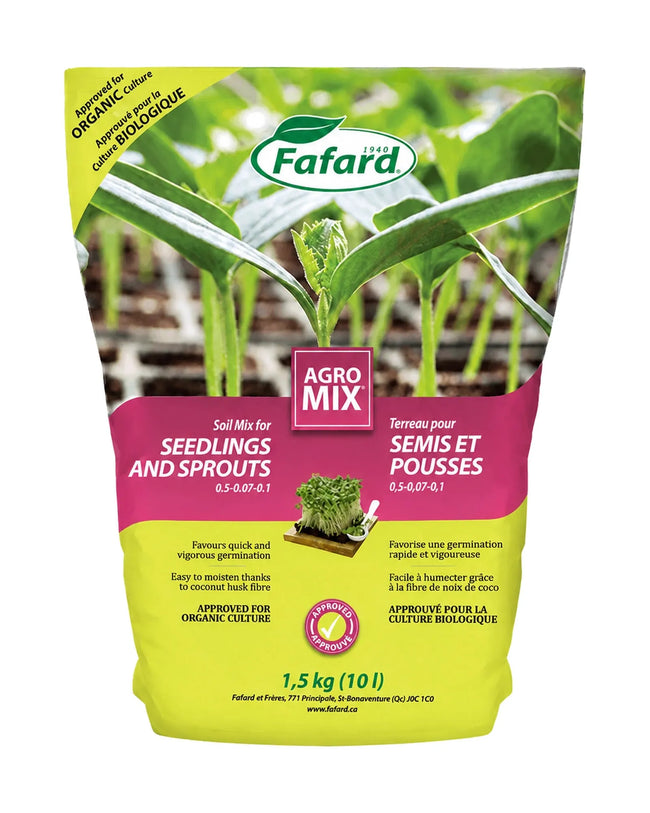
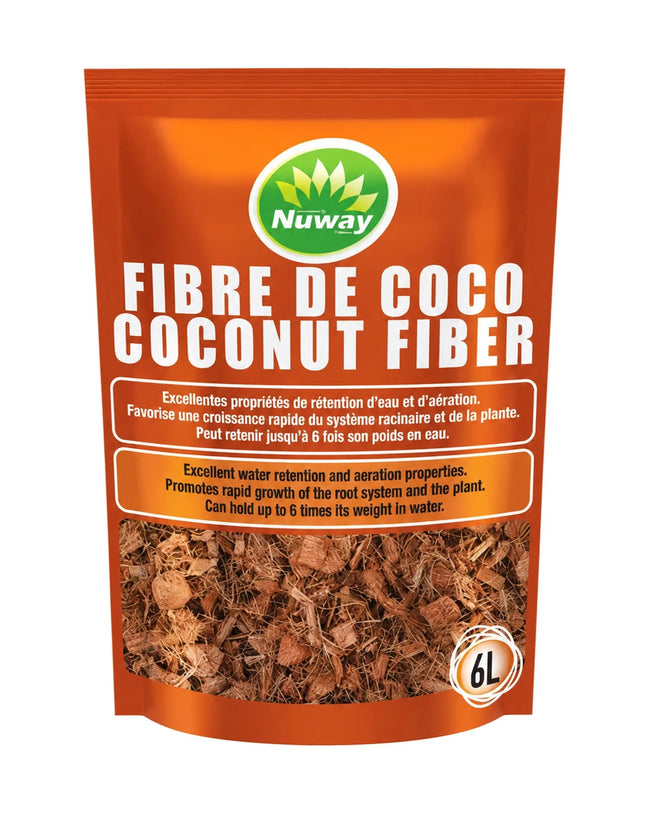
Seed Starting Soil
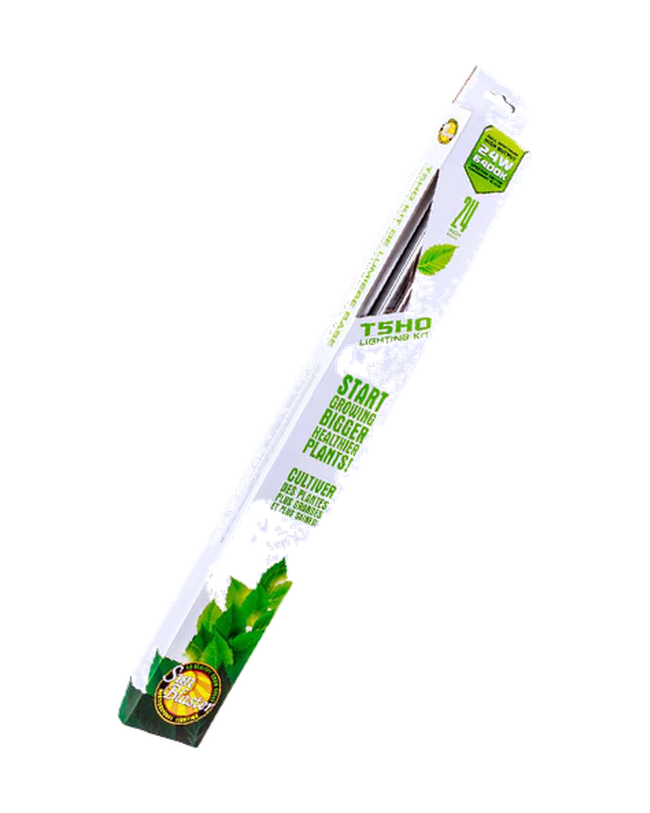
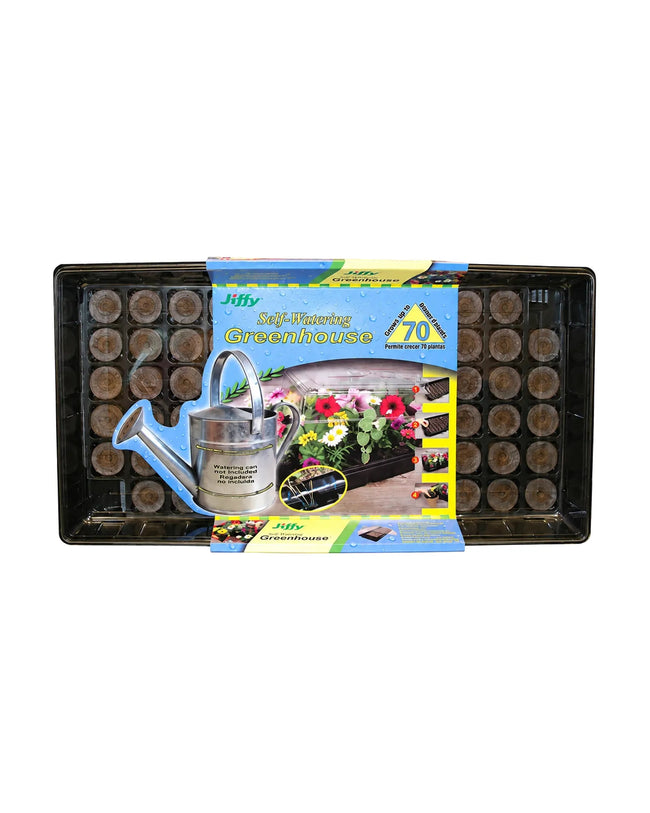
Shop the collectionSeed starting supplies
Shop the collection