Carrot Berlin F1

Norseco

Wild carrot

Available

Pay in 4 interest-free payments withSezzle

Delivery and pickup: view conditions

Product information
Advice adapted to Canada
Secure payment
Share

From seed to harvest

Common nameCarrot
FamilyApiaceae
GenusCarrot
Speciescarrot
CultivarBerlin
TypeUntreated
Botanical nameWild carrot
Quantity per packet1,000 seeds

'Berlin' F1 Carrot (Daucus carota). The 'Berlin F1' carrot is a Berlicum-type variety, renowned for its large size and cylindrical root with a pointed tip. With its deep orange flesh and large core, it stands out for its exceptional quality and its ability to be stored for a long time. Its robust foliage is disease-resistant, making it a reliable and productive option for both amateur and professional gardeners. For 'Berlin' F1 Carrot, the maturity of this variety is 80 days after sowing. For 'Berlin' F1 Carrot, the packet contains 1000 seeds to start your planting.

For 'Berlin' F1 Carrot, the sowing calendar for this variety is prepared as follows: in the spring, as soon as the soil can be worked. For 'Berlin' F1 Carrot, for this variety, observe this sowing depth: 6 mm (0.2 in). For 'Berlin' F1 Carrot, direct sowing allows root vegetables to develop without deformation caused by transplanting. For 'Berlin' F1 Carrot, prepare a fine, even bed, then water gently to maintain the position of the seeds. For 'Berlin' F1 Carrot, a dry soil crust can hinder germination: keep the surface moist without packing it down.

Choose the 'Berlin F1' carrot for abundant harvests and perfect roots for storage. A robust and flavorful variety, ideal for all uses, from cooking to preservation! For 'Berlin' F1 Carrot, start observing the harvest of this variety as 80 days after sowing approach; then check for the desired color, firmness, and size for picking. For 'Berlin' F1 Carrot, harvest the carrots once the size of the variety has been reached. For 'Berlin' F1 Carrot, harvest the carrots while they are young, otherwise they will continue to grow.

Light and life cycle

In the garden

Exposure
Sun
Life cycle
Annual vegetable crop
Sowing and germination

Sowing guide

Sowing & germination

Sowing depth

6 mm (0.2 in)

Spacing / density

5 cm between plants

Sowing period

In the spring, as soon as the ground can be worked

Propagation

Sowing

Growing method

The planting schedule for this variety is as follows: in spring, as soon as the soil can be worked. For this variety, plant to a depth of: 6 mm (0.2 in). To plant this variety, first choose a location that matches its exposure: full sun. To obtain a well-formed root for this variety, loosen the cultivated layer and remove stones from the row; a compact crust on the surface hinders emergence and makes thinning more difficult. It prefers fairly rich soil without rocks and deeply worked. Maintained moisture will promote the formation of beautiful roots. When planting this variety, the spacing to remember is 5 cm between plants. Sow at a depth of 6 mm, in rows spaced 40 cm apart, and thin to 5 cm apart. Mound soil well around the plants to prevent sunscald and green discoloration at the crown. It likes full sun or light shade. Avoid fresh manure and green manures, which will promote leaf development at the expense of roots. Root length can vary significantly under different environments and growing conditions.
Soil and care

Soil and care

Soil & care

Watering

Maintain constant moisture during growth. To plant this variety, first choose a location that matches its sun exposure: full sun. To obtain a well-formed root for this variety, loosen the cultivated layer and remove stones from the row; a compact crust on the surface hinders emergence and makes thinning more difficult. It prefers rich, rock-free, deeply worked soil.

Soil type

Prepare a deep, loose, and well-drained soil, enriched with organic matter for optimal quality roots. To plant this variety, first choose a location corresponding to its exposure: full sun. To obtain a well-formed root of this variety, loosen the cultivated layer and remove stones from the row; a compact crust on the surface hinders emergence and makes thinning more difficult.

Fertilization

To plant this variety, first choose a location with the appropriate exposure: full sun. To obtain a well-formed root for this variety, loosen the cultivated layer and remove stones from the row; a compact crust on the surface hinders emergence and makes thinning more difficult. It prefers fairly rich, stone-free soil that has been deeply worked. Maintaining moisture will promote the formation of beautiful roots.

Seasonal care

: it likes full sun or light shade. Avoid fresh manure and green manures, which will encourage leaf development at the expense of roots. Root length can vary significantly under different environments and growing conditions. The sowing calendar for this variety is as follows: in spring, as soon as the soil can be worked. For this variety, respect this sowing depth: 6 mm (0.2 in.). Begin observing the harvest of this variety around 80 days after sowing; then check for the desired color, firmness, and size for picking. Harvest carrots once the variety's mature size is reached. Harvest carrots when they are young, otherwise they will continue to grow. When planting this variety, the spacing to maintain is 5 cm (2 in.) between plants. Sow at a depth of 6 mm (0.2 in.), in rows spaced 40 cm (16 in.) apart, and thin to 5 cm (2 in.) apart. Hill the soil around the plants to prevent sunburn and greening of the crown. Maintain constant moisture during growth. 'Berlin F1' Carrot (Daucus carota) – offered by seed producer WH Perron The 'Berlin F1' carrot is a Berlicum-type variety, renowned for its large size and cylindrical, pointed root.
Growing in containers

Container growing

Container growing

Recommended pot size

Minimum 7.6 L (2 US gal), with a depth suited to the root
Place the container for this variety in the following exposure: full sun, checking the light received throughout the day. The sowing calendar for this variety is as follows: in spring, as soon as the soil can be worked. For this variety, observe the following sowing depth: 6 mm (0.2 in). To plant this variety, first choose a location corresponding to its exposure: full sun. To obtain a well-formed root for this variety, loosen the cultivated layer and remove stones from the row; a compact crust on the surface hinders emergence and makes thinning more difficult. It prefers fairly rich, stone-free, deeply worked soil. Consistent moisture will promote the formation of beautiful roots: it likes full sun or light shade. Avoid fresh manure and green manures, which will promote leaf development at the expense of roots. Root length can vary significantly under different environments and growing conditions. The packet contains 1000 seeds to start your planting. Prepare deep, loose, well-drained soil, enriched with organic matter for optimal quality roots.
Growth and harvest

Size, flowering & harvest

Edible parts

Roots

Fruiting

Carrot 'Berlin F1' (Daucus carota) – offered by seed producer WH Perron The 'Berlin F1' carrot is a Berlicum type variety, renowned for its large size and cylindrical, pointed-tip root. With its dark orange flesh and large core, it stands out for its exceptional quality and long storage capability. Prepare a deep, loose, well-drained soil, enriched with organic matter for optimal quality roots.

Days to maturity

80 days after sowing

Harvest

Remove a few roots to check their size before harvesting the entire row. Lift them gently when the soil is loose enough. Remove the soil without damaging them and separate any damaged roots from those you wish to keep.
Garden companions

Garden associations

Companion plants & uses

Companion plants

When planting this variety, spacing should be 5 cm between plants. Sow to a depth of 6 mm, in rows 40 cm apart, and thin to 5 cm apart. Mound the soil well around the plants to prevent sunscald and greening of the crown. To establish this variety, first choose a location that matches its sun exposure: full sun. To obtain a well-formed root for this variety, loosen the topsoil and remove stones from the row; a compact crust on the surface hinders emergence and makes thinning more difficult.

Garden use

When planting this variety, spacing should be 5 cm between plants. Sow at a depth of 6 mm, in rows spaced 40 cm apart, and thin to 5 cm apart. Mound soil well around the plants to prevent sunscald and greening at the collar. It thrives in full sun or light shade. Avoid fresh manure and green manures, as these will promote leaf development at the expense of root growth. Root length can vary significantly under different environments and growing conditions. Place this variety's container in this exposure: sun, checking the light received throughout the day. A row of root vegetables should remain easy to thin, weed, and water uniformly. Avoid stony or compacted areas, which limit root development. In a raised bed, keep tall crops at a distance so as not to shade young seedlings. Spreading sowings over several small areas allows for different harvest stages without having to pull all plants at once. Cultivate superficially between rows to remove young weeds without damaging the cultivated roots.
Recipe and storage

Recipe idea

From garden to table

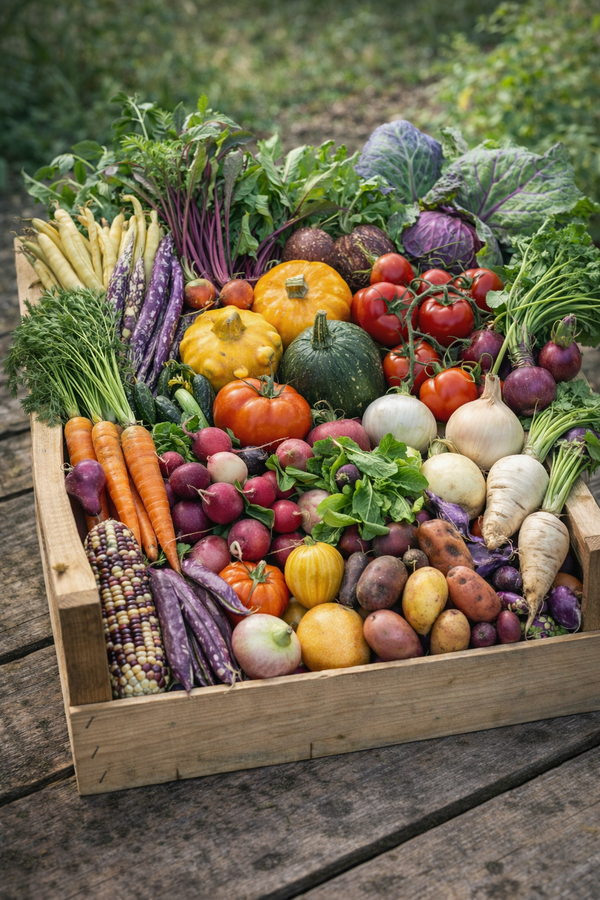
Recipe idea using your 'Berlin' F1 carrot harvest. Roast the root vegetables in uniform pieces. Brush the roots under water, remove the ends, and peel them only if their skin requires it. Cut the larger ones into quarters to make their cooking time similar to that of the smaller pieces. Mix with a drizzle of oil, thyme, and a pinch of salt. Spread on a baking sheet without overlapping the vegetables, then bake at 200 °C (392 °F), turning them halfway through cooking. Check for tenderness with the tip of a knife. Finish with a little lemon juice or apple cider vinegar and serve with a cooked grain. Keep the colours separated on the baking sheet if you wish to preserve their contrast when serving. Small roots can remain whole when they are of a comparable size. Thicker skin should be removed before cooking, while clean young skin can remain on the vegetable.

Frequently asked questions

Frequently asked questions

When to start Carrot 'Berlin' F1 seeds?
The sowing calendar for this variety is as follows: in spring, as soon as the soil can be worked. For this variety, respect this sowing depth: 6 mm (0.2 in). Direct sowing allows root vegetables to grow without deformation caused by transplanting. Prepare a fine and even seedbed, then water gently to maintain seed position. A dry soil crust can hinder emergence: keep the surface moist without compacting it. Thin seedlings early enough so that the roots have their final space. Keep rows identified until harvest.
When to harvest Carrot 'Berlin' F1?
Begin observing the harvest of this variety as it approaches 80 days after sowing; then check for the desired color, firmness, and size for picking. Harvest the carrots once the variety's size is reached. Harvest carrots when they are young, otherwise they will continue to grow. The maturity of this variety is 80 days after sowing: it prefers full sun or light shade. Avoid fresh manure and green fertilizers, which will promote leaf development at the expense of the roots. The length of the roots can vary significantly under different environments and growing conditions.
What's a good location for Carrot 'Berlin' F1?
To plant this variety, first choose a location that suits its sun exposure: full sun. To obtain a well-formed root from this variety, loosen the cultivated layer and remove stones from the row; a compacted crust on the surface hinders emergence and makes thinning more difficult. It prefers fairly rich, stone-free, deeply worked soil. Consistent moisture will promote the formation of beautiful roots. When planting this variety, the spacing to maintain is 5 cm between plants. Sow to a depth of 6 mm, in rows spaced 40 cm apart, and thin to 5 cm apart.
How to water Carrot 'Berlin' F1 during growth?
: it likes full sun or light shade. Avoid fresh manure and green manures, which will promote leaf development at the expense of roots. Root length can vary significantly under different environments and growing conditions. To plant this variety, first choose a location that matches its exposure: sun. To obtain a well-formed root of this variety, loosen the cultivated layer and remove stones from the row; a compact crust on the surface hinders emergence and makes thinning more difficult. It prefers fairly rich, rock-free, deeply worked soil.
What care should be given to Carrot 'Berlin' F1 throughout the season?
: it likes full sun or light shade. Avoid fresh manure and green manures, which will promote leaf development at the expense of roots. Root length can vary significantly under different environments and growing conditions. The sowing schedule for this variety is as follows: in spring, as soon as the soil can be worked. For this variety, respect this sowing depth: 6 mm (0.2 in). Start observing the harvest of this variety around 80 days after sowing; then check for the desired color, firmness, and size for picking.

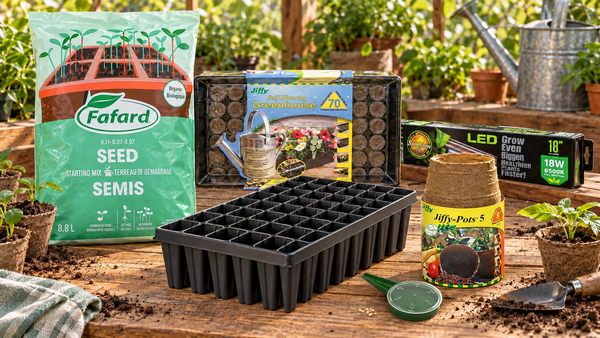
Seed-starting essentials

Click a product to build your selection.

Your selection

Total