Sale
Sold out

Root vegetable seeds
Apiaceae
Round mini carrot
Carrot
Daucus carota ‘Atlas Ronde’
Product code : Not applicable
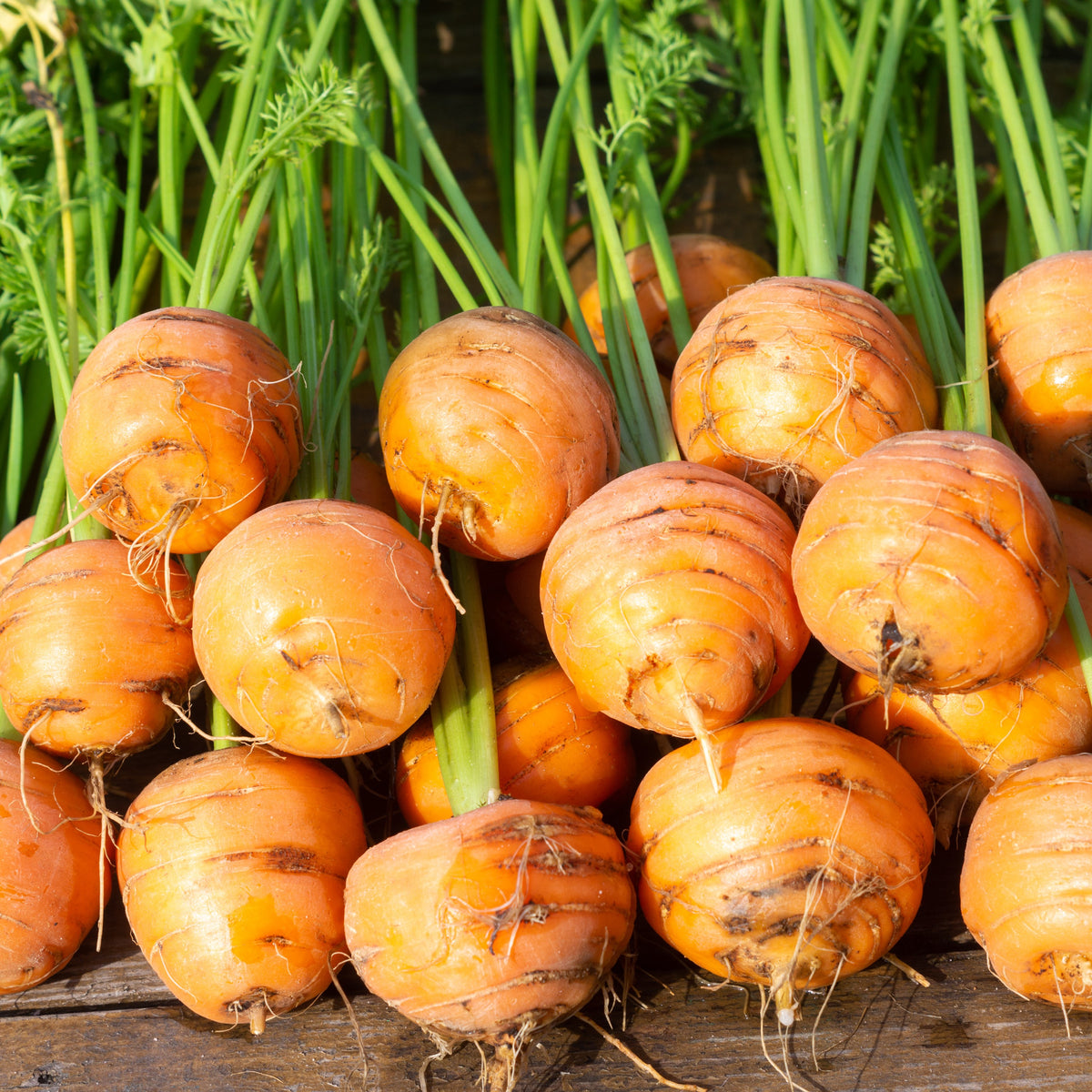
‘Atlas Ronde’ is a Paris Market mini carrot producing small, smooth, sweet round roots measuring 4 to 6 cm. Quick to harvest, it is well suited to vegetable gardens, small spaces, and container growing.
- Quantity
- 1000 seeds
- Exposure
- Full sun to partial shade
- Life cycle
- Biennial grown as an annual
Discover the plant
Common nameCarrot
FamilyApiaceae
GenusDaucus
Speciescarota
CultivarAtlas Ronde
TypeRoot vegetable seeds
Botanical nameDaucus carota ‘Atlas Ronde’
Carrot (Daucus carota ‘Atlas Ronde’) is a Paris Market type offered by W.H. Perron and valued for its small, smooth, round orange roots with a sweet flavour. It develops sturdy green foliage about 20 cm (8 in) high and compact roots measuring approximately 4 to 6 cm (1.5 to 2.5 in), with a neck about 2.5 cm (1 in) across. Its miniature form is especially convenient for small servings and urban vegetable gardens. Harvest begins about 56 days after sowing when the roots reach their characteristic size. Because carrots are grown primarily as root vegetables, flowering is normally not encouraged during the first growing season.
This carrot performs best in full sun, although it tolerates light partial shade, and prefers loose, deep, fertile, well-drained soil free of stones that could distort developing roots. Direct sow outdoors as soon as the soil can be worked in spring, about 6 mm deep. Maintain consistent moisture during germination and root development without leaving the soil waterlogged. Thin young seedlings to approximately 5 cm (2 in) apart and space rows about 40 cm (16 in) apart. Avoid fresh manure and excessive nitrogen, which can encourage leafy growth at the expense of root development. Succession sowings can extend the harvest period through Quebec's relatively short growing season.
In the vegetable garden, ‘Atlas Ronde’ works well in edible borders, small spaces, and containers because of its short, rounded roots. Young carrots can be harvested as soon as they reach their typical size to maintain a tender, crisp texture. They can be eaten raw as snacks, added to salads, or cooked in soups, roasted dishes, and side dishes. Chives, shallots, onions, leeks, peas, coriander, rosemary, radishes, and tomatoes can share the vegetable garden with this crop. Keeping the soil evenly moist and weeded reduces competition and encourages uniform roots, while gently hilling soil around exposed shoulders helps prevent green colouring caused by sunlight.

Sowing guide
It all startswith a seed.
Sowing depth
6 mm
Spacing / density
5 cm (2 in) between plants; 40 cm (16 in) between rows
Germination temperature
10 to 25 °C
Germination time
7 to 21 days
Sowing period
May to early July
Propagation
Direct sowing
Growing method
Direct sow in the vegetable garden as soon as the soil can be worked in spring. Make furrows about 6 mm deep in loose, finely prepared, stone-free soil. Distribute the seeds, cover lightly, and keep the surface consistently moist until seedlings emerge. Thin young plants to approximately 5 cm (2 in) apart, with rows about 40 cm (16 in) apart. Weed regularly to reduce competition. Maintain even moisture while the roots develop and gently hill soil over exposed shoulders. For a longer harvest season, make successive sowings between early May and early July, adjusting timing to local Quebec weather and soil conditions.
Soil and care
The right care,at the right time.
Soil pH
6.0 to 6.8
Care level
Easy
Watering
Regular; maintain even moisture
Soil type
Loose, deep, fertile, well-drained, and stone-free
Fertilization
Moderate fertilization; avoid fresh manure and excess nitrogen
Moisture
Moderate and consistent
Seasonal care
In spring, prepare the soil carefully by loosening it deeply and removing stones, clods, and debris that could distort the developing roots. After sowing, keep the surface consistently moist until emergence because the small seeds should not dry out during this period. Thin seedlings once they are large enough to handle, leaving approximately 5 cm (2 in) between carrots. Weed regularly, especially early in the crop, to reduce competition. Through summer, maintain even moisture and avoid strong fluctuations between drought and heavy watering. Gently hill soil around exposed shoulders to reduce greening. Harvest once the roots reach the desired diameter, and continue succession sowing while seasonal conditions remain suitable.
Container growing
A garden,within reach.
Recommended pot size
Minimum 20 to 25 cm (8 to 10 in) deep
The short, round shape of ‘Atlas Ronde’ makes it well suited to container growing. Choose a pot at least 20 to 25 cm (8 to 10 in) deep with drainage holes and fill it with loose, fine, stone-free growing medium. Sow 6 mm deep, then keep the mix moist until germination. As seedlings develop, thin them to maintain approximately 5 cm (2 in) between plants. Position the container in full sun or light partial shade and monitor watering regularly because containers dry more quickly than garden soil. Avoid fertilizers high in nitrogen and harvest the roots once they reach their characteristic round size and desired tenderness.

Bloom and dimensions
Its place,in your garden.
Mature height
Approximately 20 cm (8 in.) of foliage
Width / spread
About 10 to 15 cm (4 to 6 in)
Flower color
White
Foliage color
Green
Foliage type
Herbaceous
Growth rate
Fast
Growth habit
Upright leafy rosette
Bloom period
Second year if left in place
Fruiting
Not applicable in annual vegetable production
Days to maturity
56 days
Harvest
About 56 days after sowing, at 4 to 6 cm (1.5 to 2.5 in)
Garden associations
In goodcompany.
Companion plants
Chives, shallots, onions, leeks, peas, coriander, rosemary, radishes, and tomatoes
Recipe idea
From the gardento your plate.
Edible parts
Root
Raw carrots, salads, soups, roasts, glazed vegetables, and snacks
Frequently asked questions
Your questions,answered.
When should ‘Atlas Ronde’ carrot be sown?
Direct sow as soon as the garden soil can be worked in spring. In Quebec, an initial sowing can be made in early May, followed by additional sowings around mid-June and early July to stagger harvests according to seasonal conditions.
How deep should ‘Atlas Ronde’ carrot seeds be sown?
Sow the seeds approximately 6 mm deep in fine, loose, stone-free soil. Cover lightly and keep the surface consistently moist until emergence. A dry crust forming at the soil surface can make it more difficult for small carrot seedlings to emerge evenly.
When should ‘Atlas Ronde’ carrots be harvested?
Harvest can begin about 56 days after sowing when the small round roots reach approximately 4 to 6 cm (1.5 to 2.5 in). Harvest them young for a particularly tender, crisp texture rather than leaving them in the ground to become larger.
Can ‘Atlas Ronde’ carrots be grown in containers?
Yes. Its short, round root is well suited to containers at least 20 to 25 cm (8 to 10 in) deep. Use loose, stone-free growing medium, provide good drainage, and maintain even moisture throughout root development.
Why should carrot seedlings be thinned?
Thinning gives each root enough room to develop properly. For ‘Atlas Ronde’, keep approximately 5 cm (2 in) between plants. Overcrowded seedlings compete more strongly for water and nutrients and may produce smaller or less uniform roots at harvest.
Wildlife and pets
Life,around your plants.
For a great start to your seeds
The right extras.Right here.
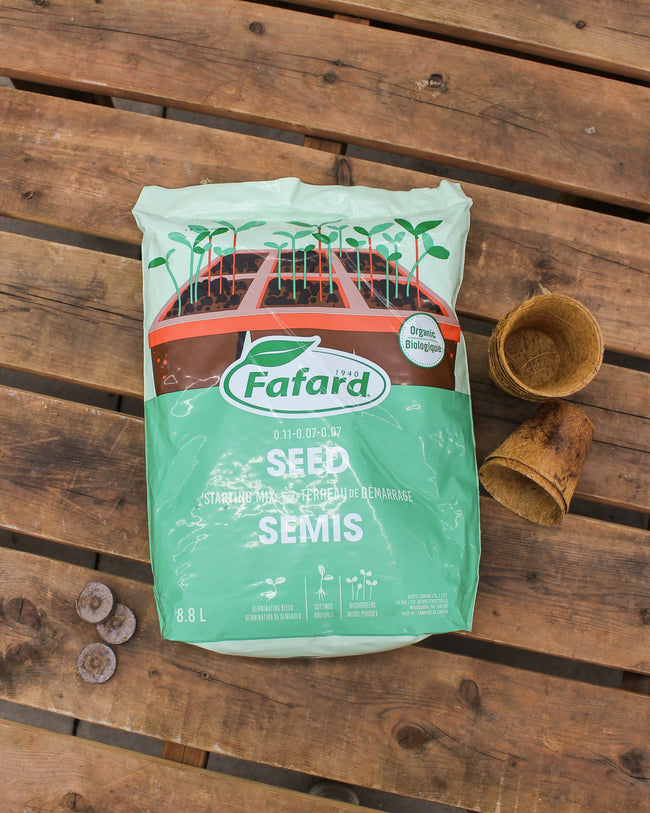
Seed Starting Soil
Shop the collectionSeed starting supplies
Shop the collection