


Sale
Sold out

Untreated
Amaryllidaceae
Garlic Chives
Product code : NOR-GR01
Oriental garlic chives are a perennial with flat, greyish-green leaves that offer a distinct garlic flavor. They should only be harvested starting in the second year, but are easy and sustainable to grow. For continuous production, cut regularly at 2.5 cm (1 in) from the ground. The leaves keep well when frozen, extending their use in the kitchen. This variety reaches 30 to 40 cm (11.8 to 15.7 in). The packet contains 200 seeds to start your planting. Onion and leek rows are suitable for areas of the vegetable garden where one can work without walking between the plants.
- Quantity
- 200 seeds
- Exposure
- Sun
- Life cycle
- Hardy perennial
Discover the plant
Common nameChives at the
FamilyAmaryllidaceae
GenusGarlic
Specieschives
Cultivargarlic
TypeUntreated
Botanical nameChives
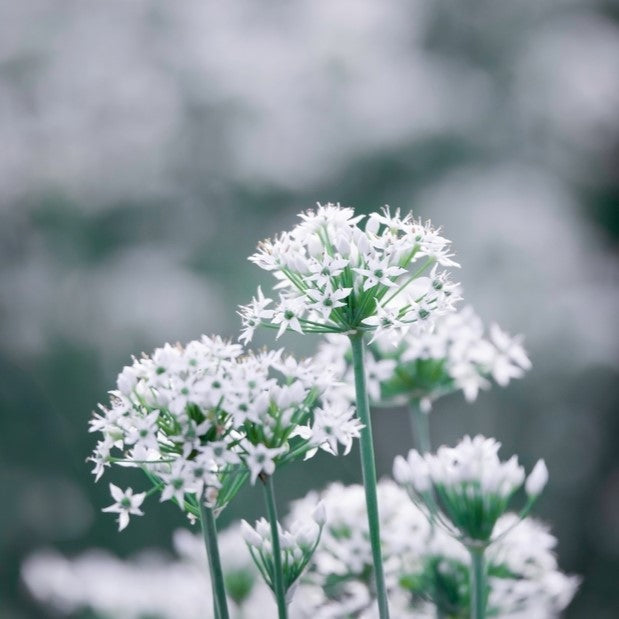
'Oriental' Garlic Chives (Allium schoenoprasum). Oriental garlic chives are a perennial with flattened, grayish-green leaves that offer a distinct garlic flavor. They should only be harvested starting in the second year, but are easy and long-lasting to grow. For continuous production, cut regularly to 2.5 cm (1 in) above the ground. The leaves store well frozen, which extends their use in the kitchen. This variety reaches 30 to 40 cm (11.8 to 15.7 in). For 'Oriental' Garlic Chives, the packet contains 200 seeds to start your planting.
For 'Oriental' Garlic Chives, the sowing calendar for this variety is as follows: indoors, 6 to 8 weeks before the last frost. For 'Oriental' Garlic Chives, keep onion, leek, or shallot seedlings well-labeled, as their young foliage looks similar. For 'Oriental' Garlic Chives, sufficient light and regular moisture will support seedling growth. For 'Oriental' Garlic Chives, transplant with care when the type of crop requires it, without crushing the base of the leaves. For 'Oriental' Garlic Chives, in the garden, prepare a surface that is easy to weed: these narrow plants provide little ground cover early in their development.
Once established, this perennial requires little maintenance and regrows vigorously after each cutting. Protect the plants from heavy frosts to extend their lifespan. Add Oriental garlic chives to your vegetable or herb garden for a flavorful and aromatic harvest. Ideal for enhancing your dishes, it is perfect for salads, sauces, marinades, and other culinary preparations. For 'Oriental' Garlic Chives, if you are using the chives only for culinary purposes and not for ornamentation, trim the flowers as soon as they appear. For 'Oriental' Garlic Chives, cut the foliage about 4 times per season almost to the base to prevent the leaves from wilting.

Sowing guide
It all startswith a seed.
Spacing / density
12 inches between plants
Sowing period
Indoors, 6 to 8 weeks before the last frost
Propagation
Sowing
Growing method
The sowing schedule for this variety is as follows: indoors, 6 to 8 weeks before the last frost. To plant this variety, first choose a location that matches its light requirements: full sun. Indoors: A well-drained, porous seed-starting mix is ideal for preventing overwatering. Outdoors: the soil must be well-drained, light, and rich in humus. You can also sow in pots on your patio, provided the potting mix is well-drained. Plan for this variety's placement in your garden bed by taking its height of 30 to 40 cm (11.8 to 15.7 in) into account. When planning the planting layout, allow 30 cm (11.8 in) of spread for each plant of this variety. When planting this variety, the recommended spacing is 30 cm between plants. Space them 15 cm apart in the row with 30 cm between rows. For balcony or patio cultivation, transplant into a container at least 25 cm in diameter. Once established, chives require little maintenance; they grow on their own and multiply easily. Chives should only be watered once the surface of the substrate has dried out well.
Soil and care
The right care,at the right time.
Watering
Water regularly to maintain constant moisture, especially during hot periods. To plant this variety, first choose a location that matches its sun exposure requirements: sun. Indoors: A well-drained, porous seed-starting mix is ideal to prevent overwatering. Outdoors: The soil must be well-drained, light, and rich in humus. You can also sow in pots on your terrace, provided the soil is well-drained.
Soil type
For continuous production, trim regularly to 2.5 cm from the ground. Plant seeds at a depth of 0.5 cm in well-drained soil, spacing plants 20 to 30 cm apart. Chives prefer a location in full sun or partial shade, with soil rich in organic matter. To establish this variety, first choose a location corresponding to its exposure: sun.
Fertilization
To plant this variety, first choose a location that matches its sun exposure requirements. Indoors: A well-drained, porous seed-starting mix is ideal to prevent overwatering. Outdoors: The soil should be well-drained, light, and rich in humus. You can also sow in pots on your patio, provided the potting soil is well-drained. For 'Oriental' garlic chives, keep the identified packet to track the cultivar-specific data throughout the season.
Seasonal care
Water regularly to maintain constant moisture, especially during hot periods. Once established, this perennial requires little maintenance and regrows vigorously after each cutting. Protect the plants from hard frosts to prolong their lifespan. Once in place, chives require little maintenance; they grow on their own and multiply easily. Chives should only be watered once the surface of the soil has dried out well. Once well-established in open ground, they only need assistance in cases of drought or extreme heat. In pots, remember to water more frequently. The sowing calendar for this variety is as follows: indoors, 6 to 8 weeks before the last frost. If you are using chives for culinary purposes only and not as an ornamental, trim the flowers as soon as they appear. Cut the foliage back to near the base about 4 times per season to prevent the leaves from wilting. This pruning will also trigger the production of new leaves. Consume them fresh in sauces or for sprinkling over dishes. To store chives, wash the leaves and then dry them with a cloth. Then, place them in a freezer bag labeled with the name of the plant and the harvest date. Place in the freezer and use as needed. The plant will keep this way for nearly a year without any issues.
Container growing
A garden,within reach.
Recommended pot size
Drained container allowing the plant to spread 30 cm (11.8 in).
The foliage of this variety occupies about 30 cm (11.8 in); leave this much space available around the container instead of crowding several plants against its edge. Place the container for this variety in this exposure: sun, checking the light received throughout the day. The sowing calendar for this variety is prepared as follows: indoors, 6 to 8 weeks before the last frost. To plant this variety, first choose a location corresponding to its exposure: sun. Indoors: A well-drained, porous seed-starting mix is ideal to prevent overwatering. Outdoors: the soil should be well-drained, light, and rich in humus. You can also sow in a pot on your patio, provided the soil is well-drained. Once established, chives require little maintenance; they grow on their own and multiply easily. Chives should only be watered when the substrate has dried well on the surface. Once well-established in the ground, they only need help in case of drought and very high heat. In a pot, remember to water more often. For 'Oriental' Garlic Chives, keep the identified packet in order to follow the cultivar-specific data throughout the season.

Bloom and dimensions
Its place,in your garden.
Mature height
11.8 to 15.7 in (30 to 40 cm)
Width / spread
11.8 in (30 cm)
Harvest
Harvest aromatic parts as needed without completely stripping the plant. Use a clean tool for a neat cut.
Garden associations
In goodcompany.
Companion plants
Plan the placement of this variety in the flowerbed, taking into account its height of 30 to 40 cm (11.8 to 15.7 in.). When designing the planting layout, allow for a 30 cm (11.8 in.) spread for each plant of this variety. When planting this variety, use a spacing of 30 cm between plants. Space them 15 cm apart in the row with 30 cm between rows. For balcony or patio cultivation, transplant into a container at least 25 cm in diameter.
Recipe idea
From the gardento your plate.
Edible parts
Aromatic leaves
Recipe idea for your 'Oriental' garlic chive harvest. Prepare a sauté of onions or leeks to accompany your meal. Remove the dry parts and roots, then rinse the edible parts thoroughly, especially between the leek leaves. Thinly slice and cook over low heat with a little oil. Stir regularly and add a little water if the bottom begins to stick. Continue until the pieces are tender. Then, incorporate the mixture into rice, an omelet, or cooked vegetables. Taste before adjusting the seasoning and adapt the quantities to the number of people at the table. Serve the dish with bread, rice, or another simple side that leaves room for the harvested vegetable. Prepare small portions to enjoy the freshness of the harvest. Use a clean cutting board, remove any damaged parts, and rinse the harvest before starting.
Frequently asked questions
Your questions,answered.
When should I start sowing 'Oriental' garlic chives?
The sowing schedule for this variety is as follows: indoors, 6 to 8 weeks before the last frost. Keep onion, leek, or shallot seedlings clearly identified, as their young foliage looks similar. Sufficient light and consistent moisture support seedling growth. Transplant delicately when the crop type requires it, without crushing the base of the leaves. In the garden, prepare a surface that is easy to weed: these narrow plants cover little ground at the beginning of their development. Weed regularly around the alliums, working at a shallow depth. The fine foliage does not quickly protect the soil from competition.
Which location is suitable for 'Oriental' garlic chives?
To plant this variety, first choose a location that matches its exposure: sun. Indoors: Well-drained, porous seed-starting soil is ideal for preventing overwatering. Outdoors: the soil must be well-drained, light, and rich in humus. You can also sow in pots on your patio, provided the soil is well-drained. Plan the placement of this variety in the flowerbed, taking into account its height of 30 to 40 cm (11.8 to 15.7 in). When designing the planting, allow 30 cm (11.8 in) of spread for each plant of this variety.
How should I water 'Oriental' garlic chives during their growth?
Once established, chives require little maintenance; they grow on their own and multiply easily. Chives should only be watered once the surface of the substrate has dried out well. Once well settled in open ground, they only need assistance during drought or extreme heat. In pots, remember to water more often. To plant this variety, first choose a location that matches its sun exposure needs. Indoors: Well-drained, porous potting soil is ideal for preventing overwatering. Outdoors: The soil must be well-drained, light, and rich in humus.
How should 'Oriental' garlic chives be cared for throughout the season?
Once established, chives require little maintenance; they grow on their own and multiply easily. Chives should only be watered once the surface of the soil has dried out completely. Once well-established in open ground, they only need supplemental water during droughts and periods of extreme heat. In pots, remember to water more frequently. The sowing schedule for this variety is as follows: indoors, 6 to 8 weeks before the last frost. If you are using the chives for culinary purposes only rather than ornamental ones, trim the flowers as soon as they appear. For 'Oriental' garlic chives, the instructions on the sold packet take priority whenever they specify a date, depth, or quantity.
How do I use the harvest of 'Oriental' garlic chives?
If you only use chives for culinary purposes rather than ornamental ones, trim the flowers as soon as they appear. Cut the foliage back almost to the ground about four times a season to prevent the leaves from wilting. This pruning will also encourage the growth of new leaves. Consume them fresh in sauces or sprinkled over dishes. To store chives, wash the leaves and dry them with a kitchen towel. Then, place them in a freezer bag labeled with the name of the herb and the harvest date. Place in the freezer and use them as needed. The plant will keep this way for nearly a year without any issues.
For a great start to your seeds
The right extras.Right here.
Seed Starting Soil
Shop the collectionSeed starting supplies
Shop the collection





