Sale
Sold out

Untreated Multipellet
Brassicaceae
'SimplySalad Storm' kale mix
Brassica oleracea
Product code : NOR-GR04
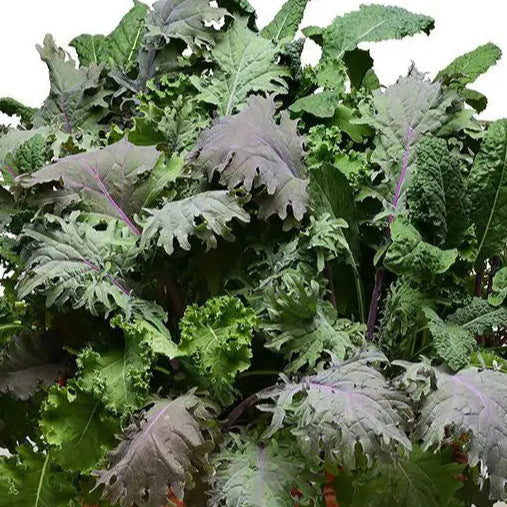
'SimplySalad Storm' kale combines several kale textures in a single blend of purple, green, and bluish foliage. It creates a decorative vegetable composition in containers while providing leaves for harvest. The seeds are grouped in a multi-seed pellet, convenient for forming small clusters of plants. The first harvests are ready approximately 35 days after sowing, depending on growing conditions. Harvest the leaves gradually, keeping enough foliage on each plant. This mix is also suitable for open ground to extend picking throughout the summer season. This variety reaches maturity 35 days after sowing.
- Quantity
- 10 seeds
- Exposure
- Sun
- Life cycle
- Annual vegetable crop
Discover the plant
Common nameKale Mix
FamilyBrassicaceae
GenusBrassica
Speciesoleracea
CultivarSimplySalad Storm
TypeUntreated Multipellet
Botanical nameBrassica oleracea
'SimplySalad Storm' kale mix (Brassica oleracea). 'SimplySalad Storm' kale combines various kale textures in a single blend of purple, green, and bluish foliage. It creates a decorative vegetable arrangement in containers while providing leaves for harvest. The seeds are grouped in a multi-seed pellet, convenient for forming small clusters of plants. The first harvests are ready approximately 35 days after sowing, depending on growing conditions. Harvest the leaves gradually, leaving enough foliage on each plant. This mix is also suitable for open ground to extend harvests throughout the summer season.
For 'SimplySalad Storm' kale mix, the sowing schedule for this variety is as follows: in spring, as soon as the soil can be worked. For 'SimplySalad Storm' kale mix, for this variety, follow this sowing depth: 6 mm (0.2 in). For 'SimplySalad Storm' kale mix, young kale plants require light to form short, vigorous plants. For 'SimplySalad Storm' kale mix, transplant before the roots become crowded, then gradually acclimate the plants to outdoor conditions. For 'SimplySalad Storm' kale mix, plant them in prepared soil that maintains consistent moisture.
For 'SimplySalad Storm' kale mix, begin observing the harvest of this variety as it approaches 35 days after sowing; then check for the desired color, firmness, and size for picking. For 'SimplySalad Storm' kale mix, the bolt tolerance of this variety provides a harvest window, but it does not replace observation: pick the tender parts before the elongation of the flower stalk changes their texture. For 'SimplySalad Storm' kale mix, you can start harvesting the kale after a month, when the leaves have taken on a beautiful rich green color.

Sowing guide
It all startswith a seed.
Sowing depth
6 mm (0.2 in)
Spacing / density
12 inches between plants
Sowing period
In the spring, as soon as the ground can be worked
Propagation
Sowing
Growing method
The sowing calendar for this variety is as follows: in spring, as soon as the soil can be worked. For this variety, sow at this depth: 6 mm (0.2 in.). To plant this variety, first choose a location that matches its exposure: full sun. They prefer rich, loamy soil with a pH of 6.5 that retains moisture well. When planting this variety, the spacing to remember is 30 cm (12 in.) between plants. Plant them at a depth of 6 mm (0.2 in.) and 2.5 cm (1 in.) apart. Thin seedlings to 30 cm (12 in.). Kale and collard greens have roots that grow close to the soil surface, so be careful when weeding. Do not hoe deeper than 3 cm (1 inch) to avoid cutting the roots. A thick layer of mulch will prevent weed growth. Young cabbage plants need light to form short, vigorous plants. Transplant before the roots become crowded, then gradually acclimate the plants to outdoor conditions. Plant them in prepared soil that maintains consistent moisture.
Soil and care
The right care,at the right time.
Watering
To install this variety, first choose a location corresponding to its exposure: sun. They prefer a rich, clayey soil with a pH of 6.5 that retains moisture well. As kale and collard greens have roots that grow close to the soil surface, be careful when weeding. Do not dig deeper than 3 cm (1 inch) to avoid cutting the roots.
Soil type
To install this variety, first choose a location that matches its sun exposure: full sun. It prefers rich, clayey soil with a pH of 6.5 that retains moisture well. The harvest of this variety depends on consistent growth of the foliage and edible parts; incorporate mature compost before planting and adjust the amounts to the plant's development, without concentrating fertilizer against the roots.
Fertilization
The harvest of this variety depends on steady growth of the foliage and vegetable parts; incorporate mature compost before planting and adjust the applications to the plant's development, without concentrating the fertilizer against the roots. To establish this variety, first choose a location corresponding to its exposure: sun. They prefer rich, clay soil with a pH of 6.5 that retains moisture well.
Seasonal care
Since kale and collard greens have roots that grow near the soil surface, be careful when weeding. Do not hoe deeper than 3 cm (1 inch) to avoid cutting the roots. A thick mulch will prevent weed growth. The sowing schedule for this variety is as follows: in the spring, as soon as the soil can be worked. For this variety, observe this sowing depth: 6 mm (0.2 in). Harvesting this variety depends on steady foliage and vegetable growth; incorporate mature compost before planting and adjust applications as the plant develops, without concentrating fertilizer against the roots. Begin checking this variety for harvest as it approaches 35 days after sowing; then verify the color, firmness, and size desired for picking. The bolting tolerance of this variety provides a harvest window, but does not replace observation: harvest the tender parts before the flower stalk elongates and changes their texture. You can begin harvesting kale after one month, when the leaves have taken on a beautiful rich green color. Remember that if the leaves become too dark, they will be tougher and more bitter. Do not take too many leaves from a single plant, or it will stop growing.
Container growing
A garden,within reach.
Recommended pot size
One plant per drained container, with space for its mature spread.
Place the container of this variety in this exposure: full sun, checking the light received throughout the day. The sowing calendar for this variety is prepared as follows: in spring, as soon as the soil can be worked. For this variety, respect this sowing depth: 6 mm (0.2 in). To install this variety, first choose a location corresponding to its exposure: full sun. They prefer a rich, clayey soil with a pH of 6.5 that retains moisture well. Kale and collard greens have roots that grow close to the soil surface, so be careful when weeding. Do not dig deeper than 3 cm (1 inch) to avoid cutting the roots. A thick mulch will prevent weed growth. The packet contains 10 seeds to start your planting. In a container, reserve enough space for one cabbage so that its foliage is not compressed against that of a neighbor. The pot must remain stable as the harvested part grows. Keep the root ball fresh and check the underside of the leaves during watering. The choice of container is made according to the adult development, even if the young plant still seems small at the time of repotting.

Bloom and dimensions
Its place,in your garden.
Fruiting
Start observing the harvest of this variety as it approaches 35 days after sowing; check for the desired color, firmness, and size for picking. The bolt tolerance of this variety provides a harvest window, but does not replace observation: harvest the tender parts before the elongation of the flower stalk changes their texture.
Days to maturity
35 days after sowing
Harvest
Harvest the edible parts when they are at the stage appropriate for the variety, well-developed, and still tender. Use a clean knife or scissors and avoid crushing the remaining foliage.
Garden associations
In goodcompany.
Companion plants
When planting this variety, the recommended spacing between plants is 30 cm. Plant them at a depth of 6 mm and a distance of 2.5 cm. Seedlings should be thinned to 30 cm. To establish this variety, first choose a location that matches its sun exposure preference: full sun. They prefer rich, clayey soil with a pH of 6.5 that retains moisture well. Place the cabbages in rows sufficiently spaced to allow observation of the base and heart of the plants.
Recipe idea
From the gardento your plate.
Edible parts
Leaves or heads, depending on the type of cabbage
Recipe idea using your 'SimplySalad Storm' kale mix harvest. Prepare a finely chopped vegetable stir-fry. Remove any tough parts and adjust the cut to the harvest: small florets, strips of leaves, or diced peeled fleshy stems. Sauté an onion in a little oil, add the vegetables and a small amount of water, then cover to start cooking. Uncover and stir until the pieces are tender. Finish with fresh herbs and a squeeze of lemon before serving. Taste before adjusting seasoning and adapt quantities to the number of people at the table. Serve with bread, rice, or another simple side dish that allows the harvested vegetable to shine. Prepare small portions to enjoy the freshness of the harvest. Use a clean cutting board, remove damaged parts, and rinse the harvest before starting.
Frequently asked questions
Your questions,answered.
When to start sowing 'SimplySalad Storm' kale mix?
The sowing schedule for this variety is as follows: in the spring, as soon as the soil can be worked. For this variety, respect this sowing depth: 6 mm (0.2 in). Young cabbages require light to form short, vigorous plants. Transplant before the roots become crowded, then gradually acclimate the plants to outdoor conditions. Set them in prepared soil that retains regular moisture. Avoid overcrowding the plants in anticipation of their small starting size: the mature foliage takes up much more space during harvest formation. For Kale 'SimplySalad Storm' mix, the instructions on the sold packet remain the priority when they specify a date, depth, or quantity.
What advantage does the tolerance of Kale 'SimplySalad Storm' mix offer?
Since kale and collard greens have roots that grow near the soil surface, be careful when weeding. Do not hoe deeper than 3 cm (1 inch) to avoid cutting the roots. A thick mulch will prevent weed growth. Begin monitoring this variety for harvest as you approach 35 days after sowing; check for the desired color, firmness, and size for picking. This variety's bolting tolerance provides a wider harvest window, but does not replace observation: harvest the tender parts before the elongation of the flower stalk changes their texture.
When to harvest 'SimplySalad Storm' kale mix?
Start observing the harvest of this variety as you approach 35 days after sowing; check for the desired color, firmness, and size for picking. This variety's bolting tolerance provides a harvest window, but it does not replace observation: harvest the tender parts before the elongation of the flower stalk changes their texture. You can begin harvesting kale after one month, once the leaves have a beautiful, rich green color. Keep in mind that if the leaves become too dark, they will be tougher and bitter. Do not take too many leaves from a single plant, or it will stop growing.
Which location is suitable for Kale 'SimplySalad Storm' mix?
To plant this variety, first choose a location corresponding to its exposure: sun. They prefer rich, clay soil with a pH of 6.5 that retains moisture well. When planting this variety, keep a spacing of 30 cm between plants. Plant them at a depth of 6 mm and 2.5 cm apart. Seedlings should be thinned to 30 cm. Place the container for this variety in this exposure: sun, checking the light received throughout the day. Place the cabbages in rows spaced far enough apart to be able to observe the base and heart of the plants.
How should I water 'SimplySalad Storm' kale mix as it grows?
Kale and collard greens have roots that grow near the soil surface, so be careful when weeding. Do not hoe deeper than 3 cm (1 inch) to avoid cutting the roots. A thick mulch will prevent weed growth. To plant this variety, first choose a location that matches its sun exposure requirements. They prefer rich, clay-based soil with a pH of 6.5 that retains moisture well. Inspect the kale leaves, especially the undersides, for early signs of eggs, caterpillars, or bite marks. Appropriate insect protection can help preserve the foliage while still allowing air and light to pass through.
For a great start to your seeds
The right extras.Right here.
Seed Starting Soil
Shop the collectionSeed starting supplies
Shop the collection