Sale
Sold out

Untreated
Asteraceae
Coneflower Double Decker
Purple coneflower
Product code : NOR-GR06
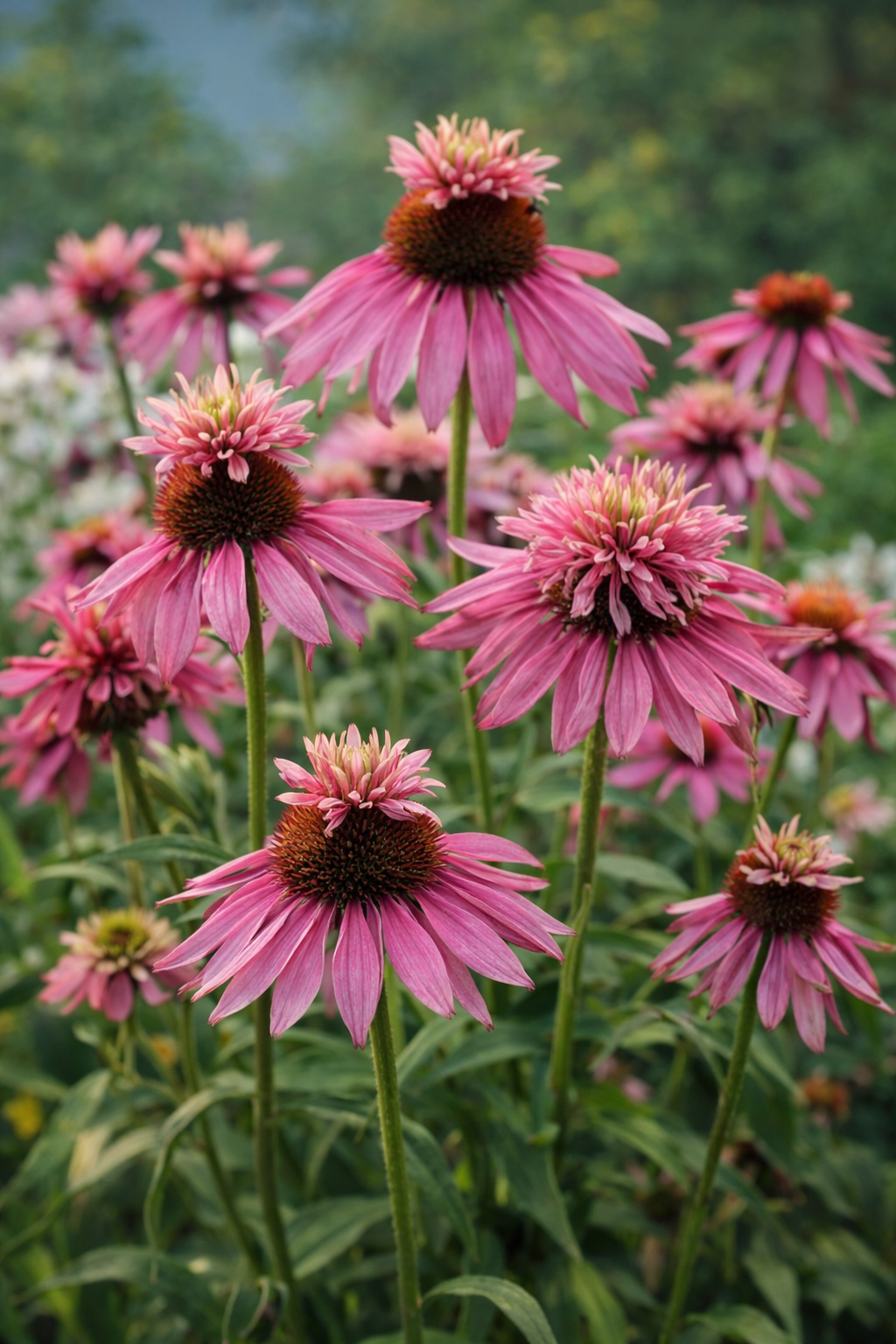
Echinacea Double Decker is a truly unique and surprising variety. It produces simple purple-pink flowers, a good percentage of which will develop a "twin" atop the flowers the following season. Some flowers may also be completely double, offering an original and captivating display. This hardy perennial improves with time, like a fine wine, and brings an elegant and lasting touch to your garden. This variety reaches 60 to 90 cm (23.6 to 35.4 in). The floral palette is distinguished by this color: purple-pink. The sachet contains 40 seeds to start your planting. Echinaceas have a prominent central cone that retains interest after the petals open.
- Quantity
- 40 seeds
- Exposure
- Sun/partial shade
- Life cycle
- Hardy perennial
- Hardiness
- Zone 3
Discover the plant
Common nameEchinacea
FamilyAsteraceae
GenusEchinacea
Speciespurple
CultivarDouble Decker
TypeUntreated
Botanical namePurple coneflower
'Double Decker' Coneflower (Echinacea purpurea). The Double Decker coneflower is a truly unique and surprising variety. It produces single purplish-pink flowers, a good percentage of which will develop a "twin" atop the blooms the following season. Some flowers may also be completely double, offering an original and captivating display. This hardy perennial improves with time, like a fine wine, and brings an elegant and lasting touch to your garden. This variety reaches 60 to 90 cm (23.6 to 35.4 in). For the 'Double Decker' Coneflower, the floral palette is distinguished by this color: purplish-pink.
For the 'Double Decker' Coneflower, germination generally takes 7 to 14 days in soil kept at 22 to 24 °C (71.6 to 75.2 °F). For the 'Double Decker' Coneflower, the sowing schedule for this variety is as follows: indoors, 8 to 10 weeks before the last frost. For the 'Double Decker' Coneflower, transplant the young flowers when their true leaves have developed and their roots hold the root ball. For the 'Double Decker' Coneflower, handle the seedlings gently and avoid compressing the stem. For the 'Double Decker' Coneflower, under lighting, gradually space out the containers so that the foliage does not overlap.
The Double Decker coneflower is a true treasure for perennial enthusiasts. With its unique appearance and abundant blooms, it brings charm and originality to your flower beds. Grow it for unforgettable flowers, year after year. For the 'Double Decker' Coneflower, the shades of this variety lend themselves to a composition with white flowers and green foliage; repeat the color at several points in the bed so that the eye moves through it without multiplying the species. For the 'Double Decker' Coneflower, plan for this variety's space in the bed, taking into account its height of 60 to 90 cm (23.6 to 35.4 in).

Sowing guide
It all startswith a seed.
Germination temperature
22 to 24 °C (71.6 to 75.2 °F)
Germination time
7 to 14 days
Sowing period
Indoors, 8 to 10 weeks before last frost
Propagation
Sowing
Growing method
Transplant seedlings after all risk of frost, spacing them 60 to 75 cm (23.6 to 29.5 in.) apart in well-drained, sunny soil. Germination usually takes 7 to 14 days in potting mix kept at 22 to 24 °C (71.6 to 75.2 °F). The sowing schedule for this variety is as follows: indoors, 8 to 10 weeks before the last frost. To install this variety, first choose a location corresponding to its exposure: sun to partial shade. Indoors: A well-drained and porous potting mix is ideal to prevent overwatering. Outdoors: Adapts to all types of well-drained soils. Plan the location of this variety in the flowerbed, considering its height of 60 to 90 cm (23.6 to 35.4 in.). When designing the planting, allow 60 to 75 cm (23.6 to 29.5 in.) of spread for each plant of this variety. During its flowering from July to September, keep this variety accessible to remove damaged parts without crushing the still fresh flowers. Easy to grow, it will be grateful and prolific as long as it is planted in full sun in fertile, deep, loose, fresh, and well-drained soil.
Soil and care
The right care,at the right time.
Watering
It produces simple purplish-pink flowers, a good percentage of which will develop a "twin" at the top of the flowers the following season. To plant this variety, first choose a location corresponding to its exposure: full sun to partial shade. Indoors: A well-drained and porous seed starting mix is ideal to prevent overwatering. Outdoors: Adapts to all types of well-drained soil.
Soil type
Transplant seedlings after all risk of frost, spacing them 60 to 75 cm apart in well-drained, sunny soil. To plant this variety, first choose a location corresponding to its exposure: sun to partial shade. Indoors: A well-drained and porous seed starting mix is ideal to prevent overwatering. Outdoors: Adapts to all types of well-drained soils.
Fertilization
To plant this variety, first choose a location that matches its sun exposure: full sun to partial shade. Indoors: A well-drained and porous seed starting mix is ideal to prevent overwatering. Outdoors: Adapts to all types of well-drained soils. During its flowering period from July to September, keep this variety accessible to remove damaged parts without harming fresh flowers.
Seasonal care
During its flowering period from July to September, keep this variety accessible to remove damaged parts without crushing the still-fresh flowers. Easy to grow, it will prove grateful and fertile provided it is planted in full sun in fertile, deep, loose, fresh, and well-drained soil. Particularly drought-resistant, you won't hesitate to place it in a hot, sunny spot. It is not demanding in terms of water. Echinacea is drought-resistant, and with mulching, watering is not necessary after the first year of planting. During very dry periods, watering supports flowering. The plant does not bend in the wind and fears neither intense heat nor occasional drought. Echinacea requires little care and flowers abundantly all summer. However, a few actions should help you improve flowering. Remove spent flowers regularly to stimulate the appearance of new ones. Applying fertilizer for flowering plants in spring stimulates flowering. It is recommended to divide the plant in spring or autumn every 3-4 years to rejuvenate it. Germination generally takes 7 to 14 days in potting soil maintained at 22 to 24 °C (71.6 to 75.2 °F). The sowing schedule for this variety is as follows: indoors, 8 to 10 weeks before the last frost.
Container growing
A garden,within reach.
Recommended pot size
Drained container allowing the plant to spread 60 to 75 cm (23.6 to 29.5 in).
The foliage of this variety spans approximately 60 to 75 cm (23.6 to 29.5 in); leave this width available around the container instead of crowding several plants against its edge. Place the container of this variety in the following exposure: sun to partial shade, checking the light received throughout the day. Germination generally takes 7 to 14 days in potting mix maintained at 22 to 24 °C (71.6 to 75.2 °F). The sowing schedule for this variety is as follows: indoors, 8 to 10 weeks before the last frost. To plant this variety, first choose a location corresponding to its exposure: sun to partial shade. Indoors: A well-drained and porous seed-starting mix is ideal to prevent overwatering. Outdoors: Adapts to all types of well-drained soils. During its flowering period from July to September, keep this variety accessible to remove damaged parts without disturbing the fresh flowers. Easy to grow, it will prove grateful and bountiful provided it is planted in full sun in fertile, deep, loose, fresh, and well-drained soil.

Bloom and dimensions
Its place,in your garden.
Mature height
60 to 90 cm (23.6 to 35.4 in.)
Width / spread
60 to 75 cm (23.6 to 29.5 in)
Flower color
Purple Rose
Bloom period
It produces simple purple-pink flowers, a good percentage of which will develop a "twin" at the top of the flowers the following season. Some flowers can also be completely double, offering an original and captivating display. This echinacea blooms from the second year and thrives every summer, from July to September. With its unique appearance and abundant flowering, it brings charm and originality to your flowerbeds.
Garden associations
In goodcompany.
Companion plants
Plan the position of this variety in the border, taking into account its height of 60 to 90 cm (23.6 to 35.4 in.). When designing the planting, allow 60 to 75 cm (23.6 to 29.5 in.) spread for each plant of this variety. The shades of this variety lend themselves well to a composition with white flowers and green foliage; repeat the color at several points in the border so that the eye flows without multiplying the species.
Frequently asked questions
Your questions,answered.
When to start Echinacea 'Double Decker' seeds?
Germination usually takes 7 to 14 days in soil kept at 22 to 24 °C (71.6 to 75.2 °F). The sowing schedule for this variety is as follows: indoors, 8 to 10 weeks before the last frost. Echinaceas have a distinct central cone that remains attractive after the petals open. Plan for the clump to occupy its space over several seasons when hardiness allows for its perenniality. Well-drained soil in winter is preferable to a wet hollow. You can keep some dry flower heads for their silhouette while cutting some fresh flowers for the home.
How to pair colors with Echinacea 'Double Decker'?
The nuances of this variety lend themselves to a composition with white flowers and green foliage; repeat the color in several places in the bed so that the eye flows without multiplying the species. This variety flowers from July to September. Plan the placement of this variety in the bed taking into account its height of 60 to 90 cm (23.6 to 35.4 in). When designing the planting, allow 60 to 75 cm (23.6 to 29.5 in) of spread for each plant of this variety. Echinaceas have a clearly visible central cone that remains attractive after the petals open.
What is a good location for Echinacea 'Double Decker'?
To plant this variety, first choose a location that matches its sun exposure: full sun to partial shade. Indoors: A well-drained and porous seed starting mix is ideal to prevent overwatering. Outdoors: Adapts to all types of well-drained soils. Plan for this variety's space in the bed, considering its height of 60 to 90 cm (23.6 to 35.4 in). When designing the planting, allow 60 to 75 cm (23.6 to 29.5 in) of spread for each plant of this variety. The foliage of this variety occupies approximately 60 to 75 cm (23.6 to 29.5 in); leave this width available around the container instead of crowding several plants against its edge.
How to water Echinacea 'Double Decker' during its growth?
During its flowering period from July to September, keep this variety accessible to remove damaged parts without bruising still fresh flowers. Easy to grow, it will prove grateful and fruitful provided it is planted in full sun in fertile, deep, loose, fresh, and well-drained soil. Particularly drought-resistant, you will therefore not hesitate to place it in a warm and sunny spot. It is not very demanding in water. Echinacea is highly drought-resistant and, with mulching, watering is not necessary after the first year of planting. During very dry periods, watering supports flowering.
What care should be given to Echinacea 'Double Decker' throughout the season?
During its flowering period from July to September, keep this variety accessible to remove damaged parts without crushing the still fresh flowers. Easy to grow, it will prove grateful and bountiful provided it is planted in full sun in fertile, deep, loose, fresh, and well-drained soil. Particularly drought-resistant, you will therefore not hesitate to place it in a warm and sunny spot. It requires little water. Echinacea is highly drought-resistant and, with mulching, watering is not necessary after the first year of planting. During very dry periods, watering supports flowering.
For a great start to your seeds
The right extras.Right here.
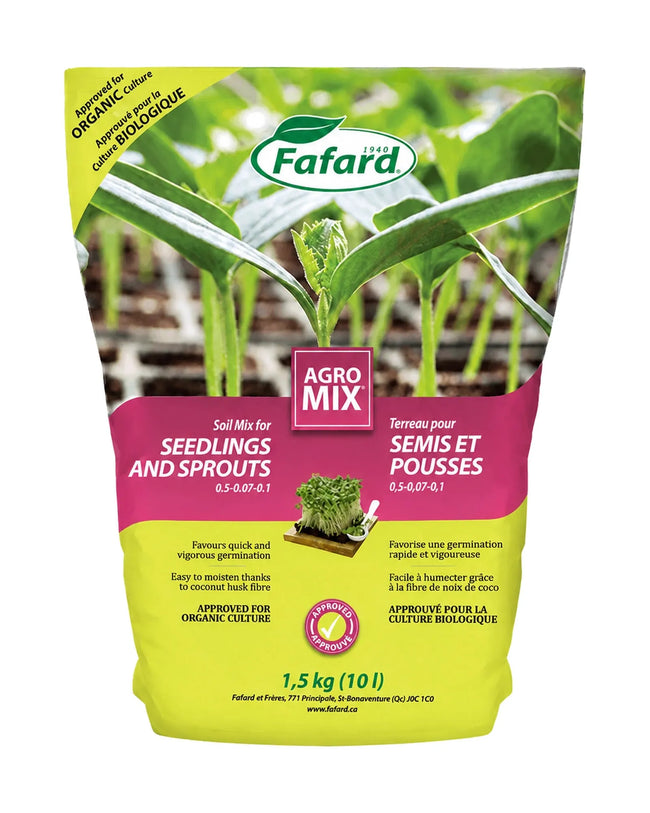
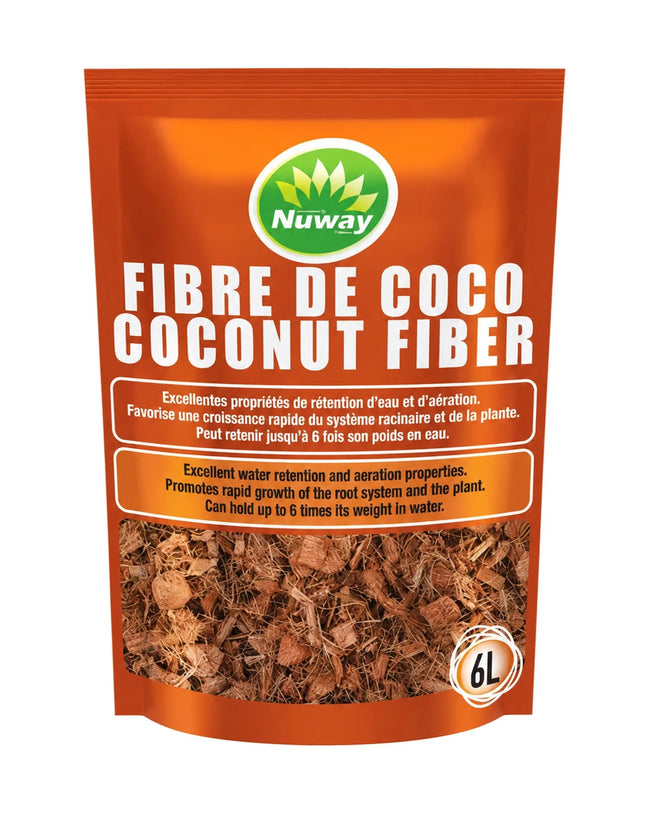
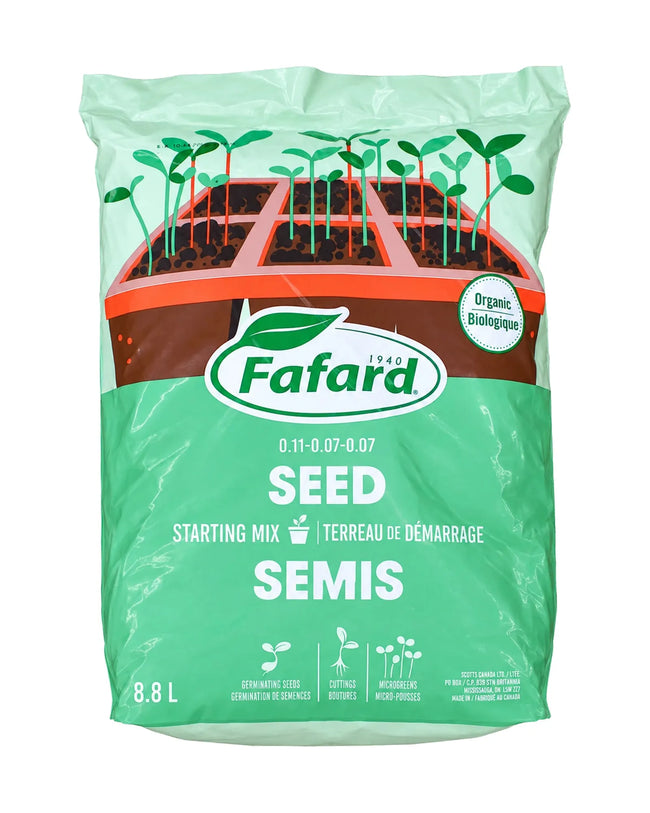
Seed Starting Soil
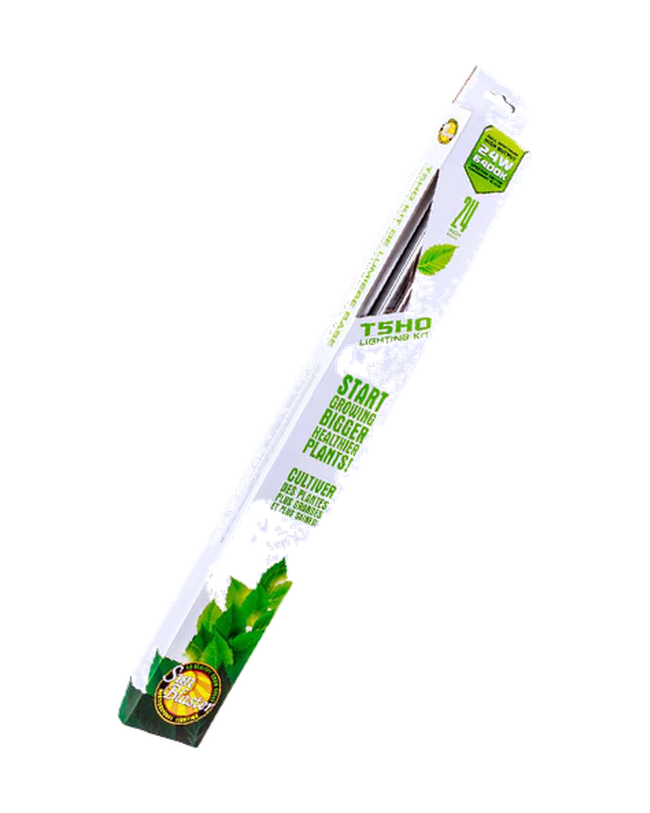
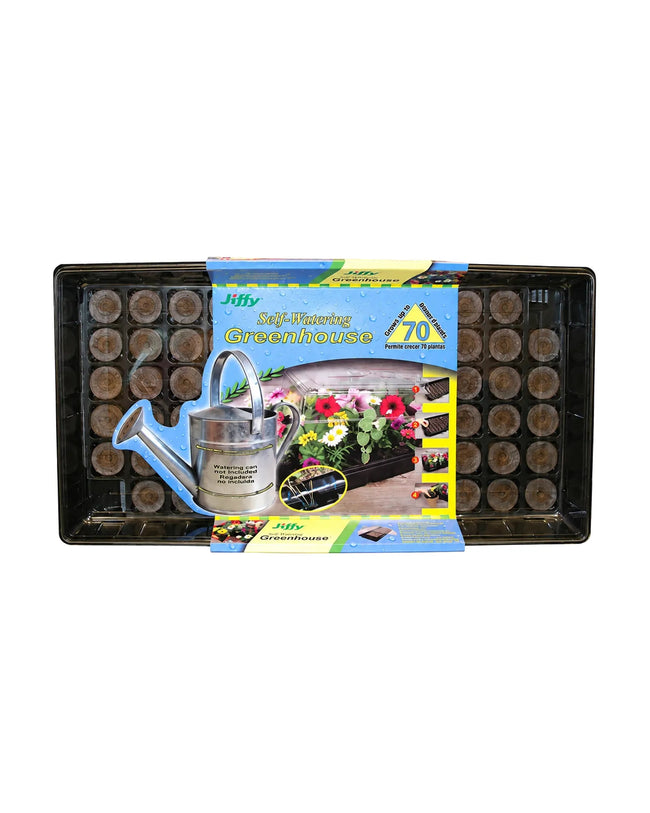
Shop the collectionSeed starting supplies
Shop the collection