Sale
Sold out

Processed
Apiaceae
Coriander 'Santo'
Coriandrum sativum
Product code : NORSE-0063
'Santo' cilantro is a treated variety, known for its compact habit and slow bolting. Perfect for prolonged harvesting, it provides aromatic leaves ideal for enhancing your dishes, from salsas to curries. Its robust plants are suitable for both amateur and experienced gardeners alike. This variety reaches 40 to 50 cm (15.7 to 19.7 in). The packet contains 150 seeds to start your planting. A herb patch becomes more useful when placed near a walkway or the kitchen. Group species that share similar moisture needs, and leave space around the clumps.
- Quantity
- 150 seeds
- Exposure
- Sun
- Life cycle
- Annual
Discover the plant
Common nameCilantro
FamilyApiaceae
GenusCoriander
Speciessativum
CultivarHoly
TypeProcessed
Botanical nameCoriandrum sativum
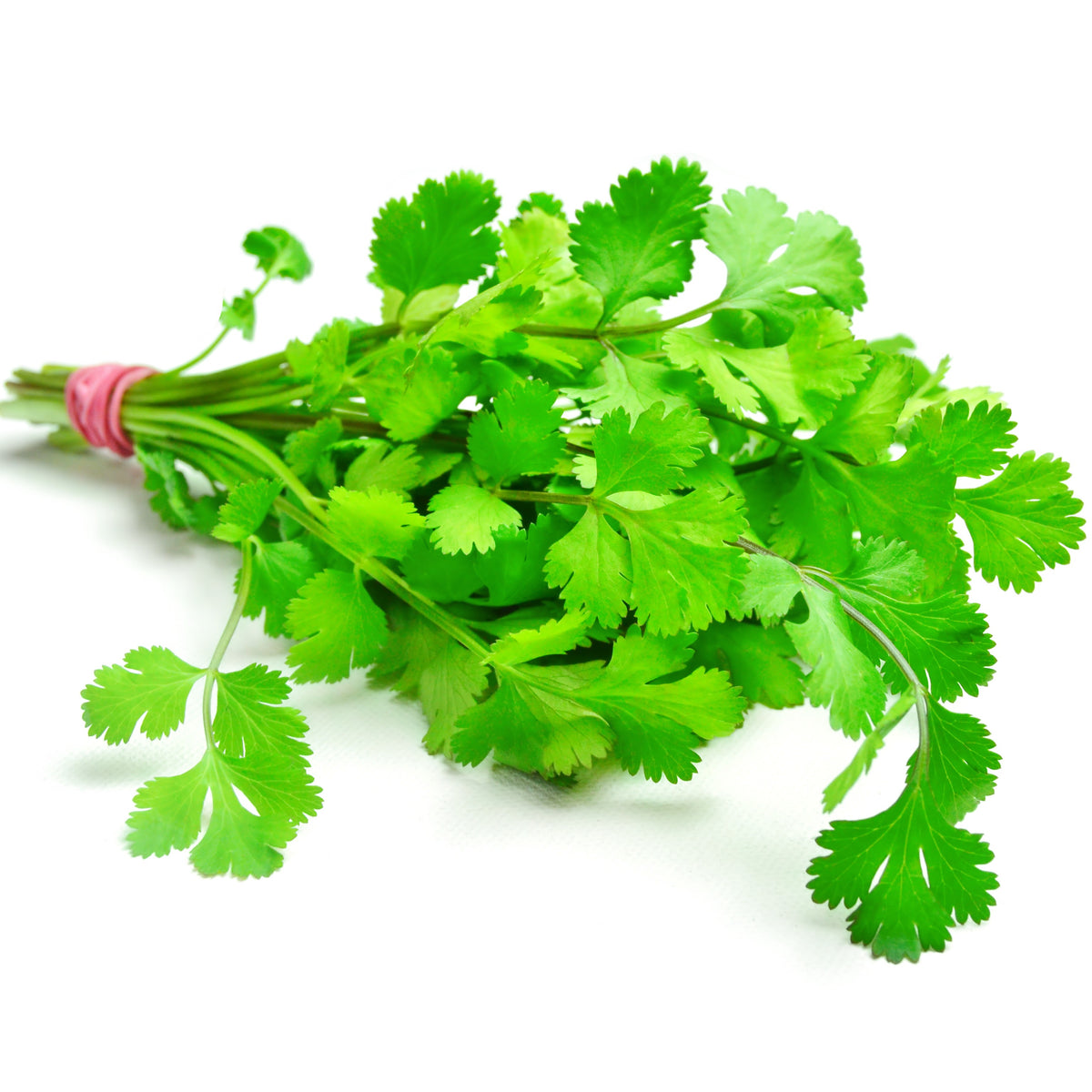
'Santo' Cilantro (Coriandrum sativum). 'Santo' cilantro is a treated variety known for its stocky habit and slow bolting. Perfect for prolonged cultivation, it offers aromatic leaves ideal for enhancing your dishes, from salsas to curries. Its robust plants are suitable for both amateur and experienced gardeners alike. This variety reaches 40 to 50 cm (15.7 to 19.7 in). For 'Santo' Cilantro, the packet contains 150 seeds to start your planting. For 'Santo' Cilantro, a herb garden becomes more useful when placed near a walkway or the kitchen.
For 'Santo' Cilantro, the sowing calendar for this variety is prepared as follows: indoors: Cilantro does not enjoy being grown indoors; it is difficult to provide the intense sun and cool temperature it prefers. For 'Santo' Cilantro, outdoors: sow from spring to late summer directly in the garden. For 'Santo' Cilantro, for this variety, respect this sowing depth: 1.5 cm. For 'Santo' Cilantro, label the herbs as soon as you sow them to distinguish between species whose first leaves look alike. For 'Santo' Cilantro, transplant the young plants without crushing their crown and gradually give them more space under the light.
Add 'Santo' cilantro to your vegetable garden for a reliable and flavorful aromatic touch, ideal for enriching your dishes throughout the season. For 'Santo' Cilantro, the bolting tolerance of this variety provides a harvest window, but does not replace observation: harvest the tender parts before the elongation of the flower stalk changes their texture. For 'Santo' Cilantro, cilantro leaves can be harvested at any time, but before bolting begins, by cutting each leaf at the base. For 'Santo' Cilantro, when the plant is young, you can harvest up to a third of its leaves and the plant will replace them.

Sowing guide
It all startswith a seed.
Sowing depth
0.6 inches
Spacing / density
20 cm between plants
Sowing period
Indoors: Coriander does not thrive when grown indoors; it is difficult to provide it with the intense sunlight and cool temperatures it prefers. Outdoors: sow directly in the garden from spring to late summer.
Propagation
Sowing
Growing method
To ensure a continuous harvest, sow successively every 2 to 3 weeks. Harvest the leaves as soon as they reach an adequate size and, if desired, let some plants go to seed for culinary use or for natural reseeding. The sowing schedule for this variety is as follows: Indoors: Cilantro does not thrive indoors; it is difficult to provide the intense sun and cool temperature it prefers. Outdoors: sow from spring to late summer directly in the garden. For this variety, observe this sowing depth: 1.5 cm. To plant this variety, first choose a location corresponding to its exposure: sun. Outdoors: It will appreciate light, well-drained, rich, and slightly acidic soil (with a pH of approximately 6.0 to 6.8). It will prefer loamy or sandy soils. Plan the space for this variety in the garden bed by taking into account its height of 40 to 50 cm (15.7 to 19.7 in). When planning the planting, reserve 75 cm (29.5 in) of spread for each plant of this variety. When planting this variety, the spacing to maintain is 20 cm between plants.
Soil and care
The right care,at the right time.
Soil pH
6.0 to 6.8
Watering
To plant this variety, first choose a location that matches its sun exposure. Outdoors: It will thrive in light, well-drained, rich, and slightly acidic soil (with a pH of approximately 6.0 to 6.8). It prefers loamy or sandy soils. Weed the area and keep the soil moist. To encourage branching, pinch the plant once it reaches a height of 4 cm.
Soil type
'Santo' cilantro prefers well-drained soil and full sun exposure for optimal growth. To plant this variety, first choose a location that matches its sun requirements. Outdoors: It will thrive in light, well-drained, rich, and slightly acidic soil (with a pH of approximately 6.0 to 6.8). It prefers loamy or sandy soils.
Fertilization
To plant this variety, first choose a location that matches its sun exposure. Outdoors: It will thrive in light, well-drained, rich, and slightly acidic soil (with a pH of approximately 6.0 to 6.8). It prefers loamy or sandy soils. Weed the area and keep the soil moist. To encourage branching, pinch the plant once it reaches a height of 4 cm.
Seasonal care
Harvest the leaves as soon as they reach an appropriate size and, if desired, let some plants go to seed for culinary use or for natural reseeding. Weed and keep the soil moist. To encourage the plant to branch out, pinch it once it reaches a height of 4 cm. Cilantro has a very fast life cycle and will go to seed in a few weeks. For a continuous harvest of leaves, sow seeds successively every 2–3 weeks. The sowing calendar for this variety is as follows: Indoors: Cilantro does not thrive indoors; it is difficult to provide the intense sun and cool temperatures it prefers. Outdoors: sow directly in the garden from spring to late summer. For this variety, follow this sowing depth: 1.5 cm. This variety's bolt resistance provides a longer harvest window, but does not replace observation: harvest the tender parts before the flower stalk lengthens and changes their texture. Cilantro leaves can be harvested at any time, but before bolting begins, by cutting each leaf at the base. When the plant is young, you can harvest up to a third of its leaves and the plant will replace them. The leaves do not keep well; they can be frozen or preserved in oil, but they lose much of their flavor.
Container growing
A garden,within reach.
Recommended pot size
Drained pot, allowing the plant to spread 75 cm (29.5 in).
The foliage of this variety occupies approximately 75 cm (29.5 in); leave this much space available around the container rather than crowding several plants against its edge. Place the container for this variety in this exposure: sun, while checking the light received throughout the day. The sowing calendar for this variety is prepared as follows: Indoors: Cilantro does not enjoy being grown indoors; it is difficult to provide it with the intense sun and cool temperature it prefers. Outdoors: sow from spring to late summer directly in the garden. For this variety, respect this sowing depth: 1.5 cm. To install this variety, first choose a location corresponding to its exposure: sun. Outdoors: It will appreciate light, well-drained, rich, and slightly acidic soil (with a pH of approximately 6.0 to 6.8). It prefers loamy or sandy soils. Weed and keep the soil moist. To force the plant to branch out, pinch it as soon as it reaches a height of 4 cm. Cilantro has a very fast cycle, and it will go to seed within a few weeks. For Cilantro 'Santo', keep the identified packet to track the cultivar-specific data throughout the season.

Bloom and dimensions
Its place,in your garden.
Mature height
40 to 50 cm (15.7 to 19.7 in)
Width / spread
75 cm (29.5 in)
Harvest
Harvest aromatic parts as needed without completely stripping the plant. Use a clean tool for a neat cut.
Garden associations
In goodcompany.
Companion plants
Plan the placement of this variety in the bed, taking into account its height of 40 to 50 cm (15.7 to 19.7 in). When designing the planting, allow for a 75 cm (29.5 in) spread for each plant of this variety. When planting this variety, the spacing to use is 20 cm between plants. For leaf harvesting, space at 2.5 cm; for seed harvesting, space at 20 cm within the row and 20 cm between rows.
Recipe idea
From the gardento your plate.
Edible parts
Aromatic leaves
Recipe idea for your 'Santo' cilantro harvest: prepare an herb butter to serve with hot vegetables. Let a small amount of butter soften, then stir in finely chopped fresh leaves. Remove the tough stems before mincing the foliage and start with a small amount to gauge the aromatic intensity. Add a little lemon zest and pepper; salt only if the butter is unsalted. Mix with a fork, place in a small ramekin, and refrigerate to firm up. Melt a dollop over hot potatoes, cooked corn, or roasted carrots just before serving. The amount of herbs can be adjusted according to the desired flavor: a small touch is often enough to start. The tender leaves should be chopped with a knife without being crushed for too long. Prepare a small portion of flavored butter and keep it refrigerated in a sealed container. You can also freeze small dollops to add directly to hot vegetables.
Frequently asked questions
Your questions,answered.
When to start sowing 'Santo' coriander?
The sowing schedule for this variety is as follows: Indoors: Coriander does not do well with indoor cultivation: it is difficult to provide the intense sun and cool temperature it prefers. Outdoors: sow directly in the garden from spring to late summer. For this variety, observe this sowing depth: 1.5 cm. Label your herbs as soon as you sow them to distinguish species whose first leaves look similar. Transplant young seedlings without crushing their root collar and gradually give them more space under the light. Wait until the roots fill their root ball before transplanting.
What advantage does the tolerance of 'Santo' cilantro offer?
Weed and keep the soil moist. To encourage branching, pinch the plant as soon as it reaches a height of 4 cm. Coriander has a very fast cycle and will go to seed within a few weeks. For a continuous harvest of leaves, sow seeds successively every 2–3 weeks. This variety's bolting tolerance provides a longer harvest window, but does not replace observation: harvest the tender parts before the flower stalk elongates and changes their texture. Coriander leaves can be harvested at any time, but before bolting begins, by cutting each leaf at the base.
Which location is suitable for Coriander 'Santo'?
To plant this variety, first choose a location that matches its sun exposure requirements. Outdoors: It will thrive in light, well-drained, rich, and slightly acidic soil (with a pH of approximately 6.0 to 6.8). It will prefer loamy or sandy soils. When planning your garden bed, account for this variety's height of 40 to 50 cm (15.7 to 19.7 in). When designing the planting layout, allow for a 75 cm (29.5 in) spread for each plant of this variety. When planting this variety, use a spacing of 20 cm between plants.
How should I water 'Santo' cilantro while it is growing?
Weed and keep the soil moist. To encourage branching, pinch the plant once it reaches a height of 4 cm. Cilantro has a very fast life cycle and will go to seed in a matter of weeks. For a continuous leaf harvest, sow seeds every 2–3 weeks. To plant this variety, first choose a location that matches its sun exposure requirements. Outdoors: It thrives in light, well-drained, rich, and slightly acidic soil (pH of approximately 6.0 to 6.8). It prefers loamy or sandy soils. Harvest small stems or a few leaves at a time, leaving enough vegetation on the plant for it to continue growing.
What care does 'Santo' cilantro require throughout the season?
Weed and keep the soil cool. To encourage the plant to branch out, pinch it back once it reaches a height of 4 cm. Coriander has a very fast cycle and will go to seed in just a few weeks. For a continuous harvest of leaves, sow seeds successively every 2-3 weeks. The sowing schedule for this variety is as follows: Indoors: Coriander does not thrive indoors; it is difficult to provide it with the intense sun and cool temperature it prefers. Outdoors: sow directly in the garden from spring to late summer.
For a great start to your seeds
The right extras.Right here.
Seed Starting Soil
Shop the collectionSeed starting supplies
Shop the collection