Sale
Sold out

Untreated
Cucurbitaceae
Cucumber 'Diva'
Cucumis sativus
Product code : NOR-GR02
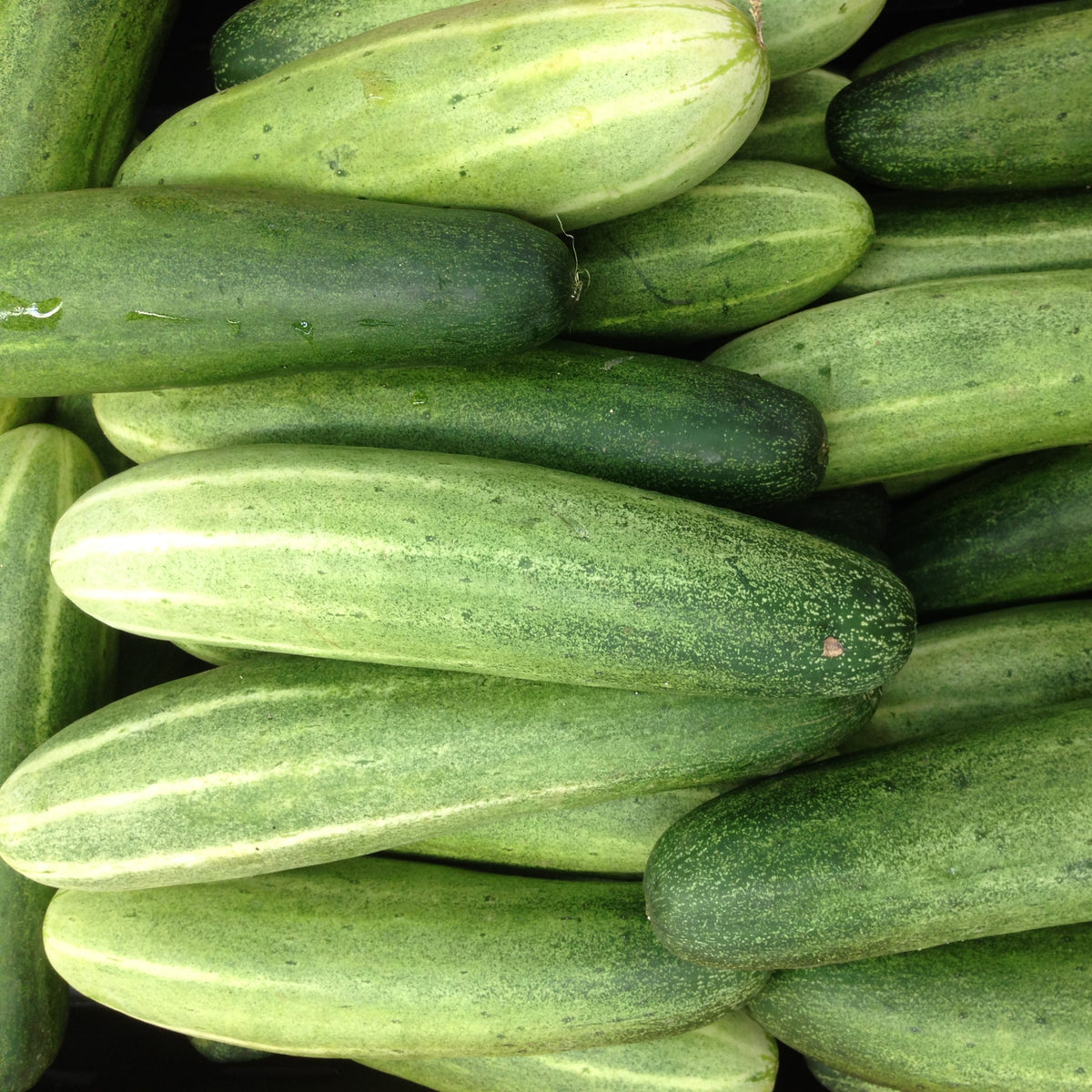
The 'Diva' cucumber, winner of the prestigious "All-America Selection" award in 2002, is a remarkably productive parthenocarpic variety. Its pale green, smooth-skinned, and spineless fruits are distinguished by their mild texture and delicate flavor, reminiscent of the Sweet Crunch. Popular in the Middle East, this cucumber is ideal for fresh salads or as a healthy snack. This variety reaches maturity 60 days after sowing. The packet contains 20 seeds to start your planting. This variety can set fruit without pollination thanks to its parthenocarpy; this trait is advantageous when insect activity is low or when the crop is grown in protected conditions.
- Quantity
- 20 seeds
- Exposure
- Sun
- Life cycle
- Annual plant in cultivation in Quebec
Discover the plant
Common nameCucumber
FamilyCucurbitaceae
GenusCucumber
Speciessativus
CultivarDiva
TypeUntreated
Botanical nameCucumis sativus
Cucumber 'Diva' (Cucumis sativus) – offered by the seed company WH Perron
The 'Diva' cucumber, winner of the prestigious "All-America Selection" award in 2002, is a remarkably productive parthenocarpic variety. Its pale green fruits, with smooth, thornless skin, are distinguished by their soft texture and delicate flavor, reminiscent of Sweet Crunch. Popular in the Middle East, this cucumber is ideal for fresh salads or as a healthy snack.
Spread : Varies depending on conditions
Plant height : Varies depending on conditions
Quantity per pack : Approximately 20 seeds
Maturity (days) : 60
Fruit dimensions : 20 x 6 cm
Flowering type : Parthenocarpic
Formulation : Untreated
Companion plants : Dill, broccoli, chamomile, celery, kohlrabi, chives, cumin, fennel, bean, lettuce, marjoram, okra, oregano, peas, radish
Enemy plants : Swiss chard, mint, sage, rosemary, rue, savory, tomato, zucchini
Sow directly into the ground when the risk of frost has passed and the soil is well warmed, or start indoors 2 to 3 weeks before transplanting. Plant 1.5 to 2 cm deep, spacing plants 60 cm apart in the row and rows 90 cm apart.
This cucumber prefers rich, loose, well-drained soil with full sun exposure. Maintain consistent moisture and avoid overwatering to promote vigorous growth. Combine with companion plants such as dill or radish to improve crop health and deter pests, while avoiding enemy plants such as tomatoes or mint.
Harvest the fruits when they reach their optimum size of 20cm to enjoy their fresh, sweet flavour. Perfect for summer dishes or snacks, the 'Diva' cucumber is a must-have addition to any vegetable garden, combining productivity, flavour and elegance.

Sowing guide
It all startswith a seed.
Sowing depth
2 cm (0.8 in)
Spacing / density
Sow five to six seeds in mounds in full sun and space them 1.5 m to 3 m apart in all directions. Sow five to six seeds in mounds in full sun and space them 1.5 m to 3 m apart in all directions.
Germination temperature
16 °C (60.8 °F)
Sowing period
Start seeds indoors at least 3 weeks before transplanting them into the garden.
Propagation
Sowing
Growing method
The sowing schedule for this variety is as follows: sow indoors at least 3 weeks before transplanting them to the garden. For this variety, respect this sowing depth: 2 cm (0.8 in). To plant this variety, first choose a location that corresponds to its exposure: sun. They require light, well-drained soil. When planning the layout, allow for spacing that varies according to spreading conditions for each plant of this variety. When planting this variety, the spacing to use is to place five to six seeds in mounds in full sun and space them 1.5 m to 3 m apart in all directions. Before transplanting, water the soil well. It is advisable to use dark mulch to protect the seeds and increase soil temperature. Cucumbers and gherkins are climbing plants that grow well on a trellis if you have limited space, or on the ground if you want straighter fruit.
Soil and care
The right care,at the right time.
Watering
Its pale green fruits, with smooth, thornless skin, stand out for their soft texture and delicate flavor, reminiscent of the Sweet Crunch. Maintain constant humidity and avoid overwatering to promote vigorous growth. To plant this variety, first choose a location that matches its light requirements: sun. They require light, well-drained soil.
Soil type
This cucumber prefers rich, loose, and well-drained soil with a full sun exposure. To plant this variety, first choose a location that matches its sun requirements. They require light, well-drained soil. For this variety, prepare fertile soil before planting, then adjust nutrients based on flowering and fruit development; a very leafy plant does not automatically justify more fertilizer.
Fertilization
For this variety, prepare fertile soil before planting, then adjust applications for flowering and fruit development; a very leafy plant does not automatically justify more fertilizer. To establish this variety, first choose a location that matches its exposure requirements: sun. They require light, well-drained soil. Before transplanting, water the soil well.
Seasonal care
Maintain constant humidity and avoid overwatering to promote vigorous growth. Harvest the fruits when they reach their optimal size of 20 cm to enjoy their fresh, sweet flavor. Water the soil well before transplanting. It is advisable to use dark mulch to protect the seeds and increase soil temperature. Cucumbers and gherkins are climbing plants that grow well on a trellis if you have limited space, or on the ground if you prefer a straighter fruit. The sowing calendar for this variety is as follows: sow indoors at least 3 weeks before transplanting them into the garden. For this variety, observe this sowing depth: 2 cm (0.8 in). For this variety, prepare fertile soil before planting, then adjust applications during flowering and fruit enlargement; a very leafy plant does not automatically justify more fertilizer. Begin monitoring the harvest of this variety approaching 60 days after sowing; check for the desired color, firmness, and size for picking. The open habit of this variety makes the fruits more visible and simplifies handling; cut the stem with a clean tool to maintain this open structure throughout the harvests.
Container growing
A garden,within reach.
Recommended pot size
19 L (5 US gal) minimum per plant; more for a large specimen
The foliage of this variety occupies approximately: variable depending on conditions; leave this amount of space around the container rather than crowding several plants against its edge. Place the container for this variety in this exposure: sun, checking the light received throughout the day. The sowing calendar for this variety is prepared as follows: sow indoors at least 3 weeks before transplanting them to the garden. For this variety, observe this sowing depth: 2 cm (0.8 in). To plant this variety, first choose a location corresponding to its exposure: sun. They require light, well-drained soil. Before transplanting, water the soil well. It is advisable to use dark mulch to protect the seeds and increase the soil temperature. Cucumbers and gherkins are climbing plants that grow well on a trellis if you have limited space or on the ground if you prefer straighter fruit. The packet contains 20 seeds to start your planting. This variety can set fruit without pollination thanks to its parthenocarpy; this trait is beneficial when insect activity is low or the crop is protected.

Bloom and dimensions
Its place,in your garden.
Width / spread
Varies depending on conditions
Fruiting
Its pale green fruits, with smooth, spineless skin, are distinguished by their soft texture and delicate flavor, reminiscent of the Sweet Crunch. Harvest the fruits when they reach their optimal size of 20 cm to enjoy their fresh, sweet flavor. Start monitoring this variety for harvest as you approach 60 days after sowing; check for the desired color, firmness, and size for picking.
Days to maturity
60 days after sowing
Harvest
Harvest the fruits at the stage appropriate to the variety by cutting their stem with a clean tool. For zucchinis and cucumbers, frequent harvesting allows you to enjoy tender fruits.
Garden associations
In goodcompany.
Companion plants
When planning the planting, allow for variable spacing depending on the spreading conditions for each plant of this variety. When planting this variety, the spacing to use is to place five to six seeds in mounds in full sun and space them 1.5 m to 3 m apart in all directions. To set up this variety, first choose a location corresponding to its exposure: sun.
Recipe idea
From the gardento your plate.
Edible parts
Fruits
Recipe idea for your 'Diva' cucumber harvest: make a cucumber yogurt salad. After washing the fruit, slice it into thin half-moons; remove the central seeds only if they are developed and affect the texture. Mix plain yogurt with lemon juice, chopped dill, and a little garlic. Add the cucumber just before serving and toss gently. A bit of thinly sliced red onion adds contrast. To serve with flatbreads, keep the sauce fairly thick; for a vegetable platter, add a spoonful of water to better distribute the dressing. Serve well chilled, with cooked chickpeas or grilled vegetables. Young cucumbers are well-suited for preparations where crunch is key. If the fruit releases a lot of water, drain the slices before adding the sauce so it remains creamy. A thicker cut retains more bite; thin slices create a softer garnish.
Frequently asked questions
Your questions,answered.
When should I start 'Diva' cucumber seeds?
The sowing schedule for this variety is as follows: sow indoors at least 3 weeks before transplanting to the garden. For this variety, observe this sowing depth: 2 cm (0.8 in). Sow cucumbers in individual containers if starting them under cover. Their roots establish better when the root ball remains intact during transplanting. Do not let young plants stay in small pots for too long. Place them outside in warmed soil, then protect them from the wind while they get established. For direct sowing, mark the locations so you can weed without disturbing the young roots.
When to harvest 'Diva' cucumbers?
Start observing the harvest of this variety as you approach 60 days after sowing; check for the desired color, firmness, and size for picking. The open habit of this variety makes the fruits more visible and simplifies harvesting; cut the stem with a clean tool to maintain this open structure throughout the harvest season. Slicing cucumbers should be harvested at 15 – 20 cm in length and pickling cucumbers at 2.5 – 7 cm. This variety reaches maturity 60 days after sowing. Before transplanting, water the soil well.
Which location is suitable for 'Diva' cucumber?
To plant this variety, first choose a location that matches its sun exposure requirements. They require light, well-drained soil. When planning the planting layout, allow for a variable amount of space depending on the conditions for each plant of this variety. When planting this variety, the spacing to use is to place five to six seeds in mounds in full sun and space them 1.5 m to 3 m apart in all directions. The foliage of this variety occupies approximately a variable amount of space depending on conditions; leave this width available around the container instead of crowding multiple plants against its edge.
How should I water 'Diva' cucumbers during their growth?
Before transplanting, water the soil well. It is advisable to use dark mulch to protect the seeds and increase soil temperature. Cucumbers and gherkins are climbing plants that grow well on a trellis if you have limited space, or on the ground if you prefer straighter fruit. To plant this variety, first choose a location that matches its sun exposure requirements. They require light, well-drained soil. Cucumbers develop rapidly once the heat sets in. Check for fruit hidden under the leaves so as not to let a forgotten one grow too large.
What care should be given to 'Diva' cucumbers throughout the season?
Before transplanting, water the soil well. It is advisable to use dark mulch to protect the seeds and increase soil temperature. Cucumbers and gherkins are climbing plants that grow well on a trellis if you have limited space, or on the ground if you prefer straighter fruit. The sowing calendar for this variety is as follows: sow indoors at least 3 weeks before transplanting to the garden. For this variety, observe this sowing depth: 2 cm (0.8 in). Begin monitoring this variety for harvest as you approach 60 days after sowing; then check for the desired color, firmness, and size for picking.
For a great start to your seeds
The right extras.Right here.
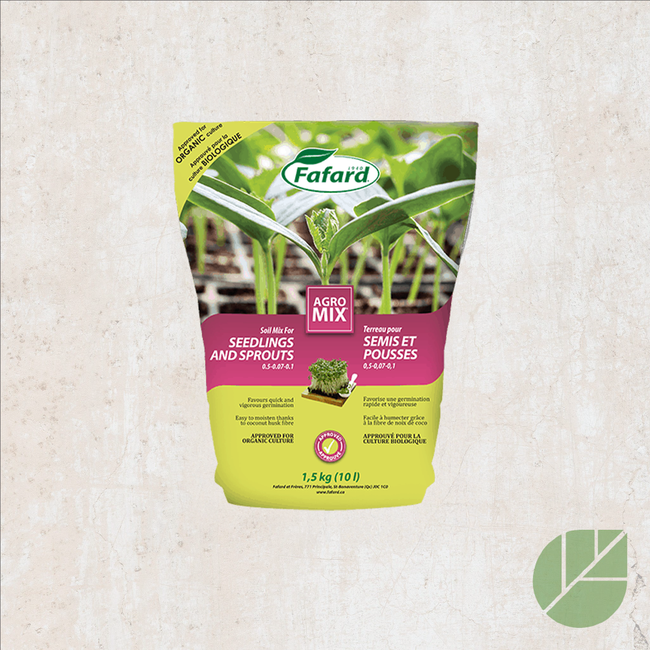
Seed Starting Soil
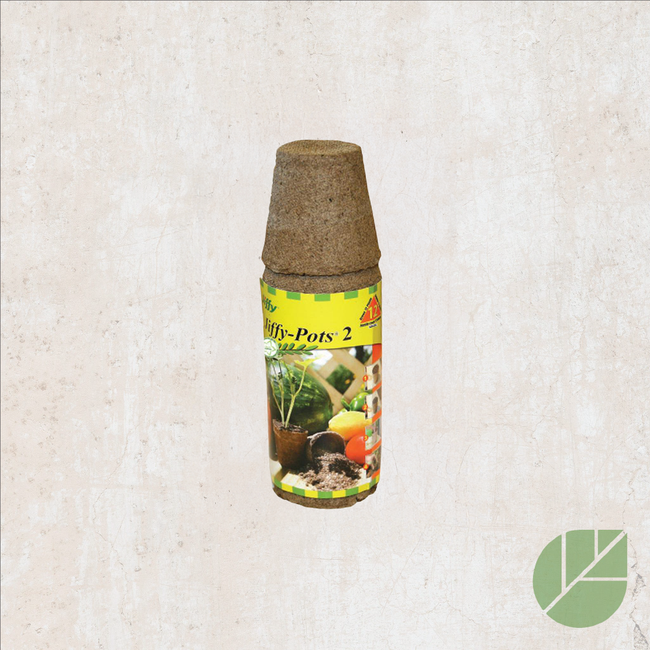
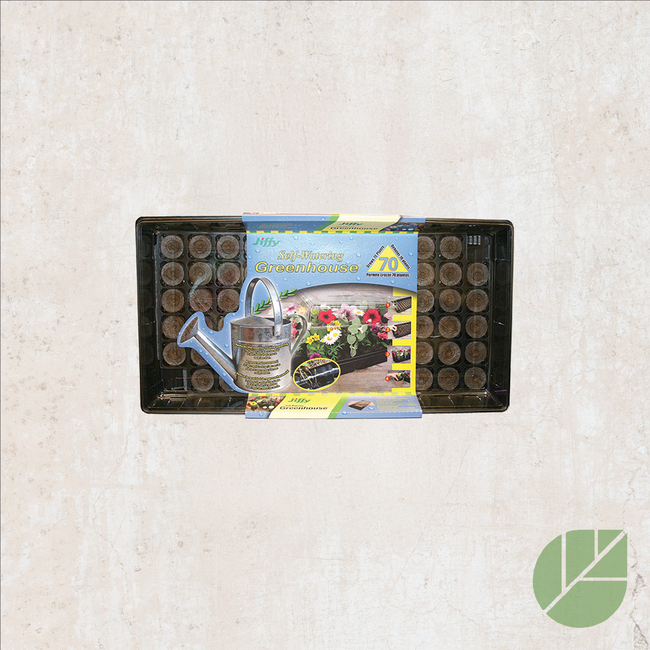
Shop the collectionSeed starting supplies
Shop the collection