Sale
Sold out

Untreated
Cucurbitaceae
Cucumber Lisboa Parthenocarpic F1
Cucumis sativus
Product code : NOR-GR06
The 'Lisboa Parthenocarpic F1' cucumber is an early variety ideal for slicing cucumber enthusiasts. Its seedless internal cavity makes it particularly easy to digest. This parthenocarpic type does not require pollination to produce fruit, which promotes an impressive yield, with up to two fruits per internode. To maintain its purity, it must be grown in isolation from other cucumber varieties. This variety reaches maturity 50 days after sowing. The packet contains 10 seeds to start your planting. This variety can set fruit without pollination thanks to its parthenocarpy; this trait is advantageous when insect activity is low or when the crop is grown under protection.
- Quantity
- 10 seeds
- Exposure
- Sun
- Life cycle
- Annual in cultivation in Quebec
Discover the plant
Common nameCucumber
FamilyCucurbitaceae
GenusCucumis
Speciessativum
CultivarLisbon Parthenocarpic
TypeUntreated
Botanical nameCucumis sativus
'Lisboa Parthenocarpic' F1 Cucumber (Cucumis sativus). The 'Lisboa Parthenocarpic F1' cucumber is an early variety ideal for fresh-eating cucumber enthusiasts. Its seedless internal cavity makes it particularly easy to digest. This parthenocarpic type does not require pollination to produce fruit, which promotes an impressive yield, with up to two fruits per internode. To maintain its purity, it must be grown in isolation from other cucumber varieties. For the 'Lisboa Parthenocarpic' F1 cucumber, the maturity of this variety is 50 days after sowing.
For the 'Lisboa Parthenocarpic' F1 cucumber, the sowing schedule for this variety is as follows: indoors, 3 to 4 weeks before the last frost. For the 'Lisboa Parthenocarpic' F1 cucumber, for this variety, observe this sowing depth: 2 cm (0.8 in). For the 'Lisboa Parthenocarpic' F1 cucumber, sow the cucumbers in individual containers if starting them indoors. For the 'Lisboa Parthenocarpic' F1 cucumber, their roots establish better when the root ball remains intact during transplanting. For the 'Lisboa Parthenocarpic' F1 cucumber, do not let young plants sit in a small pot for too long.
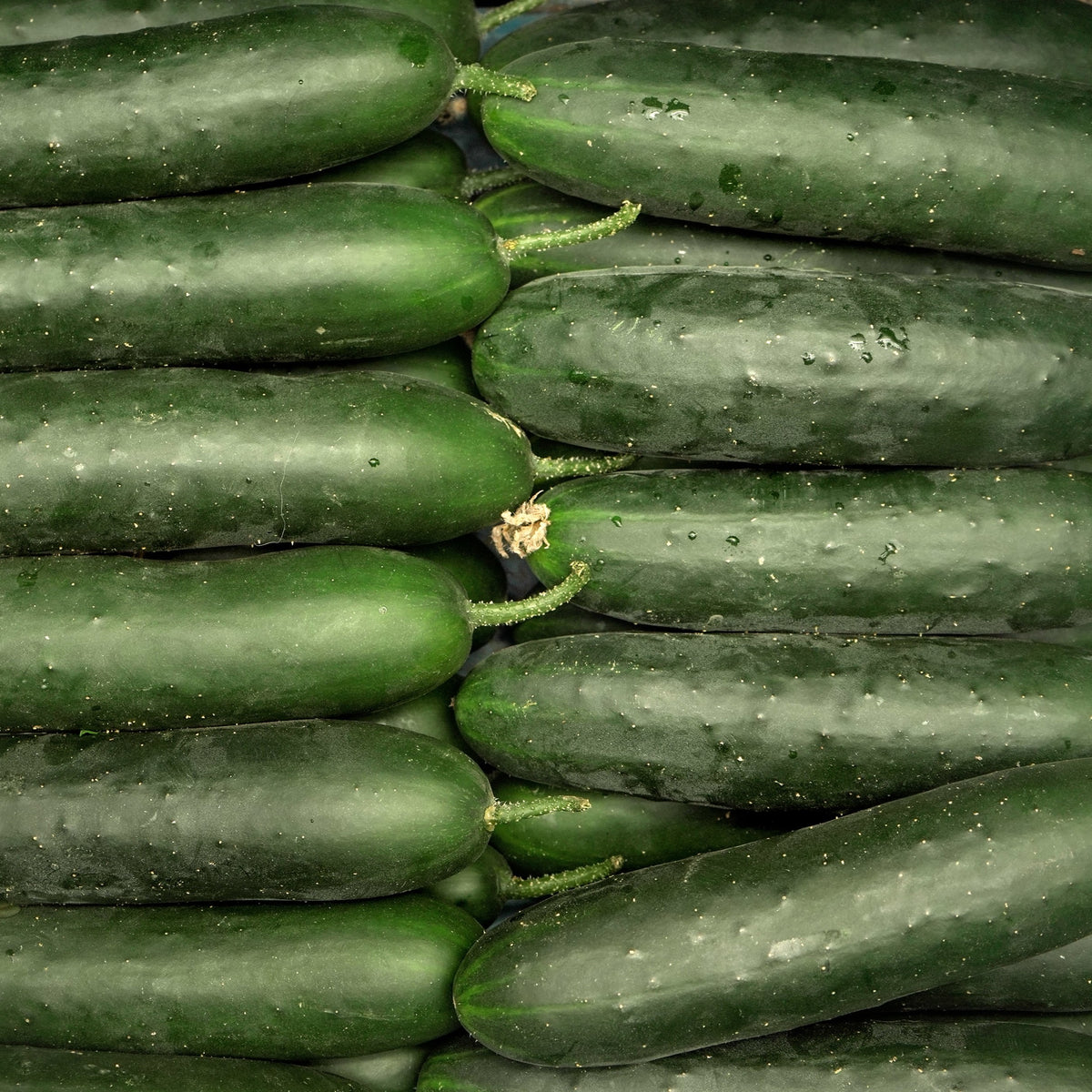
For uniform fruit and efficient space management, grow the plants on a trellis or vertical structure. Since Lisboa is a parthenocarpic variety, the fruits will not contain seeds, giving them a smoother texture and a mild, pleasant taste. Harvest the fruits when they reach their optimal size of 18 cm to preserve their crunch and flavor. Add the 'Lisboa Parthenocarpic F1' cucumber to your vegetable garden for an abundant and tasty harvest, ideal for fans of fresh, easily digestible vegetables.

Sowing guide
It all startswith a seed.
Sowing depth
2 cm (0.8 in)
Spacing / density
Place five to six seeds in mounds in full sun, spacing them 1.5 m to 3 m apart in all directions.
Germination temperature
16 °C (60.8 °F)
Sowing period
Indoors, 3 to 4 weeks before the last frost
Propagation
Sowing
Growing method
The sowing schedule for this variety is as follows: indoors, 3 to 4 weeks before the last frost. For this variety, observe the following sowing depth: 2 cm (0.8 in). To establish this variety, first choose a location that matches its exposure: sun. They require light, well-drained soil. When planting this variety, the spacing to use is to place five to six seeds in mounds in full sun and space them 1.5 m to 3 m apart in all directions. Before transplanting, water the soil well. It is advisable to use dark mulch to protect the seeds and increase soil temperature. Cucumbers and gherkins are climbing plants that grow well on a trellis if you have limited space, or on the ground if you prefer straighter fruit. Use fertile, light, well-drained soil and maintain constant moisture throughout cultivation.
Soil and care
The right care,at the right time.
Watering
Use fertile, light, well-drained soil, and maintain constant moisture throughout the growing season. To plant this variety, first choose a location that matches its sun exposure requirements. They require light, well-drained soil. Before transplanting, water the soil well. It is advisable to use dark mulch to protect the seeds and increase the soil temperature.
Soil type
Use fertile, light, well-drained soil and maintain constant moisture throughout the growing period. To plant this variety, first choose a location that matches its exposure requirements: sun. They require light, well-drained soil. For this variety, prepare fertile soil before planting, then adjust feeding for flowering and fruit development; a very leafy plant does not automatically justify more fertilizer.
Fertilization
For this variety, prepare fertile soil before planting, then adjust applications for flowering and fruit development; a very leafy plant does not automatically justify more fertilizer. To establish this variety, first choose a location that matches its exposure requirements: sun. They require light, well-drained soil. Before transplanting, water the soil well.
Seasonal care
Harvest the fruits when they reach their optimal size of 18 cm to preserve their crunch and flavor. Water the soil well before transplanting. It is advisable to use dark mulch to protect the seeds and increase the soil temperature. Cucumbers and gherkins are climbing plants that grow well on a trellis if you have limited space, or on the ground if you want straighter fruit. The sowing calendar for this variety is as follows: indoors, 3 to 4 weeks before the last frost. For this variety, observe the following sowing depth: 2 cm (0.8 in). For this variety, prepare fertile soil before planting, then adjust applications during flowering and fruit enlargement; a very leafy plant does not automatically justify more fertilizer. Begin monitoring for harvest of this variety as 50 days post-sowing approaches; then check for the desired color, firmness, and size for picking. Slicing cucumbers are harvested at 15–20 cm in length and gherkins at 2.5–7 cm. When planting this variety, the spacing to use is five to six seeds in mounds in full sun, spaced 1.5 m to 3 m apart in all directions.
Container growing
A garden,within reach.
Recommended pot size
19 L (5 US gal) minimum per plant; more for a larger specimen
Place the container for this variety in this exposure: sun, while checking the light received throughout the day. The sowing calendar for this variety is prepared as follows: indoors, 3 to 4 weeks before the last frost. For this variety, respect this sowing depth: 2 cm (0.8 in). To plant this variety, first choose a location corresponding to its exposure: sun. They require light, well-drained soil. Before transplanting, water the soil well. It is advisable to use dark mulch to protect the seeds and increase soil temperature. The cucumber and gherkin are climbing plants that grow well on a trellis if you have limited space, or on the ground if you prefer a straighter fruit. The packet contains 10 seeds to start your planting. This variety can set fruit without pollination thanks to its parthenocarpy; this trait is advantageous when insect activity is low or when the crop is protected. Use fertile, light, well-drained soil, and maintain constant moisture throughout the cultivation period. Harvest the fruits when they reach their optimal size of 18 cm to preserve their crunch and flavor.

Bloom and dimensions
Its place,in your garden.
Fruiting
This parthenocarpic type does not require pollination to produce fruit, which promotes an impressive yield of up to two fruits per node. For uniform fruit and efficient space management, grow the plants on a trellis or vertical structure. As Lisboa is a parthenocarpic variety, the fruit will be seedless, giving them a smoother texture and a mild, pleasant taste.
Days to maturity
50 days after sowing
Harvest
Harvest the fruits at the stage appropriate to the variety by cutting their stem with a clean tool. For zucchinis and cucumbers, frequent harvesting allows you to enjoy tender fruits.
Garden associations
In goodcompany.
Companion plants
When planting this variety, the recommended spacing is to place five to six seeds in mounds in full sun and space them 1.5 m to 3 m apart in all directions. To plant this variety, first choose a location that matches its sun exposure requirements. They require light, well-drained soil.
Recipe idea
From the gardento your plate.
Edible parts
Fruits
Recipe idea using your 'Lisboa Parthenocarpic' F1 cucumber harvest. Make a cucumber yogurt salad. After washing, slice the fruit into thin half-moons; remove the central seeds only if they are developed and affect the texture. Mix plain yogurt with lemon juice, chopped dill, and a little garlic. Add the cucumber just before serving and toss gently. A bit of thinly sliced red onion adds contrast. To accompany flatbreads, keep the sauce fairly thick; for a vegetable platter, add a spoonful of water to better distribute the dressing. Serve chilled, with cooked chickpeas or grilled vegetables. Young cucumbers are well-suited for preparations where crunch is important. If the fruit releases a lot of water, drain the slices before adding the sauce so it remains creamy. A thicker cut retains more bite; thin strips make for a softer garnish.
Frequently asked questions
Your questions,answered.
When should I start sowing 'Lisboa Parthenocarpic' F1 cucumber seeds?
The sowing schedule for this variety is as follows: indoors, 3 to 4 weeks before the last frost. For this variety, observe this sowing depth: 2 cm (0.8 in). Sow the cucumbers in individual containers if you start them under cover. Their roots establish better when the root ball remains intact during transplantation. Do not leave the seedlings in a small pot for too long. Plant them outside in warmed soil, then protect them from the wind while they establish. If direct sowing, mark the spots so you can weed without disturbing the young roots. Cucumbers develop rapidly once the heat sets in.
When should I harvest 'Lisboa Parthenocarpic' F1 cucumbers?
Start observing the harvest of this variety as you approach 50 days after sowing; check for the desired color, firmness, and size for picking. Slicing cucumbers should be harvested at 15 – 20 cm in length and pickling cucumbers at 2.5 – 7 cm. This variety matures 50 days after sowing. Before transplanting, water the soil well. It is advisable to use dark mulch to protect the seeds and increase the soil temperature. Cucumbers and gherkins are climbing plants that grow well on a trellis if you have limited space or on the ground if you prefer a straighter fruit.
Which location is suitable for Cucumber 'Lisboa Parthenocarpic' F1?
To plant this variety, first choose a location that matches its sun exposure requirements. They require light, well-drained soil. When planting this variety, space them by placing five to six seeds in mounds in full sun, spaced 1.5 m to 3 m apart in all directions. Place the container for this variety in a sunny location, checking the amount of light received throughout the day.
How should I water 'Lisboa Parthenocarpic' F1 cucumber during its growth?
Before transplanting, water the soil well. It is advisable to use dark mulch to protect the seeds and increase soil temperature. Cucumbers and gherkins are climbing plants that grow well on a trellis if you have limited space, or on the ground if you prefer straighter fruit. To plant this variety, first choose a location that matches its sun exposure requirements. They require light, well-drained soil. Cucumbers develop rapidly once the heat sets in. Check for fruit hidden under the leaves so as not to let a forgotten one grow too large.
What care does the 'Lisboa Parthenocarpic' F1 cucumber require throughout the season?
Before transplanting, water the soil well. It is advisable to use dark mulch to protect the seeds and increase the soil temperature. Cucumbers and gherkins are climbing plants that grow well on a trellis if you have limited space, or on the ground if you prefer straighter fruit. The sowing calendar for this variety is as follows: indoors, 3 to 4 weeks before the last frost. For this variety, observe this sowing depth: 2 cm (0.8 in). Begin monitoring the harvest of this variety as it approaches 50 days after sowing; then check for the desired color, firmness, and size for picking.
For a great start to your seeds
The right extras.Right here.
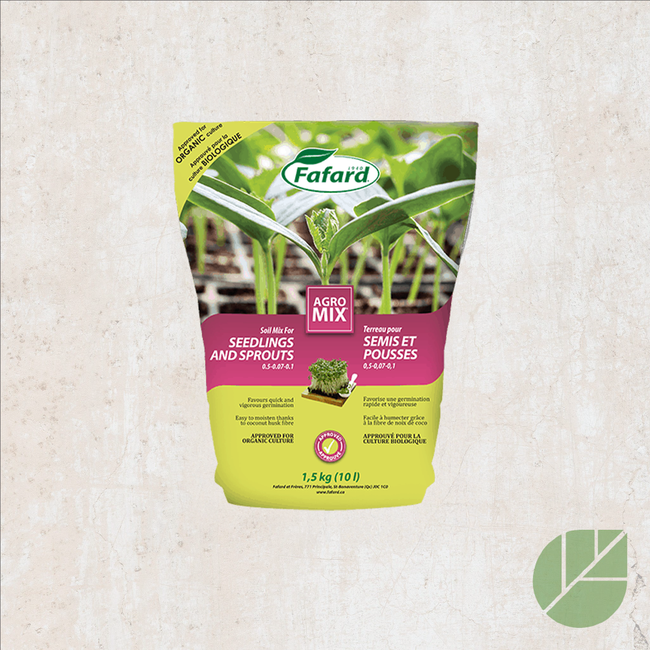
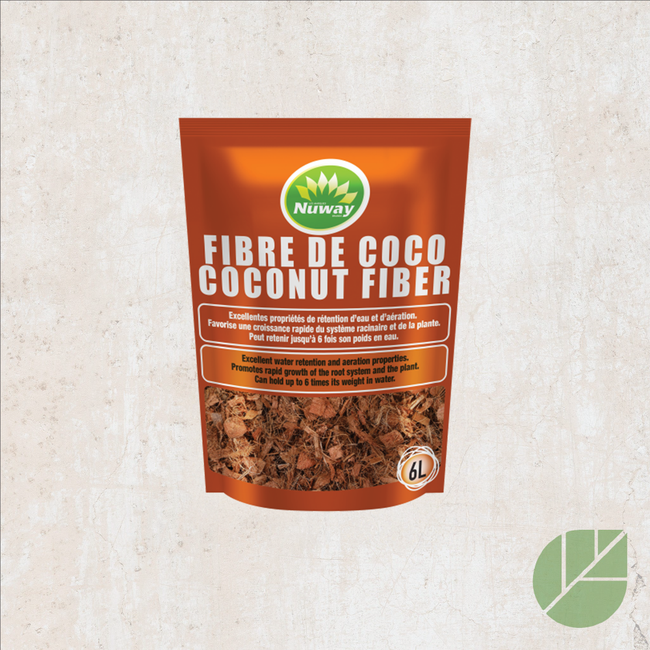
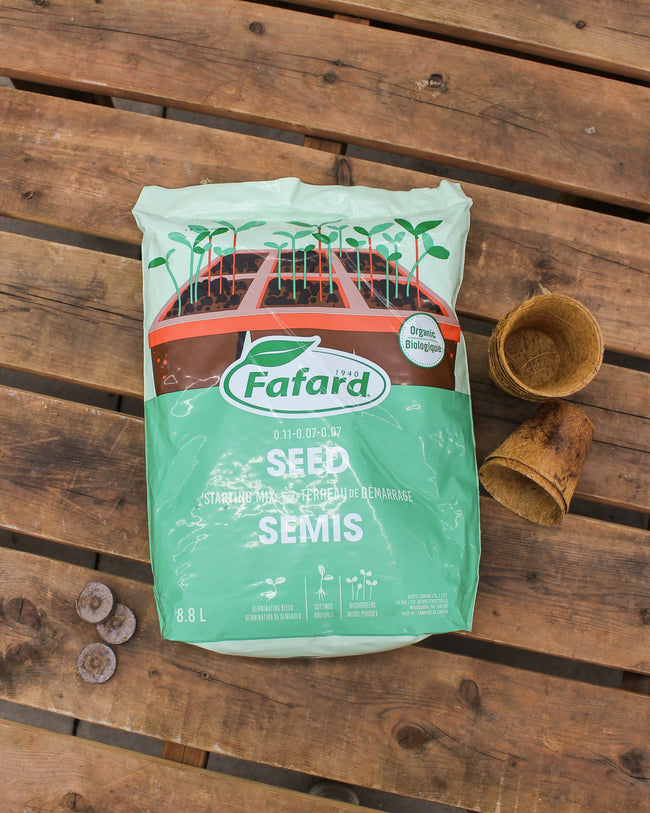
Seed Starting Soil
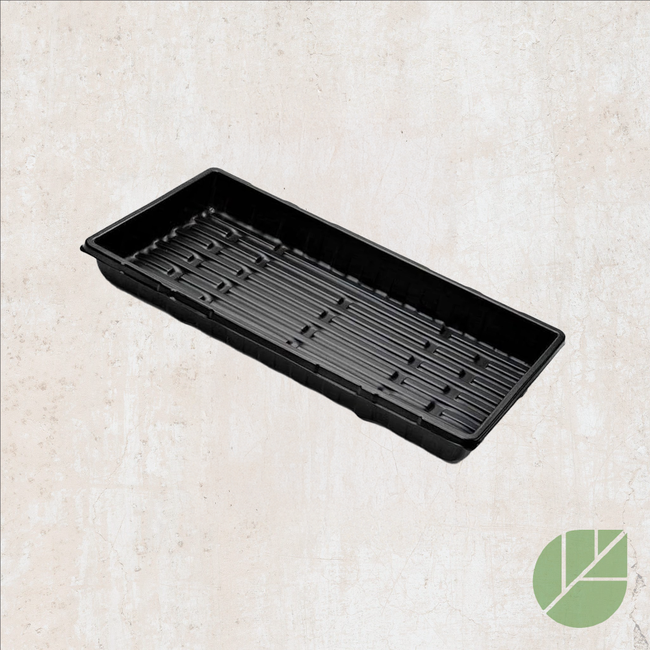
Shop the collectionSeed starting supplies
Shop the collection