Sale
Sold out

Processed
Amaryllidaceae
Chive Discs (3 discs)
Chives
Product code : NOR-GR01
WH Perron chive seed discs offer a simple and practical way to grow this fine herb, a culinary essential. Each disc contains approximately 100 seeds, perfect for producing a generous clump of fresh chives, ideal for garnishing salads, potatoes, or hot dishes. The pack contains 3 seed discs to get your planting started. Rows of onions and leeks are suitable for areas of the vegetable garden where you can work without walking between the plants. Their vertical silhouette can border a more sprawling crop, provided the foliage is kept in the light. Identify the bunching varieties and those grown for bulbs to choose the right harvest stage.
- Quantity
- 3 seed discs
- Exposure
- Sun
- Life cycle
- Annual
Discover the plant
Common nameChive Discs
FamilyAmaryllidaceae
GenusGarlic
Specieschives
CultivarChives
TypeProcessed
Botanical nameChives
Chive Discs (Allium schoenoprasum). WH Perron's chive discs offer a simple and convenient way to grow this fine herb, essential in the kitchen. Each disc contains approximately 100 seeds, perfect for obtaining a generous clump of fresh chives, ideal for garnishing salads, potatoes, or hot dishes. For Chive Discs, the packet contains 3 seed discs to start your planting. For Chive Discs, rows of onions and leeks are suitable for areas of the vegetable garden where one can work without walking between the plants.
For Chive Discs, keep onion, leek, or shallot seedlings clearly identified, as their young foliage looks similar. For Chive Discs, sufficient light and regular moisture support the growth of the seedlings. For Chive Discs, transplant delicately when the type of crop requires it, without crushing the base of the leaves. For Chive Discs, in the garden, prepare a surface that is easy to weed: these narrow plants cover little ground at the beginning of their development. For Chive Discs, to establish this variety, first choose a location corresponding to its light requirements: sun.
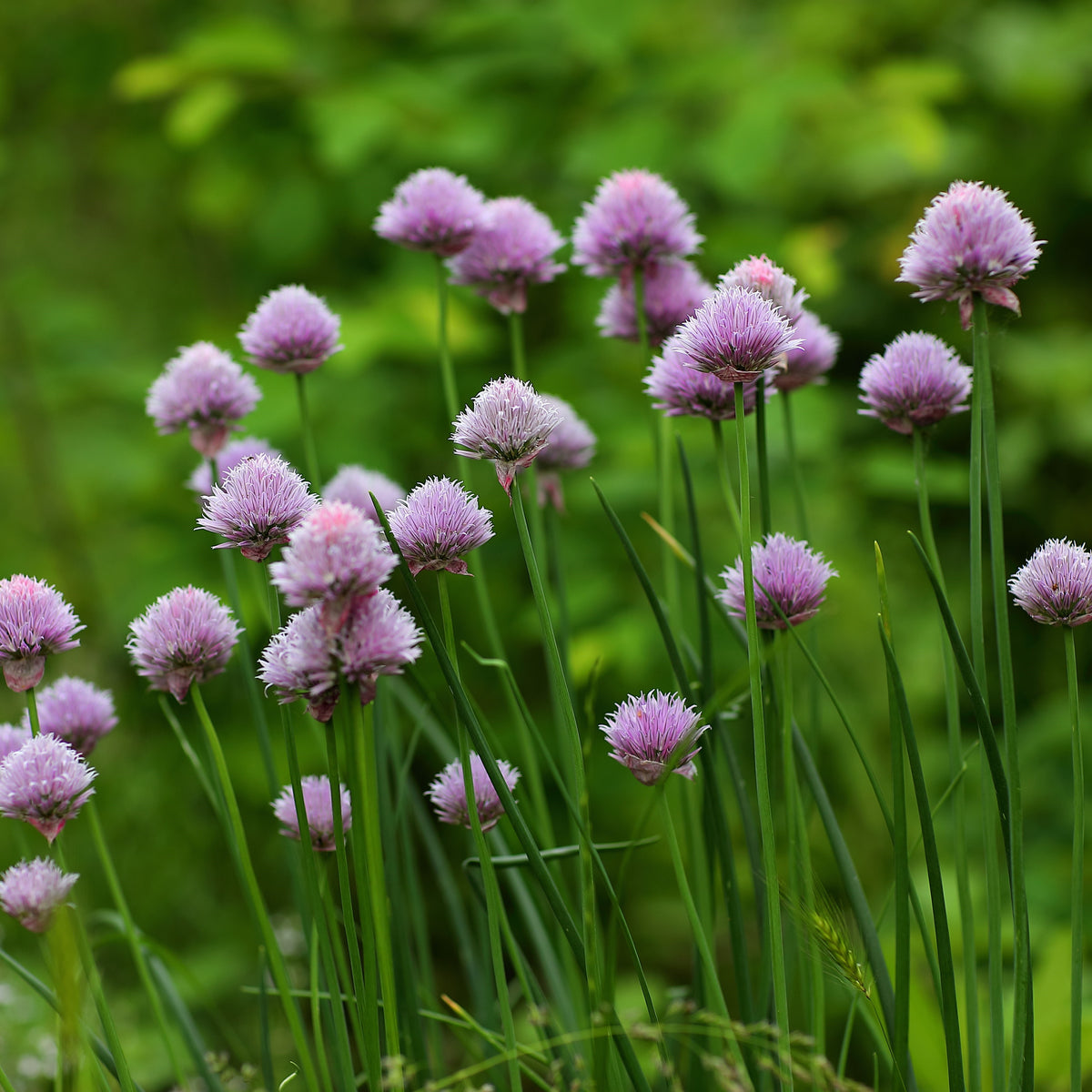
Position the pot in a sunny spot or under artificial light. Once well-developed, it can be harvested by cutting the stems near the base, which will promote rapid new growth. For Chive Discs, if you are using the chives only for culinary purposes and not ornamental ones, prune the flowers as soon as they appear. For Chive Discs, cut the foliage almost to the ground about 4 times during the season to prevent the leaves from wilting. This pruning will also trigger the emergence of new leaves. Consume them fresh in sauces or for sprinkling on dishes.

Sowing guide
It all startswith a seed.
Spacing / density
A container larger than 10 cm in diameter.
Propagation
Sowing
Growing method
To plant this variety, first choose a location that matches its exposure: sun. Well-drained, porous seed-starting soil is ideal for preventing overwatering. When planting this variety, keep a spacing of at least one container more than 10 cm in diameter. Chives should only be watered once the surface of the substrate has dried out well. Once well-established in the ground, they only need assistance during periods of drought and extreme heat. In pots, remember to water more frequently. Place a seed disc on the surface of the soil, then cover it with a thin layer of vermiculite or potting soil. Chives like slightly moist soil, so water regularly without excess. Keep onion, leek, or shallot seedlings clearly labeled, as their young foliage looks similar. Sufficient light and consistent moisture support the growth of the seedlings. Transplant delicately when the type of crop requires it, without crushing the base of the leaves. In the garden, prepare an area that is easy to weed: these narrow plants cover little of the soil at the beginning of their development.
Soil and care
The right care,at the right time.
Watering
Place a seed disc on the surface of the potting soil, then cover it with a thin layer of vermiculite or potting soil. Chives like slightly moist soil, so water regularly but not excessively. To establish this variety, first choose a location that matches its light requirements: sun. Well-drained, porous seed-starting soil is ideal to prevent overwatering.
Soil type
Place a seed disc on the surface of the potting soil, then cover it with a thin layer of vermiculite or potting soil. To plant this variety, first choose a location that matches its sun exposure requirements: sun. Well-drained, porous seed-starting soil is ideal for preventing overwatering. Chives like slightly moist soil, so water regularly without overdoing it.
Fertilization
To plant this variety, first choose a location that matches its sun exposure requirements. A well-drained, porous seed-starting mix is ideal for preventing overwatering. Chives should only be watered once the surface of the soil has dried out completely. Once well-established in open ground, they only require assistance during periods of drought and extreme heat.
Seasonal care
Chives like slightly moist soil, so water regularly without overdoing it. Chives should only be watered once the surface of the substrate has dried out well. Once well established in the ground, they only need help during droughts and periods of extreme heat. In pots, remember to water more often. If you use chives only for culinary purposes and not for ornamental ones, trim the flowers as soon as they appear. Cut the foliage back almost to the base about 4 times per season to prevent the leaves from wilting. This pruning will also trigger the growth of new leaves. Consume them fresh in sauces or sprinkled on dishes. To store chives, wash the leaves and then dry them with a tea towel. Then place them in a freezer bag on which you have written the name of the plant and the date of harvest. Place in the freezer and use them as needed. The plant will keep for nearly a year without any issues. When planting this variety, the spacing to keep in mind is a container more than 10 cm in diameter. A container more than 10 cm in diameter. Place a seed disc on the surface of the potting soil, then cover it with a thin layer of vermiculite or potting soil. Chive Disc (Allium schoenoprasum) – Offered by seed company WH Perron. WH Perron chive discs offer a simple and practical way to grow this fine herb, an essential in the kitchen.
Container growing
A garden,within reach.
Recommended pot size
One plant per drained container, with room for its mature size.
Place the pot in a sunny location or under artificial light. Position the container for this variety in a sunny spot, monitoring the light it receives throughout the day. To plant this variety, first choose a location that corresponds to its sun exposure needs. A well-drained, porous seed-starting mix is ideal for preventing overwatering. Chives should only be watered once the surface of the substrate has dried out thoroughly. Once well established in the ground, they only require assistance during periods of drought or extreme heat. If kept in a pot, remember to water more frequently. The packet contains 3 seed discs to start your planting. Place a seed disc on the surface of the soil, then cover it with a thin layer of vermiculite or potting mix. Chives prefer slightly moist soil, so water regularly but without excess. Alliums should be placed in a container based on which part is being harvested. Leaves or young shoots allow for frequent picking, while bulbs need their permanent space to grow. Space the plants evenly and keep the soil loose. For Chives Discs, keep the identified packet to track cultivar-specific information throughout the season.

Bloom and dimensions
Its place,in your garden.
Harvest
Harvest aromatic parts as needed without completely stripping the plant. Use a clean tool for a neat cut.
Garden associations
In goodcompany.
Companion plants
When planting this variety, the spacing to use is a container more than 10 cm in diameter. A container more than 10 cm in diameter. To set up this variety, first choose a location that corresponds to its exposure: sun. A well-drained and porous seed-starting mix is ideal to prevent overwatering. Place a seed disc on the surface of the soil, then cover it with a thin layer of vermiculite or potting mix. Onion and leek rows are suitable for areas of the vegetable garden where one can work without walking between the plants.
Recipe idea
From the gardento your plate.
Edible parts
Aromatic leaves
Recipe idea for your chive harvest. Prepare a pan-fried dish of onions or leeks to accompany your meal. Remove the dry parts and roots, then rinse the edible parts thoroughly, especially between the leek leaves. Thinly slice and cook over low heat with a little oil. Stir regularly and add a little water if the bottom begins to stick. Continue until the pieces are tender. Then incorporate the mixture into rice, an omelet, or cooked vegetables. Taste before adjusting the seasoning and adapt the quantities to the number of people at the table. Serve the dish with bread, rice, or another simple side that allows the harvested vegetable to shine. Prepare small portions to enjoy the freshness of your harvest. Use a clean cutting board, remove any damaged parts, and rinse the harvest before starting.
Frequently asked questions
Your questions,answered.
What location is suitable for Chive Discs?
To plant this variety, first choose a location that matches its sun exposure requirements. A well-drained, porous seed-starting soil is ideal for preventing overwatering. When planting this variety, ensure the spacing is at least a container with a diameter of more than 10 cm. A container of more than 10 cm in diameter. Place the container for this variety in the designated sun exposure, checking the light it receives throughout the day. Rows of onions and leeks are suitable for vegetable garden areas where you can work without walking between the plants. Their vertical silhouette can border a more sprawling crop, provided that the foliage remains exposed to the light.
How to water Chive Discs while they are growing?
Chives should only be watered once the surface of the substrate has dried out well. Once well-established in open ground, they only need assistance during periods of drought and extreme heat. In pots, remember to water more frequently. To plant this variety, first choose a location that matches its sun exposure requirements. A well-drained, porous seed-starting mix is ideal to prevent overwatering. Weed regularly around the alliums by working the soil only shallowly. The fine foliage does not quickly protect the soil from competition. Observe the part you wish to harvest: tender stalks, aromatic leaves, or mature bulbs.
What care should be given to Chive Discs throughout the season?
Chives should only be watered once the surface of the soil has dried out well. Once established in open ground, they only require assistance during periods of drought and extreme heat. In pots, remember to water more frequently. If you are using chives only for culinary purposes and not as an ornamental plant, prune the flowers as soon as they appear. Cut the foliage back almost to the base about four times per season to prevent the leaves from wilting. This pruning will also stimulate the growth of new leaves. Consume them fresh in sauces or sprinkled over dishes. To store chives, wash the leaves and then dry them with a kitchen towel.
How to use the Chive Discs harvest?
If you use chives only for culinary purposes and not for ornamental ones, trim the flowers as soon as they appear. Cut the foliage back almost to the base about 4 times per season to prevent the leaves from wilting. This pruning will also encourage the growth of new leaves. Consume them fresh in sauces or sprinkled over dishes. To store chives, wash the leaves and then dry them with a tea towel. Then, place them in a freezer bag on which you have written the name of the plant and the harvest date. Place in the freezer and use them as needed.
When is the harvest ready?
Harvest the aromatic parts as needed without completely stripping the plant. Use a clean tool to ensure a clean cut. Rinse the harvest and dry it gently before preparation. Integrate this herb into an aromatic corner, a vegetable garden border, or a container suited to its growth. Keep the foliage within reach for quick picking. Its location must first meet its needs for light, drainage, and moisture. Harvest small amounts of foliage at a time while keeping enough stems to allow for regrowth. Cut with clean scissors and remove any damaged leaves before use.
For a great start to your seeds
The right extras.Right here.
Seed Starting Soil
Shop the collectionSeed starting supplies
Shop the collection