


Sale
Sold out

Processed
Fabaceae
Bush Bean 'Blue Lake'
Common bean
Product code : NOR-GR01
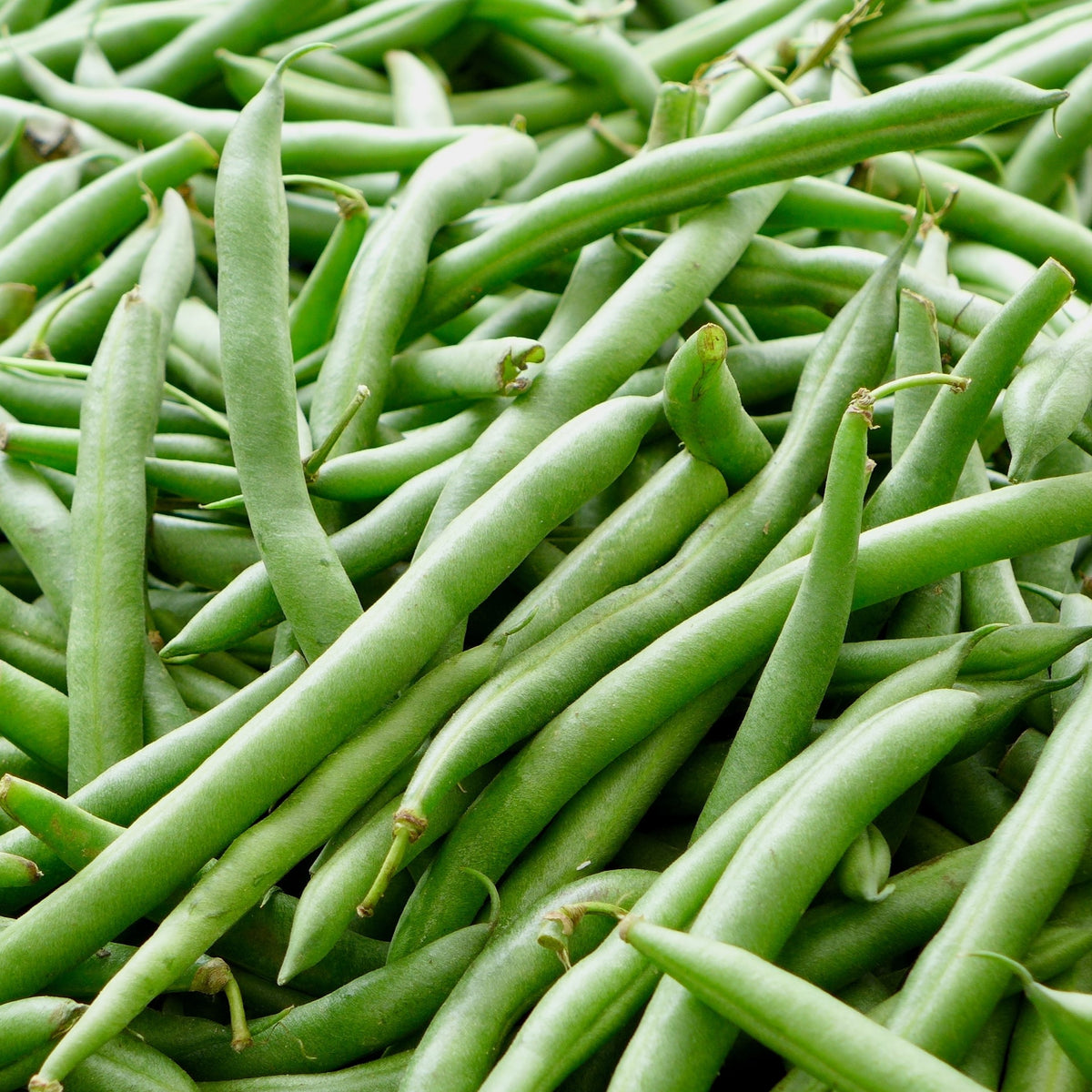
'Blue Lake' bush beans are versatile and delicious! These round, slightly bluish beans can be eaten fresh, canned, or frozen, allowing you to enjoy their flavor all year round. With their tender texture and medium size, they are perfect for the family vegetable garden and fit into a wide variety of dishes. This variety matures 60 days after sowing. The packet contains 70 seeds to start your planting. The compact habit of this variety makes it easy to integrate into small spaces: you can place the plants near a walkway to enjoy their details and tend to them easily.
- Quantity
- 70 seeds
- Exposure
- Sun
- Life cycle
- Annual vegetable crop
Discover the plant
Common nameDwarf bean
FamilyFabaceae
GenusKidney bean
Speciescommon
CultivarBlue Lake
TypeProcessed
Botanical nameCommon bean
'Blue Lake' Bush Bean (Phaseolus vulgaris). 'Blue Lake' bush beans are versatile and delicious! These round, slightly bluish beans can be eaten fresh, canned, or frozen, so you can enjoy their taste all year round. With their tender texture and medium size, they are perfect for the family vegetable garden and fit into a wide variety of dishes. For 'Blue Lake' bush bean, the maturity of this variety is 60 days after sowing. For 'Blue Lake' bush bean, the packet contains 70 seeds to start your planting. For 'Blue Lake' bush bean, the compact habit of this variety makes it easy to fit into tight spaces: you can place the planting near a walkway to enjoy it.
For 'Blue Lake' bush bean, the sowing schedule for this variety is prepared as follows: sow the beans from mid-May to the end of July, ensuring that the danger of ground frost has passed, as the seeds are fragile. For 'Blue Lake' bush bean, direct sowing of peas, fava beans, and green beans preserves their root system. For 'Blue Lake' bush bean, prepare the locations and supports for climbing varieties before emergence. For 'Blue Lake' bush bean, do not let the seeds sit in waterlogged soil.
Add 'Blue Lake' bush beans to your vegetable garden to enjoy generous harvests and a versatile vegetable that can be preserved in many ways! For 'Blue Lake' bush bean, start observing the harvest of this variety as it approaches 60 days after sowing; check for the desired color, firmness, and size for picking. For 'Blue Lake' bush bean, this variety has this characteristic at harvest: fruit shape — round. For 'Blue Lake' bush bean, harvest them regularly to encourage the production of new pods. For 'Blue Lake' bush bean, do not pick them after rain or early in the morning, as this would cause diseases.

Sowing guide
It all startswith a seed.
Spacing / density
8 cm between plants
Germination temperature
18 °C
Sowing period
Sow beans from mid-May to the end of July; ensure that the danger of ground frost has passed, as the seeds are fragile.
Propagation
Sowing
Growing method
The sowing calendar for this variety is as follows: sow the beans from mid-May to the end of July, ensuring that the danger of ground frost has passed, as the seeds are fragile. To establish this variety, first choose a location that matches its sun exposure requirements. It prefers light, well-drained soil. When planting this variety, space the plants 8 cm apart. Use this variety along the border of an accessible area; its compact silhouette is best appreciated when taller plants do not close in above it. Space the seeds 5 cm to 8 cm apart in rows spaced 50 cm apart. For a continuous harvest, sow every two weeks until July. Fertilize well without allowing the seeds to come into contact with concentrated fertilizer. Excess nitrogen will cause too much foliage and few pods. They require watering during dry weather and full sun exposure. Water regularly to maintain constant moisture, but avoid excess to prevent diseases. With their tender texture and medium size, they are perfect for the family vegetable garden and fit into a wide variety of dishes.
Soil and care
The right care,at the right time.
Watering
Water regularly to maintain constant moisture, but without excess to avoid disease. To plant this variety, first choose a location corresponding to its exposure: sun. It prefers light, well-drained soil. For a continuous harvest, sow every two weeks until July. Fertilize them well without allowing the seeds to come into contact with concentrated fertilizer.
Soil type
To plant this variety, first choose a location that matches its sun exposure requirements. It prefers light, well-drained soil. For this variety, prepared soil and regular watering are more beneficial than a succession of nitrogen-rich fertilizers; observe the formation of the pods before increasing nutrient applications. Water regularly to maintain constant moisture, but without excess to avoid diseases.
Fertilization
For this variety, prepared soil and regular watering are more useful than a succession of nitrogen-rich fertilizers; observe the formation of the pods before increasing applications. To establish this variety, first choose a location that matches its exposure requirements: sun. It prefers light, well-drained soil. For a continuous harvest, sow every two weeks until July.
Seasonal care
Water regularly to maintain constant moisture, but avoid excess to prevent disease. For a continuous harvest, sow every two weeks until July. Fertilize well without allowing seeds to come into contact with concentrated fertilizer. Excess nitrogen will cause excessive foliage and few pods. They require watering during dry weather and full sun. The sowing schedule for this variety is as follows: sow beans from mid-May to the end of July, ensuring the danger of ground frost has passed, as the seeds are fragile. For this variety, prepared soil and regular watering are more beneficial than successive applications of nitrogen-rich fertilizer; observe pod formation before increasing applications. Begin checking this variety for harvest around 60 days after sowing; then verify the color, firmness, and size desired for picking. This variety has the following harvest characteristic: fruit shape — round. Harvest them regularly to encourage the production of new pods. Do not pick them after rain or early in the morning, as this would cause disease. When planting this variety, use a spacing of 8 cm between plants. Use this variety along the edge of an accessible layout; its compact silhouette is best appreciated when taller plants do not enclose it from above.
Container growing
A garden,within reach.
Recommended pot size
One plant per drained container, with room for its mature size.
Place the container for this variety in a sunny location, monitoring the light received throughout the day. The sowing schedule for this variety is as follows: sow the beans from mid-May to the end of July, ensuring that the danger of ground frost has passed, as the seeds are delicate. To plant this variety, first choose a location that matches its exposure: sun. It prefers light, well-drained soil. For a continuous harvest, sow every two weeks until July. Fertilize well without allowing the seeds to come into contact with concentrated fertilizer. Excess nitrogen will cause excessive foliage and few pods. They require watering during dry weather and must be in full sun. The packet contains 70 seeds to start your planting. The compact growth habit of this variety makes it easy to integrate into small spaces: you can place the plants near a walkway to enjoy their details and tend to them easily. Water regularly to maintain constant moisture, but avoid excess to prevent disease. Growing peas or beans in pots should be planned according to the plant's growth habit.

Bloom and dimensions
Its place,in your garden.
Fruiting
The beans will reach maturity in 60 days and provide an abundant harvest of tender, flavorful pods. Add 'Blue Lake' bush beans to your vegetable garden to enjoy generous harvests and a versatile vegetable that can be preserved in many ways! Start monitoring the harvest of this variety as you approach 60 days after sowing; then check for the desired color, firmness, and size for picking.
Days to maturity
60 days after sowing
Harvest
Harvest at the stage indicated for the variety, whether as tender pods, fresh seeds, or dry seeds. Support the stem with one hand while picking.
Garden associations
In goodcompany.
Companion plants
When planting this variety, a spacing of 8 cm between plants should be maintained. Use this variety along the edge of an accessible area; its compact silhouette looks best when not overshadowed by taller plants. Space seeds 5 cm to 8 cm apart in rows spaced 50 cm apart. To plant this variety, first choose a location that matches its sun exposure requirements. It prefers light, well-drained soil. With their tender texture and medium size, they are perfect for the family vegetable garden and complement a wide variety of dishes.
Recipe idea
From the gardento your plate.
Edible parts
Pods or seeds depending on the harvest stage
Recipe idea for your 'Blue Lake' bush bean harvest. Prepare a side dish of cooked beans or peas. For edible-pod harvests, trim the ends and cook the pods until tender. For shelling or dry seed varieties, use seeds that have already been fully cooked according to their usual preparation. Drain, then toss with a little oil and chopped parsley. Add pieces of ripe tomato or a few diced sweet onions for varied textures. Serve the vegetables hot or warm. Taste before adjusting the seasoning and adapt the quantities to the number of people at the table. Serve the dish with bread, rice, or another simple side that leaves room for the harvested vegetable. Prepare small portions to enjoy the freshness of the harvest. Use a clean cutting board, remove any damaged parts, and rinse the produce before you begin.
Frequently asked questions
Your questions,answered.
When should I start sowing 'Blue Lake' bush beans?
The sowing schedule for this variety is as follows: sow the beans from mid-May to the end of July, ensuring the danger of ground frost has passed, as the seeds are fragile. Direct sowing of peas, fava beans, and beans preserves their root systems. Prepare the sites and supports for climbing varieties before emergence. Do not leave seeds in waterlogged soil. Label each row to distinguish between pod-harvested types and those intended for seeds. Thin out only when emergence shows real competition between the young plants.
How to make the most of 'Blue Lake' bush bean's habit in containers?
Place the container for this variety in a sunny location, checking the light it receives throughout the day. When planting this variety, use a spacing of 8 cm between plants. Use this variety along the border of an accessible area; its compact silhouette looks best when taller plants do not overhang it. Space seeds 5 cm to 8 cm apart in rows 50 cm apart. For a continuous harvest, sow every two weeks until July. Fertilize well without allowing the seeds to come into direct contact with concentrated fertilizer.
When to harvest 'Blue Lake' bush beans?
Begin observing the harvest of this variety as you approach 60 days after sowing; check for the desired color, firmness, and size for picking. This variety has the following characteristic at harvest: fruit shape — round. Harvest them regularly to encourage the production of new pods. They should not be picked after rain or early in the morning, as this would cause diseases. The maturity of this variety is 60 days after sowing. For a continuous harvest, sow every two weeks until July. Fertilize well without allowing the seeds to come into contact with concentrated fertilizer.
Which location is suitable for 'Blue Lake' bush beans?
To plant this variety, first choose a location that matches its exposure: sun. It prefers light, well-drained soil. When planting this variety, use a spacing of 8 cm between plants. Use this variety along the edge of an accessible area; its compact silhouette is best appreciated when taller plants do not close in over it. Space seeds 5 cm to 8 cm apart in rows spaced 50 cm apart. Place the container for this variety in this exposure: sun, checking the light received throughout the day. Organize legumes according to their growth habit.
How do you water 'Blue Lake' bush beans during their growth?
For a continuous harvest, sow every two weeks until July. Fertilize well without allowing the seeds to come into contact with concentrated fertilizer. Excess nitrogen will cause too much foliage and few pods. They require watering during dry weather and full sun. To plant this variety, first choose a location corresponding to its exposure: sun. It prefers light, well-drained soil. Pick the pods while supporting the stem with one hand so as not to tear the branches. Harvesting young requires frequent visits, while seeds intended for drying remain on the plant longer.
For a great start to your seeds
The right extras.Right here.
Seed Starting Soil
Shop the collectionSeed starting supplies
Shop the collection





