Sale
Sold out

Organic Bulgarian open-pollinated summer leek
Amaryllidaceae
Organic leek seeds
Organic summer ‘Alto’ leek (Allium ampeloprasum var. porrum ‘Alto’)
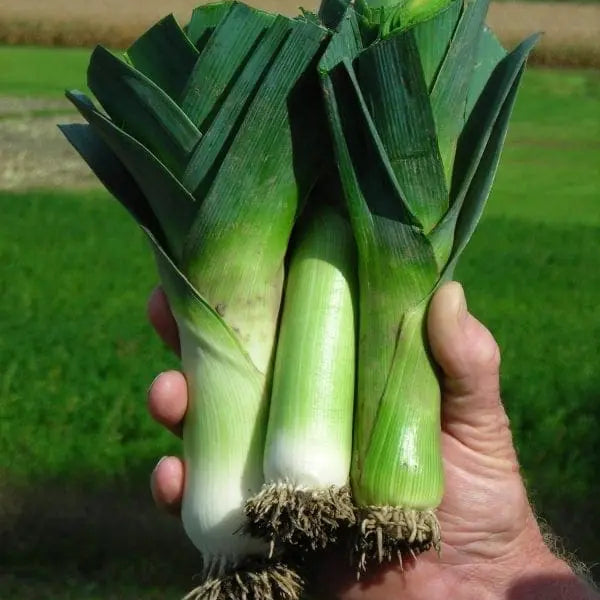
Alto is a fast organic Bulgarian open-pollinated summer leek with long slender uniform cylindrical white shanks and upright green foliage. Each packet provides approximately 100 seeds. Plants reach about 45–90 cm depending on conditions and produce near 75 days after transplanting. Close spacing gives fine baby leeks, while wider spacing allows shanks to thicken. Their mild, refined flavour supports progressive harvesting from the first summer leeks into early autumn. Its upright foliage keeps rows easy to maintain. Harvest firm shanks at the desired diameter before severe cold, then refrigerate promptly. This detail helps maintain a steady, healthy crop suited to actual garden conditions and a short Canadian growing season.
- Quantity
- Approximately 100 seeds
- Exposure
- Full sun
- Life cycle
- Biennial grown as an annual for its shank
Discover the plant
Common nameAlto Bulgarian summer leek
FamilyAmaryllidaceae
GenusAllium
Speciesampeloprasum
CultivarAlto
TypeOrganic Bulgarian open-pollinated summer leek
Botanical nameAllium ampeloprasum var. porrum ‘Alto’
Reproducible seedsYes
Organic summer ‘Alto’ leek (Allium ampeloprasum var. porrum ‘Alto’) is a fast, uniform, open-pollinated Bulgarian variety. It produces long, slender, cylindrical white shanks beneath upright, rigid, medium-green to blue-green foliage. Closely spaced plants can be harvested young as fine baby leeks, while wider spacing allows larger shanks to develop. Each packet contains approximately 100 organic seeds. Alto matures near 75 days after transplanting and is well suited to summer or early autumn harvests, including gardens with a relatively short growing season. Its narrow habit keeps rows accessible for routine care.
Sow indoors from February through April, approximately 1 cm deep, in light seed-starting mix kept evenly moist at 18–24°C. Germination generally takes 10–14 days. Provide abundant light afterward, then harden seedlings before transplanting them into full sun and deep, fertile, compost-rich, well-drained soil. Set plants in deep holes or furrows and gradually draw soil around the leaf sheaths as they grow. Consistent irrigation and organic mulch promote tender shanks and help prevent interrupted growth without leaving the root zone waterlogged. Weed carefully because leek roots remain relatively shallow each week.
Harvest when shanks reach the desired diameter, first loosening the soil with a fork to prevent breakage. Young leeks are excellent lightly cooked, while larger plants suit soups, quiches, stir-fries, braises, and gratins. Their flavour is mild and refined. Alto is a biennial plant normally grown as an annual vegetable; this summer variety is not selected for severe overwintering. If a few plants remain for a second year, they may produce pale rounded umbels visited by bees and other pollinating insects. Remove diseased debris and rotate Allium crops when the harvest is finished.

Sowing guide
It all startswith a seed.
Sowing depth
Approximately 0.5 to 1 cm (¼ to ⅜ in)
Spacing / density
Approximately 5 to 15 cm between plants according to desired size; 30 to 45 cm between rows
Germination temperature
18 to 24°C (64 to 75°F)
Germination time
Approximately 10 to 16 days
Sowing period
February through April indoors
Propagation
Indoor sowing followed by transplanting
Growing method
Sow 0.5–1 cm deep in fine mix February through April. Maintain 18–24°C and even moisture until emergence in 10–16 days, then provide strong light. Once plants are sturdy and approximately 15–20 cm tall, harden and transplant into full sun in deep holes or furrows. Space 5–15 cm according to desired size. Water deeply, keep soil cool, weed, and earth up gradually without dropping soil between leaves. Harvest near 75 days or earlier as baby leeks. Thin crowded seedlings and maintain good airflow. Lightly trim long leaves only if they flop, without injuring the growing point. Before planting out, harden seedlings for about one week by gradually increasing outdoor exposure. Transplant once sturdy, then allow watering to fill the planting holes little by little. Mulch after establishment, weed without injuring shallow roots, and monitor thrips, leek moth, allium leaf miner, and rust. Keep soil cool throughout shank thickening. Harvest the most crowded plants first, then give the remaining leeks additional room. Water deeply whenever the surface begins to dry, and stop earthing up before soil can enter the leaf heart. This detail helps maintain a steady, healthy crop suited to actual garden conditions and a short Canadian growing season.
Soil and care
The right care,at the right time.
Soil pH
Approximately 6.0 to 7.0
Care level
Moderate
Watering
Keep seed-starting mix evenly moist during germination, then maintain cool soil throughout growth. After transplanting water deeply so moisture reaches roots and repeat once the top two or three centimetres begin to dry. Leeks slow and toughen under drought while prolonged saturation promotes rot. Water at soil level in the morning, mulch once plants establish, and follow earthing-up with irrigation that gently settles soil. In containers check daily during heat without leaving standing water.
Soil type
Deep, loose, fertile, well-drained soil enriched with mature compost. Maintain even moisture without saturation and use a slightly acidic to neutral pH. Remove stones that can distort shanks. Plant in deep holes or furrows, then gradually draw soil around the sheaths without dropping it between leaves. Use a three- to four-year rotation where Allium disease has occurred. This detail helps maintain a steady, healthy crop suited to actual garden conditions and a short Canadian growing season.
Fertilization
Incorporate a generous amount of mature compost before planting because leeks grow for many weeks and require more nutrition than peas. Then use balanced organic fertilizer according to a soil test or label. Moderate nitrogen during growth may support foliage and shank thickening, but avoid heavy late applications that produce soft tissue and favour disease. Split inputs instead of applying everything at once, water after feeding, and never place concentrated product against roots or inside the leaf heart.
Moisture
Keep soil evenly moist throughout growth without prolonged saturation. Seed-starting mix should never dry completely during germination. After transplanting, mulch helps stabilize moisture and keep roots cool. Water at soil level in the morning so foliage dries quickly, provide enough spacing between plants, and avoid stagnant humid conditions that favour foliar disease. Container-grown leeks need more frequent checks during heat, but saucers should be emptied so roots never stand in water.
Seasonal care
In spring keep seedlings under strong light, lightly trim long leaves if they flop, and harden gradually. Transplant into deep holes, water, and weed regularly. In summer maintain cool soil, mulch, and earth up in small stages to blanch shanks. Monitor leek moth, allium leaf miner, thrips, rust, and rots. Harvest progressively; do not rely on Alto to survive a severe Quebec winter. In early autumn, continue harvesting before severe freezes and retain only healthy plants if second-year flowering is desired. After the final harvest, remove diseased debris rather than composting it. Clean tools and plan a three- to four-year rotation before placing leek, garlic, onion, or another Allium in the same bed. In winter, store harvested leeks under cold conditions without freezing and prepare the next sowing schedule. Inspect leaf bases and plant centres regularly so tunnels, discoloration, or unusual deposits are found early. Begin with integrated pest-management methods suited to the pest actually observed. Avoid late overhead watering and remove competing weeds before they become large. When earthing up, add only small amounts of clean soil so plants are neither smothered nor filled between the sheaths. This detail helps maintain a steady, healthy crop suited to actual garden conditions and a short Canadian growing season. This detail helps maintain a steady, healthy crop suited to actual garden conditions and a short Canadian growing season.
Container growing
A garden,within reach.
Recommended pot size
20 to 30 L (5 to 8 gal), deep container
Use a 20–30 L container at least 30–40 cm deep with numerous drainage holes. Fill it with stable compost-rich free-draining mix. Transplant young leeks into deep holes with leaves above the surface and space according to desired size. Gradually add a little soil around shanks to blanch them without dropping it into the heart. Place the container in full sun, maintain even moisture, and feed moderately. A deep box can provide a small crop of slender leeks on a balcony or patio. Limit plant numbers so air circulates and each shank can thicken. Rotate the container when light comes mainly from one direction. During hot periods, check moisture morning and evening because containers dry faster than garden soil. Add a thin mulch and apply balanced organic fertilizer in split doses. Raise the pot to keep drainage holes open and shelter it from rain that causes prolonged saturation. Harvest the most crowded plants first to give the others additional room. A heavy container resists wind as foliage grows taller. Near harvest, loosen the mix before pulling shanks to prevent breakage. Remove yellowing leaves, keep the plant centres clean, and harvest before a small container freezes solid.

Bloom and dimensions
Its place,in your garden.
Mature height
About 45 to 90 cm (18 to 36 in), depending on stage and conditions
Width / spread
About 5 to 15 cm (2 to 6 in.) depending on spacing
Flower color
Greenish white to pinkish depending on conditions
Foliage color
Medium green
Foliage type
Herbaceous, upright, and strap-like
Growth rate
Fast for a leek
Growth habit
Upright, cylindrical, and uniform
Bloom period
When a healthy Alto leek remains after its first season, it may produce a tall stalk the following year topped by a spherical umbel of many small pale flowers. This summer bloom provides forage for bees and other pollinating insects. To save reasonably true seed, isolate the variety from other flowering leeks and allow seed heads to mature and dry.
Fruiting
No harvested fruit; the culinary portion is the shank formed by leaf sheaths
Days to maturity
Approximately 75 days after transplanting
Harvest
Harvest from approximately 75 days after transplanting once shanks reach the desired diameter. For baby leeks begin earlier and progressively thin the row. In loose soil grasp low and pull gently; otherwise lift with a fork to avoid breaking the shank. Shake off soil, trim roots without cutting the base, and wash carefully between sheaths. Promptly keep sound leeks cool and discard any that are soft, slimy, rotten, or abnormal-smelling.
Garden associations
In goodcompany.
Companion plants
Plan for the placement of this variety in the flower bed, taking into account its height of approximately 45 to 90 cm (18 to 36 in), depending on the stage and conditions. When designing the planting, reserve approximately 5 to 15 cm (2 to 6 in) per plant of this variety, depending on the spreading spacing. When planting this variety, the spacing to use is approximately 5 to 15 cm between plants depending on the desired size; 30 to 45 cm between rows.
Recipe idea
From the gardento your plate.
Edible parts
White shank and tender leaves
Alto leeks vinaigrette, 4 servings — Prepare 8 baby Alto leeks, 30 ml olive oil, 15 ml apple cider vinegar, 5 ml mustard, one small chopped shallot, 15 ml fresh herbs, salt, and pepper. Trim roots and damaged portions, split the shanks slightly, and rinse carefully between leaf sheaths. Steam for 8–12 minutes until tender without falling apart. Whisk oil, vinegar, mustard, and shallot, then season. Drain the leeks thoroughly and spoon vinaigrette over them while still warm. Add herbs before serving with bread or salad. Refrigerate leftovers in a clean container within two hours of serving and eat them within three days. For a more substantial plate, add steamed potatoes or cooked eggs. Always confirm that the leeks are thoroughly clean and tender before serving. Keep the dressing refrigerated until use, use clean utensils, and discard food showing an unusual odour or texture. This detail helps maintain a steady, healthy crop suited to actual garden conditions and a short Canadian growing season.
Frequently asked questions
Your questions,answered.
Why is Alto called a summer leek?
Alto grows rapidly and reaches approximately 75 days after transplanting, allowing harvest in summer or early autumn. It forms more slender uniform cylindrical shanks than many overwintering types. Catalogues describe it as poorly suited to severe winters, so harvest within its production window rather than relying on long storage in a snow-covered garden. Its fast growth and cylindrical habit distinguish it from later types selected mainly for overwintering. Begin harvesting when shank diameter suits your kitchen. Maintain steady moisture and fertility, because interrupted growth can make the texture less tender and delay the intended summer harvest. This detail helps maintain a steady, healthy crop suited to actual garden conditions and a short Canadian growing season.
When should Alto be sown and transplanted in Quebec?
Sow indoors February through April, six to twelve weeks before planting. Place seed 0.5–1 cm deep, maintain 18–24°C, and keep mix moist; emergence takes approximately 10–16 days. Transplant in spring once plants are sturdy and hardened. Set them in deep holes or furrows in full sun, water, and gradually fill around shanks. Harden plants gradually for about one week before setting them out. A light cover can protect them from wind and intense sun for the first few days. Keep the root zone moist while new roots establish, but never leave it waterlogged. This detail helps maintain a steady, healthy crop suited to actual garden conditions and a short Canadian growing season.
How can a long white shank be produced?
Transplant into deep holes or furrows with foliage above soil. Do not immediately fill the entire cavity: let irrigation settle soil, then gradually draw clean soil around sheaths as growth proceeds. Avoid dropping it into the heart where it becomes trapped. Opaque mulch or clean collars may also exclude light without smothering the plant. Maintain steady growth afterward with fertile, cool soil. Blanching results from excluding light, not from washing or treating the leek after harvest. Add soil in several small stages and stop if the centre of the plant risks being filled. This detail helps maintain a steady, healthy crop suited to actual garden conditions and a short Canadian growing season.
When should Alto leek be harvested?
Begin near 75 days after transplanting or earlier for baby leeks. Harvest once shanks reach the diameter suited to your recipe, remain firm, and carry healthy foliage. Loosen soil with a fork before pulling to avoid breaking the base. Wash carefully between sheaths. Since Alto is not intended for severe overwintering, finish harvest before hard cold. Baby shanks can be removed to thin the row, allowing the remaining plants to continue thickening. Refrigerate harvested leeks promptly. Discard plants that are soft, slimy, rotten, or unusually odorous, and finish the main harvest before severe freezing damages this summer variety. This detail helps maintain a steady, healthy crop suited to actual garden conditions and a short Canadian growing season.
Is Alto disease resistant?
West Coast Seeds mentions good general tolerance to foliar diseases but names no specific resistance, so Alto should not be presented as immune. Rotate away from other Allium, space for airflow, water at soil level, and avoid prolonged wet foliage. Monitor rust, spots, rots, thrips, leek moth, and leaf miner, then promptly remove severely affected tissue. Healthy growth depends mainly on prevention and regular inspection. Use a treatment only after the problem has been identified and its label authorizes that use. Remove heavily affected tissue, sanitize tools, and avoid saving seed from plants showing serious disease symptoms. This detail helps maintain a steady, healthy crop suited to actual garden conditions and a short Canadian growing season.
For a great start to your seeds
The right extras.Right here.
Seed Starting Soil
Shop the collectionSeed starting supplies
Shop the collection