Sale
Sold out

Processed
Malvaceae
Okra Elisa F1
Abelmoschus esculentus
Product code : NOR-GR04
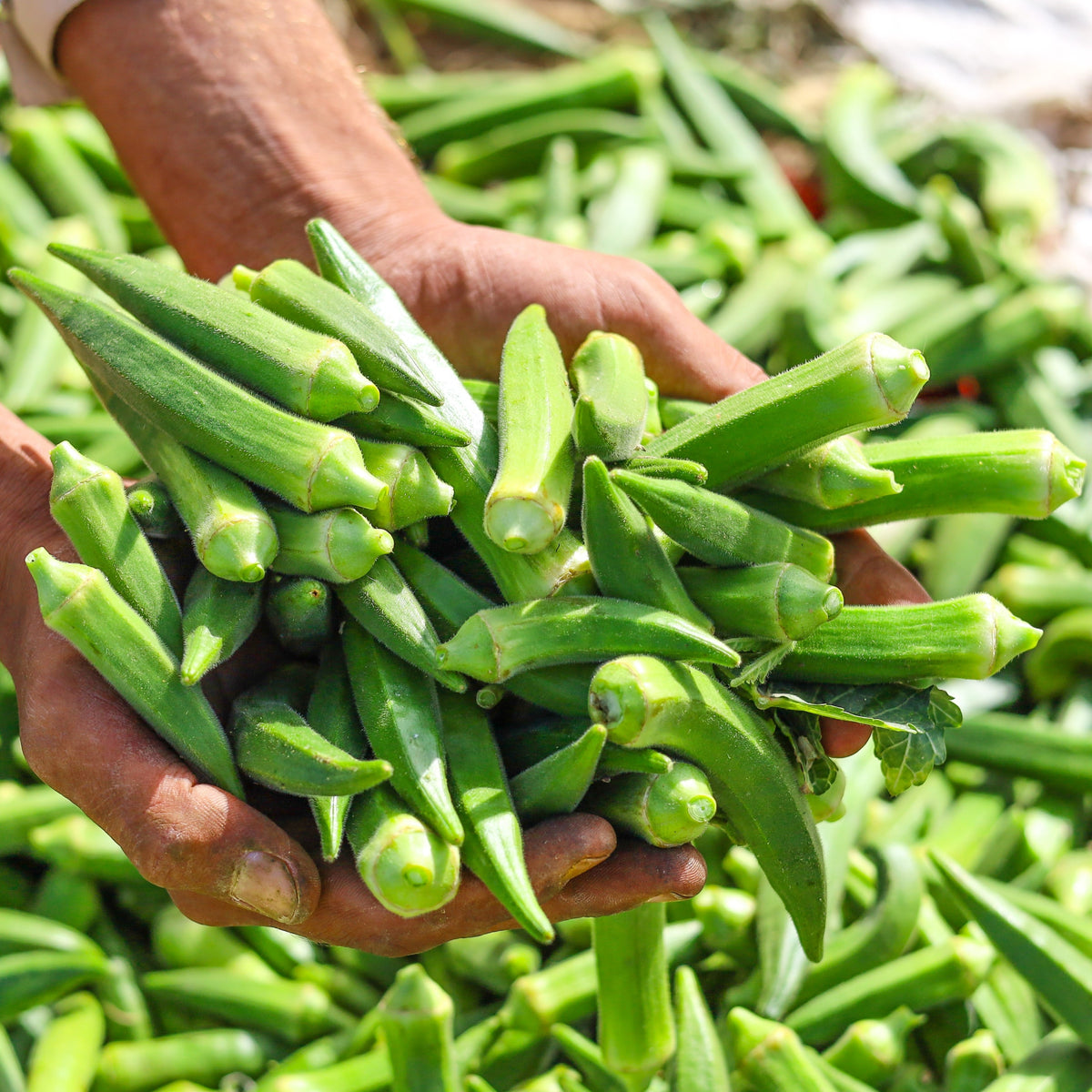
'Elisa F1' okra is a variety specially developed for northern climates. Early-maturing and highly productive, it produces 9 to 15 cm long pods that have very few seeds and remain tender without becoming fibrous. Ideal for okra lovers, this variety is perfect for vegetable gardens or growing in deep pots. This variety matures 58 days after transplanting. The packet contains 25 seeds to start your planting. Provide okra with a warm, bright spot where its foliage can remain unobstructed. Leave enough space between plants to access the pods without damaging the leaves.
- Quantity
- 25 seeds
- Exposure
- Sun
- Life cycle
- Annual crop for vegetable harvesting
Discover the plant
Common nameOkra Elisa F1
FamilyMalvaceae
GenusAbelmoschus
Speciesedible
CultivarElisa
TypeProcessed
Botanical nameAbelmoschus esculentus
Okra 'Elisa F1' ( Abelmoschus esculentus ), offered by the seed company WH Perron
Okra 'Elisa F1' is a variety specially designed for northern climates. Early and very productive, it produces fruits 9 to 15 cm long, with very few seeds and which remain tender without becoming fibrous. Ideal for okra lovers, this variety is perfect for vegetable gardens or growing in deep pots.
Maturity after transplant: 58 days
Quantity per pack: 25 seeds
Formulation: Treated
Latin name: Abelmoschus esculentus
Enemy plants: Tomatoes, eggplants, peppers
Companion plants: Basil, cucumber, melon, peas
Cultivation method:
Sow your seeds indoors 4 to 6 weeks before the last frost, in a warm spot with a temperature of 20 to 25°C. Transplant your seedlings into rich, well-drained soil once the soil has warmed and the risk of frost has passed. Space the plants about 12 to 18 inches apart. If growing in pots, use a container that is at least 20 to 24 inches deep. Maintain consistent moisture and harvest the fruit when it is 3 to 6 inches long to ensure tenderness.
Okra 'Elisa F1' is perfect for those who want to grow a tasty, robust variety that is well adapted to cooler regions. Enjoy its productivity throughout the summer season!

Sowing guide
It all startswith a seed.
Sowing depth
20 to 24 inches
Spacing / density
Transplant them in a sheltered spot, after the last frosts, spacing the plants 50 cm apart in all directions. transplant them in a sheltered spot, after the last frosts, spacing the plants 50 cm apart in all directions.
Sowing period
Indoors, 4 to 6 weeks before the last frost
Propagation
Sowing
Growing method
Transplant your seedlings into rich, well-drained soil once the soil has warmed up and the risk of frost has passed. The sowing schedule for this variety is as follows: indoors, 4 to 6 weeks before the last frost. For this variety, observe this sowing depth: 50 to 60 cm. To plant this variety, first choose a location corresponding to its exposure: sun. Rich in organic matter, drained, and deep. When planting this variety, the spacing to keep is: transplant them sheltered from the wind, after the last frosts, spacing the plants 50 cm apart in all directions. It is a hungry vegetable that likes rich soil, just like cucurbits. Okra requires a lot of water; be sure to keep the root ball moist at all times. Maintain constant humidity and harvest the fruits when they reach 9 to 15 cm to ensure their tenderness. Ideal for okra lovers, this variety is perfect for vegetable gardens or growing in deep pots. Okra requires heat to get a good start.
Soil and care
The right care,at the right time.
Watering
Maintain constant humidity and harvest the fruits when they reach 9 to 15 cm to ensure tenderness. To plant this variety, first choose a location that matches its sun exposure requirements. The soil should be rich in organic matter, well-drained, and deep. It is a nutrient-demanding vegetable that, like cucurbits, thrives in rich soil. Okra requires a lot of water; be sure to keep the root ball consistently moist.
Soil type
Transplant your seedlings into rich, well-drained soil once the ground has warmed and the risk of frost has passed. To establish this variety, first choose a location that matches its exposure: sun. Rich in organic matter, drained, and deep. Maintain constant moisture and harvest the fruits when they reach 9 to 15 cm to ensure their tenderness.
Fertilization
To plant this variety, first choose a location that matches its sun exposure requirements. The soil should be rich in organic matter, well-drained, and deep. It is a heavy feeder that loves rich soil, just like cucurbits. Okra requires a lot of water, so be sure to keep the root ball consistently moist. Transplant your seedlings into rich, well-drained soil once the ground has warmed up and the risk of frost has passed.
Seasonal care
It is a gourmet vegetable that loves rich soil, just like cucurbits. Okra requires a lot of water; be sure to keep its root ball consistently moist. The sowing calendar for this variety is as follows: indoors, 4 to 6 weeks before the last frost. For this variety, observe this sowing depth: 50 to 60 cm. Start checking for harvest readiness approximately 58 days after transplanting; look for the desired color, firmness, and size for picking. Harvest every two to three days. Do not hesitate to add it to salads, soups, and stews. When planting this variety, the spacing to keep is: transplant them in a sheltered spot away from the wind, after the last frosts, spacing the plants 50 cm apart in all directions. Transplant your seedlings into rich, well-drained soil once the ground has warmed up and the risk of frost has passed. Maintain consistent moisture and harvest the fruits when they reach 9 to 15 cm to ensure tenderness. Early and very productive, it produces fruits 9 to 15 cm long with very few seeds that remain tender without becoming fibrous. For Okra Elisa F1, keep the identified packet to track cultivar-specific data throughout the season.
Container growing
A garden,within reach.
Recommended pot size
One plant per drained container, with room for its mature size.
If you opt for container gardening, use a container at least 50 to 60 cm deep. Place the container for this variety in a sunny spot, checking the light received throughout the day. The sowing calendar for this variety is as follows: indoors, 4 to 6 weeks before the last frost. For this variety, observe this sowing depth: 50 to 60 cm. To establish this variety, first choose a location corresponding to its exposure: sun. Rich in organic matter, well-drained, and deep. It is a nutrient-demanding vegetable that enjoys rich soil, just like cucurbits. Okra requires a lot of water; be sure to keep its root ball consistently moist. The packet contains 25 seeds to start your planting. Transplant your seedlings into rich, well-drained soil once the ground has warmed up and the risk of frost has passed. Maintain constant moisture and harvest the pods when they reach 9 to 15 cm to ensure tenderness. For okra, choose a stable container capable of supporting an upright plant and its foliage. Place it in a warm location sheltered from strong gusts.

Bloom and dimensions
Its place,in your garden.
Fruiting
Early and highly productive, it produces fruits 9 to 15 cm long, with very few seeds, which remain tender without becoming fibrous. Maintain constant moisture and harvest the fruits when they reach 9 to 15 cm to ensure their tenderness. Begin monitoring this variety for harvest as it approaches 58 days after transplanting; check for the desired color, firmness, and size for picking.
Days to maturity
58 days post-transplant
Harvest
Start observing the harvest of this variety as it approaches 58 days after transplanting; then check for the color, firmness, and size desired for picking. Harvest every two to three days.
Garden associations
In goodcompany.
Companion plants
When planting this variety, transplant them in a sheltered spot away from the wind after the last frosts, spacing the plants 50 cm apart in all directions. To set up this variety, first choose a location that matches its sun exposure requirements. The soil should be rich in organic matter, well-drained, and deep. Ideal for okra lovers, this variety is perfect for vegetable gardens or growing in deep pots.
Recipe idea
From the gardento your plate.
Edible parts
Young tender pods
Recipe idea for your Elisa F1 okra harvest. Prepare a pan-fried okra with tomatoes. Choose young, tender pods, rinse them, and dry them thoroughly before cutting. Remove the stem without cutting into the seed cavity unnecessarily, then keep the small pods whole or cut the others into segments. Sauté an onion in a large pan with a little oil. Add the okra and let it brown slightly, then stir in diced ripe tomatoes and a touch of garlic. Continue cooking until the pods are tender. Their mucilage helps to thicken the tomato juice and gives the sauce a characteristic texture. Serve with rice and pre-cooked chickpeas for a plant-based meal. A fairly wide pan makes evaporation easier if you prefer a less liquid consistency. Stir gently to keep some pieces well-formed. Adjust the salt at the end and add fresh herbs just before bringing the dish to the table.
Frequently asked questions
Your questions,answered.
When to start Elisa F1 Okra seedlings?
The sowing calendar for this variety is as follows: indoors, 4 to 6 weeks before the last frost. For this variety, observe this sowing depth: 50 to 60 cm. Okra requires heat to get a good start. Prepare seedlings in individual pots and keep the roots intact when transplanting. Wait for mild nights and warmed soil before moving the crop outdoors. Provide bright light to the young plants to keep the stems sturdy. Gradual acclimatization reduces the shock between indoor conditions and the vegetable garden. Observe the flowers and then the young okra pods, which develop quickly when the weather is warm.
When to harvest Okra Elisa F1?
Start observing the harvest of this variety as it approaches 58 days after transplanting; check for the desired color, firmness, and size for picking. Harvest every two to three days. Do not hesitate to add it to salads, soups, and stews. This variety reaches maturity 58 days after transplanting. It is a heavy feeder that likes rich soil, much like cucurbits. Okra requires a lot of water; be sure to keep its root ball consistently moist. Observe the flowers and then the young okra pods, which develop quickly in warm weather. Harvest the pods while they are still tender, before they become fibrous.
What location suits Okra Elisa F1?
To plant this variety, first choose a location that matches its sun exposure needs. The soil should be rich in organic matter, well-drained, and deep. When planting this variety, space the plants 50 cm apart in all directions, sheltered from the wind, and after the last frosts. Place the container for this variety in a sunny spot, checking the light it receives throughout the day. Provide okra with a warm, bright location where its foliage will remain unobstructed.
How to water Okra Elisa F1 during growth?
It is a gourmet vegetable that loves rich soil, just like cucurbits. Okra requires a lot of water; be sure to keep its root ball consistently moist. To plant this variety, first choose a location that matches its sun exposure needs. It requires soil that is rich in organic matter, well-drained, and deep. Observe the flowers and then the young okra pods, which develop quickly in warm weather. Harvest the pods while they are still tender, before they become fibrous. Cut their stems with a clean tool instead of pulling on the plant. Wear gloves if the foliage irritates your skin. Frequent visits to the plant will allow you to harvest the fruits at the right stage and identify those that have grown past the desired size.
What care should be given to Okra Elisa F1 throughout the season?
It is a demanding vegetable that thrives in rich soil, much like cucurbits. Okra requires plenty of water, so be sure to keep the root ball consistently moist. The sowing schedule for this variety is as follows: indoors, 4 to 6 weeks before the last frost. For this variety, observe this planting depth: 50 to 60 cm. Begin monitoring for harvest approximately 58 days after transplanting; check for the desired color, firmness, and size for picking. Harvest every two to three days. Do not hesitate to add it to salads, soups, and stews.
For a great start to your seeds
The right extras.Right here.
Seed Starting Soil
Shop the collectionSeed starting supplies
Shop the collection