Sale
Sold out

Untreated
Apiaceae
'Astra' parsley
*Petroselinum* sp.
Product code : NOR-GR01
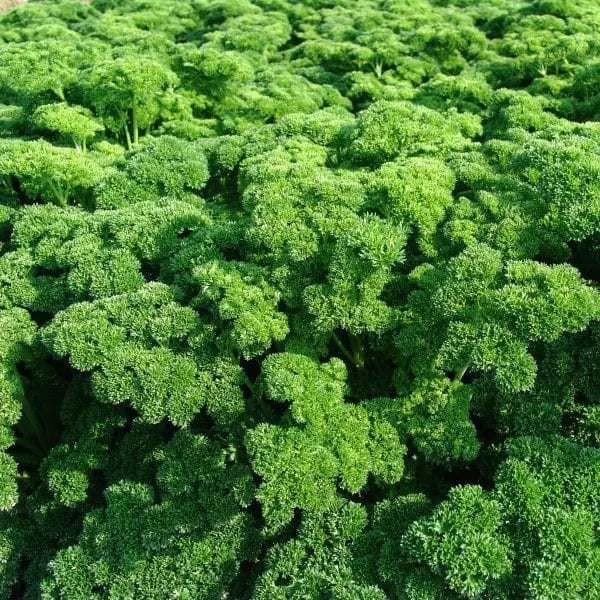
Astra parsley is a triple-curled parsley variety with very dark green foliage, designed to be grown and harvested all year round. Perfect for fresh consumption, drying, or freezing, it is ideal for enhancing the flavor of dishes. This variety reaches 25 to 40 cm (9.8 to 15.7 in). The packet contains 100 seeds to start your planting. A herb patch becomes more useful when placed near a walkway or the kitchen. Group species that share similar moisture needs, and leave space around the clumps. Labeled borders make it easy to quickly find the herb you need for a meal.
- Quantity
- 100 seeds
- Exposure
- Sun
- Life cycle
- Annual
Discover the plant
Common nameParsley
FamilyApiaceae
GenusParsley
Speciessp.
CultivarAstra
TypeUntreated
Botanical name*Petroselinum* sp.
'Astra' Parsley (Petroselinum sp.). Astra parsley is a triple-curled variety with very dark green foliage, designed to be grown and harvested all year round. Perfect for fresh, dried, or frozen consumption, it is ideal for enhancing the flavor of dishes. This variety reaches 25 to 40 cm (9.8 to 15.7 in). For 'Astra' Parsley, the packet contains 100 seeds to start your planting. For 'Astra' Parsley, an herb patch becomes more useful when placed near a path or the kitchen.
For 'Astra' Parsley, germination generally takes 3 weeks in soil maintained at 21°C. The sowing schedule for this variety is as follows: indoors, 1 to 2 weeks before the last frost. For 'Astra' Parsley, label the herbs as soon as they are sown to distinguish species whose first leaves look similar. For 'Astra' Parsley, transplant the young seedlings without crushing their crowns and gradually give them more space under the light. For 'Astra' Parsley, wait until the roots occupy their root ball before planting out.
This robust and flavorful variety promotes an abundant harvest of curled leaves, perfect for garnishing your dishes all year long. For 'Astra' Parsley, the leaves can be cut as needed throughout the year. For 'Astra' Parsley, it is best to pick the leaves one by one, rather than pulling up a multitude of stems or cutting several stems at once with scissors. For 'Astra' Parsley, avoid cutting a plant back completely while it is growing, as this will kill your plant. For 'Astra' Parsley, you will be able to harvest parsley throughout all seasons, but it is important to protect your parsley in winter with a cloche, for example, or by.

Sowing guide
It all startswith a seed.
Spacing / density
25 cm between plants
Germination temperature
21 °C
Germination time
3 weeks
Sowing period
Indoors, 1 to 2 weeks before the last frost
Propagation
Sowing
Growing method
Use a light, well-drained potting mix and maintain a constant temperature of 20°C (68°F) to promote rapid germination. Once the risk of frost has passed, transplant the young seedlings into the garden in rich, moist soil, in a position with partial shade or sun. Emergence generally takes 3 weeks in soil kept at 21°C (70°F). The sowing schedule for this variety is as follows: indoors, 1 to 2 weeks before the last frost. To plant this variety, first choose a location that matches its light requirements: sun. Indoors: a well-drained, porous seed-starting mix is ideal to prevent overwatering. Outdoors: While parsley can adapt to all types of soil, it is only productive in very fertile ground. It prefers light, cool, humus-rich soil. Fertilize the plants with a liquid fertilizer rich in nitrogen from seaweed or with nettle manure. Pot: Choose between using a universal potting mix or a specific mix for container gardening, which will be more optimized in nutrients. Plan for this variety's placement in the bed, taking into account its height of 25 to 40 cm (9.8 to 15.7 in).
Soil and care
The right care,at the right time.
Watering
Use a light, well-drained potting soil and maintain a constant temperature of 20°C to promote rapid germination. To establish this variety, first choose a location that matches its exposure: sun. Indoors: a well-drained and porous seed-starting mix is ideal to prevent overwatering. Outdoors: While parsley can adapt to any terrain, it is only productive in very fertile soil.
Soil type
Use a light, well-drained potting soil and maintain a constant temperature of 20°C to promote rapid germination. Once the risk of frost has passed, transplant the young seedlings into the garden in rich, moist soil in a semi-shaded or sunny location. To establish this variety, first choose a spot that matches its sun exposure requirements. Indoors: a well-drained, porous seed-starting mix is ideal to prevent overwatering.
Fertilization
To plant this variety, first choose a location that matches its sun exposure. Indoors: a well-drained and porous seed-starting soil is ideal to prevent overwatering. Outdoors: While parsley can adapt to all types of terrain, it is only productive in very fertile soil. It thrives in light, cool, and humus-rich earth. Fertilize the plants with a nitrogen-rich liquid seaweed fertilizer or stinging nettle manure.
Seasonal care
Parsley is an easy-to-maintain aromatic plant. Once established, it should grow almost all year round, but a few maintenance steps will allow you to prolong your harvest. Water during periods of intense heat or prolonged drought. Parsley is indeed sensitive to heat waves, which tend to make it turn yellow. Germination generally takes 3 weeks in soil kept at 21°C (70°F). The sowing calendar for this variety is as follows: indoors, 1 to 2 weeks before the last frost. The leaves can be cut as needed throughout the year. It is better to pick the leaves one by one rather than pulling out a multitude of stems or cutting several stems at once with scissors. Avoid shaving a plant completely while it is growing, as this will kill it. You can harvest parsley during all seasons, but it is important to protect your parsley in winter with a cloche, for example, or by placing it in an unheated greenhouse. Be sure to use the oldest leaves first. Parsley is used fresh, dried, or frozen and is a biennial herb grown as an annual. Plan the space for this variety in the garden bed by taking into account its height of 25 to 40 cm (9.8 to 15.7 in).
Container growing
A garden,within reach.
Recommended pot size
5 US gal (19 L) or more
The foliage of this variety occupies approximately 30 cm (11.8 in); leave this amount of space available around the container rather than crowding several plants against its edge. Place the container for this variety in this exposure: sun, while checking the light received throughout the day. Germination generally takes 3 weeks in soil maintained at 21 °C. The sowing calendar for this variety is prepared as follows: indoors, 1 to 2 weeks before the last frost. To install this variety, first choose a location corresponding to its exposure: sun. Indoors: a well-drained and porous seed-starting mix is ideal to prevent overwatering. Outdoors: While parsley adapts to all types of terrain, it is only productive in very fertile soil. It likes light, cool, and humus-rich soil. Fertilize the plants with a liquid fertilizer rich in nitrogen from seaweed or with nettle manure. Pot: Choose between using a universal potting mix or a specific potting soil for container gardening, which will be more optimized in nutrients. Parsley is an easy-to-maintain aromatic plant. Once well established, it should grow almost all year round, but a few maintenance steps will allow you to prolong its harvest.

Bloom and dimensions
Its place,in your garden.
Mature height
9.8 to 15.7 in (25 to 40 cm)
Width / spread
30 cm (11.8 in.)
Harvest
Harvest aromatic parts as needed without completely stripping the plant. Use a clean tool for a neat cut.
Garden associations
In goodcompany.
Companion plants
Plan for this variety's placement in the flower bed, keeping in mind its height of 25 to 40 cm (9.8 to 15.7 in). When designing the planting, allow for a 30 cm (11.8 in) spread for each plant of this variety. When planting this variety, the spacing to use is 25 cm between plants. Space them 10 cm apart in the row and 25 cm between rows. For balcony or patio cultivation, transplant into a container at least 25 cm in diameter.
Recipe idea
From the gardento your plate.
Edible parts
Aromatic leaves
Recipe idea for your 'Astra' parsley harvest. Prepare a herb butter to serve with hot vegetables. Let a small amount of butter soften, then incorporate finely chopped fresh leaves. Remove the tough stems before mincing the foliage and start with a small amount to gauge the aromatic intensity. Add a little lemon zest and pepper; salt only if the butter is unsalted. Mix with a fork, place in a small ramekin, and refrigerate to firm up. Melt a knob over hot potatoes, cooked corn, or roasted carrots just before serving. The amount of herbs can be adjusted according to the desired flavor: a small touch is often enough to start. The tender leaves should be chopped with a knife without being crushed for too long. Prepare a small portion of herb butter and keep it cold in a closed container. You can also freeze small knobs to add directly to hot vegetables.
Frequently asked questions
Your questions,answered.
When should I start sowing 'Astra' parsley?
Germination generally takes 3 weeks in potting soil kept at 21°C. The sowing schedule for this variety is as follows: indoors, 1 to 2 weeks before the last frost. Label the herbs as soon as they are sown to distinguish between species whose first leaves look alike. Transplant the seedlings without crushing their root collars and gradually give them more space under the light. Wait until the roots occupy their root ball before transplanting. A plant intended for regular harvesting benefits from being established before you begin taking a lot of foliage from it. Harvest small stems or a few leaves at a time, leaving the plant enough vegetation to continue its growth.
Which location is suitable for Parsley 'Astra'?
To plant this variety, first choose a location that matches its sun exposure. Indoors: a well-drained, porous seed-starting mix is ideal to prevent overwatering. Outdoors: While parsley adapts to all soil types, it is only productive in very fertile soil. It prefers light, cool, humus-rich soil. Fertilize plants with a nitrogen-rich liquid seaweed fertilizer or nettle manure. Pots: Choose between using a universal potting mix or a specific potting soil that is optimized with nutrients. Plan the space for this variety in the flowerbed, taking into account its height of 25 to 40 cm (9.8 to 15.7 in).
How should I water 'Astra' parsley during its growth?
Parsley is a low-maintenance aromatic herb. Once established, it should grow almost all year round, but a few maintenance steps will help you extend your harvest. Water during hot spells or prolonged dry periods. Parsley is sensitive to heat, which tends to make it turn yellow. To plant this variety, first choose a location that suits its exposure: sun. Indoors: a well-drained, porous potting soil for seedlings is ideal for preventing overwatering. Outdoors: While parsley can adapt to any soil, it is only productive in very fertile ground. For 'Astra' parsley, the instructions on the seed packet take priority if they specify a date, depth, or quantity.
How should 'Astra' parsley be cared for throughout the season?
Parsley is a low-maintenance aromatic plant. Once established, it should grow almost all year round, but a few maintenance steps will help you extend your harvest. Water during hot spells or prolonged drought, as parsley is sensitive to heat, which tends to make it turn yellow. Germination generally takes 3 weeks in potting soil kept at 21°C. The sowing schedule for this variety is as follows: indoors, 1 to 2 weeks before the last frost. The leaves can be cut as needed throughout the year.
How to use the 'Astra' parsley harvest?
Leaves can be harvested as needed throughout the year. It is better to pick the leaves one by one, rather than pulling out a multitude of stems or cutting several stems at once with scissors. Avoid cutting a plant down completely during its growth phase, as this will kill it. You can harvest parsley in all seasons, but it is important to protect it in winter with a cloche, for example, or to keep it in an unheated greenhouse. Be sure to use the oldest leaves first. Parsley is used fresh, dried, or frozen and is a biennial herb grown as an annual.
For a great start to your seeds
The right extras.Right here.
Seed Starting Soil
Shop the collectionSeed starting supplies
Shop the collection