Sale
Sold out

Bare seeds
Lamiaceae
Ornamental flowers seeds
Victoria™ Blue mealycup sage (Salvia farinacea)
Product code : 61-7548-010
Victoria™ Blue mealycup sage is a compact, well-branched and highly floriferous annual for summer gardens. It produces violet-blue spikes from June through September and is especially attractive to pollinators. Plants reach 45 to 60 cm tall and may spread approximately 45 cm. The packet contains approximately 50 bare seeds. Sow indoors six weeks before transplanting at approximately 24°C; germination takes 5 to 7 days and maturity 12 to 14 weeks. Transplant after frost in full sun and humus-rich, well-drained soil. Water regularly until establishment, then when the surface dries. Removing faded spikes supports continued flowering in beds, borders, and decorative patio containers.
- Quantity
- Approximately 50 bare seeds
- Exposure
- Full sun; partial shade tolerated
- Life cycle
- Annual
Discover the plant
Common nameVictoria™ Blue mealycup sage
FamilyLamiaceae
GenusSalvia
Speciesfarinacea
CultivarVictoria Blue
TypeBare seeds
Botanical nameSalvia farinacea
Victoria™ Blue mealycup sage (Salvia farinacea) is a compact, well-branched and highly floriferous annual for summer gardens. Its violet-blue tubular flower spikes continue from June through September and are especially attractive to pollinators, while bees and butterflies also visit. Plants reach approximately 45 to 60 cm tall and may spread approximately 45 cm under favourable conditions. The uniform habit suits sunny borders, flower beds, patio containers, and small bouquets. The vivid flowers remain visible in mixed garden plantings. Repeated plants create a vivid violet-blue display without overwhelming nearby lower-growing flowers.
The W.H. Perron packet, product code 61-7548-010, contains approximately 50 bare seeds. Sow indoors about six weeks before transplanting in clean, porous, well-drained seed-starting mix. Press seeds onto the surface and cover them very lightly with vermiculite. Maintain approximately 24°C and even moisture without waterlogging the medium. Germination takes 5 to 7 days, followed by maturity in approximately 12 to 14 weeks. After emergence, provide abundant light and good air movement to keep seedlings short and sturdy. Rotate trays regularly so each plant develops evenly before gradual hardening.
Harden seedlings gradually, then transplant 7 to 10 days after the last ground frost in full sun and humus-rich, well-drained soil. Space plants 25 to 35 cm apart, or farther apart when allowing the maximum published spread. Water every two or three days until roots establish, then water deeply when the surface begins to dry. Established mealycup sage tolerates short dry periods. Remove faded spikes to support continued flowering, and avoid standing water, excessive nitrogen, and repeated overhead irrigation. Inspect foliage regularly for aphids, slugs, powdery mildew, and root-rot symptoms.

Sowing guide
It all startswith a seed.
Sowing depth
Surface sow or cover very lightly; keep the medium moist without saturating it
Spacing / density
25 to 35 cm between plants
Germination temperature
Approximately 24°C
Germination time
5 to 7 days
Sowing period
Indoors approximately 6 weeks before the last frost; transplant after all frost risk has passed
Propagation
Seed
Growing method
Sow Victoria™ Blue indoors approximately six weeks before transplanting. Use clean, porous, well-drained seed-starting mix. Press seeds onto the surface, then cover them very lightly with vermiculite. Maintain approximately 24°C and even moisture without waterlogging the medium. Emergence takes 5 to 7 days. After germination, provide abundant light and gentle air movement. Harden plants for one week, then transplant 7 to 10 days after the last ground frost. Choose full sun and humus-rich, loose, well-drained soil. Space plants 25 to 35 cm apart. Water every two or three days until establishment, then when the surface begins to dry. Remove faded spikes to encourage continued bloom. Monitor aphids, slugs, powdery mildew, and root rot, especially where air movement or drainage is limited. In garden beds, mulch lightly without covering the crown to stabilize moisture and reduce soil splash. Position several plants near a window for pollinator viewing without blocking their approach. In containers, group pots with species having similar needs while preserving airflow between them. Remove severely damaged foliage promptly, clean cutting tools between plants, and check drainage after heavy rain. A clear path also makes weekly deadheading and soil-level watering easier throughout the flowering season. In containers, check moisture more often on hot days and always empty the saucer. Apply a balanced fertilizer at a low label rate only if growth slows or foliage pales. Rotate pots regularly for even light, and cut stems above a healthy branch. Remove severely damaged tissue promptly and keep tools clean when moving between healthy plants.
Soil and care
The right care,at the right time.
Soil pH
Light, humus-rich, well-drained soil; exact pH not published
Minimum temperature
Frost tender during annual production
Care level
Easy
Watering
Keep the seed-starting mix evenly moist during germination without saturating it. After transplanting, water every two or three days until roots establish. Then allow the surface to begin drying before watering deeply at soil level. Victoria™ Blue tolerates short dry periods once rooted, but prolonged drought reduces flowering. Avoid standing water and frequent overhead irrigation. Containers dry faster than garden soil, so check them more often during hot or windy weather while still allowing air to reach the root zone.
Soil type
This mealycup sage prefers humus-rich, loose, very well-drained soil. Moderate fertility supports branching and flowering without producing excessive foliage. Incorporate a small amount of mature compost where soil is poor, but avoid abundant nitrogen. In containers, use an airy mix and keep drainage holes open. Avoid low spots where water collects because salvia roots are sensitive to persistent moisture. Full sun and good air movement help plants remain compact and reduce conditions favourable to foliar disease outdoors locally.
Fertilization
Incorporate a small amount of mature compost before planting where soil is poor. After establishment, a balanced fertilizer applied lightly according to its label is generally sufficient. Avoid high nitrogen rates, which promote leaves at the expense of flower spikes and may soften growth. In containers, feed at a reduced rate and occasionally water deeply with clear water to limit salt accumulation. Observe foliage colour and flowering before adding more fertilizer rather than feeding automatically on a fixed schedule.
Moisture
Even moisture without saturation; tolerates some drought once established
Seasonal care
Seasonal care for Victoria™ Blue mealycup sage relies on regular observation, measured intervention, and respect for its growth cycle. Victoria™ Blue mealycup sage is an ornamental flowers variety offered as seed for gardeners who want clear, practical product information. Confirmed details include maturity: 12-14 weeks, height: 45-60 cm, spread: 45 cm, colour: blue. The packet contains approximately 50 bare seeds, and the formulation is bare seeds. For best results, follow the sowing, light, and spacing information associated with this variety. You can adjust care to your soil, weather, and observed growth without exceeding the plant’s actual needs. Victoria™ Bleu Dwarf, free-flowering plants, with much sought-after violet blue spikes. Good air movement and spacing that follows the product information support steady development throughout the growing season outdoors. Gradual hardening helps reduce transplant stress when seedlings have been started indoors before moving into the garden. The information printed on the packet remains the reference for depth, temperature, and timing associated with this seed lot. It is best to adapt care to your garden’s microclimate instead of following a fixed watering schedule in every situation. A suitable mulch can help stabilize moisture, reduce soil splash, and limit competition from weeds around established plants. Growth is worth checking after major changes in temperature, light exposure, rainfall, or watering frequency. You can keep the labelled packet until harvest or flowering so the variety details remain easy to consult.
Container growing
A garden,within reach.
Recommended pot size
Container at least 30 cm wide with drainage
Victoria™ Blue mealycup sage can be considered for a container when volume, drainage, and light match the expected growth. Victoria™ Blue mealycup sage is an ornamental flowers variety offered as seed for gardeners who want clear, practical product information. Confirmed details include maturity: 12-14 weeks, height: 45-60 cm, spread: 45 cm, colour: blue. The packet contains approximately 50 bare seeds, and the formulation is bare seeds. For best results, follow the sowing, light, and spacing information associated with this variety. You can adjust care to your soil, weather, and observed growth without exceeding the plant’s actual needs. Victoria™ Bleu Dwarf, free-flowering plants, with much sought-after violet blue spikes. Good air movement and spacing that follows the product information support steady development throughout the growing season outdoors. Gradual hardening helps reduce transplant stress when seedlings have been started indoors before moving into the garden. The information printed on the packet remains the reference for depth, temperature, and timing associated with this seed lot. It is best to adapt care to your garden’s microclimate instead of following a fixed watering schedule in every situation. A suitable mulch can help stabilize moisture, reduce soil splash, and limit competition from weeds around established plants.

Bloom and dimensions
Its place,in your garden.
Mature height
45 to 60 cm (17.7 to 23.6 in)
Width / spread
45 cm (17.7 in)
Flower color
Violet blue
Foliage color
Green
Foliage type
Green foliage
Growth rate
Moderate
Growth habit
Dwarf and free-flowering
Fragrance
No particular fragrance confirmed
Bloom period
Victoria™ Blue generally flowers from June through September, depending on sowing date and region. Upright spikes carry numerous violet-blue tubular flowers that are especially attractive to pollinators. Maturity takes approximately 12 to 14 weeks after sowing under favourable conditions. Cut faded spikes just above a healthy branch to stimulate new flowering shoots. For a small bouquet, harvest stems when several flowers are open and place them promptly in clean water. Continued deadheading also limits unwanted self-sowing where a tidy border is preferred.
Days to maturity
12 to 14 weeks
Garden associations
In goodcompany.
Companion plants
Combine Victoria™ Blue with white sweet alyssum, blue ageratum, zinnias, low ornamental grasses, or silver foliage plants that also appreciate sun and good drainage. Violet blue stands out particularly well beside white or blue-violet flowers. Allow 25 to 35 cm between plants, or more when accommodating their full spread. Avoid very vigorous neighbours that may shade young salvias or retain excessive moisture around roots. Repeating the violet-blue spikes at intervals creates visual rhythm and gives pollinators several accessible feeding points along the planting. Keep companion foliage below the flower spikes so the violet-blue blooms remain visible and accessible.
Frequently asked questions
Your questions,answered.
What is in a Victoria Blue salvia packet?
The W.H. Perron packet, product code 61-7548-010, contains approximately 50 bare Victoria Blue mealycup sage seeds. Bare seed is neither coated nor pelleted. The official page does not present this format as organic or as an F1 hybrid. Store the packet closed, labelled, cool, and dry until sowing. Salvias may cross-pollinate with compatible plants, so seed collected later may produce less-uniform plants when several cultivars flower nearby. Keep the product label with young plants so the cultivar name, product code, and sowing date remain available until flowering and the plants are easy to identify throughout the growing season outdoors.
How should Victoria Blue be sown successfully?
Sow Victoria Blue indoors approximately six weeks before the last frost in clean, light, well-drained seed-starting mix. Place the small seeds on the surface or cover them very lightly, then maintain approximately 24°C and even moisture without waterlogging the medium. The current W.H. Perron product listing gives germination in 5 to 7 days. Its French growing guide instead lists 12 to 15 days; that difference may reflect an older recommendation or different trial conditions. Do not discard an otherwise healthy sowing after only seven days. Once seedlings emerge, provide abundant light and good air movement. Harden plants gradually, then transplant after all frost danger has passed, spacing them 25 to 35 cm apart and keeping the crown level with the surrounding soil.
What appearance and dimensions should be expected?
Victoria Blue forms a compact, upright, highly floriferous plant with attractive violet-blue clusters. W.H. Perron lists a height of 45 to 60 cm, an approximate 45 cm spread, and maturity in 12 to 14 weeks. Flowering generally runs from June through September. This mealycup sage suits borders, beds, and cut flowers. For firm stems, grow it in sun or light partial shade and humus-rich, well-drained soil. Cut faded spikes above a healthy branch to encourage new flowers, and place harvested stems promptly in clean water. Repeating several plants creates a clear blue-violet rhythm in mixed summer garden plantings in Canada.
Can Victoria Blue be grown in a container?
Victoria Blue grows well in a stable container at least 35 cm wide with open drainage holes. Use one plant per pot to accommodate its branched 45-to-60-cm habit. Fill the container with an airy mix, place it in full sun, and water when the surface begins to dry without leaving water in the saucer. Feed lightly because excessive nitrogen favours leaves at the expense of violet-blue flower spikes. Remove faded flowers to extend bloom and rotate the pot regularly for balanced light. Check moisture more often during hot or windy periods, while still avoiding permanently wet roots. Keep enough space around the container for pollinators to approach the tubular flowers safely.
Is Victoria Blue edible or safe for pets?
W.H. Perron sells Victoria Blue as an ornamental and cut flower; no food use is validated for this packet. The consulted sources do not provide a cultivar-specific veterinary classification for Salvia farinacea. As a precaution, prevent animals from consuming seeds or large amounts of foliage, especially when the plant has received fertilizer or another horticultural treatment. Any plant material may cause digestive discomfort in a sensitive animal. Following substantial ingestion or persistent symptoms, contact a veterinarian and provide the botanical name, possible amount consumed, and list of products applied in the garden or container. Keep the seed packet securely stored away from curious pets at home.
Wildlife and pets
Life,around your plants.
Supporting wildlife
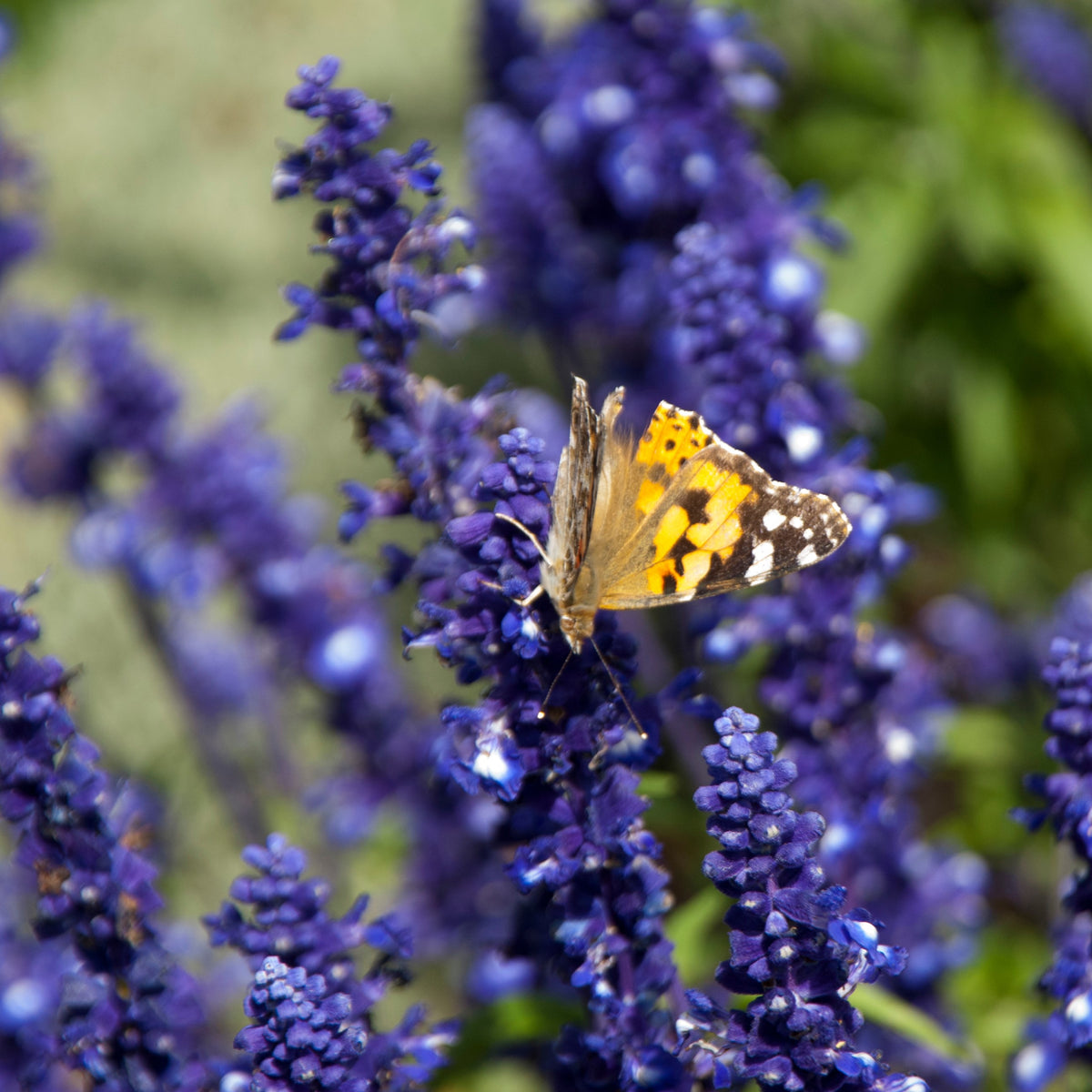
The violet-blue spikes of Victoria™ Blue provide nectar and pollen for bees, butterflies, and other visiting insects. Group several plants in sun and avoid insecticides on open flowers to protect these pollinators. Activity varies with region, weather, flowering stage, and other nectar sources available nearby seasonally. The RHS lists Salvia farinacea ‘Victoria’ as a plant for pollinators.
For a great start to your seeds
The right extras.Right here.
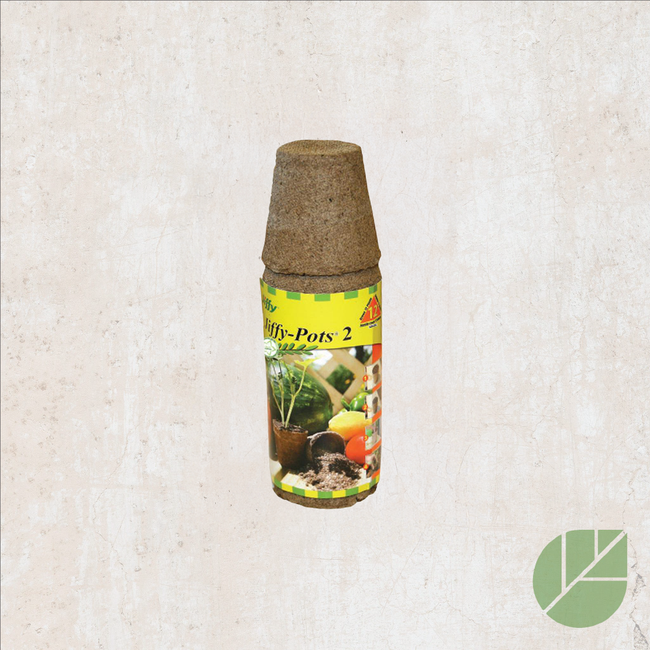
Seed Starting Soil
Shop the collectionSeed starting supplies
Shop the collection