Sale
Sold out

Not handled
Fabaceae
Edamame Karikachi No.3 F1 Soybeans
Product code : NOR-GR02
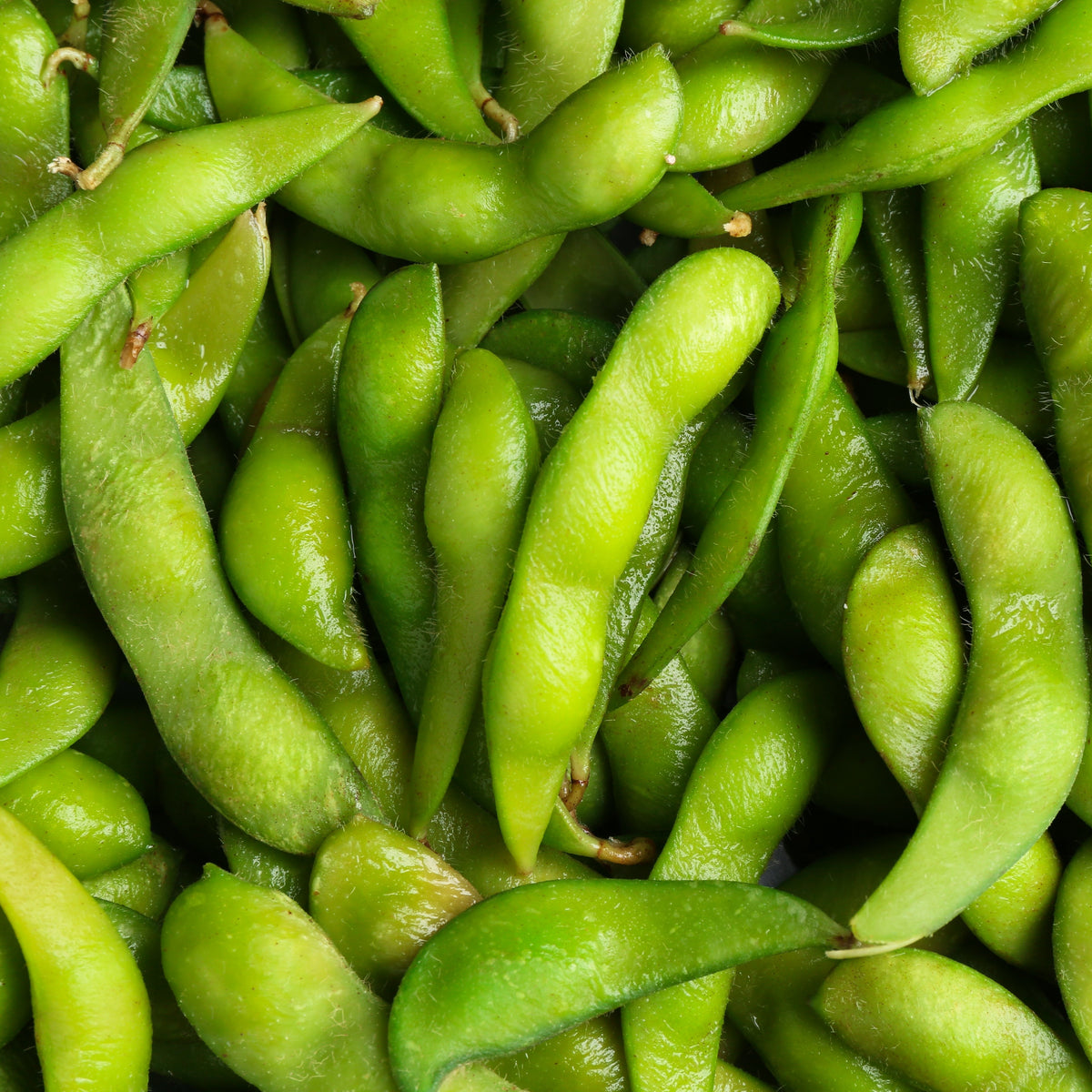
Edamame Soybean Karikachi No.3 F1 is an untreated variety rich in isoflavones, chemical compounds known for their benefits in the prevention of certain cancers. Ideal for cultivation in well-drained and warmed soil, this soybean produces plump, light green pods to be harvested when the beans reach their optimal maturity. Delicious and versatile, this soybean can be boiled in salted water for 5 minutes and added to your salads or stir-fries. This variety matures 90 days after sowing. The packet contains 50 seeds to start your planting.
- Quantity
- 50 seeds
- Exposure
- Sun
- Life cycle
- Annual vegetable harvest crop
Discover the plant
Common nameSoy Edamame Karikachi No.3 F1
FamilyFabaceae
GenusGlycine
Speciesmax
CultivarEdamame Karikachi No.3
TypeNot handled
Botanical nameSoybean
Edamame Karikachi No.3 F1 (Glycine max). Edamame Karikachi No.3 F1 soybeans are an untreated variety rich in isoflavones, chemical compounds known for their benefits in preventing certain cancers. Ideal for growing in well-drained, warmed soil, these soybeans produce turgid, light green pods, to be harvested when the beans reach optimal maturity. Delicious and versatile, these soybeans can be boiled in salted water for 5 minutes and added to salads or stir-fried vegetables. This variety matures 90 days after sowing.
Direct sowing of peas, broad beans, and beans preserves their root system. Prepare the locations and supports for climbing varieties before emergence. Do not let seeds sit in waterlogged soil. Identify each row to distinguish between types harvested for pods and those for seeds. Thin only when emergence shows real competition between young plants. To install this variety, first choose a location corresponding to its exposure: full sun. It requires well-drained soil, with a pH around 6-6.5.
Edamame Karikachi No.3 F1 soybeans prefer full sun exposure and well-drained soil rich in organic matter. For a successful harvest, monitor the pods and pick them when they are full, light green, and turgid, before they turn yellow. Edamame Karikachi No.3 F1 soybeans are an excellent choice for lovers of healthy and tasty cuisine. Their richness in isoflavones makes them a nutritious food with multiple health benefits. Quickly cooked in salted boiling water, they add a touch of freshness and texture to your dishes.

Sowing guide
It all startswith a seed.
Spacing / density
10 cm between plants
Germination temperature
15 °C (59.0 °F)
Propagation
Sowing
Growing method
To install this variety, first choose a location corresponding to its exposure: full sun. It requires well-drained soil with a pH around 6-6.5. It grows best with support. When planting this variety, the spacing to maintain is 10 cm between plants. Space plants 10 cm apart in rows spaced 30 cm apart. Tolerates heat and drought well. Since all pods mature at the same time, make successive sowings every week or every two weeks for a continuous harvest throughout the summer. Ideal for cultivation in well-drained and warmed soil, this soybean produces turgid, light green pods, to be harvested when the beans reach optimal maturity. Edamame Karikachi No.3 F1 soybeans prefer full sun exposure and well-drained soil, rich in organic matter. Delicious and versatile, these soybeans can be cooked in salted boiling water for 5 minutes and incorporated into your salads or stir-fried vegetables. Cooked quickly in salted boiling water, they add a touch of freshness and texture to your dishes. Direct sowing of peas, fava beans, and common beans preserves their root system.
Soil and care
The right care,at the right time.
Watering
Delicious and versatile, this soybean can be boiled in salted water for 5 minutes and added to your salads or stir-fried vegetables. Quickly cooked in salted boiling water, it adds a touch of freshness and texture to your dishes. To plant this variety, first choose a location that matches its sun exposure: full sun. It requires well-drained soil, with a pH of around 6-6.5.
Soil type
Ideal for growing in well-drained, warmed soil, this soybean produces turgid, light green pods, to be harvested when the beans reach optimal maturity. Edamame Karikachi No.3 F1 soybeans prefer full sun exposure and well-drained soil rich in organic matter. To plant this variety, first choose a location corresponding to its exposure: full sun.
Fertilization
Its richness in isoflavones makes it a nutritious food with multiple health benefits. To plant this variety, first choose a location corresponding to its exposure: full sun. It requires well-drained soil, with a pH of around 6-6.5. It grows best with a stake. Tolerates heat and drought well. Since all pods ripen at the same time, sow successive crops every week or two for a continuous harvest throughout the summer.
Seasonal care
Tolerates heat and drought well. Since all pods mature at the same time, sow successive crops weekly or bi-weekly for a continuous harvest throughout the summer. Begin to observe this variety's harvest around 90 days after sowing; then check for the desired color, firmness, and size for picking. Harvest when the pods are still green and turgid. When planting this variety, the recommended spacing is 10 cm between plants. Space plants 10 cm apart in rows spaced 30 cm apart. Delicious and versatile, this soybean can be boiled in salted water for 5 minutes and added to salads or stir-fries. Quickly cooked in salted boiling water, it adds a touch of freshness and texture to your dishes. Its richness in isoflavones makes it a nutritious food with multiple health benefits. Ideal for growing in well-drained and warmed soil, this soybean produces turgid, light green pods, to be harvested when the beans reach their optimal maturity. For a successful harvest, monitor the pods and pick them when they are full, light green, and turgid, before they turn yellow. A source of flavor and benefits! Edamame Karikachi No.3 F1 soybean is an excellent choice for lovers of healthy and tasty cuisine.
Container growing
A garden,within reach.
Place the container of this variety in this exposure: full sun, checking the light received throughout the day. To plant this variety, first choose a location corresponding to its exposure: full sun. It requires well-drained soil, with a pH around 6-6.5. It grows better with a stake. Tolerates heat and drought well. Since all pods ripen at the same time, sow successively every week or every two weeks for a continuous harvest throughout the summer. The packet contains 50 seeds to start your planting. Ideal for growing in well-drained, warm soil, this soybean produces turgid, light green pods, to be harvested when the beans reach their optimal maturity. Edamame Karikachi No.3 F1 soybeans prefer full sun exposure and well-drained soil rich in organic matter. Delicious and versatile, these soybeans can be boiled in salted water for 5 minutes and added to your salads or stir-fries. Quickly cooked in salted boiling water, they add a touch of freshness and texture to your dishes. Growing peas or beans in pots should be planned according to the variety's growth habit.

Bloom and dimensions
Its place,in your garden.
Fruiting
Ideal for growing in well-drained, warm soil, this soybean produces plump, light green pods, to be harvested when the beans reach optimal maturity. For a successful harvest, monitor the pods and pick them when they are full, light green, and plump, before they turn yellow. A source of flavor and goodness! Edamame Karikachi No.3 F1 is an excellent choice for lovers of healthy and tasty cuisine.
Days to maturity
90 days after sowing
Harvest
Harvest at the stage indicated for the variety, either as tender pods, fresh seeds, or dry seeds. Support the stem with one hand while picking.
Garden associations
In goodcompany.
Companion plants
When planting this variety, the recommended spacing is 10 cm between plants. Space the plants 10 cm apart in rows that are 30 cm apart. To install this variety, first choose a location that matches its exposure: full sun. It requires well-drained soil, with a pH of around 6-6.5. It grows best with a stake. Ideal for growing in well-drained, warm soil, this soybean produces turgid, light green pods, to be harvested when the beans reach optimal maturity.
Recipe idea
From the gardento your plate.
Edible parts
Pods or seeds depending on the harvest stage
Recipe idea using your Karikachi No.3 F1 Edamame soybean harvest. Prepare a side dish of cooked beans or peas. For edible pod varieties, trim the ends and cook the pods until tender. For shelling or dry seed varieties, use seeds that are already fully cooked according to their usual preparation. Drain, then mix with a little oil and chopped parsley. Add pieces of ripe tomato or a few diced sweet onions for varied textures. Serve the vegetables hot or warm. Taste before adjusting seasoning and adapt quantities to the number of people at the table. Serve the preparation with bread, rice, or another simple side dish that highlights the harvested vegetable. Prepare small portions to enjoy the freshness of the harvest. Use a clean cutting board, remove damaged parts, and rinse the harvest before starting.
Frequently asked questions
Your questions,answered.
When to Harvest Edamame Soybean Karikachi No.3 F1?
Begin monitoring this variety for harvest around 90 days after sowing; at this point, check for the desired color, firmness, and size for picking. Harvest when the pods are still green and turgid. This variety matures 90 days after sowing. It tolerates heat and drought well. Since all pods mature at the same time, sow successively every week or two for a continuous harvest throughout the summer. Pick the pods while supporting the stem with one hand to avoid tearing off branches. Young harvests require frequent passes, while beans intended for drying remain on the plant longer.
What location is suitable for Soya Edamame Karikachi No.3 F1?
To install this variety, first choose a location that matches its sun exposure: full sun. It requires well-drained soil, with a pH around 6-6.5. It grows best with a stake. When planting this variety, the recommended spacing is 10 cm between plants. Space plants 10 cm apart in rows spaced 30 cm apart. Place the container for this variety in full sun, checking the light received throughout the day. Organize legumes according to their growth habit. Dwarf varieties are easily harvested in rows accessible from both sides; climbing varieties need an anchored support before the foliage becomes heavy.
How to water Soya Edamame Karikachi No.3 F1 during its growth?
Tolerates heat and drought well. Since all pods ripen at the same time, sow successive crops every week or two for a continuous harvest throughout the summer. To plant this variety, first choose a location with the appropriate sun exposure. It requires well-drained soil with a pH around 6-6.5. It grows best with a stake. Harvest the pods by supporting the stem with one hand to avoid tearing off the branches. Young harvests require frequent picking, while seeds intended for drying remain on the plant longer.
What care should be given to Soya Edamame Karikachi No.3 F1 throughout the season?
Tolerates heat and drought well. Since all pods ripen at the same time, sow successive crops weekly or bi-weekly for a continuous harvest throughout the summer. Begin observing this variety's harvest around 90 days after sowing; check for the desired color, firmness, and size for picking. Harvest when the pods are still green and turgid. Pick the pods by supporting the stem with one hand to avoid tearing off branches. Young harvests require frequent passes, while seeds intended for drying remain on the plant longer.
How to use Karikachi No.3 F1 Edamame Soybean harvest?
Begin monitoring this variety's harvest around 90 days after sowing; at that point, check for the desired color, firmness, and size for picking. Harvest when the pods are still green and turgid. When planting this variety, maintain a spacing of 10 cm between plants. Space plants 10 cm apart in rows spaced 30 cm apart. The packet contains 50 seeds to start your planting. Pick the pods by supporting the stem with one hand to avoid tearing off the branches. Young harvests require frequent passes, while seeds intended for drying remain on the plant longer.
For a great start to your seeds
The right extras.Right here.
Seed Starting Soil
Shop the collectionSeed starting supplies
Shop the collection