Sale
Sold out

Processed
Amaryllidaceae
Kelsae Giant Sweet Onion
Product code : NOR-GR05
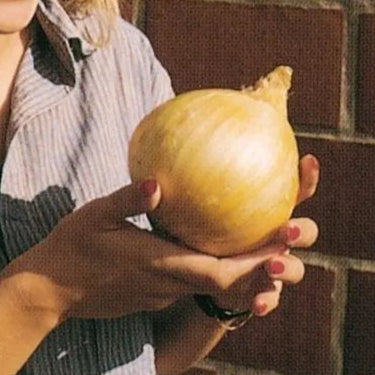
The 'Kelsae Sweet Giant' onion is a remarkable variety known for producing ultra-large, firm, and heavy bulbs. Its sweet and flavorful flesh makes it perfect for fresh consumption. However, its shelf life is short, making it an ideal harvest to enjoy quickly. A unique option for amateur gardeners looking to grow something different and impressive. This variety matures 110 days after transplanting. The packet contains 165 seeds to start your planting. Onion and leek rows are suitable for areas of the vegetable garden where one can work without walking between the plants.
- Quantity
- 165 seeds
- Exposure
- Sun
- Life cycle
- Annual crop for vegetable harvesting
Discover the plant
Common nameKelsae Giant Sweet Onion
FamilyAmaryllidaceae
GenusGarlic
Speciesstrain
CultivarKelsae Sweet Giant
TypeProcessed
Botanical nameOnion
Kelsae Giant Sweet Onion (Allium cepa). The 'Kelsae Giant Sweet' onion is a remarkable variety known for producing ultra-large, firm, and heavy bulbs. Its sweet and flavorful flesh makes it perfect for fresh consumption. However, its shelf life is short, making it an ideal harvest to enjoy quickly. A unique option for amateur gardeners looking to grow something different and impressive. For Kelsae Giant Sweet Onion, the maturity of this variety is 110 days after transplanting. For Kelsae Giant Sweet Onion, the packet contains 165 seeds to start your planting.
For Kelsae Giant Sweet Onion, the sowing schedule for this variety is as follows: indoors, 10 to 12 weeks before the last frost. For Kelsae Giant Sweet Onion, keep your onion, leek, or shallot seedlings well-labeled, as their young foliage looks similar. For Kelsae Giant Sweet Onion, sufficient light and regular moisture accompany seedling growth. For Kelsae Giant Sweet Onion, transplant with care when the type of crop requires it, without crushing the base of the leaves. For Kelsae Giant Sweet Onion, in the garden, prepare an area that is easy to weed: these narrow plants cover little ground at the start of their development.
Impress your loved ones with the 'Kelsae Giant Sweet' onion, a spectacular and delicious variety perfect for showcasing your gardening skills! For Kelsae Giant Sweet Onion, start monitoring the harvest of this variety as it approaches 110 days after transplanting; check for the desired color, firmness, and size for picking. For Kelsae Giant Sweet Onion, harvest the onions when the leaves fall over, turn brown, and dry out. For Kelsae Giant Sweet Onion, drying can be accelerated by folding over some of the leaves. For Kelsae Giant Sweet Onion, once harvested, place the onions in a dry, warm, and well-ventilated area.

Sowing guide
It all startswith a seed.
Spacing / density
38 cm between plants
Sowing period
Indoors, 10 to 12 weeks before the last frost
Propagation
Sowing
Growing method
Transplant the seedlings into rich, well-drained soil in full sun. The sowing schedule for this variety is as follows: indoors, 10 to 12 weeks before the last frost. To establish this variety, first choose a location corresponding to its sun exposure requirements. They require rich, fertile soil (mineral or organic). It must be kept moist but not soggy. This variety benefits from soil that retains coolness during its growth; regular checks below the surface help to intervene before wilting occurs, while avoiding saturation of the root ball. When planting this variety, use a spacing of 38 cm between plants. The spacing between rows should be 35 cm to 38 cm. To obtain larger bulbs, thin the plants to 7 cm to 8 cm apart. The removed plants are delicious in salads. It is recommended to add fertilizer at the start of cultivation and again when the bulbs begin to swell. Water regularly and fertilize to support their rapid growth. Keep onion, leek, or shallot seedlings clearly labeled, as their young foliage looks similar.
Soil and care
The right care,at the right time.
Watering
Water regularly and fertilize to support their rapid growth. This variety benefits from soil that stays cool during growth; checking regularly beneath the surface helps to intervene before wilting occurs, while avoiding saturating the root ball. To plant this variety, first choose a location that matches its exposure: sun. They require rich, fertile soil (mineral or organic earth).
Soil type
Transplant the seedlings into rich, well-drained soil in full sun. To establish this variety, first choose a location that matches its light requirements: sun. They require rich, fertile soil (mineral or organic). It must be kept moist but not wet. This variety thrives in soil that stays cool during its growth; regular checks below the surface help to intervene before wilting while avoiding saturating the root ball.
Fertilization
Water regularly and fertilize to support their rapid growth. To plant this variety, first choose a location corresponding to its sun exposure. They require rich, fertile soil (mineral or organic). It must be kept moist without being soggy. It is recommended to add fertilizer at the beginning of the growing season and again when the bulbs begin to swell.
Moisture
Cool to moist soil, with good drainage
Seasonal care
Water regularly and fertilize to support their rapid growth. It is recommended to add fertilizer at the beginning of the growing season and once again when the bulbs begin to swell. The sowing schedule for this variety is as follows: indoors, 10 to 12 weeks before the last frost. This variety benefits from soil that stays cool during its growth; checking regularly below the surface helps to intervene before wilting occurs while avoiding saturating the root ball. Start observing this variety for harvest as it approaches 110 days after transplanting; check for the desired color, firmness, and size for picking. Harvest the onions when the leaves fall over, turn brown, and dry out. Drying can be accelerated by folding over some of the leaves. Once harvested, place the onions in a dry, warm, and well-ventilated area. They should be stored in a cool, dry room. When planting this variety, the spacing to keep is 38 cm between plants. The spacing between rows is 35 cm to 38 cm. To obtain larger bulbs, thin the plants to 7 cm to 8 cm apart. The removed plants are delicious in salads. Transplant the young seedlings into rich, well-drained soil in full sun. Its sweet and tasty flesh makes it perfect for fresh consumption.
Container growing
A garden,within reach.
Place the container for this variety in this exposure: sun, while checking the light received throughout the day. The sowing calendar for this variety is prepared as follows: indoors, 10 to 12 weeks before the last frost. To install this variety, first choose a location corresponding to its exposure: sun. They require rich, fertile soil (mineral or organic soil). It must be kept moist without, however, being wet. This variety benefits from soil that retains coolness during its growth; regular checks below the surface help to intervene before wilting while avoiding leaving the root ball saturated. It is recommended to add fertilizer at the start of cultivation and once again when the bulbs begin to swell. The packet contains 165 seeds to start your planting. Transplant the young seedlings into rich, well-drained soil, exposed to full sun. Water regularly and fertilize to support their rapid growth. Alliums are placed in a container according to the part harvested. The leaves or young stalks allow for frequent picking, while the bulbs need their permanent space to grow.

Bloom and dimensions
Its place,in your garden.
Fruiting
Its sweet and flavorful flesh makes it perfect for fresh consumption. However, its shelf life is short, making it an ideal harvest to enjoy quickly. Harvest when the leaves begin to yellow and fall. Start monitoring this variety for harvest as it approaches 110 days after transplanting; then check for the desired color, firmness, and size for picking.
Days to maturity
110 days post-transplant
Harvest
Start monitoring the harvest of this variety as it approaches 110 days after transplanting; check for the desired color, firmness, and size for picking. Harvest the onions when the leaves fall over, turn brown, and dry out.
Garden associations
In goodcompany.
Companion plants
When planting this variety, the spacing to use is 38 cm between plants. The spacing between rows is 35 cm to 38 cm. To obtain larger bulbs, thin the plants to 7 cm to 8 cm. The removed plants are delicious in salads. To establish this variety, first choose a location that matches its exposure: sun. They require rich and fertile soil (mineral or organic soil). It must be kept moist but not wet.
Recipe idea
From the gardento your plate.
Edible parts
Bulbs or foliage depending on the crop
Recipe idea for your Kelsae Giant Sweet onion harvest. Prepare a sauté of onions or leeks to accompany your meal. Remove the dry parts and roots, then rinse the edible parts thoroughly, especially between the leek leaves. Thinly slice and cook over low heat with a little oil. Stir regularly and add a splash of water if the bottom begins to stick. Continue until the pieces are tender. Then, incorporate the mixture into rice, an omelet, or cooked vegetables. Taste before adjusting the seasoning and adapt the quantities to the number of people at the table. Serve the dish with bread, rice, or another simple side that allows the harvested vegetable to shine. Prepare small portions to enjoy the freshness of the harvest. Use a clean board, remove any damaged parts, and rinse the produce before starting.
Frequently asked questions
Your questions,answered.
When to start sweet giant Kelsae onion seedlings?
The sowing schedule for this variety is as follows: indoors, 10 to 12 weeks before the last frost. Keep onion, leek, or shallot seedlings clearly labeled, as their young foliage looks similar. Sufficient light and consistent moisture support the growth of the seedlings. Transplant delicately when the type of crop requires it, without crushing the base of the leaves. In the garden, prepare a surface that is easy to weed: these narrow plants provide little ground cover at the start of their development. Weed regularly around the alliums by working the soil shallowly. The fine foliage does not quickly protect the soil from competition.
When to harvest Kelsae Sweet Giant Onion?
Start observing the harvest of this variety as it approaches 110 days after transplanting; check for the desired color, firmness, and size for picking. Harvest the onions when the leaves fall over, turn brown, and dry out. Drying can be accelerated by folding over a few leaves. Once harvested, place the onions in a dry, warm, and well-ventilated area. They can be stored in a cool, dry room. The maturity of this variety is 110 days after transplanting. It is recommended to add fertilizer at the beginning of the growing season and once again when the bulbs begin to swell.
What location suits Kelsae Sweet Giant Onion?
To plant this variety, first choose a location that matches its sun exposure requirements. They need rich, fertile soil (mineral or organic). It must be kept moist but not waterlogged. When planting this variety, use a spacing of 38 cm between plants. The spacing between rows should be 35 cm to 38 cm. To obtain larger bulbs, thin the plants to 7 cm to 8 cm apart. The removed plants are delicious in salads. Place the container for this variety in a sunny location, checking the light received throughout the day.
How to water Giant Kelsae Sweet Onion during its growth?
This variety thrives in soil that stays cool during its growth; regular checks below the surface help to intervene before wilting occurs, while avoiding saturation of the root ball. It is recommended to add fertilizer at the beginning of the growing season and once more when the bulbs begin to swell. To plant this variety, first choose a location that matches its light requirements: full sun. They need rich, fertile soil (mineral or organic). It must be kept moist without becoming waterlogged. Weed regularly around the alliums by working the soil shallowly. The fine foliage does not quickly protect the soil from competition.
What care should be given to Kelsae Sweet Giant Onion throughout the season?
It is recommended to add fertilizer at the start of the crop and once more when the bulbs begin to swell. The sowing schedule for this variety is as follows: indoors, 10 to 12 weeks before the last frost. Begin observing this variety for harvest as it nears 110 days after transplanting; check for the desired color, firmness, and size for picking. Harvest the onions when the leaves fall over, turn brown, and dry out. Drying can be accelerated by folding over a few leaves. Once harvested, place the onions in a dry, warm, and well-ventilated area.
For a great start to your seeds
The right extras.Right here.
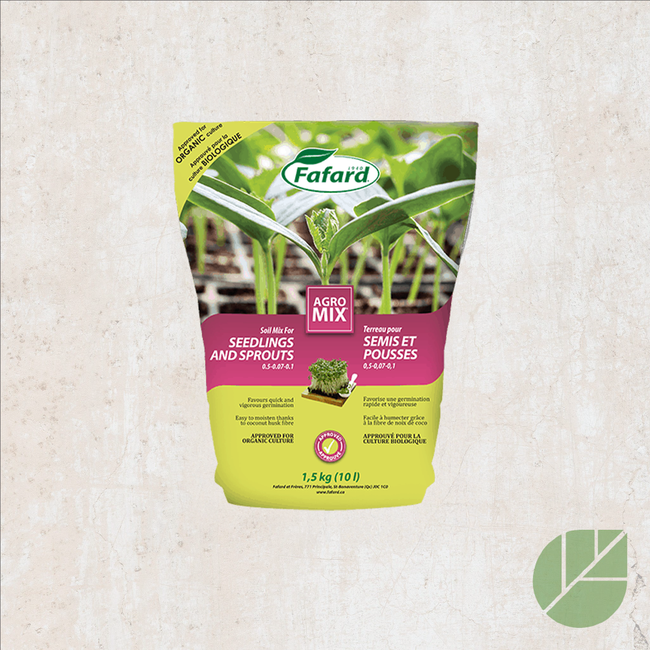
Seed Starting Soil
Shop the collectionSeed starting supplies
Shop the collection