Sale
Sold out

Primed seeds
Verbenaceae
Ornamental flower seeds for pollinators and bouquets
Finesse® verbena (Verbena bonariensis)
Product code : 61-8987-010
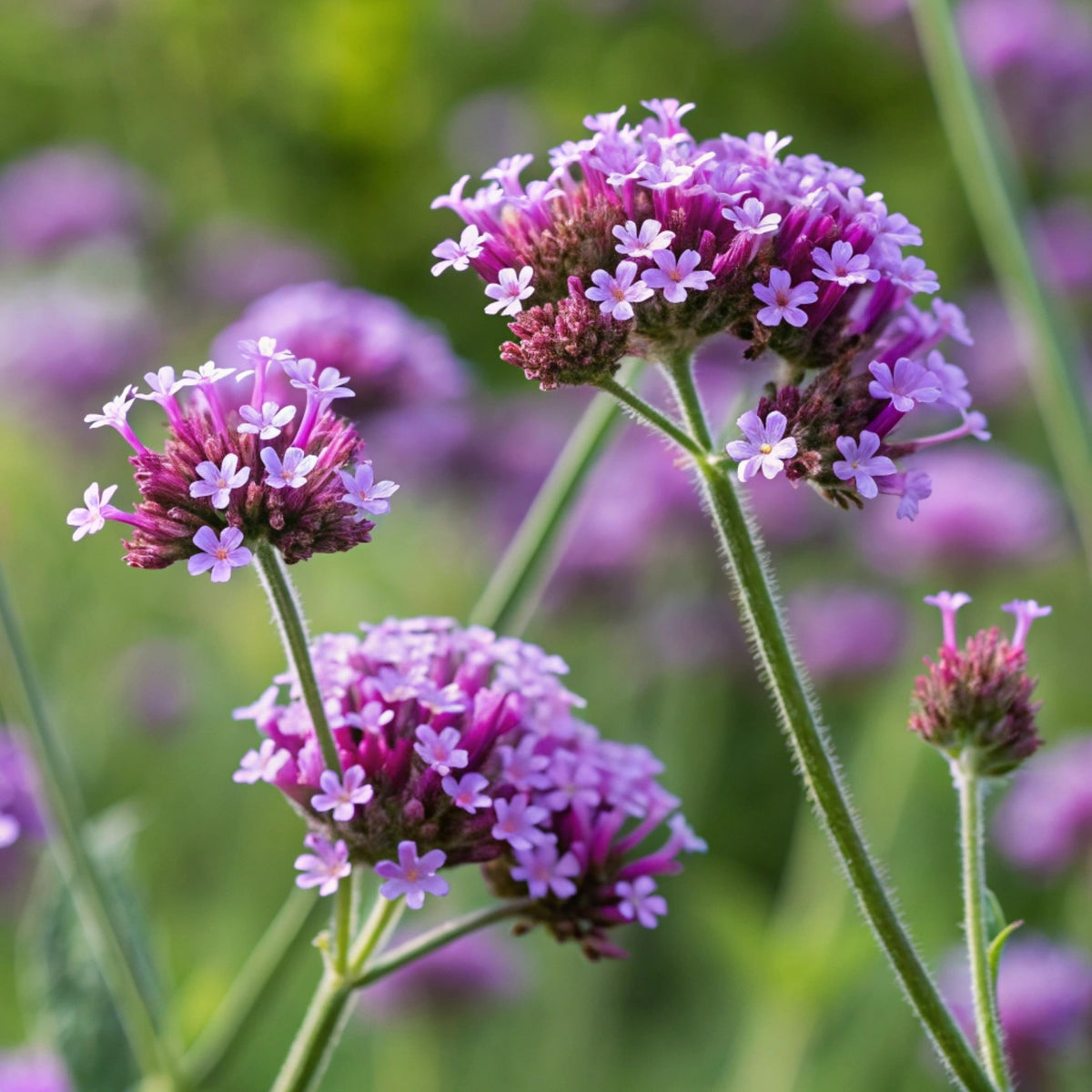
Finesse® is a tall, airy verbena whose purple flower clusters appear to float above neighbouring plants. The packet contains approximately 50 primed seeds. Plants reach approximately 120 cm high and 45 to 60 cm wide while retaining a transparent shape suited to mass plantings, bouquets, and pollinator gardens. Sow indoors eight weeks before the last frost at 22 to 24°C. Germination takes 14 to 21 days when seeds are barely covered, left in the light, and kept barely moist. Grow established plants in sun and poor, dry, rocky, well-drained soil, where overly rich conditions are less likely to weaken the stems.
- Quantity
- Approximately 50 primed seeds per packet
- Exposure
- Full sun or partial shade with at least half a day of sun; excessive shade weakens stems
- Life cycle
- Annual in Canada; tender perennial in zones 7 to 11
Discover the plant
Common nameFinesse® verbena
FamilyVerbenaceae
GenusVerbena
Speciesbonariensis
CultivarFinesse®
TypePrimed seeds
Botanical nameVerbena bonariensis
Reproducible seedsYes
Finesse® verbena (Verbena bonariensis) develops a tall, transparent silhouette approximately 120 cm high and 45 to 60 cm wide. Slender upright stems carry purple flower clusters above foliage concentrated mainly near the base. This airy structure allows neighbouring plants to remain visible and adds movement without creating a dense screen. W.H. Perron recommends it for mass plantings, flower beds, containers, and cut flowers. Blooming from June through September attracts butterflies, while NC State also mentions bees, hummingbirds, and seed-eating birds among its wildlife visitors. The see-through habit also makes Finesse® useful where vertical colour is wanted without blocking the view across a border.
The W.H. Perron packet, product code 61-8987-010, contains approximately 50 primed seeds. Sow indoors eight weeks before the last frost at 22 to 24°C in porous, well-drained seed-starting mix. Barely cover the seeds and leave them exposed to light, which supports germination. Keep the medium barely moist until emergence, normally in 14 to 21 days. After seedlings appear, provide bright light and good air movement. Harden them gradually, then transplant 7 to 10 days after the last ground frost when conditions are stable and the soil can be worked without compaction.
Grow Finesse® in full sun or partial shade with at least half a day of sunlight, using rocky, dry, poor, well-drained soil. Soil that is too rich, cool, or shaded can produce excessively tall, fragile stems. Water regularly after transplanting until roots establish, then adjust frequency to actual soil dryness. The plant tolerates dry conditions once established. Distribute it through a border, pollinator garden, or large stable container. Watch for volunteer seedlings and remove seed capsules before maturity when you do not want the species spreading beyond its intended position. Leave healthy stems standing temporarily when appropriate to provide habitat for stem-nesting bees.

Sowing guide
It all startswith a seed.
Sowing depth
Barely cover; leave seeds exposed to light
Spacing / density
Allow 45 to 60 cm according to the desired effect and airflow
Germination temperature
22 to 24°C according to the current product page
Germination time
14 to 21 days according to the current product page
Sowing period
Indoors, 8 weeks before the last frost according to the current product page
Propagation
Seed; the species may also produce volunteer seedlings
Growing method
Sow Finesse® indoors eight weeks before the last frost. Fill cells with clean, porous, well-drained seed-starting mix and moisten it before sowing. Place primed seeds on the surface, barely cover them, and leave them exposed to light, which supports germination. Maintain 22 to 24°C and keep the medium barely moist, never saturated. Emergence normally takes 14 to 21 days. After seedlings appear, provide bright light, ventilate regularly, and reduce heat slightly to limit stretching. Transplant seedlings when they can be handled without damaging roots. Harden them gradually for approximately one week, then set them outside 7 to 10 days after the last ground frost. Choose full sun or partial shade receiving at least half a day of sunlight. Rocky, dry, poor, well-drained soil helps stems remain balanced. Water every two or three days during establishment as weather requires, then lengthen the interval. Avoid excessive compost and high-nitrogen fertilizer. Watch for volunteer seedlings and remove capsules before maturity when you want to contain the plant. Inspect seedlings each week so excessive moisture, insufficient light, or unusually stretched stems can be corrected promptly. Keep labels with the trays and rotate them regularly for even exposure. Delay outdoor planting whenever frost or prolonged cold remains possible.
Soil and care
The right care,at the right time.
Soil pH
No product-specific pH range is published; prioritize rapid drainage
Minimum temperature
Does not tolerate frost; grow as an annual in Canada
Care level
Low to moderate; mainly monitor establishment and volunteer seedlings
Drought tolerance
Yes
Watering
Keep the seed-starting mix barely moist during germination; saturation can damage seeds or young roots. After transplanting, water regularly every two or three days until the soil settles and plants resume growth. Then allow the surface to dry between applications. An established plant tolerates dry conditions, but a container requires more frequent checks during hot or windy weather. Water at soil level when practical and reduce frequency during cool or rainy periods.
Soil type
Finesse® prefers rocky, dry, poor, perfectly drained soil. W.H. Perron notes that soil that is too rich, cool, or shaded encourages excessively tall, fragile growth. Avoid generous compost additions. In containers, use a free-draining potting mix amended with a mineral component, and never allow water to remain in the saucer around the roots. Loosen the planting area before setting the plant and keep the crown level with the surrounding surface to reduce moisture accumulation.
Fertilization
Finesse® needs little feeding in poor soil. Excess organic matter or nitrogen can produce very tall, fragile stems. If container feeding becomes necessary, choose a balanced formula, apply it lightly, and follow label directions. Never fertilize very dry potting mix or a plant severely stressed by heat, drought, or recent transplanting. Water first when the medium is very dry and watch for salt accumulation on the potting-mix surface.
Moisture
Low to moderate; avoid constant moisture around roots and foliage
Seasonal care
In spring, sow indoors eight weeks before the last frost at 22 to 24°C, leaving seeds barely covered and exposed to light. Keep the medium barely moist until emergence, which takes 14 to 21 days. After seedlings appear, provide bright light and good air movement. Harden plants gradually before transplanting 7 to 10 days after the last ground frost. In early summer, water every two or three days during establishment as weather requires. Avoid enriched soil and generous nitrogen applications, which make stems tall and fragile. During summer, allow soil to dry slightly between waterings and cut stems for bouquets without removing all foliage. Flower clusters attract several visitors, so avoid insecticides on open blooms. In late summer, decide whether volunteer seedlings are wanted. Remove capsules before maturity to limit spread, or leave several stems to provide seeds for birds. After frost in autumn, clean plants according to the site. Where appropriate, leave 30 to 60 cm of hollow stems temporarily for stem-nesting bees, then remove them when new growth resumes. Record the sowing date, emergence period, and conditions that produced the strongest stems so the next crop can be adjusted. Check drainage after heavy autumn rain, and prevent mature seed from reaching nearby natural areas. Store clean supports, review successful companion combinations, and note whether the chosen spacing preserved airflow and visibility throughout the season.
Container growing
A garden,within reach.
Recommended pot size
Stable container at least 30 to 40 cm wide with drainage
Finesse® can grow in a large stable container despite reaching approximately 120 cm. Choose a pot at least 30 to 40 cm wide, heavy or broad enough to resist wind, with several drainage holes. Use free-draining, relatively lean potting mix; an overly rich mixture encourages tall, fragile stems. Start seeds in cells, then transplant a hardened plant after the last frost. Place the container in full sun or partial shade receiving at least half a day of sunlight. Water regularly during establishment, then check the medium before each application and empty saucers. Avoid generous feeding. A discreet stake can be added in a windy position, although the plant should remain upright in suitable conditions. Pair Finesse® with shorter plants without overcrowding the pot. Rotate the container for balanced light and keep stems away from doors or walkways. Remove capsules before maturity when volunteers in neighbouring pots are not wanted. A container does not protect the plant from frost; it remains an annual in most of Canada. Check container stability after heavy rain and redirect stems approaching doors, stairs, or busy walkways. Inspect drainage holes periodically and remove fallen debris from the surface without disturbing roots.

Bloom and dimensions
Its place,in your garden.
Mature height
120 cm (47.2 in)
Width / spread
45 to 60 cm (17.7 to 23.6 in)
Flower color
Purple to violet
Foliage color
Dark green
Foliage type
Simple, opposite, lance-shaped, serrated leaves concentrated mainly near the base
Growth rate
Moderate to fast after establishment
Growth habit
Upright, branching, tall, and transparent
Fragrance
No distinctive floral fragrance is published for Finesse®. Its main interest is the transparent silhouette, purple flower clusters, long bloom, and attraction for pollinators. Choose this variety for visual and ecological impact rather than for adding fragrance to a patio or bouquet.
Bloom period
Finesse® flowers from June through September. Small purple tubular blooms gather in rounded clusters at the ends of slender branching stems. This arrangement creates a floating effect in mass plantings, supplies stems for bouquets, and gives pollinators easy access to nectar. Sufficient sunlight and poor, dry, well-drained soil support balanced growth throughout the flowering period. Remove damaged clusters and protect stems from foot traffic to extend the display into early autumn.
Days to maturity
12 to 14 weeks
Garden associations
In goodcompany.
Companion plants
Pair Finesse® with shorter full-sun plants that also prefer free-draining soil, such as rudbeckia, coneflowers, compact ornamental grasses, zinnias, or salvias. Yellow, white, and pink flowers highlight its purple clusters. Place companions in front of or between the transparent stems without crowding the base. Avoid species needing constantly moist soil or generous feeding because those conditions weaken the verbena’s stems. Follow each companion’s spacing needs and keep the base open for watering and air movement. Avoid vigorous spreaders that would hide the transparent form.
Frequently asked questions
Your questions,answered.
What is included in a Finesse® verbena packet?
The W.H. Perron packet, product code 61-8987-010, contains approximately 50 primed Verbena bonariensis Finesse® seeds. Priming is a treatment intended to make emergence faster or more uniform; it does not mean that seed is organic. Store the packet closed, labelled, cool, and dry, beyond the reach of children and pets. Sow on the surface of porous mix, barely cover, and leave seeds in the light. Keep the medium barely moist. These seeds are intended for ornamental growing and must not be eaten. Record how many seedlings emerge, and protect any remaining seed from heat, humidity, and direct sunlight. Keep the original packet available so the cultivar, formulation, and product code remain easy to confirm.
How should Finesse® be sown successfully?
Sow indoors eight weeks before the last frost in clean, porous, well-drained seed-starting mix. Place primed seeds on the surface, barely cover them, and leave them in the light, which supports germination. Maintain 22 to 24°C and very slight moisture without saturating the medium. Emergence normally takes 14 to 21 days. After seedlings appear, provide bright light and good air movement. Harden plants gradually, then transplant 7 to 10 days after the last ground frost into a sunny, free-draining position. Space plants for good air movement, water at soil level during establishment, and never leave roots standing in water. Avoid rich amendments that could weaken the developing stems.
Where should Finesse® be planted, and does it need staking?
Grow Finesse® in full sun or partial shade receiving at least half a day of sunlight. Rocky, dry, poor, free-draining soil encourages balanced stems. W.H. Perron warns that rich, cool, or shaded soil can make plants excessively tall and fragile. In suitable conditions, slender but sturdy stems generally remain upright without staking. A discreet support may still help in a container or very windy position. Allow 45 to 60 cm and prevent vigorous neighbours from smothering the base. Check the plant after heavy rain and support only stems that threaten to fall into a walkway. Avoid tight ties that could cut into expanding stems.
Can Finesse® verbena be grown in a container?
Yes. Choose a stable container at least 30 to 40 cm wide, heavy enough to resist wind, and fitted with several drainage holes. Use free-draining, relatively lean potting mix because a rich mixture produces tall, fragile stems. Place the pot in full sun or bright partial shade. Water regularly during establishment, then check the medium before each application and empty the saucer. Avoid generous feeding. Rotate the container for balanced light, keep stems away from walkways, and remove capsules before maturity when volunteer seedlings are not wanted. Inspect leaf undersides regularly and remove fallen debris without keeping the potting mix constantly moist. Move the container to shelter if severe wind is forecast.
Is Finesse® edible or safe for pets?
Finesse® is sold as an ornamental plant for borders, containers, bouquets, and pollinators; no food use is published for this packet. Do not eat seeds, leaves, flowers, or capsules. No official veterinary assessment specific to Verbena bonariensis was confirmed in the sources consulted. Do not apply information published for lemon verbena, which is a different species. As a precaution, prevent children and pets from chewing the plant. Following substantial ingestion or persistent symptoms, contact poison control or a veterinarian and provide the botanical name and possible amount. Keep the packet available to help identify the exact plant and any horticultural products that may have been applied. Wash hands after handling treated plants or soil.
Wildlife and pets
Life,around your plants.
Attracts birds
Yes
Supporting wildlife
W.H. Perron states that Finesse® attracts butterflies. NC State adds that Verbena bonariensis attracts bees, hummingbirds, and other pollinators, while birds may eat seeds late in the season. Activity varies with region, weather, bloom stage, and other nearby resources, surrounding habitat, and local garden conditions.
For a great start to your seeds
The right extras.Right here.
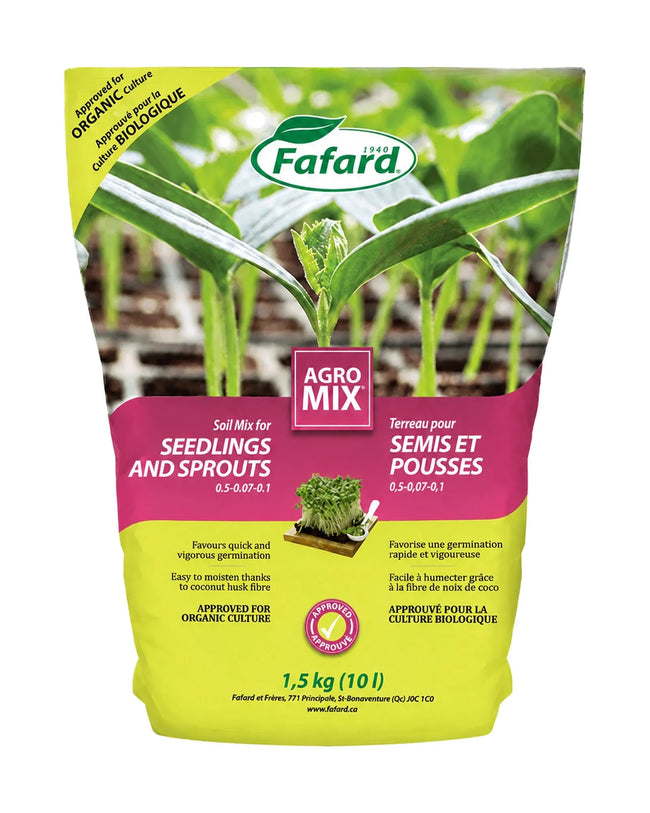
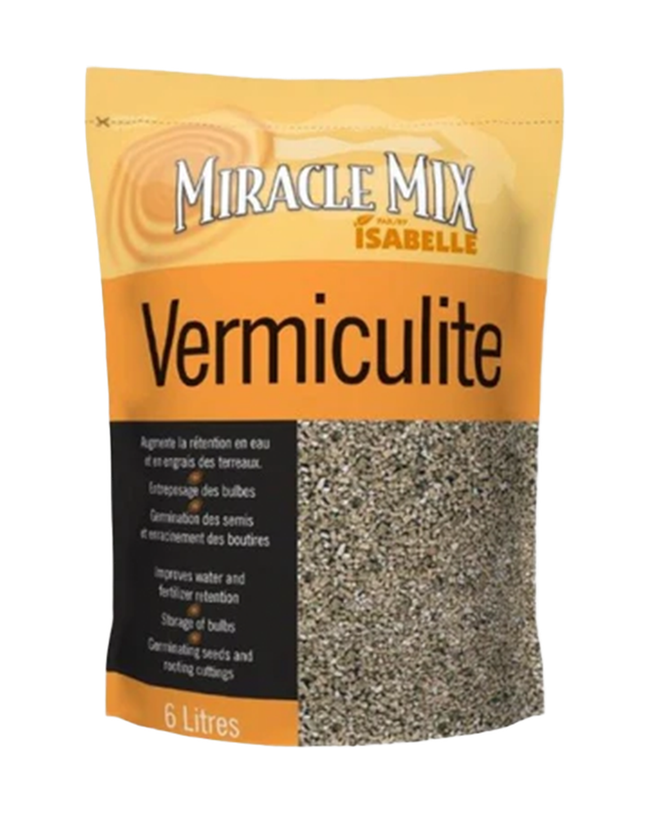
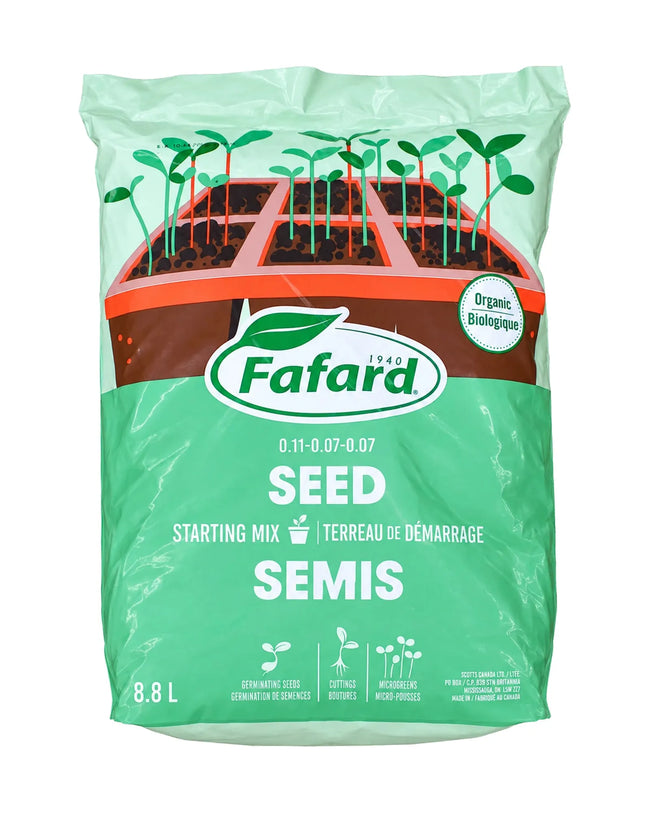
Seed Starting Soil
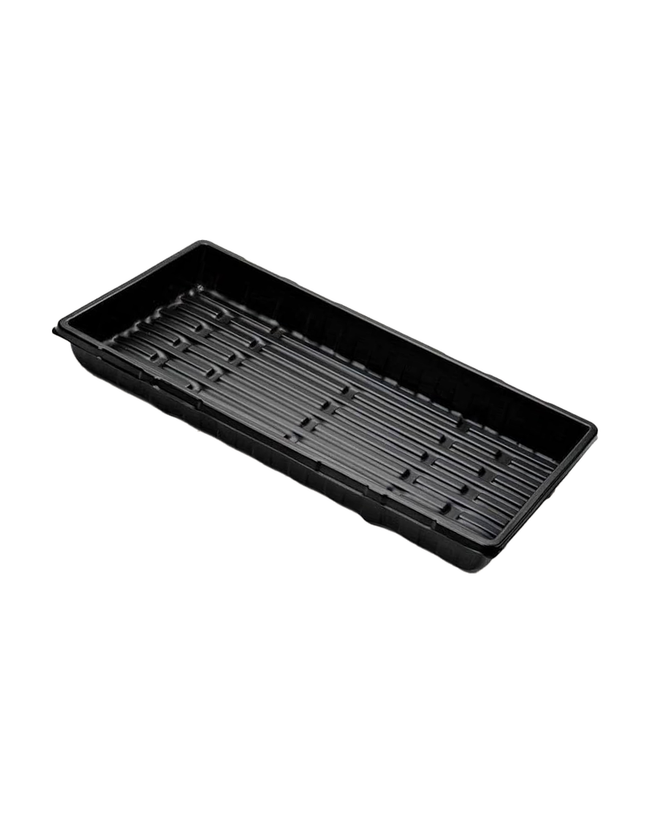
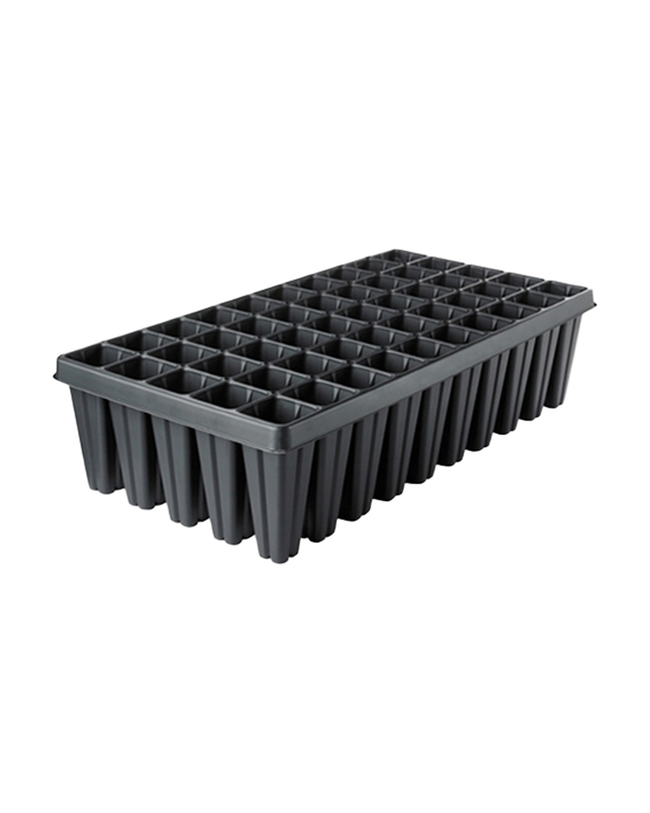
Shop the collectionSeed starting supplies
Shop the collection