Sale
Sold out

Primed seeds · F1 hybrid
Violaceae
Ornamental flowers seeds
Admire® Maxi Mix F1 viola
Viola cornuta
Product code : 61-9360-010
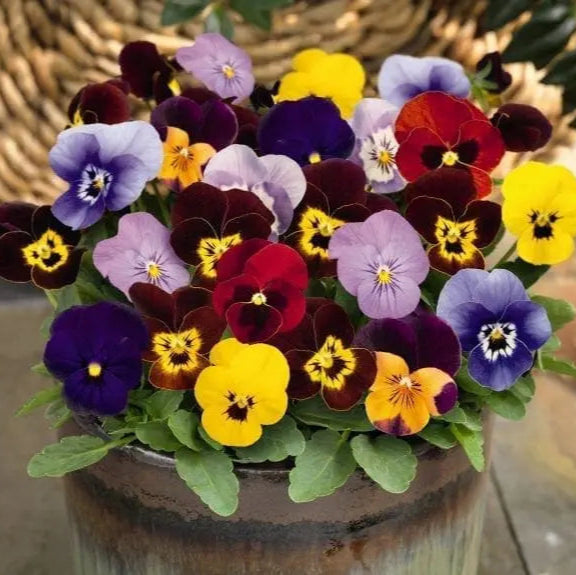
Admire® Maxi Mix F1 is a compact viola with bright, mixed-colour flowers approximately 3 cm wide. Plants reach 16 to 20 cm tall and about 20 cm wide, suiting borders, pots, window boxes, and hanging baskets. The packet contains approximately 50 primed seeds to start eight weeks before outdoor planting. Maintain 18 to 21°C for emergence in 7 to 10 days. The variety enjoys cool sun or partial shade and dislikes scorching locations. Remove faded flowers to extend bloom from June through September. Correctly grown flowers may be used as an edible garnish. Keep food plants labelled and separate from treated ornamental displays.
- Quantity
- 50 seeds per packet
- Exposure
- Sun or partial shade; avoid scorching sites
- Life cycle
- Cool-season annual
Discover the plant
Common nameAdmire® Maxi Mix F1 viola
FamilyViolaceae
GenusViola
Speciescornuta
CultivarAdmire® Maxi Mix F1
TypePrimed seeds · F1 hybrid
Botanical nameViola cornuta
Admire® Maxi Mix F1 viola (Viola cornuta) combines bright flowers approximately 3 cm wide in a varied colour mixture. Compact plants reach 16 to 20 cm tall and approximately 20 cm wide, a useful size for borders, containers, hanging baskets, and small gardens. This F1 selection flowers approximately 70 days after sowing and normally provides colour from June through September. It enjoys sun when temperatures remain moderate, tolerates partial shade very well, and performs best away from scorching sites that can slow flowering. The varied palette is especially effective when several plants are repeated along a path or grouped in one patio container.
The W.H. Perron packet contains approximately 50 primed seeds. Sow indoors eight weeks before outdoor planting in clean, porous, well-drained seed-starting mix. Maintain 18 to 21°C and light moisture without saturating the medium; emergence normally takes 7 to 10 days. After germination, provide bright light, good air movement, and relatively cool conditions. Harden young plants gradually, then transplant them 7 to 10 days after the last ground frost. Loosen the soil, set the root ball at its original depth, and water regularly during establishment. Keep the label with the tray and delay planting if a hard frost remains possible.
Humus-rich soil that remains fresh but drains freely supports consistent bloom. Water when the surface begins to dry, especially in containers, and remove faded flowers to encourage new buds. During extended heat, bright partial shade and steady moisture help preserve the plant; flowering may resume as temperatures decline. W.H. Perron lists this variety for edible flowers. Use only correctly identified blooms grown without pesticides not approved for food crops, rinse them gently, and consume them in small quantities. Flowers may also attract bees, butterflies, and other pollinators. Keep open blooms free of insecticides and maintain spacing so foliage dries after rain.

Sowing guide
It all startswith a seed.
Sowing depth
Cover lightly in porous seed-starting mix
Spacing / density
Space for an approximately 20-cm spread
Germination temperature
18 to 21°C
Germination time
7 to 10 days
Sowing period
Indoors 8 weeks before outdoor planting
Propagation
Seed
Growing method
Sow indoors eight weeks before outdoor planting in clean, porous, well-drained seed-starting mix. Distribute the primed seeds, cover them lightly, and maintain 18 to 21°C. Keep the medium evenly moist without waterlogging; germination normally takes 7 to 10 days. After emergence, immediately provide bright light, good air movement, and cooler temperatures for compact seedlings. Water from below or at soil level when the surface begins to dry. Transplant carefully once seedlings can be handled without burying the crown. Harden them gradually to sun, wind, and cool nights. Plant outside 7 to 10 days after the last ground frost in loosened, freely drained soil. Set the root ball at its original depth, press soil lightly, and water regularly during establishment. Choose sun where the site remains cool or partial shade when afternoons become hot. Remove faded flowers to encourage new buds and allow approximately 70 days from sowing to bloom. Keep the label with the tray throughout production, rotate pots for even light, and remove only damaged leaves. Check weekly for slugs, snails, or leaf spots so problems can be addressed promptly. Delay outdoor planting whenever a hard frost remains possible.
Soil and care
The right care,at the right time.
Soil pH
Light, dry to moderately moist, well-drained soil
Minimum temperature
Frost tender during annual production
Care level
Easy
Watering
Water regularly during establishment, then check the surface before each application. Viola prefers fresh, even moisture, but its roots suffer in saturated soil. Water at soil level in the morning until the entire root ball is moist, then allow excess water to drain. Containers and hanging baskets need more frequent checks during hot or windy weather. Reduce frequency during cool or rainy periods and always empty saucers. Foliage that remains wet overnight may encourage leaf disease.
Soil type
Humus-rich soil that remains fresh and drains freely is best. Loosen the planting area to approximately 30 cm and incorporate potting mix or mature compost when structure is poor. Keep the crown level with the soil and avoid depressions where water remains after rain. In containers, choose porous mix and unobstructed drainage holes. Soil may remain lightly moist but should never be saturated. A thin mulch can stabilize moisture without touching the crowns.
Fertilization
At transplanting, a moderate amendment or soil activator may support rooting when used according to its label. Afterwards, soil enriched with mature compost is often sufficient. In containers, apply diluted balanced fertilizer only when growth or flowering slows. Avoid strong, repeated feeding, which can produce soft foliage or allow salts to accumulate in the potting mix. Water first when the medium is dry and do not fertilize a plant stressed by heat. Always follow the labelled rate for the selected product.
Moisture
Consistent without saturation
Seasonal care
In spring, start seeds eight weeks before planting and maintain 18 to 21°C until emergence. After germination, provide bright light and cool temperatures to keep seedlings compact. Rotate trays, monitor moisture, and harden young plants gradually. Transplant 7 to 10 days after the last ground frost into a cool sunny or partly shaded location. During establishment, water regularly without saturating the soil. In summer, remove faded blooms, check pots more often, and protect plants from scorching afternoons. Extended heat may reduce flowering; keep soil fresh and wait for moderate temperatures before lightly trimming damaged foliage. Inspect plants for slugs, snails, or leaf spots and maintain good air movement. In autumn, flowering may resume as nights cool. Temporarily shelter containers from an early frost when you want to extend the display. At season’s end, clean pots and record sowing, emergence, and first-bloom dates to adjust the next crop. Also inspect drainage after heavy rain, clear fallen leaves, and keep the label with every container. When flowers are harvested, clearly mark untreated plants and use clean tools reserved for that crop. Review which exposure preserved bloom best through the hottest part of summer. Remove only damaged growth, keep crowns open to air, and check for slugs after rain. Before an early frost, move containers to a sheltered position and continue monitoring moisture until the display is removed.
Container growing
A garden,within reach.
Recommended pot size
Container at least 30 cm wide with drainage
Use a container at least 20 to 25 cm wide, or a window box long enough to space plants for their 20-cm spread. Choose several drainage holes and porous potting mix enriched with mature compost. Keep the crown level with the medium and water thoroughly after planting. Place the pot in sun during cool periods or bright partial shade when afternoons become hot. Test moisture with a finger because hanging baskets dry faster, but never leave water in a saucer. Remove faded flowers to maintain a neat display and encourage new buds. Rotate the container for balanced light, space companion plants, and inspect leaf undersides regularly. Very light balanced feeding may be supplied when flowering slows. During a heat wave, temporarily move the pot away from scorching sun and keep the mix fresh without waterlogging. Shelter it from an early frost to extend autumn colour. Clear fallen debris, confirm that drainage holes remain open, and record the watering rhythm that suits your exposure. In a shared window box, trim companions that begin to cover the viola crowns. Keep edible blooms clearly separated from treated ornamentals. Check container stability after wind and keep drainage holes clear.

Bloom and dimensions
Its place,in your garden.
Mature height
16 to 20 cm (6.3 to 7.9 in)
Width / spread
7.9 in (20 cm)
Flower color
Mixed colours
Foliage color
Green
Foliage type
Green foliage
Growth rate
Moderate
Growth habit
Compact and floriferous
Fragrance
No particular fragrance confirmed
Bloom period
Flowers approximately 3 cm wide appear in a mixture of unique, bright colours above compact foliage. The first buds develop approximately 70 days after sowing when plants are grown at moderate temperatures. W.H. Perron lists the flowering period from June through September. Remove faded blooms to encourage new buds. Extended heat may slow flowering; cool partial shade, consistent moisture, and the return of cooler nights can support another wave of bloom.
Fruiting
WH Perron classifies this variety among edible flowers. Properly grown edible flowers can adorn salads, desserts or drinks, adding a touch of color straight from the garden. Properly grown flowers can be used as an edible garnish. If harvesting flowers, clearly mark untreated plants and use clean tools reserved for this harvest.
Days to maturity
8 to 10 weeks; flowers approximately 70 days after sowing
Garden associations
In goodcompany.
Companion plants
Pair this viola with tulips, daffodils, alyssum, forget-me-nots, or small silver foliage plants that enjoy fresh, drained soil. The mixed colours combine readily with white, blue, yellow, and green. Follow the approximately 20-cm spread and avoid vigorous plants that would cover the crowns. In containers, choose companions with similar watering needs and keep edible flowers separate from any plant treated with a product not approved for food crops. Keep every crown visible for watering and faded-flower removal. Avoid companions that trap heat or moisture against the viola foliage.
Recipe idea
From the gardento your plate.
Edible parts
Correctly identified flowers grown without pesticides not approved for food crops
Gently rinse several fresh, correctly identified flowers, then blot them dry without crushing. Use them as a colourful garnish on a salad, dessert, cheese plate, or cold drink. Their role is primarily decorative, so begin with a small amount. Harvest only flowers grown expressly for food, away from roads and animals, and never treated with a pesticide not approved for food crops. Keep every crown visible for watering and faded-flower removal. Avoid companions that trap heat or moisture against the viola foliage. Remove damaged portions and serve soon after picking. For a simple presentation, place one whole flower on each serving immediately before service, or scatter several petals over pale icing. Store unwashed blooms briefly in a ventilated container in the refrigerator, then rinse them only when needed. Never eat the primed seeds, roots, or any plant that was not grown expressly for food. Introduce every new edible flower gradually and stop consumption if an unusual reaction occurs. Keep the labelled packet nearby to confirm the botanical identity.
Frequently asked questions
Your questions,answered.
What is included in an Admire® Maxi Mix F1 packet?
The W.H. Perron packet, product code 61-9360-010, contains approximately 50 primed Admire® Maxi Mix F1 seeds. Priming is a preparation intended to support faster or more uniform emergence; it does not mean that seeds are coated, organic, or ready to eat. This is an F1 hybrid, so seed eventually collected from the plants may not reproduce the same colour mixture, uniformity, or dimensions. Store the closed, labelled packet in a cool, dry place. Keep it beyond the reach of children and animals, and retain the product code so the exact variety remains easy to confirm. Wash hands after sowing and never taste the primed seeds.
How should Admire® Maxi Mix F1 be sown successfully?
Sow indoors eight weeks before outdoor planting in clean, porous, well-drained seed-starting mix. Cover the primed seeds lightly and maintain 18 to 21°C. Keep the medium lightly moist without saturation; emergence normally takes 7 to 10 days. After germination, place seedlings in bright light in a cooler, well-ventilated location. Transplant them without burying the crown, then harden them gradually. Plant outside 7 to 10 days after the last ground frost in a sunny but non-scorching position or in partial shade. Water regularly during establishment. Keep the label with the plants and delay outdoor planting whenever a hard frost remains possible. Rotate the young plants regularly for balanced light.
Where should this viola be planted during summer?
Choose full sun while temperatures remain cool and bright partial shade when afternoons become hot. W.H. Perron notes that the plant enjoys sun but dislikes scorching situations. Grow it in humus-rich, fresh, well-drained soil and allow approximately 20 cm for spread. Water at soil level when the surface begins to dry and remove faded flowers. Extended heat may slow flowering; keep the soil fresh without waterlogging during that period. The plant may form new buds as temperatures decline. Avoid standing water and foliage that remains wet overnight. Inspect the crown after heavy rain and remove fallen debris without disturbing the roots. Keep the plant label nearby and avoid fertilizing seedlings before active growth is established.
Can Admire® Maxi Mix F1 be grown in a container?
Yes. Its 16-to-20-cm height and approximately 20-cm spread suit pots, window boxes, and hanging baskets. Use a container at least 20 to 25 cm wide with several drainage holes and porous potting mix. Keep the crown level with the medium, water thoroughly at planting, then check the surface before each new application. Place the pot in cool sun or partial shade during hot periods. Empty the saucer, remove faded flowers, and rotate the container for balanced light. Hanging baskets require more frequent moisture checks during windy weather. Keep drainage holes open, move the basket away from scorching afternoon sun, and inspect foliage for slugs or leaf spots.
Are Admire® Maxi Mix F1 flowers edible?
Yes. W.H. Perron lists this variety for edible flowers, and Viola cornuta blooms may be used as a garnish. Eat only flowers whose identity is certain and that were grown expressly for food. Never use a bloom from a plant treated with a pesticide not approved for food crops, purchased as a treated decorative plant, or exposed to roadside contaminants. Rinse flowers gently, remove damaged portions, and begin with a small amount. The primed seeds in the packet are not intended for eating. If you have an allergy or medical concern, avoid consumption and consult a qualified professional. Keep edible flowers clearly separated from treated ornamental plants.
Wildlife and pets
Life,around your plants.
Supporting wildlife
Flowers provide nectar for bees, butterflies, and other pollinators. Viola cornuta may also support the larvae of some fritillary butterflies. Visits vary with habitat and season. Avoid insecticides on open blooms and add other nectar plants to extend available resources. Leave enough space around every crown so visitors can reach the flowers and wet foliage can dry promptly.
For a great start to your seeds
The right extras.Right here.
Seed Starting Soil
Shop the collectionSeed starting supplies
Shop the collection