


Sale
Sold out

Untreated seeds, F1 hybrid, coated seeds, Germplus
Solanaceae
Ornamental flowers seeds
SOLYN-016 F1 creamer potato (Solanum tuberosum)
Product code : 65-7906-01N
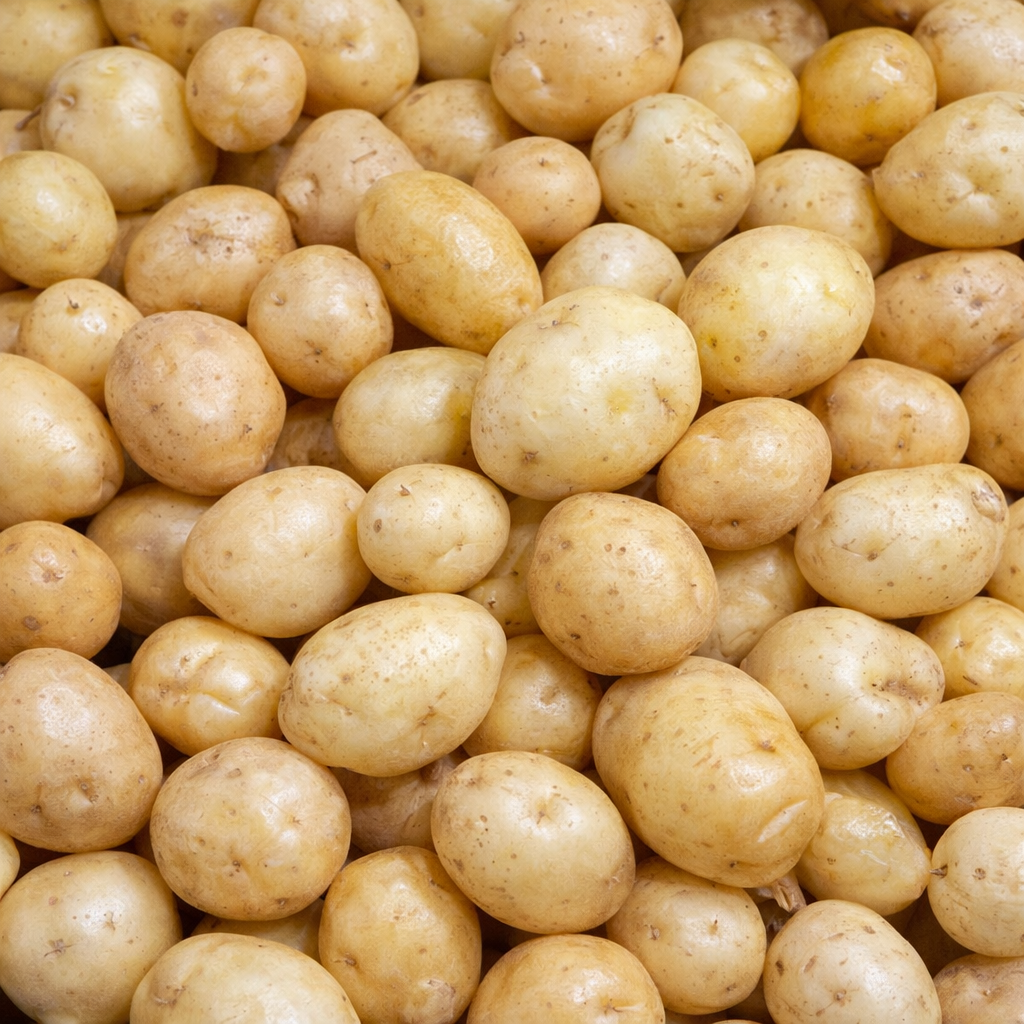
Solyn-016 F1 is a creamer potato grown from coated true seed. It forms small round-to-oval tubers with smooth yellow skin and medium-yellow flesh that remains firm after boiling or baking. The official packet contains approximately 50 untreated, Germplus seeds. Germinate them at 18 to 20°C for 7 to 10 days, then transplant young plants after frost. Maturity is approximately 105 days after transplanting. The cultivar has a high resistance level to late blight and is particularly well suited to salads, small gardens, and containers. Record sowing, transplanting, and hilling dates so the schedule can be adjusted to actual garden conditions. Inspect leaf undersides regularly and respond promptly if a pest or an unusual spot appears.
- Quantity
- Approximately 50 seeds per packet
- Exposure
- Full sun
- Life cycle
- Perennial
- Hardiness
- Grown as a frost-sensitive annual
Discover the plant
Common nameSOLYN-016 F1 creamer potato
FamilySolanaceae
GenusSolanum
Speciestuberosum
CultivarSOLYN-016 F1
TypeUntreated seeds, F1 hybrid, coated seeds, Germplus
Botanical nameSolanum tuberosum
SOLYN-016 F1 creamer potato (Solanum tuberosum) is grown from true seed rather than seed tubers. It produces flavourful small round-to-oval potatoes with smooth yellow skin and medium-yellow flesh. Their texture remains firm when boiled or baked, making them especially useful for salads. W.H. Perron lists maturity at approximately 105 days after transplanting and a high level of resistance to late blight. The official packet contains approximately 50 coated, untreated seeds prepared with Germplus technology, providing a clean starting method for gardeners who want to raise their crop from seed.
To avoid thermodormancy, germinate seed at 18 to 20°C for 7 to 10 days. Sow indoors approximately six weeks before transplanting under strong light in clean, fine seed-starting mix. Transplant young plants about five weeks after sowing, 7 to 10 days after the last ground frost, once soil has warmed. Harden them gradually and place them in full sun in light, fertile, slightly acidic, well-drained soil. Space plants 30 to 40 cm apart and rows 60 to 75 cm apart. Handle the small root balls carefully during planting. Water immediately to settle soil around every transplant.
When stems reach approximately 10 to 15 cm, draw loose soil around their bases without completely covering foliage. Repeat hilling as needed to protect developing tubers from light, which causes greening. Maintain regular moisture, especially while tubers form, while avoiding wet foliage. Mulch helps conserve moisture. Harvest when foliage yellows and begins to decline, first checking one plant. Handle creamers gently, allow their skins to dry, and store them in darkness. Never eat green portions. Start with clean containers and rotate away from other nightshades to reduce disease pressure. Keep harvest records for future timing decisions.

Sowing guide
It all startswith a seed.
Sowing depth
Surface to 0.3 cm, lightly covered
Spacing / density
Plants 30 to 40 cm apart; rows 60 to 75 cm apart
Germination temperature
18 to 20°C to avoid thermodormancy
Germination time
7 to 10 days
Sowing period
Indoors approximately 6 weeks before transplanting
Propagation
Seed
Growing method
Sow Solyn-016 F1 true seed in clean cells filled with fine, moist seed-starting mix. Maintain 18 to 20°C for 7 to 10 days to avoid thermodormancy, then place seedlings under strong light. Keep mix moist without saturation and provide gentle airflow. Pot on if needed without burying the growing point. Harden plants for one week, then transplant them approximately five weeks after sowing, 7 to 10 days after the last ground frost. Choose warmed soil loosened to approximately 30 cm, fertile, and well drained. Space plants 30 to 40 cm apart and rows 60 to 75 cm apart. When stems reach 10 to 15 cm, draw soil around their bases. Repeat hilling to keep tubers in darkness. Water at soil level, mulch, and monitor for late blight. Harvest after foliage yellows, approximately 105 days after transplanting. Record sowing, transplanting, and hilling dates so the schedule can be adjusted to actual garden conditions. Inspect leaf undersides regularly and respond promptly if a pest or an unusual spot appears. Keep every tuber covered because light causes greening and makes exposed portions unsuitable for eating. Steady growth without prolonged drought or saturation encourages uniform creamers and limits skin defects.
Soil and care
The right care,at the right time.
Soil pH
5.5 to 6.5
Minimum temperature
Frost sensitive; transplant after the last frost
Care level
Moderate
Watering
Keep soil evenly moist without waterlogging, especially during tuber initiation and enlargement. Water deeply at soil level when the surface begins to dry. Avoid wetting foliage, particularly in the evening, to limit conditions favourable to disease. Mulch conserves moisture and reduces fluctuations. Reduce watering as foliage yellows before harvest, while preventing the soil from becoming excessively dry and hard. Record sowing, transplanting, and hilling dates so the schedule can be adjusted to actual garden conditions.
Soil type
Grow SOLYN-016 F1 in loose, deep, fertile, slightly acidic, perfectly drained soil. Sandy or loamy texture supports uniform tuber development and easier harvest. Aim for a pH near 5.5 to 6.5, incorporate mature compost, and avoid fresh manure. Loosen soil at least 30 cm deep, remove stones, and never leave roots in standing water. Hill plants gradually with light soil to protect developing tubers from sunlight and prevent greening near the surface.
Fertilization
Incorporate mature compost according to soil-test results before transplanting. Avoid fresh manure and excessive nitrogen, which promote abundant foliage at the expense of tubers. Balanced feeding, moderate in nitrogen and sufficient in potassium, supports potato formation. Never place concentrated fertilizer directly against roots and do not use products combined with herbicide. Apply any supplemental fertilizer evenly beside the row and water it into the soil.
Moisture
Consistent moisture without saturation
Seasonal care
In late winter or early spring, prepare clean cells, seed-starting mix, and lighting. Sow approximately six weeks before transplanting and maintain 18 to 20°C during germination. After emergence, provide strong light, monitor moisture, and gradually increase airflow. Harden young plants before setting them outdoors 7 to 10 days after the last ground frost. In early summer, weed shallowly, begin hilling when stems reach 10 to 15 cm, and mulch between rows. Repeat hilling when rain or watering flattens mounds. During growth, water at soil level, inspect foliage for late blight, and promptly manage suspicious tissue according to local recommendations. In late summer or autumn, reduce water as leaves yellow. Test one plant, then lift tubers in dry weather. Cure skins briefly in shade, sort damaged creamers for prompt use, and store sound ones in darkness. Plan a rotation of at least three years away from other nightshades. Record sowing, transplanting, and hilling dates so the schedule can be adjusted to actual garden conditions. Inspect leaf undersides regularly and respond promptly if a pest or an unusual spot appears. Keep every tuber covered because light causes greening and makes exposed portions unsuitable for eating. Steady growth without prolonged drought or saturation encourages uniform creamers and limits skin defects. Clean tools and containers after harvest, then rotate with unrelated crops for several years.
Container growing
A garden,within reach.
Recommended pot size
At least 40 to 60 litres for 1 to 2 plants
Choose a grow bag or container holding at least 40 to 60 litres, approximately 40 cm deep, with many drainage holes. Fill the bottom with light potting mix enriched with mature compost. Set one or two Solyn seedlings according to width, avoiding crowding. As stems rise, add loose mix around their bases while leaving leafy tops exposed. Repeat until the container is filled, protecting tubers from light. Place it in full sun and rotate if needed for even growth. Check moisture daily in hot weather because bags dry faster than beds. Water deeply without allowing water to remain in a saucer. Mulch the surface and inspect foliage. When leaves yellow, reduce watering gradually, tip the container onto a tarp, and collect creamers without injury. Replace the mix completely before another nightshade crop and sanitize the container. Record sowing, transplanting, and hilling dates so the schedule can be adjusted to actual garden conditions. Inspect leaf undersides regularly and respond promptly if a pest or an unusual spot appears. Keep every tuber covered because light causes greening and makes exposed portions unsuitable for eating. Steady growth without prolonged drought or saturation encourages uniform creamers and limits skin defects.

Bloom and dimensions
Its place,in your garden.
Mature height
Approximately 45 to 75 cm (18 to 30 in.)
Width / spread
Approximately 30 to 45 cm (12 to 18 in)
Flower color
White to pale purple
Foliage color
Green
Foliage type
Deciduous in annual culture, compound and green
Growth rate
Moderate
Growth habit
Upright then spreading, grown in hills
Fragrance
Very tasty small potato with medium-yellow flesh that remains firm after boiling or baking; especially well suited to salads
Bloom period
Plants may produce small star-shaped white to pale-purple flowers in midseason. Bloom is not required for tuber formation, which occurs on underground stems. Do not harvest or eat the small berry-like fruits that may follow flowering; they are not edible potatoes and contain glycoalkaloids. Continue caring for the crop based on foliage health and soil moisture rather than the presence or absence of flowers.
Fruiting
The useful harvest consists of underground tubers, not botanical fruit. Solyn-016 F1 forms small round-to-oval creamers with smooth yellow skin and medium-yellow flesh. They remain firm when boiled or baked. Always protect them from light through hilling because green areas may accumulate glycoalkaloids and must not be eaten. Harvest after foliage yellows and handle the thin skins gently to prevent bruising and storage decay.
Days to maturity
Approximately 105 days after transplanting
Harvest
Approximately 105 days after transplanting when foliage yellows
Garden associations
In goodcompany.
Companion plants
Beans, peas, corn, and some brassicas may occupy neighbouring areas when each crop retains enough sun, water, and space. Treat these combinations as garden organization, not guaranteed protection. Most importantly, avoid grouping Solyn closely with other nightshades such as tomatoes, peppers, and eggplants, which share several diseases and complicate crop rotation. Maintain airflow and access for hilling around every potato plant. Record sowing, transplanting, and hilling dates so the schedule can be adjusted to actual garden conditions. Inspect leaf undersides regularly and respond promptly if a pest or an unusual spot appears.
Recipe idea
From the gardento your plate.
Edible parts
Non-green tubers, cooked
Prepare a warm Solyn creamer salad. Scrub 750 g of small potatoes with no green areas, then cook them in lightly salted water until a knife tip passes through while the flesh remains firm. Drain and halve the larger ones. Combine two tablespoons oil, one tablespoon apple cider vinegar, one teaspoon mustard, one chopped shallot, parsley, and pepper. Coat the potatoes while still warm so they absorb the dressing. Add cooked green beans or sliced radishes if desired. Serve immediately or refrigerate promptly in a covered container. Keep the salad cold and eat it within the next few days. Discard any very green, bitter, rotten, or heavily sprouted tuber instead of attempting to salvage it. Adjust salt and acidity just before serving. Record sowing, transplanting, and hilling dates so the schedule can be adjusted to actual garden conditions. Inspect leaf undersides regularly and respond promptly if a pest or an unusual spot appears.
Frequently asked questions
Your questions,answered.
Is Solyn planted like an ordinary potato?
No. This product contains true seed, not seed tubers. Sow indoors in cells approximately six weeks before transplanting. Germinate at 18 to 20°C for 7 to 10 days to avoid thermodormancy, then give seedlings abundant light. Transplant approximately five weeks after sowing once ground-frost risk has passed and soil has warmed. Harden seedlings gradually and handle their small root balls carefully during planting. Record sowing, transplanting, and hilling dates so the schedule can be adjusted to actual garden conditions. Inspect leaf undersides regularly and respond promptly if a pest or an unusual spot appears. Inspect foliage and soil weekly so watering, hilling, and harvest timing can be adjusted to actual conditions.
What quantity and formulation are in the packet?
The official W.H. Perron format contains approximately 50 seeds per packet. They are coated, untreated, and labelled Germplus. Coating makes the small seeds easier to see and handle; it does not mean pesticide has been applied. Keep the packet closed, dry, cool, and protected from light until sowing. The quantity is approximate, as stated by the supplier. Prepare clean cells before opening the packet so the seed can be placed immediately. Record sowing, transplanting, and hilling dates so the schedule can be adjusted to actual garden conditions. Inspect foliage and soil weekly so watering, hilling, and harvest timing can be adjusted to actual conditions.
Why must Solyn plants be hilled?
Tubers develop near underground stems and may become exposed as soil settles or erodes. Drawing loose soil around stems keeps potatoes in darkness, supports the plant, and increases available volume for development. Begin when stems reach approximately 10 to 15 cm and repeat as needed. Any green tuber portion must be discarded because it may contain elevated glycoalkaloids. Check hills after strong rain and repair them promptly before sunlight reaches the crop. Record sowing, transplanting, and hilling dates so the schedule can be adjusted to actual garden conditions. Inspect foliage and soil weekly so watering, hilling, and harvest timing can be adjusted to actual conditions.
When should Solyn creamer potatoes be harvested?
W.H. Perron lists approximately 105 days after transplanting. Use this timing as a guide, then observe foliage: when it yellows and begins to decline, check one plant. Harvest in dry weather with a fork placed far enough from stems to avoid piercing tubers. Handle delicate skins gently, allow them to dry in shade, and use damaged creamers promptly. Store sound tubers in a dark, cool, ventilated location away from light and freezing temperatures. Record sowing, transplanting, and hilling dates so the schedule can be adjusted to actual garden conditions. Inspect foliage and soil weekly so watering, hilling, and harvest timing can be adjusted to actual conditions.
Can Solyn be grown in a bag?
Yes. Choose a bag holding at least 40 to 60 litres with excellent drainage and set only one or two seedlings according to its width. Gradually add mix around stems while leaving leafy tops exposed. Place the bag in full sun, water regularly at soil level, and check moisture often in hot weather. When foliage yellows, reduce water, then tip the bag onto a tarp to harvest without damaging creamers. Use fresh mix before growing another nightshade crop in the container. Record sowing, transplanting, and hilling dates so the schedule can be adjusted to actual garden conditions. Inspect foliage and soil weekly so watering, hilling, and harvest timing can be adjusted to actual conditions.
Wildlife and pets
Life,around your plants.
Reported toxicity
Yes
Supporting wildlife
Flowers may be visited by small insects, but Solyn is grown primarily for underground tubers. Focus on monitoring Colorado potato beetles and their larvae on foliage. Inspect leaf undersides, remove egg masses according to locally recommended methods, and protect birds or beneficial organisms by avoiding non-targeted treatments. Healthy flowering does not indicate that tubers are ready; use foliage yellowing and a test dig instead.
For a great start to your seeds
The right extras.Right here.
Seed Starting Soil
Shop the collectionSeed starting supplies
Shop the collection





