Sale
Sold out

Non-organic seeds, Treated seeds, coated seeds
Begoniaceae
Ornamental flowers seeds
Baby Rose nasturtium (Tropaeolum minus)
Product code : 60-2601-010
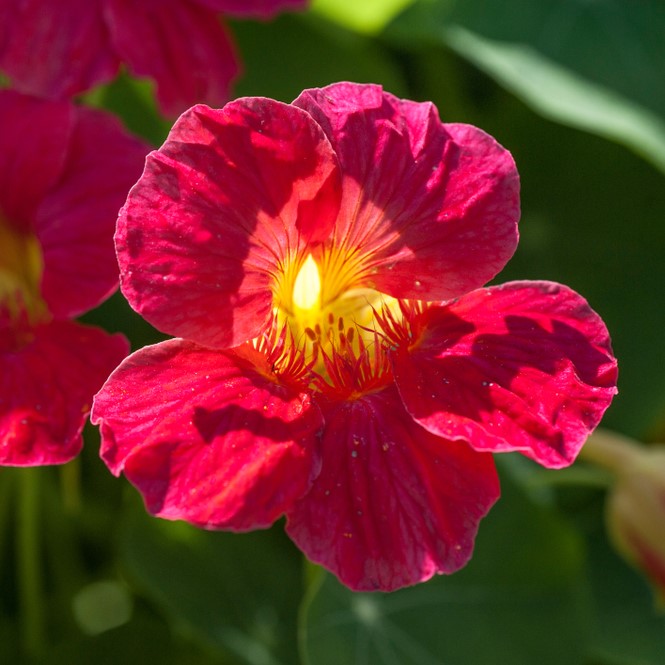
Baby Rose nasturtium suits small containers and pollinator gardens. Baby Rose nasturtium, Tropaeolum minus, produces 5-cm single dark-rose flowers held above small dark foliage. Its compact mounded habit reaches 15 cm tall and spreads 20 cm, ideal for containers and small gardens. A Fleuroselect Gold Medal and 2019 AAS winner, it attracts pollinators. Sow two weeks before final frost or directly outdoors after frost. Maintain 13 to 18°C; germination takes 7 to 14 days and maturity 8 to 9 weeks. Use light, well-drained, low-fertility soil. Water without saturation. The packet contains approximately 25 non-organic bare seeds. Baby Rose nasturtium, Tropaeolum minus, produces 5-cm single dark-rose flowers held above small dark.
- Quantity
- Approximately 25 bare seeds per packet
- Exposure
- Sun or partial shade
- Life cycle
- Annual in cultivation in Quebec
Discover the plant
Common nameBaby Rose nasturtium
FamilyBegoniaceae
GenusTropaeolum
Speciesminus
CultivarBaby Rose
TypeNon-organic seeds, Treated seeds, coated seeds
Botanical nameTropaeolum minus
Baby Rose nasturtium (Tropaeolum minus) Baby Rose nasturtium is an ornamental flowers variety offered as seed for gardeners who want clear, practical product information. Confirmed details include maturity: 8-9, height: 15 cm, spread: 20 cm, colour: pink foncé. You can adjust care to your soil, weather, and observed growth without exceeding the plant’s actual needs. Baby Rose Fleuroselect Gold Medal winner and AAS winner, Baby Rose is a compact dark foliage variety, ideal for containers and small gardens. Its compact habit means less “flower flopping” and stays above the foliage all season.
The packet contains approximately 25 bare seeds, and the formulation is non-organic seeds, treated seeds, coated seeds. For best results, follow the sowing, light, and spacing information associated with this variety. Gradual hardening helps reduce transplant stress when seedlings have been started indoors before moving into the garden. The information printed on the packet remains the reference for depth, temperature, and timing associated with this seed lot. It is best to adapt care to your garden’s microclimate instead of following a fixed watering schedule in every situation. A suitable mulch can help stabilize moisture, reduce soil splash, and limit competition from weeds around established plants.
Growth is worth checking after major changes in temperature, light exposure, rainfall, or watering frequency. You can keep the labelled packet until harvest or flowering so the variety details remain easy to consult. Measured care based on the plant’s condition generally supports better balance than unnecessary routine treatments. For containers, drainage and soil volume directly influence moisture stability around the roots and the frequency of watering. In the garden, an accessible position makes observation, occasional watering, harvesting, and timely maintenance easier. It is recommended to remove only damaged material while retaining healthy foliage needed for continued growth.

Sowing guide
It all startswith a seed.
Sowing depth
Cover to approximately twice the seed size
Spacing / density
Allow for a 30-to-45-cm spread
Germination temperature
13 to 18°C
Germination time
7 to 14 days
Sowing period
Indoors 2 weeks before final frost or directly after frost
Propagation
Seed
Growing method
For best results with Baby Rose nasturtium, follow the confirmed sowing information and observe growth at each stage. Baby Rose nasturtium is an ornamental flowers variety offered as seed for gardeners who want clear, practical product information. Confirmed details include maturity: 8-9, height: 15 cm, spread: 20 cm, colour: pink foncé. The packet contains approximately 25 bare seeds, and the formulation is non-organic seeds, treated seeds, coated seeds. For best results, follow the sowing, light, and spacing information associated with this variety. You can adjust care to your soil, weather, and observed growth without exceeding the plant’s actual needs. Baby Rose Fleuroselect Gold Medal winner and AAS winner, Baby Rose is a compact dark foliage variety, ideal for containers and small gardens. Its compact habit means less “flower flopping” and stays above the foliage all season. Good air movement and spacing that follows the product information support steady development throughout the growing season. Gradual hardening helps reduce transplant stress when seedlings have been started indoors before moving into the garden. The information printed on the packet remains the reference for depth, temperature, and timing associated with this seed lot. It is best to adapt care to your garden’s microclimate instead of following a fixed watering schedule in every situation.
Soil and care
The right care,at the right time.
Soil pH
Light, dry to moderately moist, well-drained soil
Minimum temperature
Frost tender during annual production
Care level
Easy
Watering
Baby Rose nasturtium suits small containers and pollinator gardens. Baby Rose nasturtium, Tropaeolum minus, produces 5-cm single dark-rose flowers held above small dark foliage. Its compact mounded habit reaches 15 cm tall and spreads 20 cm, ideal for containers and small gardens. A Fleuroselect Gold Medal and 2019 AAS winner, it attracts pollinators. Sow two weeks before final frost or directly outdoors after frost. Maintain 13 to 18°C; germination takes.
Soil type
Baby Rose nasturtium suits small containers and pollinator gardens. Baby Rose nasturtium, Tropaeolum minus, produces 5-cm single dark-rose flowers held above small dark foliage. Its compact mounded habit reaches 15 cm tall and spreads 20 cm, ideal for containers and small gardens. A Fleuroselect Gold Medal and 2019 AAS winner, it attracts pollinators. Sow two weeks before final frost or directly outdoors after frost. Maintain 13 to 18°C; germination takes.
Fertilization
Baby Rose nasturtium suits small containers and pollinator gardens. Baby Rose nasturtium, Tropaeolum minus, produces 5-cm single dark-rose flowers held above small dark foliage. Its compact mounded habit reaches 15 cm tall and spreads 20 cm, ideal for containers and small gardens. A Fleuroselect Gold Medal and 2019 AAS winner, it attracts pollinators. Sow two weeks before final frost or directly outdoors after frost. Maintain 13 to 18°C; germination takes.
Moisture
Consistent without saturation
Seasonal care
Seasonal care for Baby Rose nasturtium relies on regular observation, measured intervention, and respect for its growth cycle. Baby Rose nasturtium is an ornamental flowers variety offered as seed for gardeners who want clear, practical product information. Confirmed details include maturity: 8-9, height: 15 cm, spread: 20 cm, colour: pink foncé. The packet contains approximately 25 bare seeds, and the formulation is non-organic seeds, treated seeds, coated seeds. For best results, follow the sowing, light, and spacing information associated with this variety. You can adjust care to your soil, weather, and observed growth without exceeding the plant’s actual needs. Baby Rose Fleuroselect Gold Medal winner and AAS winner, Baby Rose is a compact dark foliage variety, ideal for containers and small gardens. Its compact habit means less “flower flopping” and stays above the foliage all season. Good air movement and spacing that follows the product information support steady development throughout the growing season. Gradual hardening helps reduce transplant stress when seedlings have been started indoors before moving into the garden. The information printed on the packet remains the reference for depth, temperature, and timing associated with this seed lot. It is best to adapt care to your garden’s microclimate instead of following a fixed watering schedule in every situation. A suitable mulch can help stabilize moisture, reduce soil splash, and limit competition from weeds around established plants.
Container growing
A garden,within reach.
Recommended pot size
Small or medium container
Baby Rose nasturtium can be considered for a container when volume, drainage, and light match the expected growth. Baby Rose nasturtium is an ornamental flowers variety offered as seed for gardeners who want clear, practical product information. Confirmed details include maturity: 8-9, height: 15 cm, spread: 20 cm, colour: pink foncé. The packet contains approximately 25 bare seeds, and the formulation is non-organic seeds, treated seeds, coated seeds. For best results, follow the sowing, light, and spacing information associated with this variety. You can adjust care to your soil, weather, and observed growth without exceeding the plant’s actual needs. Baby Rose Fleuroselect Gold Medal winner and AAS winner, Baby Rose is a compact dark foliage variety, ideal for containers and small gardens. Its compact habit means less “flower flopping” and stays above the foliage all season. Good air movement and spacing that follows the product information support steady development throughout the growing season. Gradual hardening helps reduce transplant stress when seedlings have been started indoors before moving into the garden. The information printed on the packet remains the reference for depth, temperature, and timing associated with this seed lot. It is best to adapt care to your garden’s microclimate instead of following a fixed watering schedule in every situation.

Bloom and dimensions
Its place,in your garden.
Mature height
15 cm (5.9 in)
Width / spread
20 cm (7.9 in)
Flower color
Dark rose
Foliage color
Dark green
Foliage type
Small dark foliage
Growth rate
Moderate
Growth habit
Compact and mounded
Fragrance
No particular fragrance confirmed
Bloom period
Baby Rose nasturtium suits small containers and pollinator gardens. Baby Rose nasturtium, Tropaeolum minus, produces 5-cm single dark-rose flowers held above small dark foliage. Its compact mounded habit reaches 15 cm tall and spreads 20 cm, ideal for containers and small gardens. A Fleuroselect Gold Medal and 2019 AAS winner, it attracts pollinators. Sow two weeks before final frost or directly outdoors after frost. Maintain 13 to 18°C; germination takes.
Fruiting
Its compact habit and unique colour make it an exceptional variety that will delight lovers of original and edible flowers. During its flowering period from June to September, keep this variety accessible to remove damaged parts without crushing the still fresh flowers. Regular watering is beneficial, but avoid overwatering to prevent the soil from drying out. Nasturtiums are chosen according to their habit: a compact form can be planted near a border, while a longer variety can trail from a container.
Days to maturity
8 to 9 weeks
Garden associations
In goodcompany.
Companion plants
Baby Rose nasturtium suits small containers and pollinator gardens. Baby Rose nasturtium, Tropaeolum minus, produces 5-cm single dark-rose flowers held above small dark foliage. Its compact mounded habit reaches 15 cm tall and spreads 20 cm, ideal for containers and small gardens. A Fleuroselect Gold Medal and 2019 AAS winner, it attracts pollinators. Sow two weeks before final frost or directly outdoors after frost. Maintain 13 to 18°C; germination takes 7 to 14 days and maturity 8 to 9 weeks. Use light, well-drained, low-fertility soil. Water without saturation. The packet.
Recipe idea
From the gardento your plate.
Edible parts
No part presented as food
After harvesting Baby Rose nasturtium, use only the specified edible parts, washed carefully and gathered at the proper stage. Baby Rose nasturtium is an ornamental flowers variety offered as seed for gardeners who want clear, practical product information. Confirmed details include maturity: 8-9, height: 15 cm, spread: 20 cm, colour: pink foncé. The packet contains approximately 25 bare seeds, and the formulation is non-organic seeds, treated seeds, coated seeds. For best results, follow the sowing, light, and spacing information associated with this variety. You can adjust care to your soil, weather, and observed growth without exceeding the plant’s actual needs. Baby Rose Fleuroselect Gold Medal winner and AAS winner, Baby Rose is a compact dark foliage variety, ideal for containers and small gardens. Its compact habit means less “flower flopping” and stays above the foliage all season. Good air movement and spacing that follows the product information support steady development throughout the growing season.
Frequently asked questions
Your questions,answered.
When should Baby Rose nasturtium be sown?
Sowing time for Baby Rose nasturtium depends on the confirmed packet information, the last frost date, and your region. Baby Rose nasturtium is an ornamental flowers variety offered as seed for gardeners who want clear, practical product information. Confirmed details include maturity: 8-9, height: 15 cm, spread: 20 cm, colour: pink foncé. The packet contains approximately 25 bare seeds, and the formulation is non-organic seeds, treated seeds, coated seeds. For best results, follow the sowing, light, and spacing information associated with this variety. You can adjust care to your soil, weather, and observed growth without exceeding the plant’s actual needs.
When should it be sown?
Two weeks before final frost or directly after frost. Baby Rose nasturtium, Tropaeolum minus, produces 5-cm single dark-rose flowers held above small dark foliage. Its compact mounded habit reaches 15 cm tall and spreads 20 cm, ideal for containers and small gardens. A Fleuroselect Gold Medal and 2019 AAS winner, it attracts pollinators. Sow two weeks before final frost or directly outdoors after frost. Maintain 13 to 18°C; germination takes 7 to 14 days and maturity 8 to 9 weeks. Use light, well-drained, low-fertility soil. Water without saturation. The packet contains approximately 25 non-organic bare seeds. Baby Rose nasturtium, Tropaeolum minus, produces 5-cm single dark-rose flowers held above small dark.
How should Baby Rose nasturtium be watered?
Before watering Baby Rose nasturtium, check the growing medium and foliage so frequency reflects current conditions. Baby Rose nasturtium is an ornamental flowers variety offered as seed for gardeners who want clear, practical product information. Confirmed details include maturity: 8-9, height: 15 cm, spread: 20 cm, colour: pink foncé. The packet contains approximately 25 bare seeds, and the formulation is non-organic seeds, treated seeds, coated seeds. For best results, follow the sowing, light, and spacing information associated with this variety. You can adjust care to your soil, weather, and observed growth without exceeding the plant’s actual needs. Baby Rose Fleuroselect Gold Medal winner and AAS winner, Baby Rose is a compact dark foliage variety, ideal for containers and small gardens.
Is Baby Rose nasturtium safe for dogs and cats?
Yes. The ASPCA classifies Tropaeolum majus, garden nasturtium, as non-toxic to dogs, cats, and horses. Toxicity is therefore marked FALSE and pet friendly is marked TRUE. Do not confuse this garden nasturtium with watercress, sometimes called nasturtium in English, which is a different plant. Even a non-toxic plant may cause digestive discomfort when an animal eats a large amount. Fertilizers, pesticides, and growing media also carry their own risks. Keep seed packets and recently treated plants out of reach. If an animal consumes a substantial amount or develops unusual symptoms, contact a veterinarian and provide the name Tropaeolum along with the products applied. Pet-friendly status describes the plant itself, not every substance present during cultivation.
Are Baby Rose flowers and leaves edible?
During its flowering period from June to September, keep this variety accessible so you can remove damaged parts without crushing fresh flowers. To plant this variety, first choose a location that matches its sun exposure: full sun to partial shade. Indoors: A well-drained, porous potting mix for seedlings is ideal to prevent overwatering. Outdoors: Any soil type is fine, even poor soil. Nasturtiums are chosen based on their growth habit: a compact form is planted near a border, while a longer variety can trail from a container. The rounded foliage is part of their decorative appeal, especially when variegated. Avoid encouraging only leafy growth by repeatedly adding nitrogen.
For a great start to your seeds
The right extras.Right here.
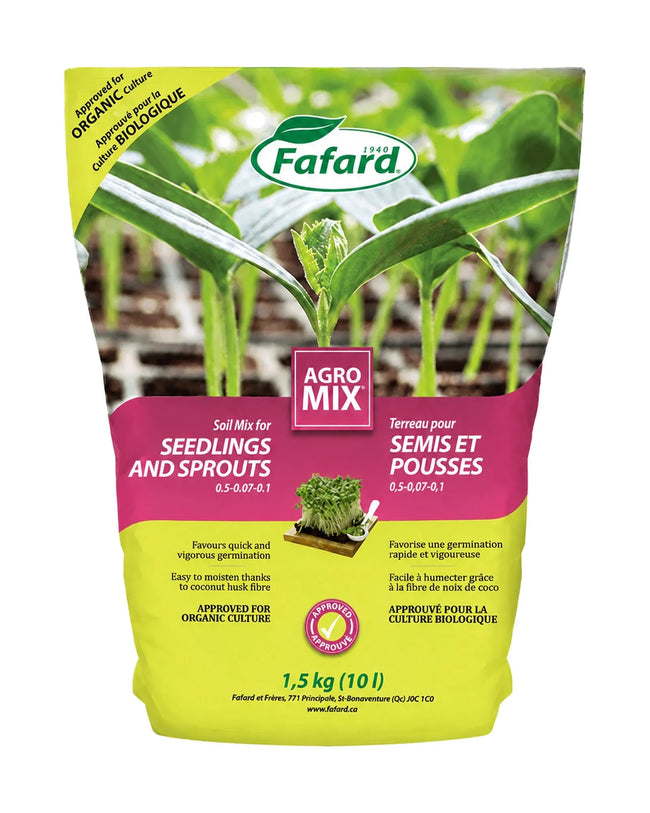
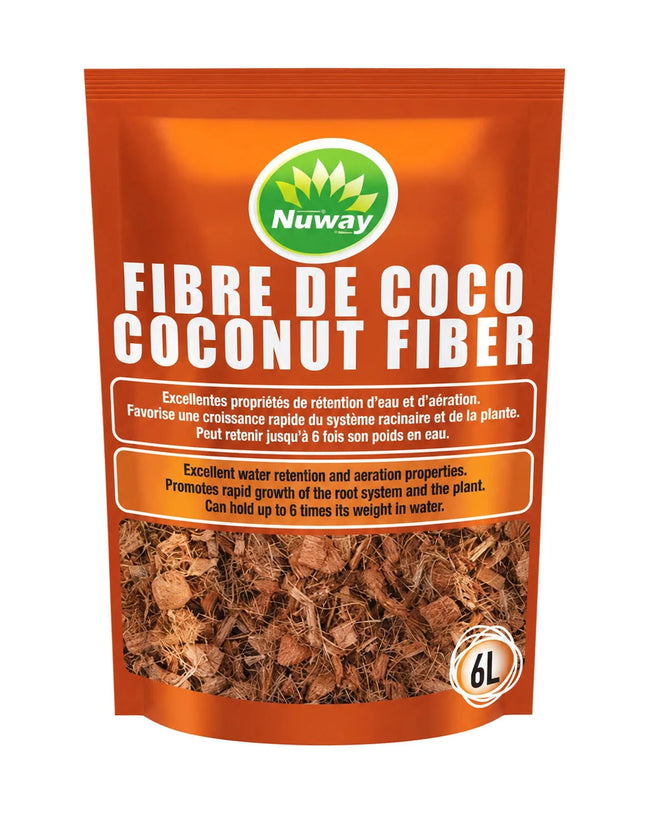
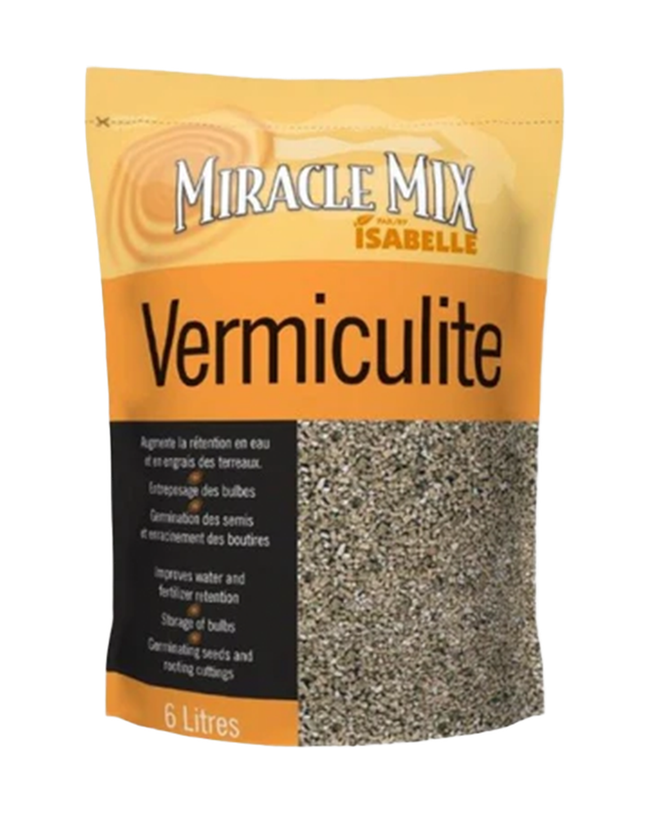
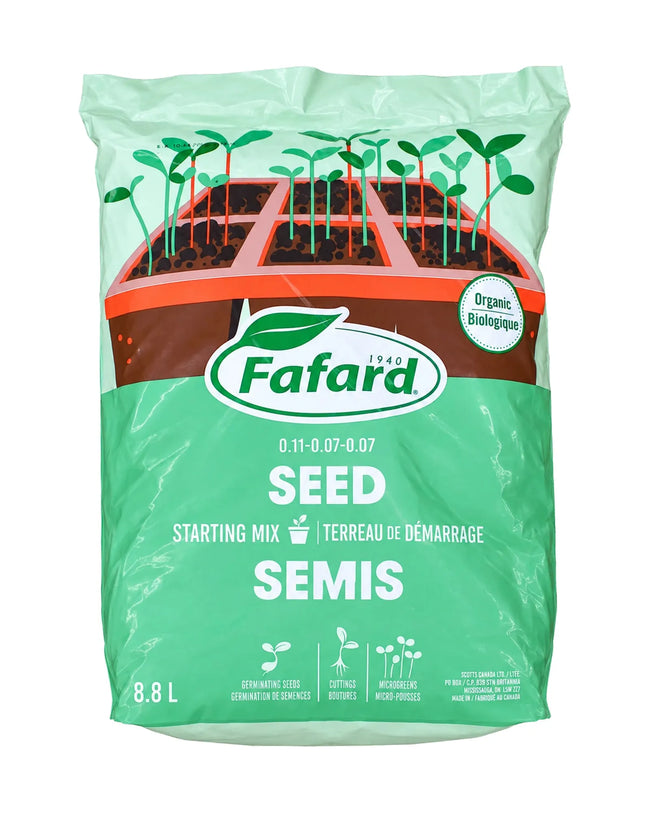
Seed Starting Soil
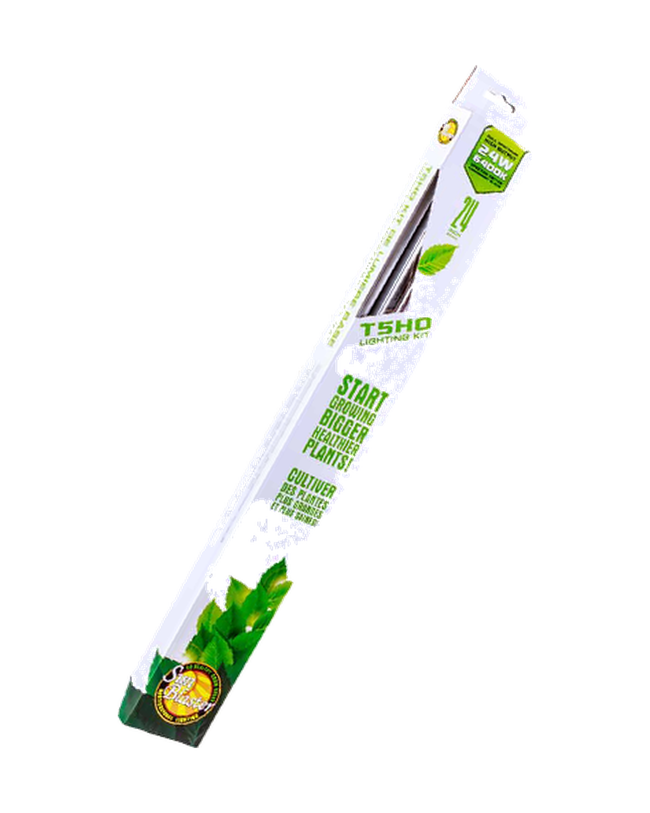
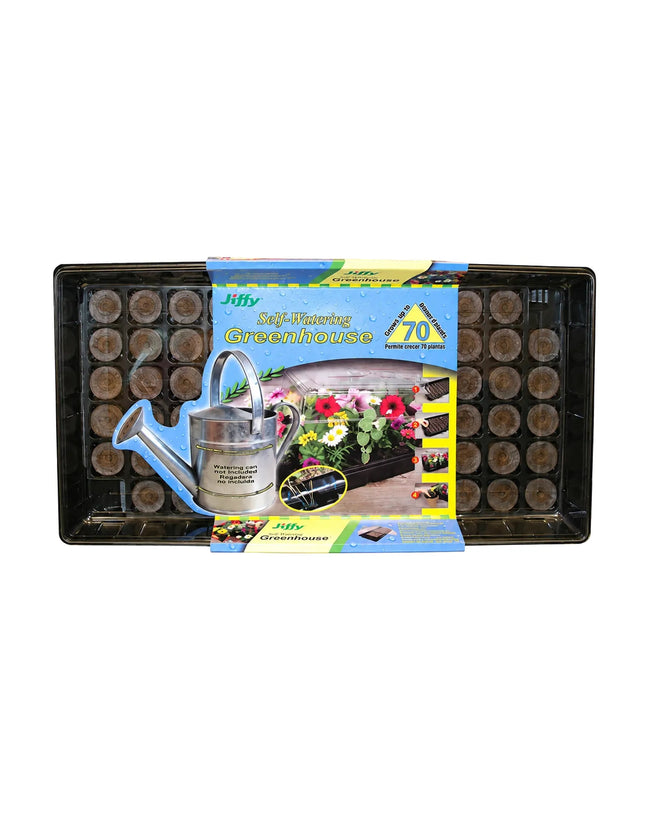
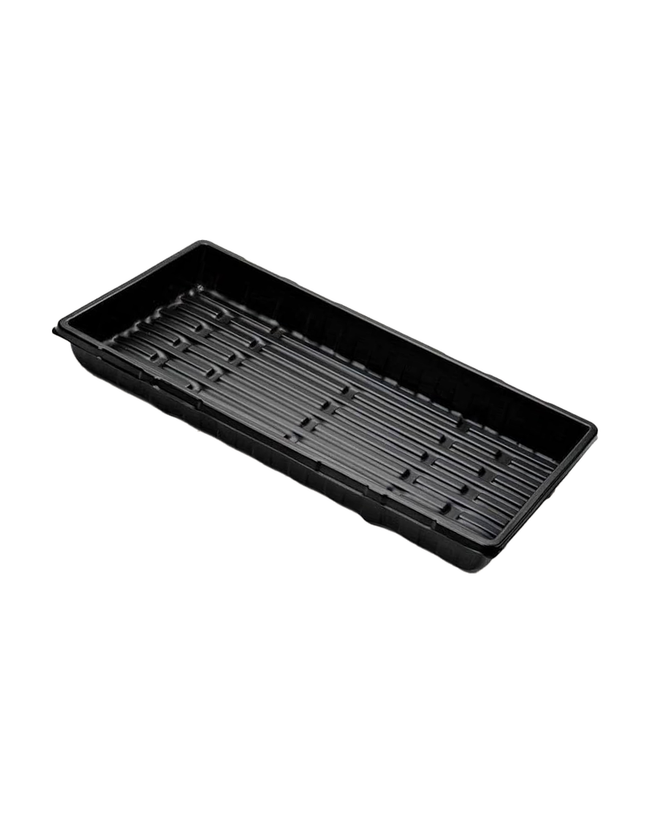
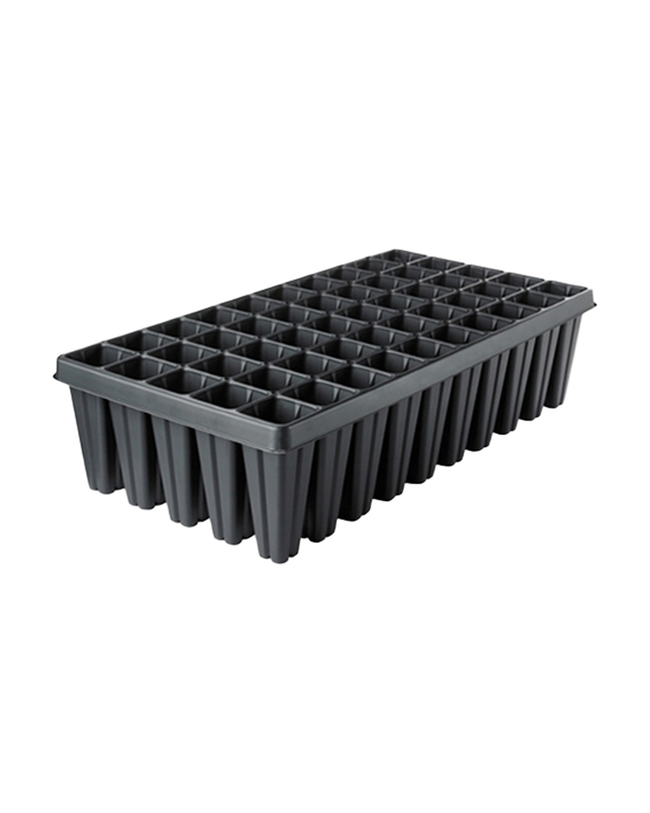
Shop the collectionSeed starting supplies
Shop the collection