‘Great Lakes 118’ lettuce

Lactuca sativa

Product code : WESTO-0273

‘Great Lakes 118’ lettuce is a lettuce cultivar selected for home food or ornamental gardens. It prefers sun to partial shade and fertile, moist, well-drained soil. Sow in spring as soon as soil can be worked, then in successions during cool weather. Sow about 3 mm deep and barely cover the seed. Allow 15 to 30 cm depending on type. Maintain even moisture and keep the seedbed cool. For best results, label the row and observe the plants regularly as conditions change through the season. Adjust watering to rainfall, wind, container size, and the actual moisture at soil level. Good air circulation and adequate spacing help foliage dry normally after rain or irrigation. Keep the growing area free of weeds that compete for light, moisture, and nutrients.
3 99 $
Pay in 4 interest-free payments with Sezzle
Detailed plant guide
Advice adapted to Canada
Secure payment
Share
Quantity
1 500 seeds
Exposure
Sun to partial shade
Life cycle
Annual

Discover the plant

Common nameLettuce
FamilyAsteraceae
GenusLactuca
Speciessativa
CultivarGreat Lakes 118
Typelettuce
Botanical nameLactuca sativa

‘Great Lakes 118’ lettuce (Lactuca sativa) ‘Great Lakes 118’ lettuce is distinguished by crisp, firm plants with a mild flavour. It is a clearly identified lettuce cultivar for gardeners who value dependable sowing information and a well-labelled crop. Its botanical identity is Lactuca sativa. Plan this variety for a home vegetable plot, raised bed, or suitable container, according to its mature size and growing requirements. For best results, label the row and observe the plants regularly as conditions change through the season. Adjust watering to rainfall, wind, container size, and the actual moisture at soil level. Good air circulation and adequate spacing help foliage dry normally after rain or irrigation.

Sow in spring as soon as soil can be worked, then in successions during cool weather. Sow about 3 mm deep and barely cover the seed. Keep the seedbed evenly moist through emergence. Allow 15 to 30 cm depending on type. Provide sun to partial shade and avoid standing water. A germination temperature of 16 to 20°C is appropriate for this crop. Thin crowded seedlings early and harden indoor-started plants gradually before transplanting. For best results, label the row and observe the plants regularly as conditions change through the season. Adjust watering to rainfall, wind, container size, and the actual moisture at soil level.

‘Great Lakes 118’ lettuce is grown for the edible portions normally harvested from this type of crop. Pick only healthy produce at the appropriate stage, handle it carefully, and rinse it according to the intended preparation. Maintain even moisture and keep the seedbed cool. Keep the planting accessible for observation, watering, harvest, or grooming. Use clean tools, remove damaged material, and store unused seed in a cool, dry, dark location. Choose compatible neighbouring plants and maintain enough room for air circulation. For best results, label the row and observe the plants regularly as conditions change through the season. Adjust watering to rainfall, wind, container size, and the actual moisture at soil level.

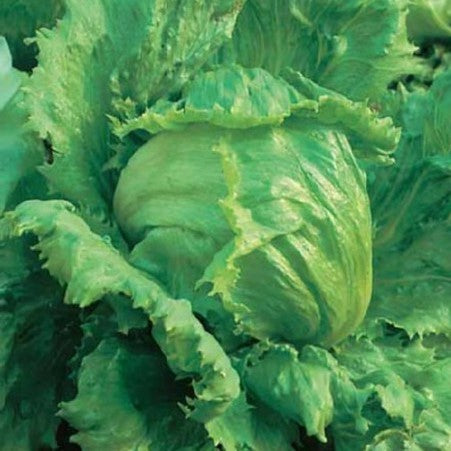
Illustration associée à Laitue Great Lakes 118, dans la gamme Weston. Great Lakes 118 produit une grosse pomme ferme de type iceberg, recherchée pour le croquant de ses feuilles. Le visuel permet de repérer la référence et l’aspect présenté pour cette sélection. Les dimensions et les couleurs observées au jardin dépendent du stade de croissance et des conditions de culture.

Sowing guide

It all startswith a seed.

Sowing depth

3 mm, barely covered

Sowing period

Sow in spring as soon as soil can be worked, then in successions during cool weather

Propagation

Seed

Growing method

Prepare a clean seedbed or containers with fertile, moist, well-drained soil. Sow in spring as soon as soil can be worked, then in successions during cool weather. Sow about 3 mm deep and barely cover the seed unless the packet gives a more specific direction. Use the following spacing as the crop develops: 15 to 30 cm depending on type. Keep the medium evenly moist during emergence without leaving it saturated. Provide sun to partial shade and good air movement. Thin crowded seedlings early so the remaining plants develop without unnecessary competition. Harden indoor-started plants gradually before transplanting them outdoors after the appropriate frost date. Maintain even moisture and keep the seedbed cool. For best results, label the row and observe the plants regularly as conditions change through the season. Adjust watering to rainfall, wind, container size, and the actual moisture at soil level. Good air circulation and adequate spacing help foliage dry normally after rain or irrigation. Keep the growing area free of weeds that compete for light, moisture, and nutrients. Use clean tools for harvest and remove damaged plant material when it appears. Always follow the packet information when a variety-specific direction differs from general guidance. A simple garden label makes the cultivar easy to identify from sowing through harvest or flowering.

Soil and care

The right care,at the right time.

Watering

Maintain even moisture and keep the seedbed cool. Check moisture at soil level instead of watering only by schedule. Water gently during germination so seeds are not displaced, then direct irrigation toward the root zone. Avoid standing water and adjust frequency after rain. For best results, label the row and observe the plants regularly as conditions change through the season. Adjust watering to rainfall, wind, container size, and the actual moisture at soil level.

Soil type

‘Great Lakes 118’ lettuce performs best in fertile, moist, well-drained soil. Loosen compacted ground before sowing and remove large stones or persistent weeds. Mature compost may improve poor soil, but avoid creating a heavy or waterlogged seedbed. For best results, label the row and observe the plants regularly as conditions change through the season. Adjust watering to rainfall, wind, container size, and the actual moisture at soil level. Good air circulation and adequate spacing help foliage dry normally after rain or irrigation. Keep the growing area free of weeds that compete for light, moisture, and nutrients.

Fertilization

Prepare the soil with mature compost when fertility is low. A light, balanced fertilizer may be used according to its label, but excessive feeding can cause weak or unbalanced growth. Observe leaf colour and plant development before adding more nutrients. Water after any application. For best results, label the row and observe the plants regularly as conditions change through the season. Adjust watering to rainfall, wind, container size, and the actual moisture at soil level.

Moisture

Even, without standing water

Seasonal care

At sowing time, prepare fertile, moist, well-drained soil and follow this timing: Sow in spring as soon as soil can be worked, then in successions during cool weather. Keep the surface moist until emergence, label the row, and thin seedlings according to the recommended spacing. During active growth, provide sun to partial shade and monitor soil moisture, weeds, and leaf condition. Maintain even moisture and keep the seedbed cool. In warm or windy weather, check containers and exposed beds more frequently. Remove damaged material and keep enough space for air circulation. At harvest or after flowering, use clean tools and clear unhealthy debris. Healthy residue may be composted where appropriate. At the end of the season, clean containers and tools, record useful observations, and store remaining seed in a cool, dry, dark place. For best results, label the row and observe the plants regularly as conditions change through the season. Adjust watering to rainfall, wind, container size, and the actual moisture at soil level. Good air circulation and adequate spacing help foliage dry normally after rain or irrigation. Keep the growing area free of weeds that compete for light, moisture, and nutrients. Use clean tools for harvest and remove damaged plant material when it appears. Always follow the packet information when a variety-specific direction differs from general guidance. A simple garden label makes the cultivar easy to identify from sowing through harvest or flowering. Check young plants frequently because small moisture or pest problems are easier to address early.

Container growing

A garden,within reach.

Recommended pot size

Drained container suitable for adult development; see growing tips.
A sufficiently wide tray provides access to the leaves; adjust its depth to root development and use a potting mix for containers. Great Lakes 118 is grown for a crisp head of lettuce. Allow the heart to fill without suffocating the outer leaves, then check for firmness before cutting; a simple height of foliage does not confirm head formation. A fine seedbed, without a compact crust, facilitates the emergence of small seeds; keep the soil capable of retaining regular moisture. Water gently during establishment, then check for moisture under the leaves; a surface shaded by foliage can mask already dry soil. Support leaf production with inputs adapted to actual fertility, without systematically increasing doses after each small cut. Organize cuts so as not to trample the soil in the row, leaving space between the greens and large neighboring plants. During harvest, remove damaged leaves and observe the heart of the plant; the tender stage changes when bolting sets in. End the season by removing diseased residues and noting useful cutting dates to better distribute future sowings. Great Lakes 118 produces a large, firm iceberg-type head, sought after for the crispness of its leaves. Great Lakes provides the desired crispness of a head lettuce. Plan sowing for the period suitable for the chosen greens and thin early so that the young leaves are not completely covered.
Illustration associée à Laitue Great Lakes 118, dans la gamme Weston. Great Lakes 118 produit une grosse pomme ferme de type iceberg, recherchée pour le croquant de ses feuilles. Le visuel permet de repérer la référence et l’aspect présenté pour cette sélection. Les dimensions et les couleurs observées au jardin dépendent du stade de croissance et des conditions de culture.

Bloom and dimensions

Its place,in your garden.

Mature height

10–12 in. (25–30 cm)

Width / spread

30 to 36 cm (12–14 in)

Days to maturity

50 to 55 days — supplier reference

Harvest

Great Lakes 118 is grown for a crisp lettuce apple.
Illustration associée à Laitue Great Lakes 118, dans la gamme Weston. Great Lakes 118 produit une grosse pomme ferme de type iceberg, recherchée pour le croquant de ses feuilles. Le visuel permet de repérer la référence et l’aspect présenté pour cette sélection. Les dimensions et les couleurs observées au jardin dépendent du stade de croissance et des conditions de culture.

Garden associations

In goodcompany.

Companion plants

A border of radishes or lettuces can accompany this greenery if seasonal needs coincide; keep each row accessible for thinning and harvesting without disturbing neighboring roots. Organize cuts so as not to trample the soil of the row, leaving space between the greens and neighboring large plants. Great Lakes 118 produces a large, firm iceberg-type head, sought after for the crispness of its leaves. A sufficiently wide container provides access to the leaves; adapt its depth to root development and use a potting mix for containers. Water gently during establishment, then check the moisture under the leaves; a surface shaded by foliage can mask already dry soil. Prepare the next cultivation plan with the dates actually observed this season.

Recipe idea

From the gardento your plate.

Edible parts

Leaves
For four small salads, you will need 300g (10oz) of Great Lakes 118 Lettuce, 30ml (2 tbsp) olive oil, 15ml (1 tbsp) mild vinegar, and a pinch of salt. Wash in potable water and remove any damaged parts. Drain thoroughly, then cut according to the shape and tenderness of the harvest. Mix oil and vinegar in a large bowl, add some of the dressing and taste before adding the rest. Stir gently to coat without crushing. Serve immediately, keeping a portion unseasoned if the meal is expected to be prolonged. Great Lakes provides the desired crunch of a crisphead lettuce. Cut only the necessary portion and keep the rest clean and fresh to avoid wilting the entire head. Serve a small initial portion to adjust the seasoning to the actual taste of this harvest, then distribute the rest among the guests. Quickly cool leftovers in a shallow container and refrigerate. This preparation is for a meal; it is not a method of preservation at room temperature.

Frequently asked questions

Your questions,answered.

How should ‘Great Lakes 118’ lettuce be sown?
Sow in spring as soon as soil can be worked, then in successions during cool weather. Prepare fertile, moist, well-drained soil. Sow about 3 mm deep and barely cover the seed. Keep the seedbed evenly moist until emergence without saturating it. Label the row and provide sun to partial shade. Thin crowded seedlings so the final spacing follows this guidance: 15 to 30 cm depending on type. If plants are started indoors, provide strong light and harden them gradually before transplanting outdoors at the appropriate time. For best results, label the row and observe the plants regularly as conditions change through the season. Adjust watering to rainfall, wind, container size, and the actual moisture at soil level. Good air circulation and adequate spacing help foliage dry normally after rain or irrigation.
Which location is best for ‘Great Lakes 118’ lettuce?
‘Great Lakes 118’ lettuce prefers sun to partial shade and fertile, moist, well-drained soil. Choose a location that leaves enough room for 15 to 30 cm depending on type. Avoid low spots where water remains after rain. In a container, use drainage holes and a clean growing mix. Observe how light moves across the space during the day, especially near buildings or taller plants. For best results, label the row and observe the plants regularly as conditions change through the season. Adjust watering to rainfall, wind, container size, and the actual moisture at soil level. Good air circulation and adequate spacing help foliage dry normally after rain or irrigation. Keep the growing area free of weeds that compete for light, moisture, and nutrients.
How should ‘Great Lakes 118’ lettuce be watered?
Maintain even moisture and keep the seedbed cool. During germination, use a gentle spray or careful watering so seed is not displaced. After establishment, water at soil level when the surface begins to dry. Adjust frequency to rainfall, heat, wind, soil texture, and container size. Avoid standing water because roots still require oxygen. Morning watering can help foliage dry normally during the day. For best results, label the row and observe the plants regularly as conditions change through the season. Adjust watering to rainfall, wind, container size, and the actual moisture at soil level. Good air circulation and adequate spacing help foliage dry normally after rain or irrigation. Keep the growing area free of weeds that compete for light, moisture, and nutrients.
What maintenance does ‘Great Lakes 118’ lettuce need?
Keep the planting labelled, weeded, and appropriately spaced. Check young plants regularly for wilting, chewing damage, discolouration, or crowding. Provide sun to partial shade and maintain the moisture pattern described for the crop. Use clean tools, avoid deep cultivation near established roots, and remove unhealthy debris. Apply any fertilizer or pest-control product only according to its label. For best results, label the row and observe the plants regularly as conditions change through the season. Adjust watering to rainfall, wind, container size, and the actual moisture at soil level. Good air circulation and adequate spacing help foliage dry normally after rain or irrigation. Keep the growing area free of weeds that compete for light, moisture, and nutrients. Use clean tools for harvest and remove damaged plant material when it appears.
When should ‘Great Lakes 118’ lettuce be harvested?
Harvest ‘Great Lakes 118’ lettuce when the edible part reaches the stage described for the cultivar or on the packet. Pick during the cooler part of the day when practical and use clean tools. Remove damaged portions, rinse according to the intended preparation, and cool perishable produce promptly. Regular picking may extend production for crops that continue forming leaves, pods, or fruit. Stop using any plant material that appears spoiled or unidentified. For best results, label the row and observe the plants regularly as conditions change through the season. Adjust watering to rainfall, wind, container size, and the actual moisture at soil level. Good air circulation and adequate spacing help foliage dry normally after rain or irrigation.