


Sale
Sold out

flower
Asteraceae
Ox-eye Daisy Seeds
Leucanthemum vulgare
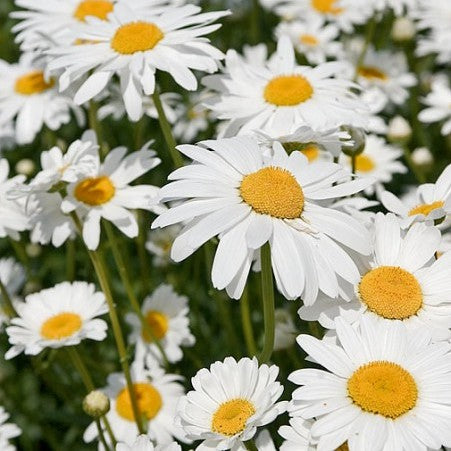
Ox-eye daisy is a perennial with white petals around yellow centres, carried on sturdy stems about 70 cm tall. Use its bright flowers in beds and bouquets. Place the plants where their mature size can be accommodated and follow the sowing instructions.
- Exposure
- Sun to partial shade
- Life cycle
- Perennial
Discover the plant
Common nameOx-eye daisy
FamilyAsteraceae
GenusLeucanthemum
Speciesvulgare
Typeflower
Botanical nameLeucanthemum vulgare
Ox-eye Daisy Seeds (Leucanthemum vulgare) Ox-eye daisy is a perennial with white petals around yellow centres, carried on sturdy stems about 70 cm tall. Use its bright flowers in beds and bouquets. Adjust outdoor sowing to local frost dates and soil conditions.
Start indoors in March or April, or direct sow once soil warms. Sow and cover very lightly; light aids germination. Keep the seedbed evenly moist through emergence. Allow 30 to 40 cm between plants. Provide sun to partial shade and avoid standing water. A germination temperature of 15 to 18°C is appropriate for this crop. Thin crowded seedlings early and harden indoor-started plants gradually before transplanting.
Place the plants where their mature size can be accommodated and follow the sowing instructions. Harvest at the stage described for this selection.

Sowing guide
It all startswith a seed.
Sowing depth
Cover very lightly; light aids germination
Spacing / density
30 to 40 cm between plants
Germination temperature
15 to 18°C
Germination time
21 to 28 days
Sowing period
Start indoors in March or April, or direct sow once soil warms; adjust to local frost dates and soil temperatures.
Propagation
Seed
Growing method
Prepare a clean seedbed or containers with moist, well-drained soil. Start indoors in March or April, or direct sow once soil warms. Sow and cover very lightly; light aids germination unless the packet gives a more specific direction. Use the following spacing as the crop develops: 30 to 40 cm between plants. Keep the medium evenly moist during emergence without leaving it saturated. Provide sun to partial shade and good air movement. Thin crowded seedlings early so the remaining plants develop without unnecessary competition. Harden indoor-started plants gradually before transplanting them outdoors after the appropriate frost date. Keep moist during emergence, then water during dry periods.
Soil and care
The right care,at the right time.
Watering
Keep moist during emergence, then water during dry periods. Check moisture at soil level instead of watering only by schedule. Water gently during germination so seeds are not displaced, then direct irrigation toward the root zone. Avoid standing water and adjust frequency after rain.
Soil type
Ox-eye daisy performs best in moist, well-drained soil. Loosen compacted ground before sowing and remove large stones or persistent weeds. Mature compost may improve poor soil, but avoid creating a heavy or waterlogged seedbed.
Fertilization
Prepare the soil with mature compost when fertility is low. A light, balanced fertilizer may be used according to its label, but excessive feeding can cause weak or unbalanced growth. Observe leaf colour and plant development before adding more nutrients. Water after any application.
Seasonal care
At sowing time, prepare moist, well-drained soil and follow this timing: Start indoors in March or April, or direct sow once soil warms. Keep the surface moist until emergence, label the row, and thin seedlings according to the recommended spacing. During active growth, provide sun to partial shade and monitor soil moisture, weeds, and leaf condition. Keep moist during emergence, then water during dry periods. In warm or windy weather, check containers and exposed beds more frequently. Remove damaged material and keep enough space for air circulation. At harvest or after flowering, use clean tools and clear unhealthy debris. Healthy residue may be composted where appropriate. At the end of the season, clean containers and tools, record useful observations, and store remaining seed in a cool, dry, dark place.
Container growing
A garden,within reach.
Choose a pot that allows the clump to develop and keeps the flowers accessible.

Bloom and dimensions
Its place,in your garden.
Mature height
51 to 61 cm (20–24 in)
Width / spread
15 to 20 cm (6–8 in)
Harvest
Harvest at the stage described for this selection.
Garden associations
In goodcompany.
Companion plants
Low foliage plants can complement the flowers when their light requirements are compatible.
Other recommended plants
Lupin Mix; Tuscan Classic Sunflower; Bird of Paradise
Frequently asked questions
Your questions,answered.
How should Ox-eye daisy be sown?
Start indoors in March or April, or direct sow once soil warms. Prepare moist, well-drained soil. Sow and cover very lightly; light aids germination. Keep the seedbed evenly moist until emergence without saturating it. Label the row and provide sun to partial shade. Thin crowded seedlings so the final spacing follows this guidance: 30 to 40 cm between plants. If plants are started indoors, provide strong light and harden them gradually before transplanting outdoors at the appropriate time.
Where should I grow Ox-eye Daisy?
Light: Sun to partial shade. Prepare soil for the flower’s needs, keeping the root zone well aerated. Light: Sun to partial shade. Ox-eye daisy prefers sun to partial shade and moist, well-drained soil. Choose a location that leaves enough room for 30 to 40 cm between plants. Avoid low spots where water remains after rain. In a container, use drainage holes and a clean growing mix. Observe how light moves across the space during the day, especially near buildings or taller plants.
How should I water Ox-eye Daisy?
Water at the base and check root-ball moisture, especially after transplanting. Keep moist during emergence, then water during dry periods. During germination, use a gentle spray or careful watering so seed is not displaced. After establishment, water at soil level when the surface begins to dry. Adjust frequency to rainfall, heat, wind, soil texture, and container size. Avoid standing water because roots still require oxygen. Morning watering can help foliage dry normally during the day.
What maintenance does Ox-eye daisy need?
Keep the planting labelled, weeded, and appropriately spaced. Check young plants regularly for wilting, chewing damage, discolouration, or crowding. Provide sun to partial shade and maintain the moisture pattern described for the crop. Use clean tools, avoid deep cultivation near established roots, and remove unhealthy debris. Apply any fertilizer or pest-control product only according to its label.
How can Ox-eye daisy flower well?
Flowering depends on sowing time, temperature, light, and normal plant development. Give Ox-eye daisy sun to partial shade, suitable spacing, and steady care without waterlogging the roots. Avoid excessive nitrogen, which can favour soft foliage over flowers. Remove faded blooms when appropriate, or leave selected heads to mature when seed collection or wildlife value is desired.
For a great start to your seeds
The right extras.Right here.
Seed Starting Soil
Shop the collectionSeed starting supplies
Shop the collection





