Sale
Sold out

Processed
Cucurbitaceae
Watermelon pollinator Ace F1
Citrullus lanatus
Product code : NOR-GR04
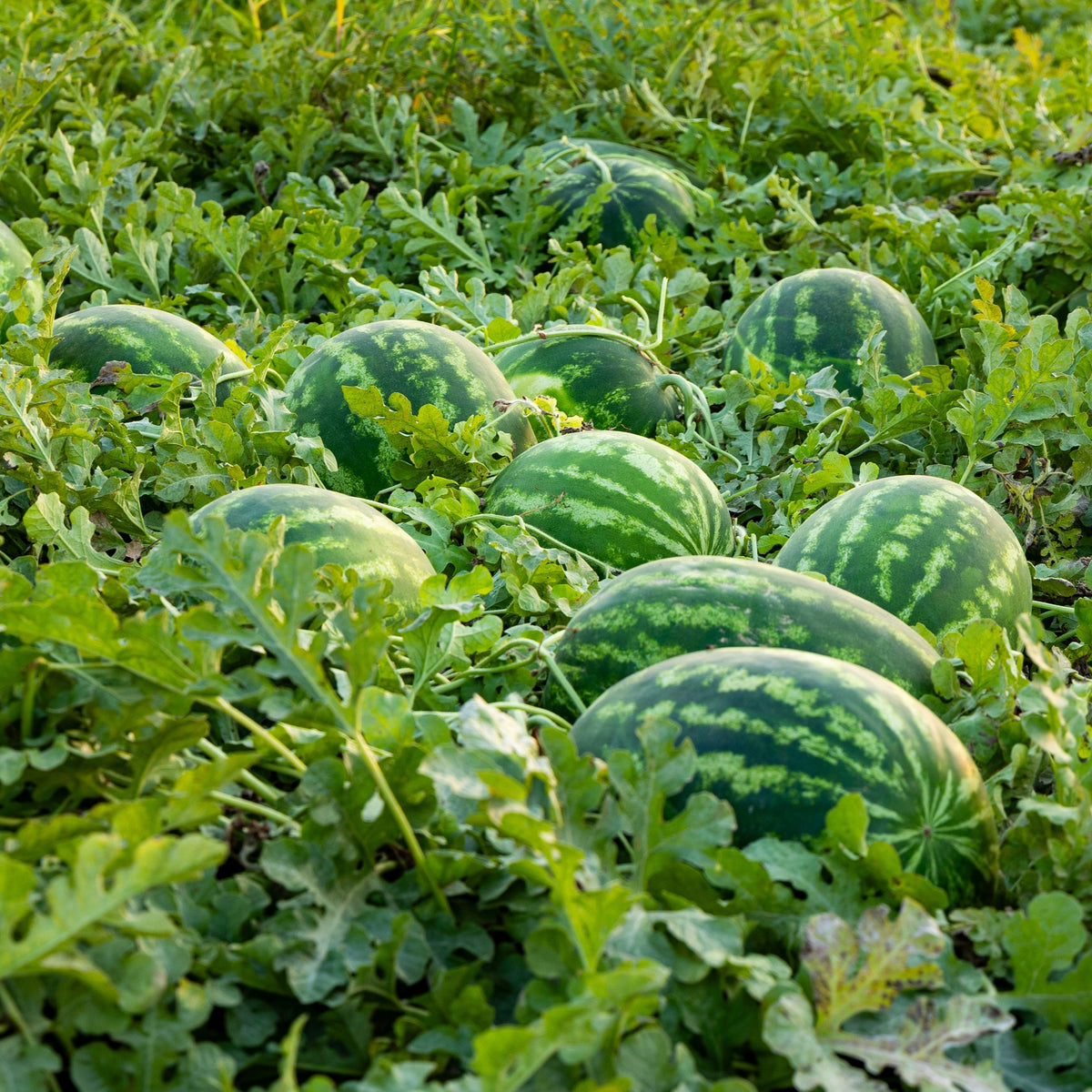
The 'Ace F1' watermelon is a variety specially developed to pollinate seedless watermelons. Its long, vigorous vine effectively brings pollen to the plants, while its abundant flowering promotes optimal pollination and a good harvest. Although it is not harvested for its fruit, it plays an essential role in the cultivation of seedless watermelons. This variety matures 70 days after transplanting. The packet contains 5 seeds to start your planting. Reserve a sunny part of the garden for the watermelon where the stems can occupy the soil without smothering neighboring rows.
- Quantity
- 5 seeds
- Exposure
- Sun
- Life cycle
- Annual in cultivation in Quebec
Discover the plant
Common nameWatermelon pollinator Ace F1
FamilyCucurbitaceae
GenusCitrullus
Specieswoolly
CultivarAce pollinator
TypeProcessed
Botanical nameCitrullus lanatus
Ace F1 Pollinator Watermelon (Citrullus lanatus). 'Ace F1' watermelon is a variety specifically developed to pollinate seedless watermelons. Its long, vigorous vine effectively brings pollen to the plants, while its abundant flowering promotes optimal pollination and a good harvest. Although it is not harvested for its fruit, it plays an essential role in growing seedless watermelons. This variety matures 70 days after transplanting. The packet contains 5 seeds to start your planting.
The sowing schedule for this variety is as follows: indoors, 4 weeks before the last frost. Watermelon requires a warm season and stress-free root recovery. If you start plants indoors, use individual containers and transplant before the roots become crowded. Keep the root ball intact and acclimate the foliage to the sun. Planting should be done in warmed soil. A young plant exposed too early to cold loses growing time that subsequent heat does not always make up for.
Ensure a successful harvest of seedless watermelons with the 'Ace F1' pollinator, a robust and essential variety for your gardens! Start observing the harvest of this variety around 70 days after transplanting; then check the desired color, firmness, and size for picking. This variety has the following characteristic at harvest: fruit shape — round-oval. It is best to harvest the watermelon after a good period of sunshine, as this is when it will be at its best. After a period of rain, you risk having bland-tasting and less sweet watermelons.

Sowing guide
It all startswith a seed.
Spacing / density
Place the seedlings in small mounds 1 m apart, in rows spaced 1 m to 1.5 m apart.
Sowing period
Indoors, 4 weeks before the last frost
Propagation
Sowing
Growing method
Plant seeds or transplants in rich, well-drained soil in full sun. The sowing schedule for this variety is as follows: indoors, 4 weeks before the last frost. To establish this variety, first choose a location corresponding to its exposure: full sun. They prefer well-drained, fertile soil with a pH between 6.5 and 7, rich in organic matter, with a high level of humus and nitrogen. When planting this variety, spacing should be 1m apart for mounds of seedlings, with rows spaced 1m to 1.5m apart. Install support for this variety before the stems lengthen and guide the first shoots to the support points; this allows the foliage to occupy the height without intertwining with neighboring crops. Pair this variety with a compatible pollinator variety: the "seedless" designation describes the fruit and does not negate the need for pollination in the garden. To ensure good pollination, it is essential to plant 1 Ace pollinator plant for every 2 seedless melon plants in your garden.
Soil and care
The right care,at the right time.
Soil pH
6.5
Watering
Watermelon pollinator 'Ace F1' (Citrullus lanatus), offered by seed producer WH Perron. 'Ace F1' watermelon is a variety specially developed to pollinate seedless watermelons. Although it is not harvested for its fruit, it plays an essential role in the cultivation of seedless watermelons. To ensure good pollination, it is essential to plant 1 'Ace F1' pollinator plant for every 2 seedless watermelon plants.
Soil type
Plant seeds or transplants in rich, well-drained soil and full sun. To install this variety, first choose a location that matches its sun exposure requirements: full sun. They like well-drained, fertile soil, with a pH between 6.5 and 7, rich in organic matter, with high levels of humus and nitrogen. For this variety, prepare fertile soil before planting, then adjust the nutrient input during flowering and fruit development; a very leafy plant does not automatically warrant more fertilizer.
Fertilization
For this variety, prepare fertile soil before planting, then adjust the fertilizer applications during flowering and fruit enlargement; a very leafy plant does not automatically justify more fertilizer. To plant this variety, first choose a location corresponding to its exposure: full sun. They like well-drained, fertile soil, with a pH between 6.5 and 7, rich in organic matter, with a high level of humus and nitrogen.
Seasonal care
Ensure regular watering and mulching to maintain moisture and limit weeds. To ensure good pollination, it is essential to plant 1 Ace pollinator plant for every 2 seedless melon plants in your garden. The sowing schedule for this variety is as follows: indoors, 4 weeks before the last frost. For this variety, prepare fertile soil before planting, then adjust nutrient input during flowering and fruit enlargement; a very leafy plant does not automatically justify more fertilizer. Begin monitoring the harvest of this variety around 70 days after transplanting; check for the desired color, firmness, and size for picking. This variety has the following characteristic at harvest: fruit shape — round-oval. It is best to harvest melons after a good period of sunshine, as this is when they will be at their best. After a period of rain, you risk having bland-tasting and less sweet melons. Finally, prefer to harvest in the evening rather than in the morning, after a beautiful sunny day, to guarantee sweeter melons. When planting this variety, the recommended spacing is to place seedlings in small mounds spaced 1 m apart, in rows spaced 1 m to 1.5 m apart.
Container growing
A garden,within reach.
Place the container of this variety in this exposure: full sun, checking the light received throughout the day. The sowing schedule for this variety is as follows: indoors, 4 weeks before the last frost. To plant this variety, first choose a location corresponding to its exposure: full sun. They prefer well-drained, fertile soil, with a pH between 6.5 and 7, rich in organic matter, with high levels of humus and nitrogen. To ensure good pollination, it is essential to plant 1 'Ace' pollinator plant for every 2 seedless melon plants in your garden. The packet contains 5 seeds to start your planting. Plant seeds or transplants in rich, well-drained soil, in full sun. 'Ace F1' pollinator watermelon (Citrullus lanatus), offered by seed producer WH Perron The 'Ace F1' watermelon is a variety specially developed to pollinate seedless watermelons. Although not harvested for its fruit, it plays an essential role in growing seedless watermelons. Ensure regular watering and mulching to maintain moisture and limit weeds.
Bloom and dimensions
Its place,in your garden.
Fruiting
'Ace F1' pollinator watermelon ( Citrullus lanatus ), offered by seed producer WH Perron The 'Ace F1' watermelon is a variety specially developed to pollinate seedless watermelons. Its long, vigorous vines effectively bring pollen to the plants, while its abundant flowering promotes optimal pollination and a good harvest. Although it is not harvested for its fruit, it plays an essential role in growing seedless watermelons.
Days to maturity
70 days post-transplant
Harvest
Harvest the fruit when it is ripe for the variety by cutting its stem with a clean tool. For courgettes and cucumbers, frequent picking will ensure tender fruit.

Garden associations
In goodcompany.
Companion plants
When planting this variety, spacing should be 1 m between plantlets on small mounds, with rows spaced 1 m to 1.5 m apart. Install supports for this variety before the stems lengthen and guide the first shoots towards the support points; this allows the foliage to grow upwards without intertwining with neighboring crops.
Recipe idea
From the gardento your plate.
Edible parts
Fruits
Recipe idea with your Ace F1 pollinator watermelon harvest. Prepare a mint watermelon salad. Wash the rind before opening the ripe fruit, then remove inedible parts and seeds when present. Cut the flesh into regular bite-sized pieces and place them in a clean bowl. Add some chopped mint leaves and a squeeze of lime juice. Mix gently to preserve the pieces. Serve chilled in small cups, as an accompaniment to a summer meal or as a fruity dessert. Taste before adjusting seasoning and adapt quantities to the number of people at the table. Serve the preparation with bread, rice, or another simple side dish that highlights the harvested vegetable. Prepare small portions to enjoy the freshness of the picking. Use a clean cutting board, remove damaged parts, and rinse the harvested produce before starting.
Frequently asked questions
Your questions,answered.
When to start Ace F1 pollinator watermelon seeds?
The sowing schedule for this variety is as follows: indoors, 4 weeks before the last frost. Melons require a warm season and a recovery period free from root stress. If you start plants indoors, use individual containers and transplant before the roots become crowded. Keep the root ball intact and acclimate the foliage to the sun. Planting should be done in warmed soil. A young plant exposed too early to cold loses growth time that subsequent warmth does not always make up for. While the melons are growing, maintain consistent moisture at the base and allow the leaves to capture sunlight.
What kind of support is needed for Ace F1 Pollinator Watermelon?
When planting this variety, the recommended spacing is to place the seedlings in small mounds 1 m apart, in rows spaced 1 m to 1.5 m apart. Install the support for this variety before the stems lengthen and guide the first shoots to the support points; the foliage can then occupy the height without intertwining with neighboring crops. Associate this variety with a compatible pollinator variety: the "seedless" mention describes the fruits and does not eliminate the need for pollination in the garden.
When to harvest Ace F1 pollinator watermelon?
Start observing this variety for harvesting when it approaches 70 days after transplanting; check for the desired color, firmness, and size for picking. This variety has the following characteristic at harvest: fruit shape—round-oval. It is best to harvest melons after a good period of sunshine, as this is when they will be at their best. After a period of rain, you risk having melons that are bland in taste and less sweet. Finally, prefer harvesting in the evening rather than in the morning, after a beautiful sunny day, as this guarantees sweeter melons.
What location is suitable for Ace F1 Pollinator Watermelon?
To install this variety, first choose a location corresponding to its exposure: full sun. They like well-drained, fertile soil, with a pH between 6.5 and 7, rich in organic matter, with a high level of humus and nitrogen. When planting this variety, the spacing to remember is to place the seedlings in small mounds 1 m apart, in rows spaced 1 m to 1.5 m apart. Place the seedlings in small mounds 1 m apart, in rows spaced 1 m to 1.5 m apart. Install the support for this variety before the stems lengthen and guide the first shoots towards the support points; the foliage can thus occupy the height without mixing with neighboring crops.
How to water Ace F1 pollinator watermelon during its growth?
To ensure good pollination, it is essential to plant 1 Ace pollinator plant for every 2 seedless melon plants in your garden. To establish this variety, first choose a location that matches its sun exposure: full sun. They prefer well-drained, fertile soil with a pH between 6.5 and 7, rich in organic matter, with a high level of humus and nitrogen. As the melons grow, maintain consistent moisture at the base and allow the leaves to absorb light. Avoid frequently moving the vines or twisting the stems. The stage of ripeness is judged according to the type of melon: observe changes in color, the appearance of the stem, and the specific indicators for the variety.
Wildlife and pets
Life,around your plants.
Supporting wildlife
This planting can attract pollinating insects. Place the plants in an area where you can observe visits without hindering their access. Protect the flowers during their blooming period and avoid unnecessary treatments on the vegetation. Combine different flowering periods in the garden to distribute resources throughout the season.
For a great start to your seeds
The right extras.Right here.
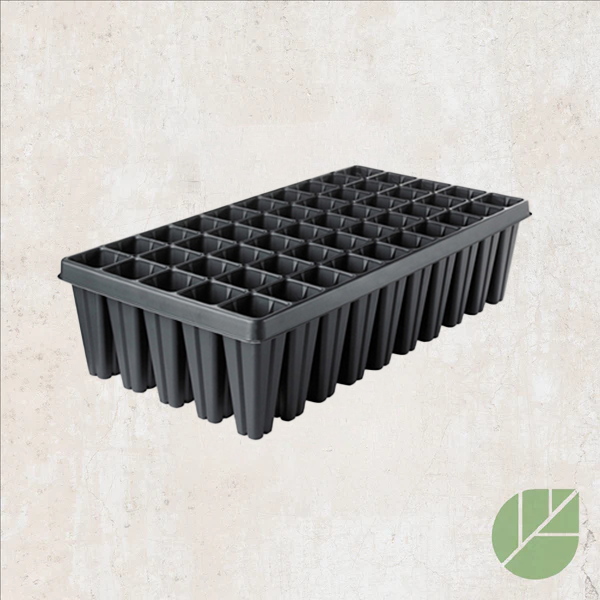
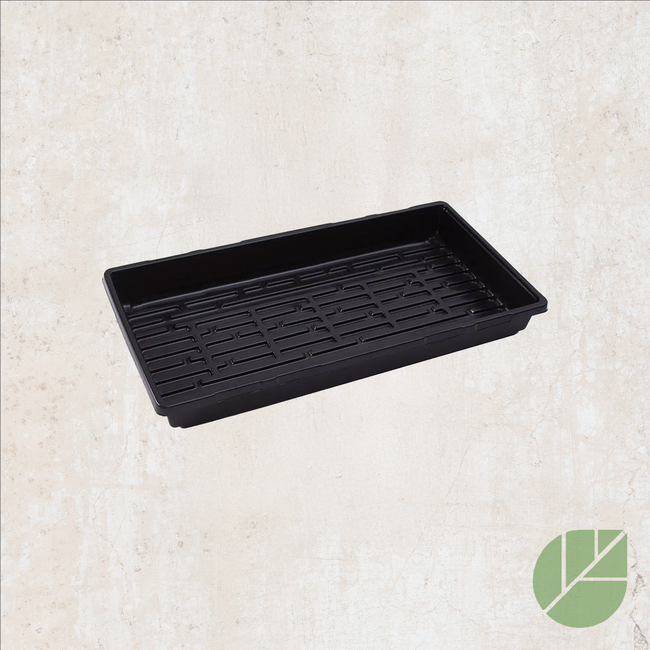
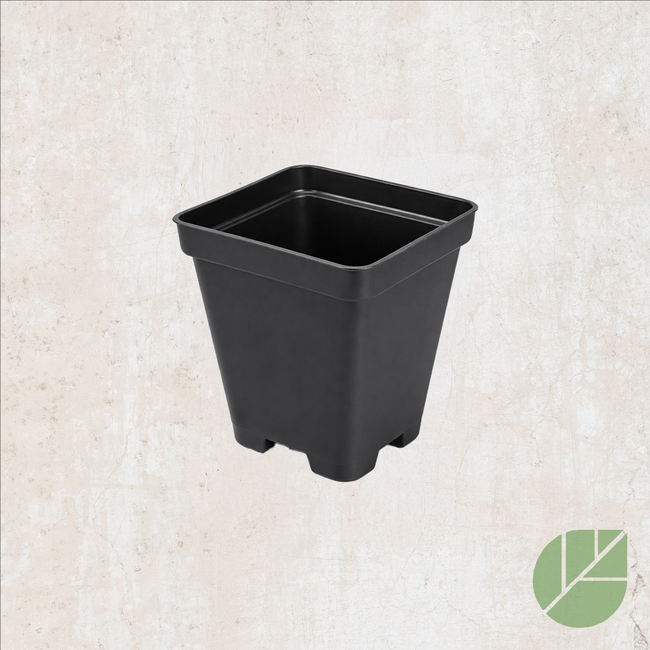
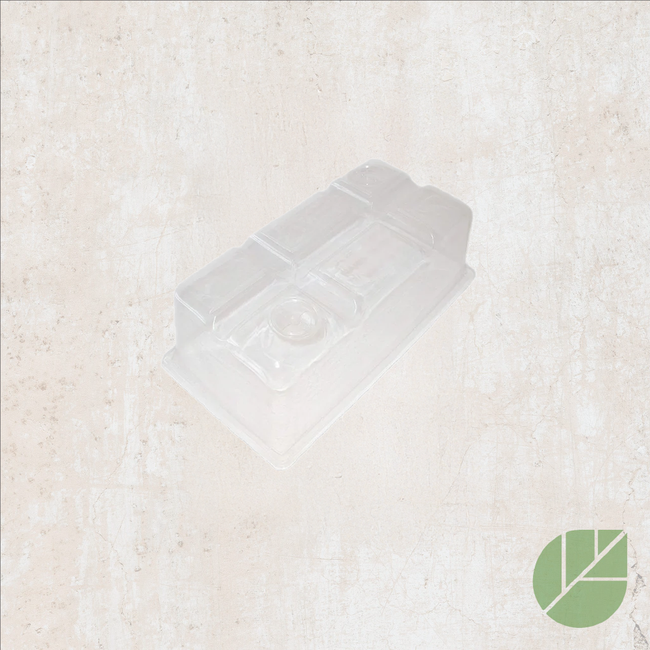
Platters, pots and domes
Shop the collection
Seed Starting Soil
Shop the collectionSeed starting supplies
Shop the collection