Sale
Sold out

Perennial flower
Lamiaceae
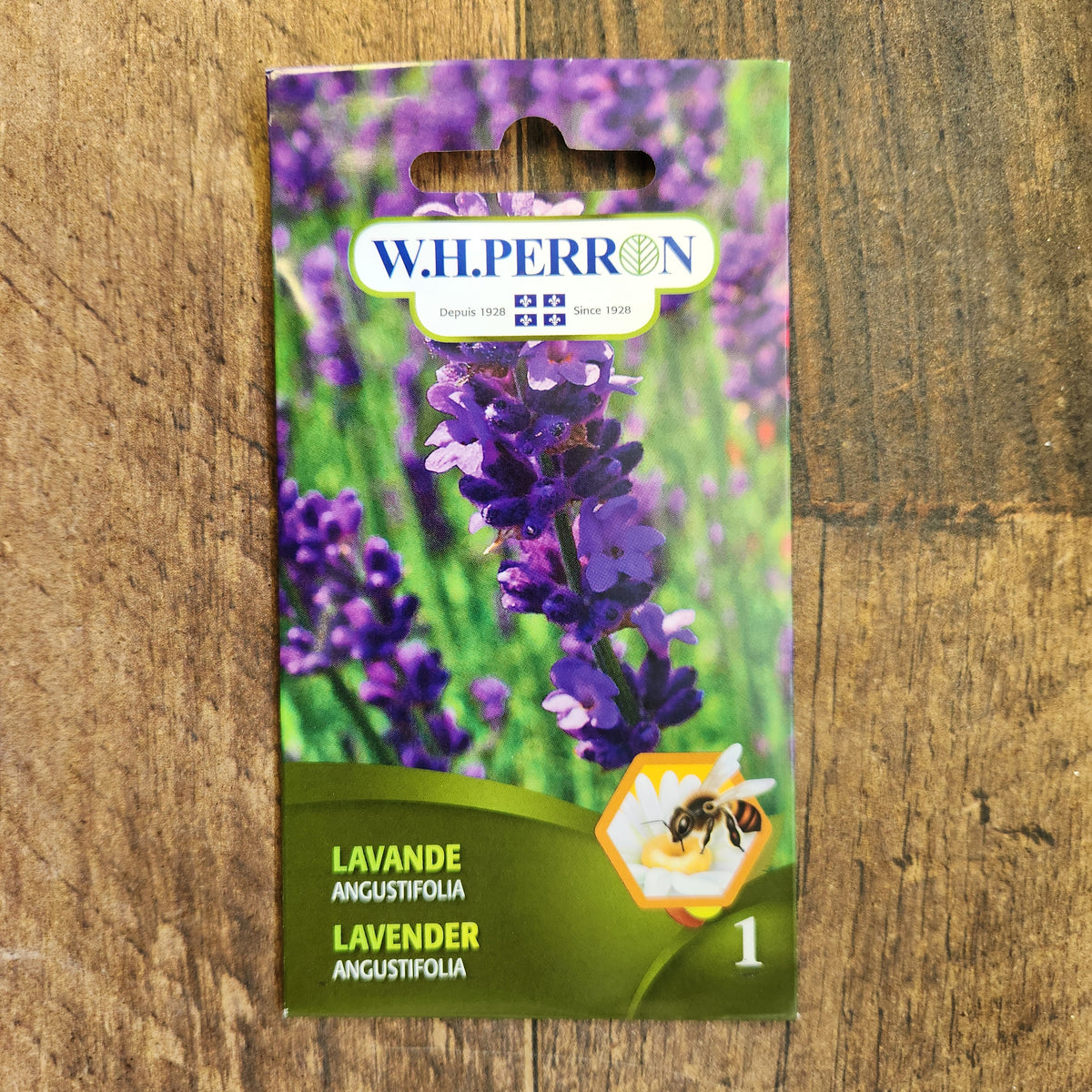
Lavender angustifolia
Lavandula angustifolia
Product code : WHPER-0111
Narrow-leaved lavender combines aromatic foliage with purplish flower spikes. Its success depends particularly on a bright location and effective drainage, especially in winter. Prepare seedlings according to the species' needs, using a well-draining substrate and providing sufficient light after germination. Plants raised indoors must be acclimatized before being planted outdoors. Choose a location that matches the recommended exposure and leave enough space for the foliage to develop. Water to facilitate rooting, then adjust applications based on soil moisture. Avoid heavy fertilization without observing the plant's actual needs.
- Quantity
- About 100 seeds
- Exposure
- Sun
- Life cycle
- Perennial
Discover the plant
Common nameEnglish lavender
FamilyLamiaceae
GenusLavender
Speciesnarrow-leaved
TypePerennial flower
Botanical nameLavandula angustifolia
Lavandula angustifolia (Lavandula angustifolia). English lavender combines aromatic foliage with spikes of violet flowers. Its success depends particularly on a bright location and effective drainage, especially in winter. For Lavandula angustifolia, this packet allows you to start growing from seeds and follow the development of the young plants. For Lavandula angustifolia, prepare the site before sowing, then keep a label to identify this selection among your other crops. For Lavandula angustifolia, the result will depend notably on the available light, the soil, and the weather.
Start growing "Lavandula angustifolia" in an area prepared for sowing. To start growing: Indoor sowing 8 to 10 weeks before the last frost. Lavender does not tolerate cold soils that retain water in winter. Preserve the woody parts when pruning and choose a location where drainage remains effective. For Lavandula angustifolia, prepare the seedlings according to the needs of the species, in a well-draining substrate and with sufficient lighting after germination. For Lavandula angustifolia, plants raised indoors must be acclimated before being planted outdoors.
In the garden, "Lavandula angustifolia" requires a location suited to its development. Lavender does not tolerate cold soils that retain water in winter. Preserve the woody parts when pruning and choose a location where drainage remains effective. For Lavandula angustifolia, organize the planting by taking into account the mature height to keep each plant visible and accessible. For Lavandula angustifolia, repeat a few groups rather than dispersing all the seedlings over a large space. For Lavandula angustifolia, blooms at different seasons allow you to extend the appeal of the flowerbed.

Sowing guide
It all startswith a seed.
Sowing period
Start indoors 8 to 10 weeks before last frost
Propagation
Sowing
Growing method
Narrow-leaved lavender combines aromatic foliage with spikes of violet flowers. Its success depends particularly on a bright location and effective drainage, especially in winter. Begin cultivating "Lavandula angustifolia" in a space prepared for sowing. To start cultivation: Sow indoors 8 to 10 weeks before the last frost. Lavender does not tolerate cold soils that retain water in winter. Preserve the woody parts when pruning and choose a location where drainage remains effective. Prepare the seeds according to the species' requirements, in a well-draining substrate and with sufficient lighting after germination. Plants grown indoors must be acclimated before being planted outdoors. Choose a location corresponding to the recommended exposure and leave the necessary space for the foliage to develop. At the beginning of the season, prepare your equipment and check the condition of the soil before setting your schedule. Adapt your actions to the stage of the plants rather than a rigid date. After germination, ensure sufficient light and space out the seedlings to avoid excessive competition. Gradually acclimate the plants intended for the outdoors. During growth, observe the foliage, humidity, and the possible appearance of pests.
Soil and care
The right care,at the right time.
Watering
Weak
Soil type
Use a soil or substrate that allows excess water to drain while retaining the moisture necessary for the roots. Work the soil when it is dry enough to avoid compaction. Remove weeds before planting and adapt the addition of organic matter to the crop. For containers, choose a potting mix appropriate for the plants being grown. A soil analysis is more useful than a systematic addition of amendments for determining the necessary corrections.
Fertilization
Base fertilization on soil fertility, the substrate used, and observed growth. Follow the dosages indicated on the chosen product; increasing applications does not guarantee better results. Pre-enriched potting soil does not require the same interventions as a poor substrate. Avoid placing concentrated fertilizer against seeds or fragile roots. Water according to the manufacturer's instructions and reduce applications when growth slows down.
Seasonal care
Narrow-leaved lavender combines aromatic foliage with purplish flower spikes. Its success depends significantly on a bright location and effective drainage, especially in winter. At the start of the season, prepare your equipment and check the soil condition before setting your schedule. Adapt your interventions to the plants' stage rather than a rigid date. After emergence, ensure sufficient light and space out the seedlings to avoid excessive competition. Gradually acclimate plants intended for the outdoors. During growth, observe the foliage, moisture, and the potential appearance of pests. Identify the problem before choosing an intervention. Remove debris that hinders airflow, keep paths accessible, and re-evaluate watering after rain. Note the sowing dates and the main results. At the end of the cycle, clean your tools and store remaining packets in a cool, dry place. These observations allow you to adjust future sowings more precisely for your location. Prepare seeds according to the species' needs, using a well-draining substrate and sufficient lighting after emergence. Plants raised under cover must be acclimated before being placed outdoors. Choose a location that matches the recommended exposure and allow enough space for the foliage to develop. Water to facilitate rooting, then adjust watering based on soil moisture. Avoid heavy fertilization without observing the plant's actual needs.
Container growing
A garden,within reach.
Lavender does not tolerate cold soils that retain water in winter. Preserve the woody parts when pruning and choose a location where drainage remains effective. Narrow-leaved lavender combines aromatic foliage with purplish flower spikes. Its success depends particularly on a bright location and effective drainage, especially in winter. Place the container in its permanent position before filling it. Choose a pot with drainage holes that is stable and large enough for root development; a simple closed decorative pot does not allow water to drain. Use a container potting mix rather than compact garden soil. Moisten the substrate before sowing or planting, without saturating it. Leave a rim at the top to facilitate watering and keep space between plants. Check the moisture level regularly with your finger, as the surface may dry out while the bottom remains damp. Water slowly until water comes out of the holes, then empty the saucer. During hot weather, check the pots more often. Fertilize according to the needs of the crop and the instructions on the chosen product. Roots have a limited volume, so container gardening requires different monitoring than planting in the ground. Position any supports as soon as you set up. Keep easy access to inspect the leaves, remove damaged parts, and harvest without pulling on the stems. At the end of the cycle, remove debris and clean the equipment before using it again.

Garden associations
In goodcompany.
Companion plants
Organize neighboring crops according to their light requirements, height, and space occupied at maturity. Prevent tall plants from permanently shading smaller ones or blocking access for watering. Successive crops can use the same space if the first is harvested before the next one expands. Flowers diversify the garden, but companion planting does not guarantee the absence of pests. Keep enough air between plants and observe the interactions on-site. Use companion planting as an organizational tool, without attributing automatic protection against diseases to it.
Frequently asked questions
Your questions,answered.
How do I start this crop from seed?
Narrow-leaved lavender combines aromatic foliage with spikes of purple flowers. Its success depends particularly on a bright location and effective drainage, especially in winter. Prepare seedlings according to the species' needs, using a well-draining substrate and providing sufficient light after germination. Plants raised indoors must be acclimatized before being planted outside. Choose a spot that matches the recommended exposure and allow enough space for the foliage to develop. Water to facilitate rooting, then adjust the supply based on soil moisture. Avoid heavy fertilization without observing the plant's actual needs. Weed during establishment to limit competition. If in a pot, ensure that water can drain freely and monitor for drying out on windy days.
How do I adjust the watering?
English lavender combines aromatic foliage with spikes of purplish flowers. Its success depends particularly on a bright location and effective drainage, especially in winter. Check the moisture before watering and adjust the frequency according to rain, heat, and the stage of growth. Gently moisten the surface during germination so as not to displace the seeds. Once the plants are established, direct the water toward the soil rather than onto the leaves. Avoid stagnant water and extreme alternations between drought and saturation. Containers generally dry out faster than garden beds and require more frequent checks.
How to choose your location?
English lavender combines aromatic foliage with spikes of purplish flowers. Its success depends particularly on a bright location and effective drainage, especially in winter. Prepare seedlings according to the species' requirements, in a well-draining substrate and with sufficient light after germination. Plants raised indoors must be acclimatized before being planted outdoors. Choose a location that matches the recommended exposure and leave enough space for the foliage to develop. Water to facilitate rooting, then adjust the supply based on soil moisture. Avoid heavy fertilization without observing the plant's actual needs. Weed during establishment to limit competition. In a pot, ensure that water can drain freely and monitor for drying out on windy days.
How can I take advantage of this selection?
Narrow-leaved lavender combines aromatic foliage with purplish flower spikes. Its success depends significantly on a bright location and effective drainage, especially in winter. Plan the planting by taking into account the mature height to keep each plant visible and accessible. Repeat a few groups rather than scattering all the seedlings across a large space. Different seasonal blooms help to extend the interest of the flower bed. If you wish to harvest stems, keep some of the flowers in the garden and use a clean tool. Only let seeds mature if you accept the spontaneous seedlings that may follow. This sheet concerns ornamental cultivation; do not infer the edibility of a flower from its resemblance to a species used in cooking.
What landmarks should I keep an eye on during the season?
English lavender combines aromatic foliage with spikes of purplish flowers. Its success depends particularly on a bright location and effective drainage, especially in winter. At the beginning of the season, prepare your equipment and check the condition of the soil before setting your schedule. Adapt your interventions to the stage of the plants rather than a rigid date. After emergence, ensure sufficient light and space out the seedlings to avoid excessive competition. Gradually acclimatize plants destined for the outdoors. During growth, observe the foliage, moisture, and the possible appearance of pests. Identify the problem before choosing an intervention.
For a great start to your seeds
The right extras.Right here.
Seed Starting Soil
Shop the collectionSeed starting supplies
Shop the collection