Sale
Sold out

Vegetable
Cucurbits
Organic seeds
Cucurbita pepo ‘Ronde de Nice’
Product code : JAREC-0095
Ronde de Nice zucchini is a long-established variety with a Mediterranean character, bringing rounded, glossy fruit with attractive green marbling to the family vegetable garden. Very early and bush-forming rather than vining, it suits gardeners who want a productive crop that also looks attractive and remains straightforward to manage throughout the season. The young fruit has a tender, melting texture that makes each fresh harvest a welcome opportunity for summer cooking, especially when the zucchini is stuffed, baked or simmered. Throughout the growing season, a warm and sunny position encourages this generous plant to produce abundantly, turning regular visits to the garden into opportunities for another harvest.
- Quantity
- 25 seeds
- Exposure
- Full sun
- Life cycle
- Annual
Discover the plant
Common nameRonde de Nice Zucchini
FamilyCucurbits
GenusCucurbita
Speciespepo
CultivarNice Round
TypeVegetable
Botanical nameCucurbita pepo
Reproducible seedsYes
Heirloom varietyYes
Cucurbita pepo ‘Ronde de Nice’ — Ronde de Nice Zucchini. Ronde de Nice zucchini is a long-established variety with a Mediterranean character, bringing rounded, glossy fruit with attractive green marbling to the family vegetable garden. Very early and bush-forming rather than vining, it suits gardeners who want a productive crop that also looks attractive and remains straightforward to manage throughout the season. The young fruit has a tender, melting texture that makes each fresh harvest a welcome opportunity for summer cooking, especially when the zucchini is stuffed, baked or simmered. Throughout the growing season, a warm and sunny position encourages this generous plant to produce abundantly, turning regular visits to the garden into opportunities for another harvest.
Recommended planting period: May to June. The depth to be respected is 2 to 3 cm (0.8 to 1.2 in.). Germination usually takes 5 to 10 days. For germination, keep the soil at 20 to 30°C (68 to 86°F). Squash and zucchini establish more readily after planting when their roots have been kept intact. Starting zucchini seeds in individual pots makes transplanting easier; wait until the garden soil has warmed before planting outdoors. Avoid planting the young seedlings in soil that is both cold and saturated with water. Label each planting position and allow enough space from the outset for the stems to develop.
Its habit is compact compared with that of vining squashes, making it especially useful in smaller gardens, edible flower beds and some generously sized growing containers. Plan the space you will give the squash plants before you sow the seeds. Bush types remain close to the place where they were planted, while vining types need an open area into which their stems can spread. Guide the stems gently without bending them sharply, and leave the developing fruit within easy reach for harvest. A layer of mulch limits direct contact between the fruit and the damp soil beneath it. Keep the foliage from spreading over and covering any smaller vegetables growing beside the plants.

Sowing guide
It all startswith a seed.
Sowing depth
2 to 3 cm (0.8 to 1.2 inches)
Germination temperature
20 to 30°C (68 to 86°F)
Germination time
5 to 10 days
Sowing period
May to June
Propagation
From seed
Growing method
Recommended planting period: May to June. The depth to be respected is 2 to 3 cm (0.8 to 1.2 in.). Germination usually takes 5 to 10 days. For germination, keep the soil at 20 to 30°C (68 to 86°F). Squash and zucchini establish more readily after planting when their roots have been kept intact. Starting seeds in individual pots makes transplanting easier; wait until the garden soil has warmed before planting outdoors. Avoid planting the young seedlings in soil that is both cold and saturated with water. Label each planting position and allow enough space from the outset for the stems to develop. The young plants appear small when sown, but their foliage quickly occupies much more space. Look for the difference between male and female flowers: female flowers have a small developing fruit at the base of each bloom. The presence of flowers therefore does not mean that every bloom on the plant will develop into a squash. Allow insects to access flowering when the variety depends on pollination. Cut the fruit with a peduncle rather than tear it off, then spread the damaged plants before keeping a crop in reserve. Zucchini is picked while young, whereas a winter squash intended for storage remains on the plant until it has completed its maturation.
Soil and care
The right care,at the right time.
Watering
Water at the base of the plant by wetting the root zone, then let the excess water drain. Maintain regular moisture during flowering and fruit development, without keeping the soil wet. A mulch installed on heated soil can reduce evaporation and splashing. Check moisture before watering: large leaves can settle temporarily during the warmest hours. With it, control soil and drainage more often.
Soil type
Prepare a rich, deep and well drained soil. Squash and zucchini establish more readily after planting when their roots have been kept intact. Starting seeds in individual pots makes transplanting easier; wait until the garden soil has warmed before planting outdoors. Avoid planting the young seedlings in soil that is both cold and saturated with water. Label each planting position and allow enough space from the outset for the stems to develop. The young plants appear small when sown, but their foliage quickly occupies much more space.
Fertilization
Fertilization supports growth and should take into account the nutrients already present in the soil or potting mix. Use mature compost or a fertilizer suitable for the crop, following the recommended application rate. Avoid combining too many products, especially in a container where the roots have a limited volume of growing medium. Water as needed after applying nutrients, and observe foliage growth before deciding whether another fertilizer application is necessary.
Moisture
Keep the growing mix moist during germination, without standing water; then adjust to the crop
Seasonal care
The young fruit has a tender, melting texture that makes each fresh harvest a welcome opportunity for summer cooking, especially when the zucchini is stuffed, baked or simmered. Squash and zucchini establish more readily after planting when their roots have been kept intact. Starting seeds in individual pots makes transplanting easier; wait until the garden soil has warmed before planting outdoors. Avoid planting the young seedlings in soil that is both cold and saturated with water. Label each planting position and allow enough space from the outset for the stems to develop. The young plants appear small when sown, but their foliage quickly occupies much more space. Look for the difference between male and female flowers: female flowers have a small developing fruit at the base of each bloom. The presence of flowers therefore does not mean that every bloom on the plant will develop into a squash. Allow insects to access flowering when the variety depends on pollination. Cut the fruit with a peduncle rather than tear it off, then spread the damaged plants before keeping a crop in reserve. Zucchini is picked while young, whereas a winter squash intended for storage remains on the plant until it has completed its maturation. This difference in the stage of harvest determines how often you pick the fruit and how you prepare it for cooking. Keep the fruits out of passages and protect them from prolonged contact with wet soil. Remove the injured fruit before storage. Throughout the growing season, a warm and sunny position encourages this generous plant to produce abundantly, turning regular visits to the garden into opportunities for another harvest. Recommended planting period: May to June.
Container growing
A garden,within reach.
Suitable for containers
Yes
Recommended pot size
A stable container with drainage holes, enough width for the plant’s spread and sufficient depth for its roots
Choose a location in full sun. Reserve this spread around the plant: 1 to 1.2 m (3 to 4 ft). For varieties suitable for the container, choose a wide and stable pot, then let the foliage spread beyond the edge without blocking an alley. Large limbs quickly lose water in warm weather. Water the entire root ball and check that excess water drains from the bottom of the pot. A container too tight between other plants makes picking difficult and keeps the foliage moist longer. Its habit is compact compared with that of vining squashes, making it especially useful in smaller gardens, edible flower beds and some generously sized growing containers. Ronde de Nice zucchini is a long-established variety with a Mediterranean character, bringing rounded, glossy fruit with attractive green marbling to the family vegetable garden. Very early and bush-forming rather than vining, it suits gardeners who want a productive crop that also looks attractive and remains straightforward to manage throughout the season. The young fruit has a tender, melting texture that makes each fresh harvest a welcome opportunity for summer cooking, especially when the zucchini is stuffed, baked or simmered. Throughout the growing season, a warm and sunny position encourages this generous plant to produce abundantly, turning regular visits to the garden into opportunities for another harvest.

Bloom and dimensions
Its place,in your garden.
Mature height
50 to 60 cm (20 to 24 in)
Width / spread
1 to 1.2 m (3 to 4 ft)
Foliage type
Seasonal foliage
Growth habit
Bushy, compact
Bloom period
Flowering usually occurs in this period: June to September. Leave the flowers and developing young fruit on the plants when your aim is to bring the crop through to harvest. The actual flowering date varies with the time of sowing, the warmth available and how well the plants have become established. Maintain regular moisture at the base of the plant without soaking the soil, then observe the fruit formation before intervening. Let each flower naturally complete its cycle on the plant.
Fruiting
The young fruit has a tender, melting texture that makes each fresh harvest a welcome opportunity for summer cooking, especially when the zucchini is stuffed, baked or simmered. Throughout the growing season, a warm and sunny position encourages this generous plant to produce abundantly, turning regular visits to the garden into opportunities for another harvest. Zucchini is picked while young, whereas a winter squash intended for storage remains on the plant until it has completed its maturation.
Harvest
50 days after sowing

Garden associations
In goodcompany.
Companion plants
In a mixed planting, you can reserve sections close to these plants: nasturtium, corn, bean, borage. The association is used here to organize space and crops. Allow for the height, light requirements and water needs of each plant, leaving enough room between the foliage. Keep a path clear for watering and harvesting, then remove finished crops to make room for the next planting. This arrangement makes maintenance easier without promising protection against garden pests. Plan the space you will give the squash plants before you sow the seeds. Plan the place of adult foliage.
Recipe idea
From the gardento your plate.
Edible parts
Young fruit
Recipe idea using Ronde de Nice Zucchini: sautéed zucchini for four servings. Cut 600 g of young fruit into half-round slices or small quarters. Heat 15 ml of olive oil in a large skillet and sauté the pieces for 8 to 12 minutes. Cook in two batches if the skillet is small so the vegetables do not boil in their own juices. Add a chopped clove of garlic at the end of the cooking, then some parsley. Salt and serve as soon as the flesh is tender. Prepare the ingredients with clean utensils and adapt the cut to the size of your harvest. This recipe highlights freshly picked parts: remove damaged pieces before preparation. If you double the quantities, keep enough space in the dish to mix or cook evenly. Quickly place leftovers in the refrigerator in a closed container and consume them within two days. For a two-person meal, simply divide all quantities by two.
Frequently asked questions
Your questions,answered.
How do I grow Ronde de Nice Zucchini from seed?
Recommended planting period: May to June. The depth to be respected is 2 to 3 cm (0.8 to 1.2 in.). Germination usually takes 5 to 10 days. For germination, keep the soil at 20 to 30°C (68 to 86°F). Squash and zucchini establish more readily after planting when their roots have been kept intact. Starting seeds in individual pots makes transplanting easier; wait until the garden soil has warmed before planting outdoors. Avoid planting the young seedlings in soil that is both cold and saturated with water. Label each planting position and allow enough space from the outset for the stems to develop. The young plants appear small when sown, but their foliage quickly occupies much more space.
Can I grow Ronde de Nice Zucchini in a container?
Choose a location in full sun. Reserve this spread around the plant: 1 to 1.2 m (3 to 4 ft). For varieties suitable for the container, choose a wide and stable pot, then let the foliage spread beyond the edge without blocking an alley. Large limbs quickly lose water in warm weather. Water the entire root ball and check that excess water drains from the bottom of the pot. A container too tight between other plants makes picking difficult and keeps the foliage moist longer. Ronde de Nice zucchini is a long-established variety with a Mediterranean character, bringing rounded, glossy fruit with attractive green marbling to the family vegetable garden.
When can I harvest Ronde de Nice Zucchini?
The young fruit has a tender, melting texture that makes each fresh harvest a welcome opportunity for summer cooking, especially when the zucchini is stuffed, baked or simmered. Throughout the growing season, a warm and sunny position encourages this generous plant to produce abundantly, turning regular visits to the garden into opportunities for another harvest. Zucchini is picked while young, whereas a winter squash intended for storage remains on the plant until it has completed its maturation. This difference in the stage of harvest determines how often you pick the fruit and how you prepare it for cooking. Keep the fruits out of passages and protect them from prolonged contact with wet soil. Remove the injured fruit before storage.
What makes Ronde de Nice Zucchini distinctive in the garden?
Ronde de Nice zucchini is a long-established variety with a Mediterranean character, bringing rounded, glossy fruit with attractive green marbling to the family vegetable garden. Very early and bush-forming rather than vining, it suits gardeners who want a productive crop that also looks attractive and remains straightforward to manage throughout the season. The young fruit has a tender, melting texture that makes each fresh harvest a welcome opportunity for summer cooking, especially when the zucchini is stuffed, baked or simmered. Throughout the growing season, a warm and sunny position encourages this generous plant to produce abundantly, turning regular visits to the garden into opportunities for another harvest.
How do I arrange a planting of Ronde de Nice Zucchini?
Plan the space you will give the squash plants before you sow the seeds. Bush types remain close to the place where they were planted, while vining types need an open area into which their stems can spread. Guide the stems gently without bending them sharply, and leave the developing fruit within easy reach for harvest. A layer of mulch limits direct contact between the fruit and the damp soil beneath it. Keep the foliage from spreading over and covering any smaller vegetables growing beside the plants. Look for the difference between male and female flowers: female flowers have a small developing fruit at the base of each bloom. The presence of flowers therefore does not mean that every bloom on the plant will develop into a squash. Allow insects to access flowering when the variety depends on pollination.
For a great start to your seeds
The right extras.Right here.
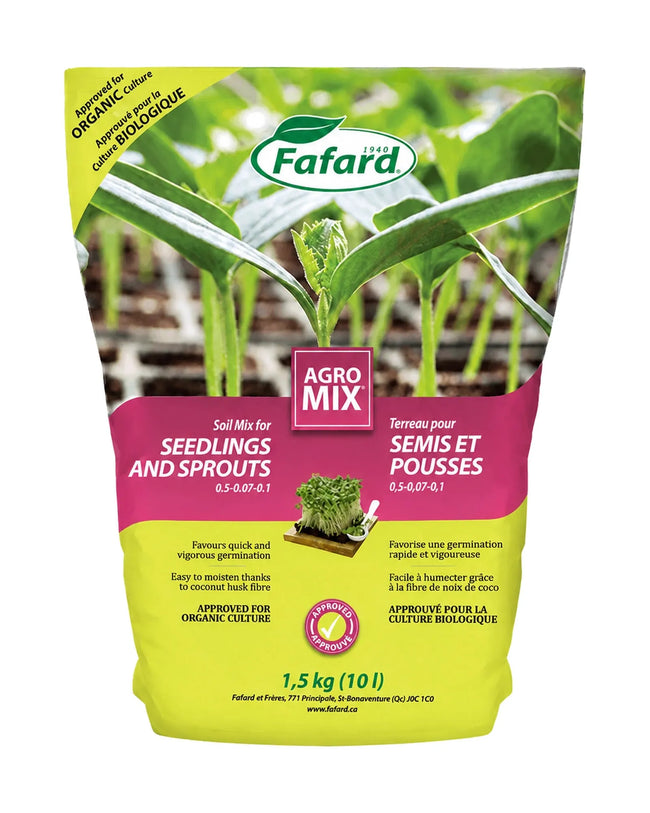
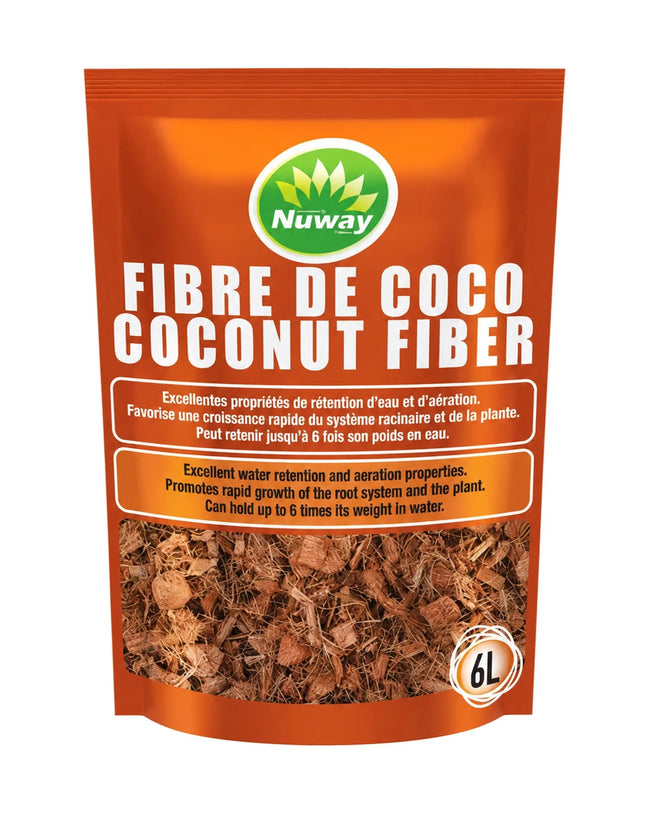
Seed Starting Soil
Shop the collectionSeed starting supplies
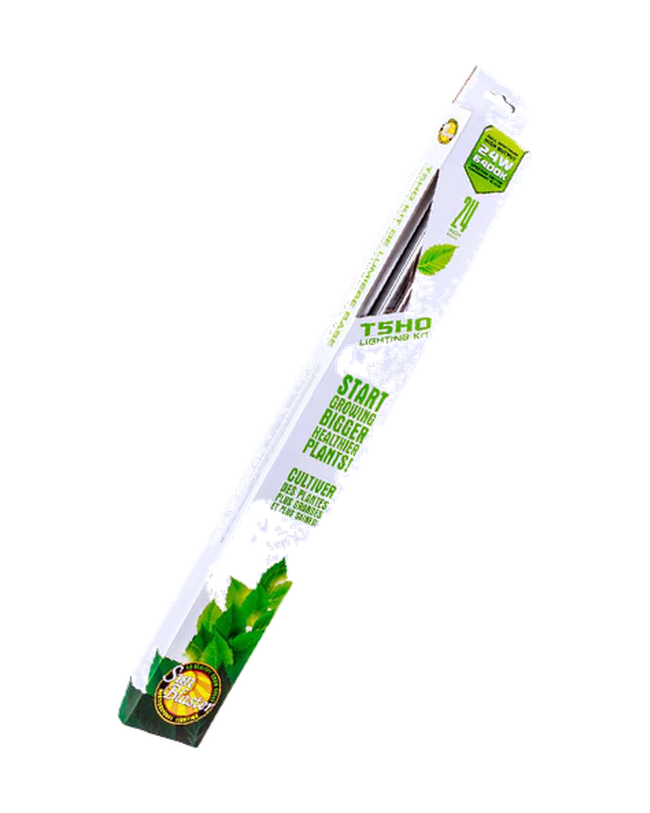
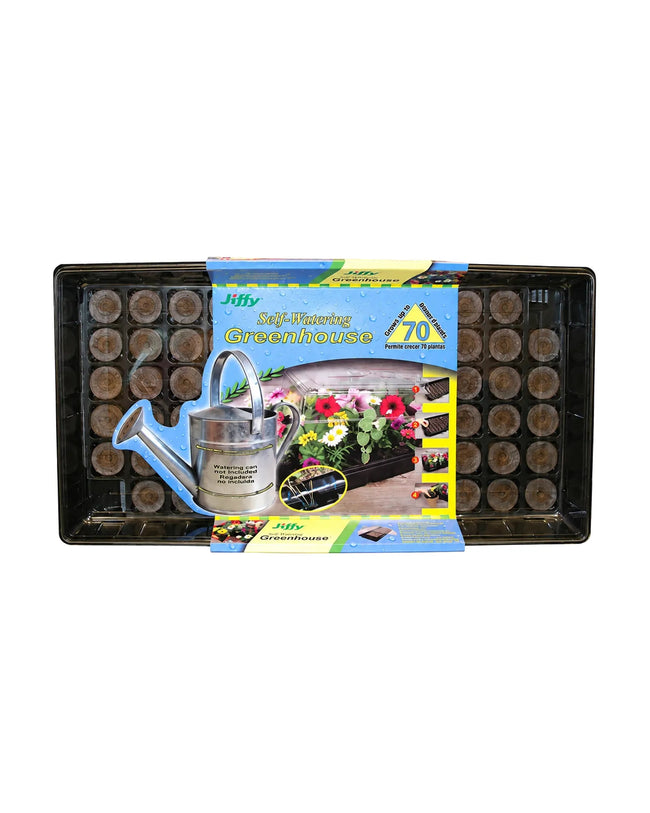
Shop the collection