Sale
Sold out

Perennial vegetable seed
Rosaceae
Organic 'Alpine' strawberry
Wild strawberry
Product code : GAIAS-0267
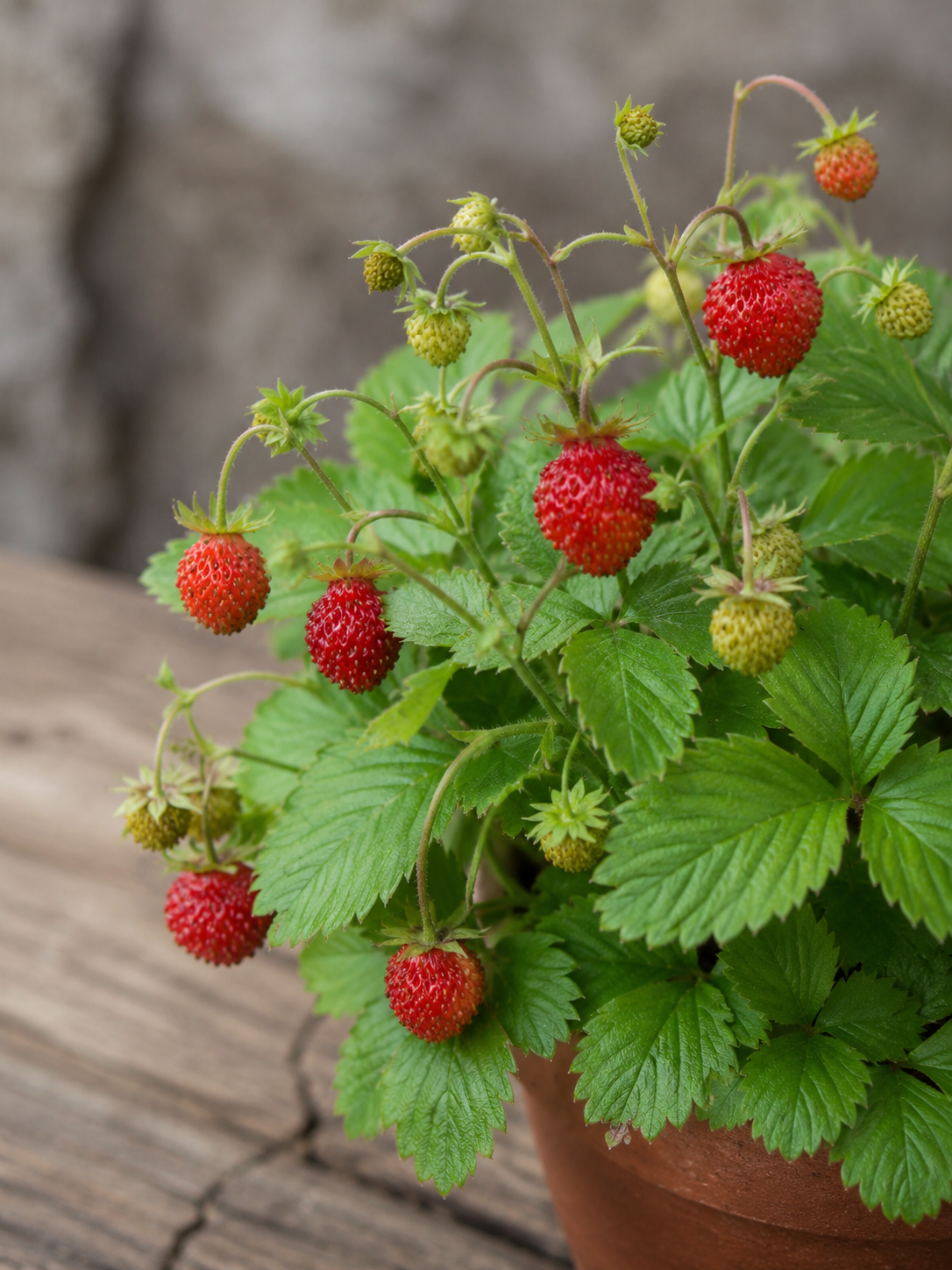
Organic perennial Alpine strawberry, compact and runnerless, producing small, highly aromatic red strawberries with an intense wild strawberry flavor. Ideal for pots, balconies, borders, and small gardens in Quebec.
- Quantity
- Approximately 200 seeds
- Exposure
- Full sun to partial shade
- Life cycle
- Hardy perennial
- Hardiness
- Zone 5 to 6
Discover the plant
Common nameAlpine strawberry, Wild strawberry, Organic wild strawberry
FamilyRosaceae
TypePerennial vegetable seed
Botanical nameWild strawberry
Reproducible seedsYes
Heirloom varietyYes
Organic 'Alpine' Strawberry ( Fragaria vesca ) – offered by Gaia, a perennial and generous strawberry for extended harvests
The Alpine strawberry is a perennial heritage variety , hardy in zones 5 and 6 , which produces abundantly from the first year. Unlike classic strawberry plants, it does not develop stolons , which makes it an easy plant to maintain and ideal for small spaces . Thanks to its compact tuft shape, it adapts perfectly to borders, rockeries, pots and balcony gardens .
This day-neutral variety fruits throughout the season , producing delicious, intensely flavored red strawberries , similar to wild strawberries. It prefers well-drained soil and requires very little maintenance once established.
Did you know?
The Alpine strawberry is known to slow down its production in case of high heat , but it recovers more beautifully as soon as milder temperatures return . Once well established, it can reseed spontaneously , thus ensuring its presence in the garden year after year!
Spread : Compact tufted shape, without stolons
Plant height : 20 to 30 cm
Quantity per pack : ± 200 seeds
Companion plants : Borage, bush bean, caraway, asparagus, catnip, yarrow, alliums, sage, spinach, lettuce
Enemy plants : Brassicaceae (cabbage, broccoli, etc.), Solanaceae (tomato, pepper, etc.)
Cultivation method
Sowing should be done indoors, 6 to 8 weeks before transplanting . For optimal germination, it is advisable to cold stratify the seeds for 2 to 4 weeks , placing them in the refrigerator before sowing.
Sow in a light, well-drained substrate , covering the seeds lightly as they need some light to germinate. Germination may be irregular and take 5-20 days . When hardening off , reduce watering and nitrogen intake to strengthen the young plants.
Space plants 45 to 60 cm apart to allow them to spread out and promote good air circulation . This strawberry prefers partial to full sun , but it can suffer from heat waves . During periods of high heat, a thick mulch helps to conserve soil moisture and maintain regular production.
Harvesting and conservation
Fruits are ready to harvest 4 to 6 weeks after flowering , and should be picked every three days to prolong production.
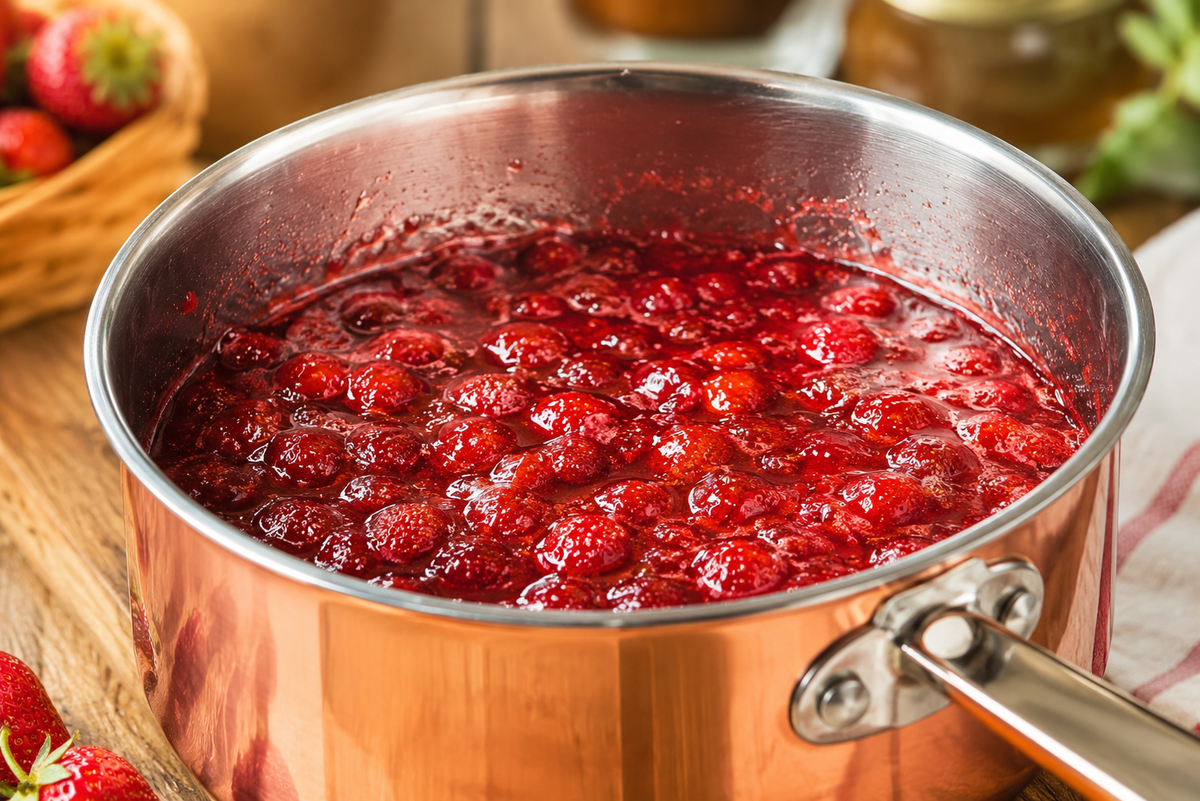
Fresh strawberries can be stored for 3 to 5 days in the refrigerator , without being washed. For longer storage, they can be frozen whole for about 2 months , or made into jams and coulis.
With its prolonged production , its intense taste and its ability to re-seed , the Alpine strawberry is an excellent choice for those who wish to enjoy a simple, rustic and gourmet crop in the garden! ??

Sowing guide
It all startswith a seed.
Sowing depth
On the surface or barely covered, maximum 3 mm (1/8 in.).
Spacing / density
Germination temperature
18 to 22°C
Germination time
5 to 20 days
Sowing period
Indoors, 6 to 8 weeks before transplanting.
Growing method
Soil and care
The right care,at the right time.
Soil pH
Acid to neutral
Care level
Easy
Watering
Water regularly to keep the soil moist, especially in pots and during hot periods. Avoid waterlogging the soil and use mulch to help retain moisture.
Soil type
Alpine strawberries prefer fertile, cool, humus-rich, and well-drained soil. They tolerate garden soil improved with compost well.
Fertilization
Apply mature compost or a mild natural fertilizer at planting time. Avoid excessive nitrogen, which promotes foliage at the expense of fruit.
Seasonal care
In spring, transplant seedlings after the risk of frost and keep the soil moist during establishment. In summer, mulch to conserve moisture and reduce heat stress. Harvest often to encourage production and remove damaged foliage as needed.
Container growing
A garden,within reach.
Recommended pot size

Bloom and dimensions
Its place,in your garden.
Mature height
20 to 30 cm (8 to 12 in)
Width / spread
Compact, non-stoloniferous habit.
Flower color
White
Foliage color
Green
Foliage type
Deciduous foliage
Growth rate
Moderate
Bloom period
White blossoms in spring and summer.
Fruiting
Small, fragrant red strawberries, extended production.
Harvest
Extended harvest during the season, approximately 4 to 6 weeks after flowering.
Garden associations
In goodcompany.
Companion plants
Borage, bush bean, caraway, asparagus, catnip, yarrow, alliums, sage, spinach, lettuce.
Plants to avoid
Brassicaceae, cabbage, broccoli, Solanaceae, tomato, pepper.
Recipe idea
From the gardento your plate.
Frequently asked questions
Your questions,answered.
When to sow alpine strawberry seeds?
How to germinate alpine strawberry seeds?
What exposure and soil should I choose for alpine strawberries?
Can alpine strawberries be grown in pots?
When to harvest alpine strawberries?
Wildlife and pets
Life,around your plants.
Supporting wildlife
Flowering can attract pollinators, and the fruit can be enjoyed by certain birds and small animals.
For a great start to your seeds
The right extras.Right here.
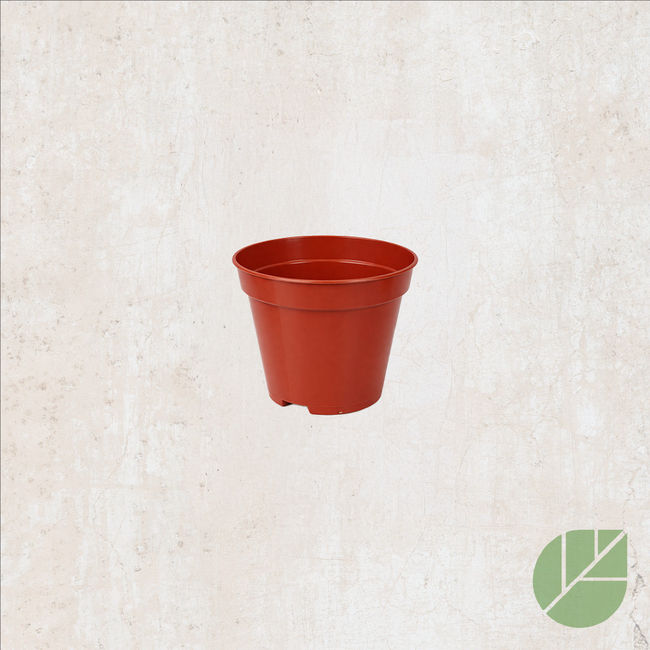
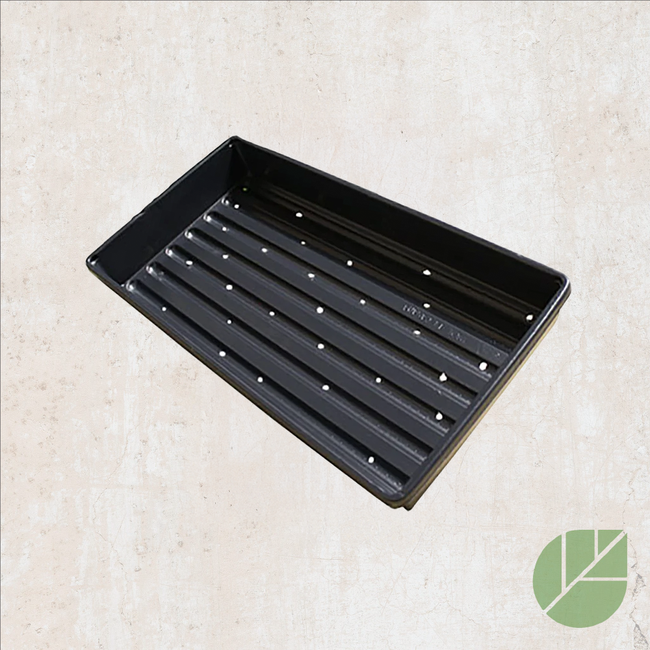
Platters, pots and domes
Shop the collection

Seed Starting Soil
Shop the collectionSeed starting supplies
Shop the collection