

Sale
Sold out

Organic heirloom open-pollinated red Peter Pepper
Solanaceae
Organic hot pepper seeds
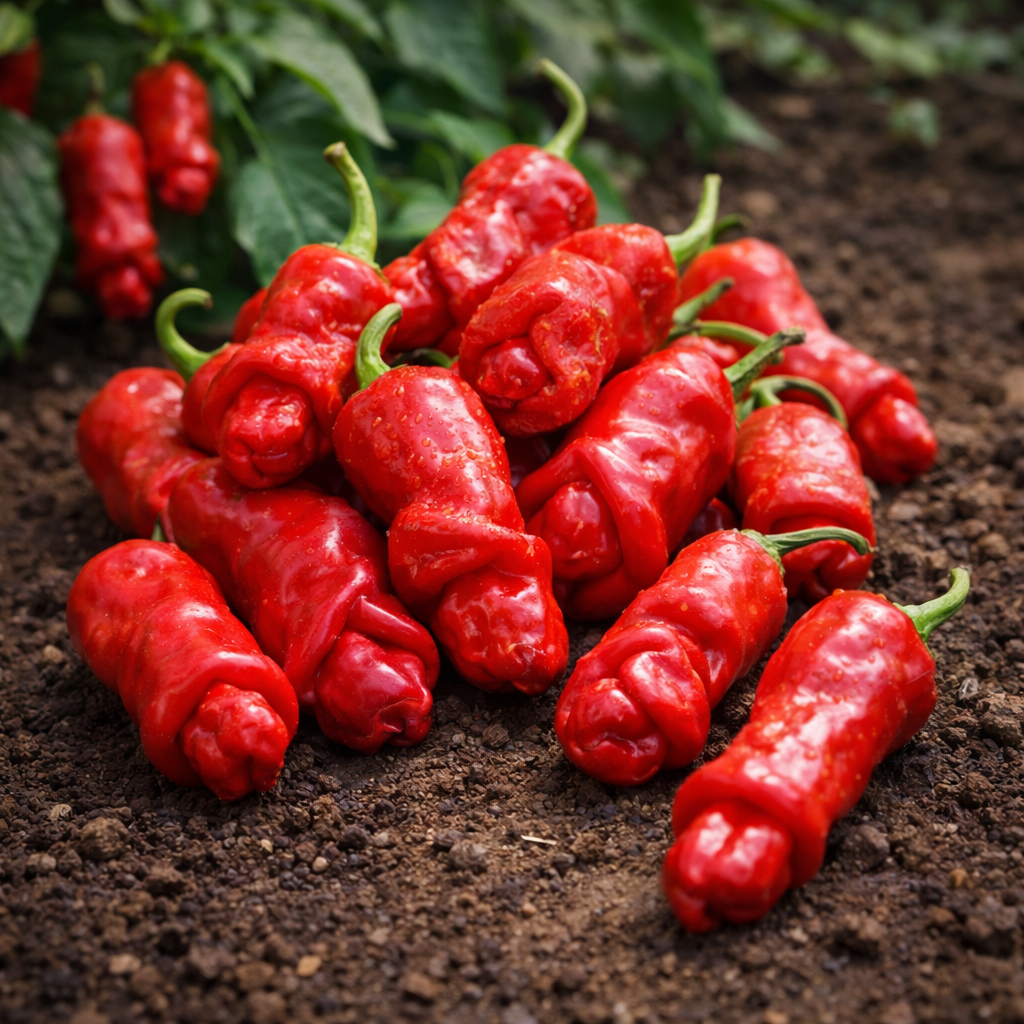
Organic red ‘Peter Pepper’ hot pepper
Capsicum annuum ‘Peter Pepper Red’
Product code : BIOVO-0096
Organic red Peter Pepper is an heirloom, open-pollinated pepper with enlarged, irregular red fruit and fruity, hot flavour. The packet contains approximately 10 seeds. The plant reaches approximately 60–90 cm, generally germinates in 7–14 days at 24–30°C, and is harvested approximately 80 days after transplanting.
- Quantity
- Approximately 10 seeds per packet
- Exposure
- Full sun in a warm sheltered location
- Life cycle
- Annual vegetable in Quebec climates
Discover the plant
Common nameRed Peter Pepper, unusually shaped red pepper
FamilySolanaceae
GenusCapsicum
Speciesannuum
CultivarPeter Pepper Red
TypeOrganic heirloom open-pollinated red Peter Pepper
Botanical nameCapsicum annuum ‘Peter Pepper Red’
Reproducible seedsYes
Heirloom varietyYes
Organic red ‘Peter Pepper’ hot pepper (Capsicum annuum ‘Peter Pepper Red’) is an heirloom, open-pollinated variety known for enlarged, irregular, highly distinctive red fruit. Every fruit may differ; this unusual appearance provides ornamental interest while also offering a culinary crop. Flavour is fruity and hot, with an indicative value around 20,000 Scoville units listed by a retailer of the variety. The packet contains approximately 10 seeds. The plant reaches approximately 60–90 cm tall and 40 cm wide.
Sow indoors February through April, approximately eight to ten weeks before last frost, 0.5–1 cm deep. Maintain 24–30°C and even moisture; emergence generally requires 7–14 days. After germination, provide intense light, pot up before roots become confined, and harden gradually. Transplant after frost into rich, well-drained soil in full sun. A 15–20 L container suits one plant.
Harvest begins approximately 80 days after transplanting. Pick fruit once firm, well developed, and uniformly red; shape alone does not indicate ripeness. Use it fresh, in sauces and marinades, or after complete drying for flakes and powders. Wear gloves if skin is sensitive, avoid touching eyes or face, taste gradually, and discard any soft, mouldy, or abnormal-smelling fruit.

Sowing guide
It all startswith a seed.
Sowing depth
Approximately 0.5 to 1 cm (¼ to ⅜ in)
Spacing / density
Approximately 40 cm (16 to 20 in) between plants and 60 to 75 cm (24 to 30 in) between rows
Germination temperature
26 to 30°C (79 to 86°F)
Germination time
Approximately 7 to 14 days
Sowing period
Indoors, 8 to 10 weeks before the last frost
Propagation
Seed
Growing method
Sow 0.5–1 cm deep in light mix eight to ten weeks before last frost. Maintain 24–30°C and even moisture until emergence, then provide 14–16 hours of strong light. Pot up at several true leaves without deeply burying the stem. Harden for 7–10 days and transplant once soil is warm and nights remain above approximately 12°C. Space 40 cm apart, water immediately, stake if needed, and remove first flowers only if the plant remains very small.
Soil and care
The right care,at the right time.
Soil pH
Approximately 6.0 to 6.8
Care level
Moderate
Watering
Keep seed-starting mix evenly moist during germination without saturating cells, then let the surface dry slightly between waterings once seedlings establish. After transplanting, water deeply at soil level once the top two or three centimetres begin to dry. Alternating drought and excess water causes blossom drop, stalled fruit, and uneven tissue. Mulch only once soil is warm, water in the morning, and avoid wetting foliage. In containers check daily during heat but never leave standing water in the saucer.
Soil type
Choose deep loose soil rich in mature compost and very well drained, able to retain even moisture without remaining cold or waterlogged. Peppers succeed at slightly acidic to neutral pH approximately 6.0–7.0. Warm the bed before transplanting and avoid fresh manure, which encourages overly soft growth. In heavy soil use a raised bed. Rotate three to four years away from tomatoes, eggplants, potatoes, and other peppers where soil disease has occurred. A soil test allows organic matter and nutrients to be adjusted without excess.
Fertilization
Incorporate mature compost before planting and use balanced organic fertilizer only according to a soil test or label. During establishment moderate nutrition supports sturdy plants. Once flowering begins avoid high-nitrogen doses that produce many leaves but delay fruit set and ripening. If a container plant pales despite proper watering, apply one low balanced liquid dose then reassess after a week. Never feed dry mix, do not allow salts to accumulate, and stop late applications when remaining warm-season time cannot ripen new fruit.
Moisture
Consistent soil moisture without saturation; good air circulation around the foliage.
Seasonal care
In spring keep seedlings warm under strong light and pot up before roots circle cells. Harden gradually then transplant after frost. In summer mulch once soil is warm, tie plants loosely if bending, and harvest regularly. Monitor aphids, whiteflies, and mites, especially under protection. In autumn move containers inside during cold nights or cut loaded branches to finish colouring indoors; discard diseased or rotten fruit.
Container growing
A garden,within reach.
Recommended pot size
15 to 20 L (4 to 5 gal) per plant
Grow one plant per deep, stable, well-drained 15–20 L container. Use rich, airy potting mix, water when the surface begins to dry, and avoid standing water. Place the pot in full sun in the warmest available location. Rotate it regularly for balanced growth and move it under protection as nights cool to help fruit finish ripening.
Bloom and dimensions
Its place,in your garden.
Mature height
Approximately 60 to 90 cm (24 to 35 in)
Width / spread
Approximately 40 cm (16 in)
Flower color
White
Foliage color
Green
Foliage type
Simple herbaceous foliage
Growth rate
Moderate to fast in warm conditions
Growth habit
Vigorous bushy and productive
Bloom period
Small greenish-red blossoms during the warm season
Fruiting
Crop of unusual red fruit with moderate to high heat
Days to maturity
Approximately 80 days after transplanting
Harvest
Clip fruit with small clean scissors once firm, well developed, and uniformly red. Harvest regularly to support production. Wear gloves if skin is sensitive, avoid touching eyes, and promptly refrigerate sound fruit. To save true seed, isolate the variety from other peppers and select a fully healthy red fruit.
Garden associations
In goodcompany.
Companion plants
Eggplant, carrot, onion, peas, tomato
Plants to avoid
Beans and fennel are generally less favorable near peppers. Good crop rotation also helps limit diseases and pests.
Recipe idea
From the gardento your plate.
Edible parts
Fruit, in minute quantities with strict precautions
Hot tomato sauce with red Peter Pepper — Sauté 50 g onion and one garlic clove in 10 ml oil. Add 400 g crushed tomatoes and initially one small piece of seeded red pepper. Simmer for 20 minutes, taste carefully, then adjust. Wear gloves if skin is sensitive and refrigerate leftovers within two hours.
Frequently asked questions
Your questions,answered.
When should red Peter Pepper be sown in Quebec?
Start seed indoors from February through April, approximately eight to ten weeks before the expected last frost. Sow 0.5–1 cm deep, maintain 24–30°C, and keep the mix evenly moist without waterlogging. Transplant only after frost.
Is red Peter Pepper very hot?
A retailer of the variety lists an indicative value around 20,000 Scoville units. Heat can still vary with the fruit, maturity, and growing conditions. Taste a small amount before adding more and wear gloves if skin is sensitive.
Why is Peter Pepper famous?
This variety is known for the enlarged, irregular, highly distinctive shape of its red fruit. Appearance varies from fruit to fruit and provides strong ornamental interest without reducing its culinary value for sauces, marinades, flakes, and powders.
Can Peter Pepper be grown in a container?
Yes. Grow one plant in a deep, well-drained 15–20 L container in full sun. Use rich potting mix, water when the surface begins to dry, and feed moderately during flowering and fruiting.
When should red Peter Pepper be harvested?
Harvest begins approximately 80 days after transplanting. Pick fruit once firm, well developed, and uniformly red. Clip the stem with clean scissors rather than pulling on the plant.
Wildlife and pets
Life,around your plants.
Supporting wildlife
Bees and pollinators
For a great start to your seeds
The right extras.Right here.
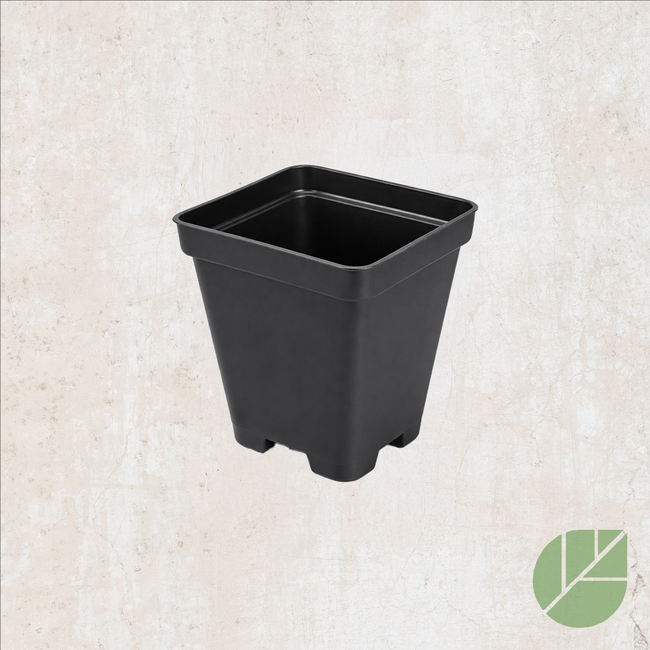
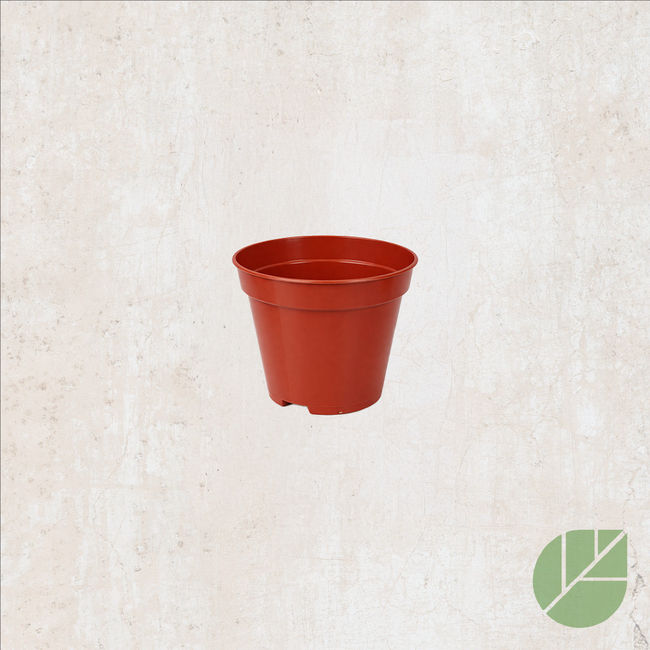
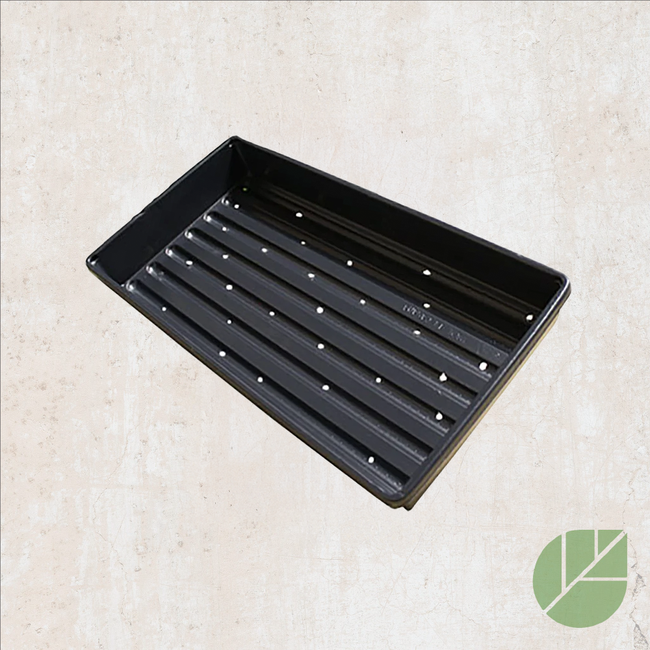
Platters, pots and domes
Shop the collection
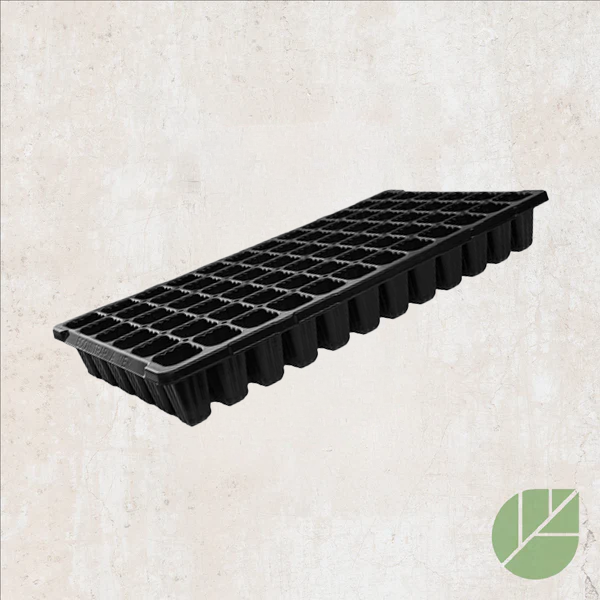
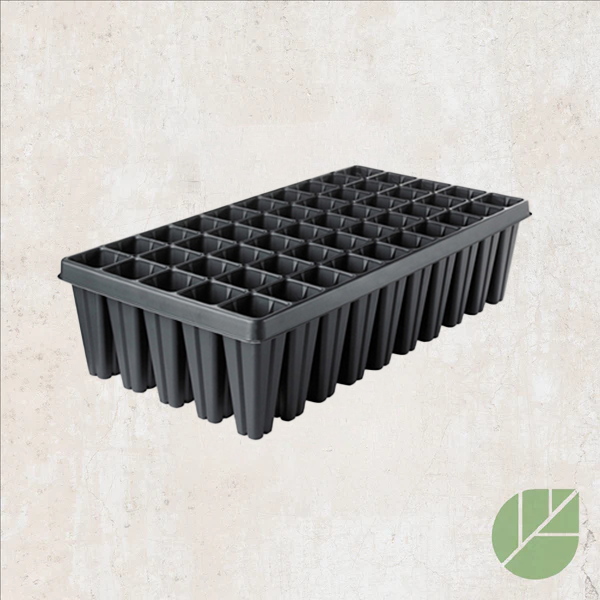
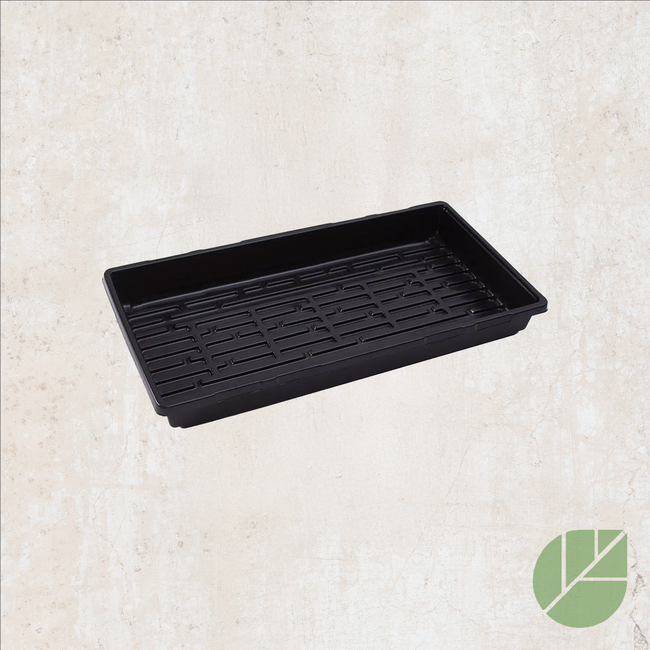
Seed Starting Soil
Shop the collectionSeed starting supplies
Shop the collection




