Sale
Sold out

Ornamental bulb
Amaryllidaceae
White ornamental onion with green centres
Black garlic
Allium nigrum
Product code : VAN-146-175-01
Allium nigrum is a white ornamental onion carrying slightly flattened 15 cm (6 in) spheres marked by dark green centres on 70 cm (28 in) stems in late spring. The Van Noort package contains exactly Allium Nigrum 5 bulbs, size 12/+, for planting 10 cm (4 in) deep and apart. Hardy in Zones 3 to 10, it prefers sun, fertile soil, and exceptional drainage. Umbels attract insects, are generally deer resistant, and excel in white gardens, borders, large containers, and fresh or dried bouquets. Let broad foliage yellow completely before cleanup so bulbs can rebuild their reserves. It naturalizes gradually and provides lasting dried structure.
- Quantity
- 5 bulbs
- Exposure
- Full sun to partial shade
- Life cycle
- Naturalizing bulbous perennial
- Hardiness
- Zones 3 to 10
Discover the plant
Common nameBlack garlic
FamilyAmaryllidaceae
GenusAllium
Speciesnigrum
CultivarNigrum
TypeOrnamental bulb
Botanical nameAllium nigrum
Black garlic (Allium nigrum) produces rounded to slightly flattened white umbels approximately 15 cm (6 in) wide on upright 70 cm (28 in) stems in late spring. Every head gathers creamy white starry flowers whose dark green ovaries create a distinctive dotted centre. Broad, lance-shaped, grey-green basal leaves begin declining naturally while bloom is underway. Hardy in Zones 3 to 10, this bulbous perennial naturalizes gradually. Its white-and-green contrast, intermediate height, and persistent dry heads extend border interest into early summer. One Van Noort package contains 5 Allium Nigrum bulbs for a visible group.
Plant the 5 Allium bulbs size 12/+ in fall, four to six weeks before lasting soil freeze, in full sun or light partial shade. Position each bulb point upward at a depth of 10 cm (4 in) and spacing of 10 cm (4 in) in fertile, loose, exceptionally well-drained soil. Water deeply after planting, then moderately in spring as the surface dries. A light application of compost is sufficient; excess nitrogen softens stems and promotes foliage. In clay, improve a broad area or create a mound. Let every leaf yellow completely before removal, then reduce irrigation substantially during summer dormancy.
Cluster the 5 bulbs in a border, white garden, pollinator planting, or large container to create a small luminous constellation. This white ornamental onion pairs with catmint, salvias, hardy geraniums, peonies, and grasses that conceal declining foliage. The white Allium flower works beautifully as an Allium for bouquets, fresh or dried, while numerous florets attract bees, bumblebees, butterflies, and other insects. Deer generally avoid the plant. Every part remains toxic to pets and must not be promoted as food despite the English common name black garlic. Store dormant bulbs and cut stems beyond their reach.

Planting guide
Plant well.Grow beautifully.
Planting depth
10 cm (4 in)
Spacing / density
10 cm (4 in) between bulbs
Best planting time
Fall, four to six weeks before lasting soil freeze
Propagation
Bulbs and offset division in fall
Growing method
Plant all 5 Nigrum bulbs in fall, four to six weeks before lasting soil freeze. Choose a sunny or lightly shaded location where water never accumulates. Loosen the ground to at least 25 to 30 cm (10 to 12 in), remove compacted areas, and incorporate a small amount of mature compost. In clay, improve a broad surface with a mineral drainage component or create a slight mound instead of placing gravel only beneath the bulbs. Position every size 12/+ bulb point upward at a depth of 10 cm (4 in) and 10 cm (4 in) from the next. Arrange them in an irregular cluster so umbels overlap visually without touching. Cover, firm gently, and water deeply once. Mark the location and add light mulch after the soil cools. In spring, remove compacted debris, maintain consistent light moisture as stems extend, and feed sparingly. Avoid excess nitrogen that softens growth. Cut several umbels when multiple florets are open for bouquets or leave them to insects. After bloom, remove no green leaf. Wait for complete yellowing, clean at soil level, and reduce irrigation sharply during summer dormancy. Divide offsets in fall only when a group becomes overcrowded.
Soil and care
The right care,at the right time.
Soil pH
Acid to alkaline
Minimum temperature
-34°C (-30°F)
Care level
Easy
Drought tolerance
Yes
Watering
Water deeply once after fall planting, then let seasonal precipitation take over. In spring, keep the ground lightly moist during active growth while allowing the surface to dry between applications. Avoid all saturation around bulbs. As leaves yellow, reduce irrigation gradually and maintain relatively dry summer dormancy. Containers require closer monitoring because they dry faster, but standing water must never remain in a saucer.
Soil type
Nigrum prefers fertile, loose, exceptionally well-drained soil that stays lightly moist through spring growth. Sandy loam enriched with a little mature compost supplies air and nutrition without holding excess water. In clay, improve a broad area with stable organic matter and grit or plant on a mound. Avoid depressions, compaction, and continual irrigation during dormancy. Reliable drainage matters more than a precise pH range.
Fertilization
In early spring, spread a thin layer of mature compost around emerging shoots without burying their base. In poor soil, apply a balanced slow-release fertilizer at half strength. Avoid nitrogen-rich products that encourage abundant leaves and less rigid stems. Stop feeding after flowering and allow foliage to rebuild bulb reserves naturally before dormancy. Container groups benefit from the same restrained approach.
Moisture
Lightly moist soil in spring, exceptionally well drained, and drier during dormancy
Seasonal care
In spring, gently remove compacted mulch when shoots appear and confirm that water drains after snowmelt or heavy rain. Add a thin layer of compost, then irrigate as the surface begins drying. Hand-weed around broad leaves and install discreet support only in a very windy location. In late spring, observe the creamy white flowers opening and leave most umbels for insects. Cut bouquet stems early in the morning and place them immediately in water. In summer, retain healthy heads for structure but remove broken ones. Never cut green foliage; wait for complete yellowing, clean at soil level, and reduce irrigation sharply during dormancy. Watch primarily for rot in wet locations and improve drainage instead of applying unnecessary treatments. In fall, loosen crusted surfaces without injuring bulbs, add new specimens 10 cm (4 in) apart, and divide offsets only if the group becomes crowded. In winter, prevent traffic and water trapped beneath ice. For a container, insulate walls, place it in a sheltered location, and maintain the required cold without moving it into warmth. A durable label prevents accidental digging during dormancy, and recorded spacing makes future expansion easier. Keep dry heads while they remain firm and decorative. Inspect supports after storms, remove only broken stems, and record any wet spots requiring correction before fall. Clean tools between clumps, maintain labels during dormancy, and check container holes whenever prolonged rain is forecast.
Container growing
A garden,within reach.
Recommended pot size
At least 30 cm (12 in) deep and 30 to 35 cm (12 to 14 in) wide for all 5 bulbs
Grow all 5 Nigrum bulbs in a frost-resistant container at least 30 cm (12 in) deep and 30 to 35 cm (12 to 14 in) wide. Choose a heavy, stable pot because 70 cm (28 in) stems and their 15 cm (6 in) heads can catch wind. Several large holes, feet beneath the container, and no standing saucer water are essential. Fill with light potting mix, a little mature compost, and a mineral drainage component. In fall, arrange bulbs point upward at a depth and spacing of 10 cm (4 in), then water deeply once. Place the pot in sun or bright partial shade and leave it outdoors to receive cold. In severe regions, temporarily sink the container, insulate its walls, or place it against a sheltered wall; never move it into a heated room. In spring, inspect holes, water as the surface dries, and feed lightly. Rotate the pot to balance stems and protect it from traffic. After bloom, let leaves yellow, then reduce irrigation during dormancy. Renew part of the mix every two or three years and divide offsets after complete dieback, keeping every plant part beyond the reach of pets. Use a permanent label.

Bloom and dimensions
Its place,in your garden.
Mature height
70 cm (28 in)
Width / spread
Approximately 15 to 25 cm (6 to 10 in)
Flower color
Creamy white with dark green ovaries
Foliage color
Green to grey-green
Foliage type
Deciduous, basal, broad, and lance-shaped
Growth rate
Moderate
Growth habit
Basal clump of broad leaves with upright flowering stems
Fragrance
Light floral and onion fragrance
Bloom period
In late spring, Nigrum carries rounded to slightly flattened umbels approximately 15 cm (6 in) wide. Creamy white starry flowers surround dark green ovaries that create a dotted central pattern. Every head rises to 70 cm (28 in), receives visits from various insects, and remains interesting as it dries. Groups of five create a stronger luminous presence across the border.

Garden associations
In goodcompany.
Companion plants
Pair Nigrum with catmint, purple salvias, hardy geraniums, pale peonies, dark heucheras, and fine grasses. These plants emphasize creamy white flowers, echo green centres, and gradually conceal yellowing foliage. Late tulips establish a harmonious spring transition. Preserve air around stems, however, and avoid thirsty neighbours that keep the soil wet during summer dormancy. Restrained groundcovers can fill spaces without smothering bulbs or creating excessive moisture. A dark green background further strengthens their luminosity. Leave modest gaps between companions so every flattened umbel remains visible, dry, and accessible to insects throughout flowering.
Frequently asked questions
Your questions,answered.
When and how should the 5 Allium nigrum bulbs be planted?
Plant all 5 bulbs in fall, four to six weeks before lasting soil freeze. Choose full sun or light partial shade in fertile, loose, exceptionally well-drained soil. Position every size 12/+ bulb point upward at a depth of 10 cm (4 in) and 10 cm (4 in) from the next. Form an irregular cluster rather than a strict row, cover, firm gently, and water deeply once. In clay, improve a broad area with mature compost and grit or plant on a mound. Mark the location. In spring, maintain moderate moisture, then reduce irrigation as leaves yellow and dormancy begins. Avoid standing water in every season.
Why does Allium nigrum have a name that suggests black?
Despite the epithet nigrum and English common name black garlic, this species does not produce black flowers. Petals are creamy white, while ovaries at the centre of every small star become dark green and create a dotted pattern. This combination explains part of its visual identity and distinguishes it from uniformly white umbels. The product sold here is an ornamental bulb intended for gardens and bouquets, not the fermented food called black garlic. Do not consume any part and keep bulbs away from pets. In the garden, position heads against a dark background to emphasize their white-and-green contrast and unusual central detail.
Does Allium nigrum return every year in cold Canadian gardens?
Yes. This naturalizing bulbous perennial can return in Zones 3 to 10 when drainage is reliable. Plant early enough in fall for roots to form before lasting freeze. After bloom, let every leaf yellow and dry completely because foliage rebuilds reserves needed for the next cycle. Then reduce irrigation during summer dormancy and avoid wet depressions. Offsets may gradually broaden the group. Divide them in fall only when plants become crowded, then replant immediately at a depth of 10 cm (4 in). Failure to return is often linked to rot, foliage removed too early, or a bulb disturbed during dormancy.
How should Nigrum be used in bouquets?
For a fresh bouquet, cut a stem early in the morning when several starry flowers are open but the umbel remains firm. Use a clean tool, place the stem immediately in water, and choose a stable vase suited to a 70 cm (28 in) length. One or three heads are often enough to create a white rhythm dotted with green. Pair them with grasses, foliage, or purple flowers without hiding the centres. For drying, harvest a mature head that remains solid, remove leaves, and hang it upside down in a dark, dry, ventilated place. Leave several umbels outdoors for insects and keep every arrangement beyond the reach of pets.
Can all 5 Nigrum bulbs be grown in a container?
Yes. Choose a heavy, frost-resistant pot at least 30 cm (12 in) deep and 30 to 35 cm (12 to 14 in) wide with several large holes. Fill it with light potting mix enriched with compost and mineral drainage material. In fall, plant all 5 bulbs point upward at a depth and spacing of 10 cm (4 in), then water once. Leave the container outdoors in sun or light partial shade to provide winter cold. In severe regions, insulate the walls or temporarily sink the pot. In spring, rotate it, water as the surface dries, and reduce irrigation after foliage yellows. Never move dormant bulbs into a heated room.
Wildlife and pets
Life,around your plants.
Reported toxicity
Yes
Supporting wildlife
Nigrum’s numerous florets provide pollen and nectar for bees, bumblebees, butterflies, and other insects in late spring. Cluster all 5 bulbs to make this resource easy to locate and avoid insecticides during flowering. Birds and hummingbirds are not its principal visitors. The plant is generally deer resistant once established in a suitable, well-drained site.
For planting your bulbs
The right extras.Right here.
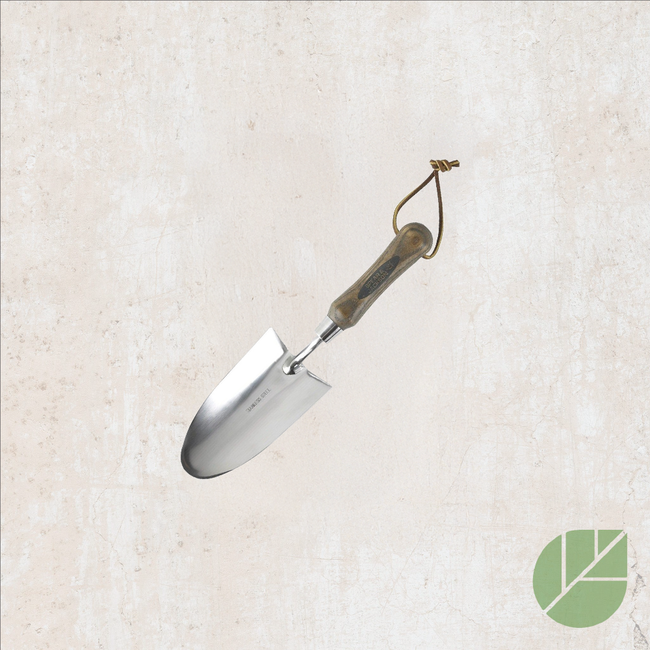
Bulb planters and planting tools
Shop the collection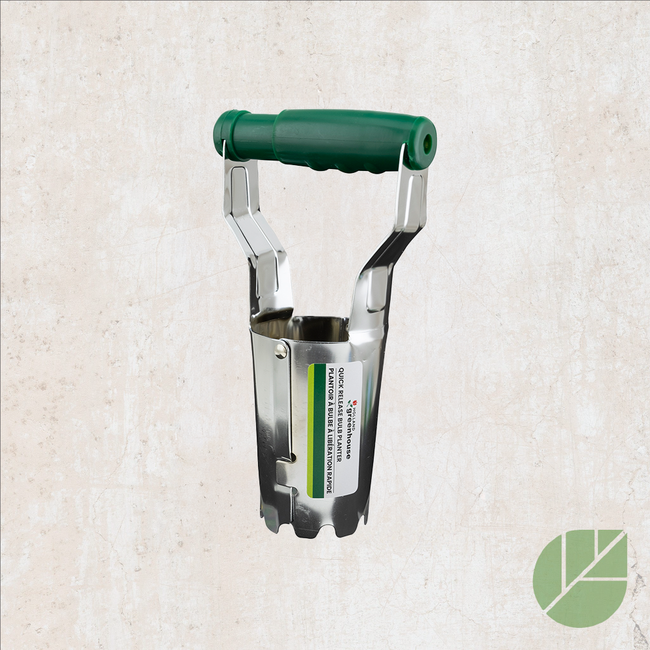

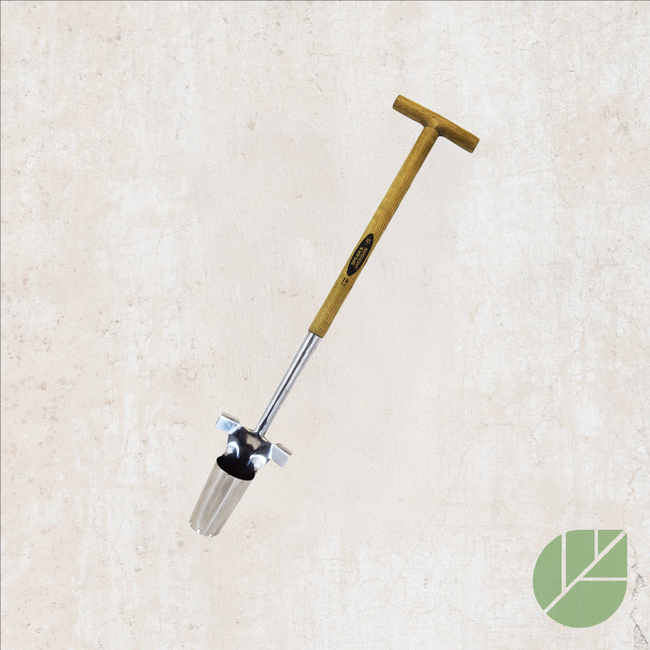
Soils and amendments for bulbs
Shop the collection