Sale
Sold out

Bulb
Liliaceae
Artist Tulip
Tulipa
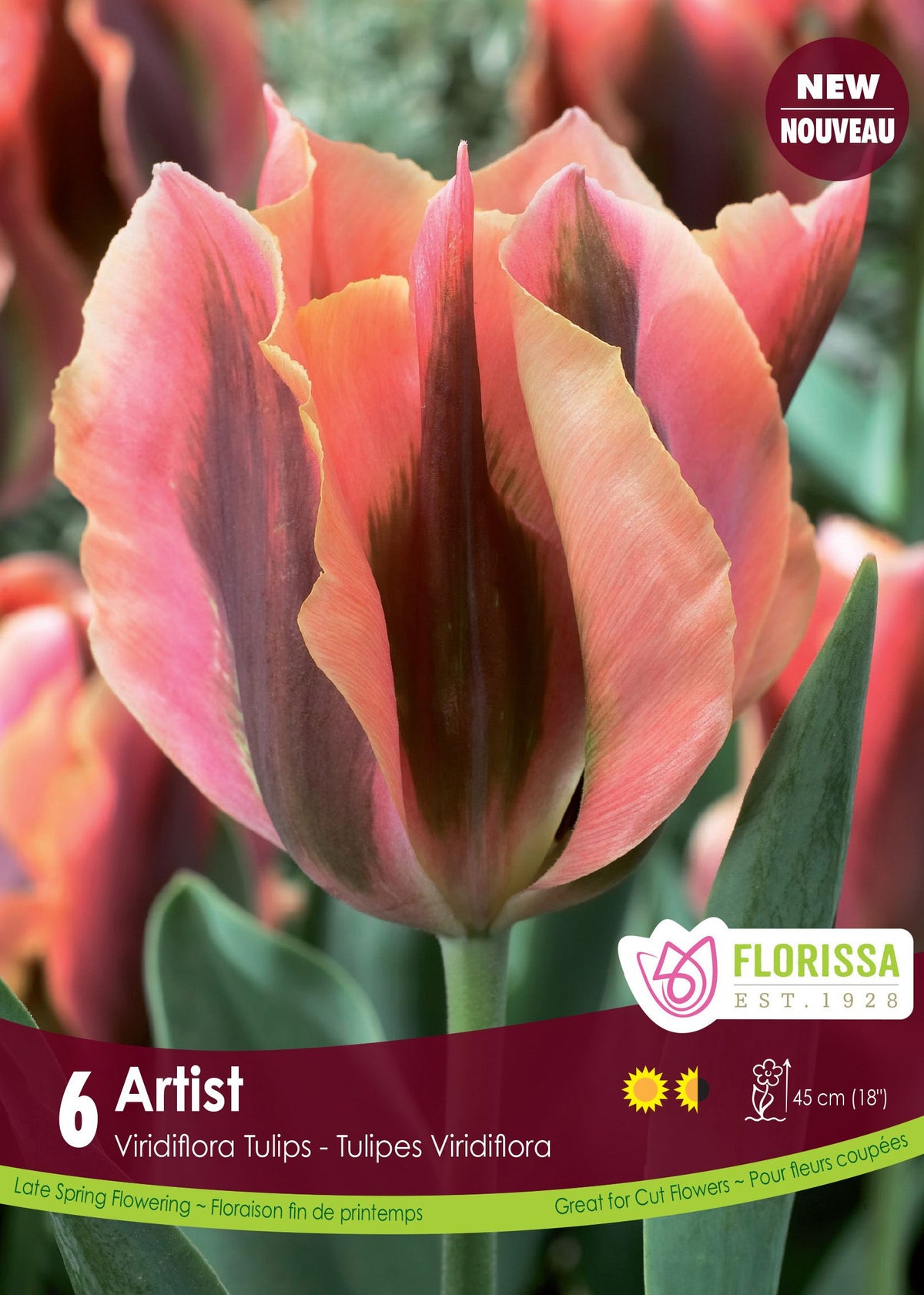
Offer a touch of living floral art to your landscapes with the 'Artist' tulip, a viridiflora variety featuring a subtle blend of salmon pink, fresh green, and coppery hues. Its look, both wild and sophisticated, its elegant and tapered shape, and its changing colors make it a unique flower, ideal for natural borders, artistic-style flowerbeds, or modern floral arrangements. Late blooming, excellent vase life, and graceful habit: it catches the eye without ever being gaudy. It is a tulip that evokes a living, delicately nuanced painting, perfect for lovers of subtle and natural beauty. Height: 30 to 40 cm (12 to 16 in). Water needs: Low to moderate (well-drained soil).
- Quantity
- 6 bulbs
- Exposure
- Sun to partial shade
Discover the plant
Common nameArtist Tulip
FamilyLiliaceae
GenusTulip
TypeBulb
Botanical nameTulipa
Tulip 'Artist' (Tulipa). Add a touch of living floral art to your landscape with the 'Artist' tulip, a viridiflora variety featuring a subtle blend of salmon pink, fresh green, and copper highlights. Its wild yet sophisticated look, elegant tapered shape, and changing colors make it a unique flower, ideal for natural borders, artistic beds, or modern floral arrangements. Late blooming, excellent vase life, and graceful habit: it catches the eye without ever being gaudy. Pruning: Allow the foliage to yellow completely before cutting. Pair with decorative foliage, pastel or lime green tulips, or integrate into a poetic garden with organic, shifting hues.
Plant tulips in the fall, in soil that is still easy to work with before it freezes. Choose a sunny spot with well-drained soil, then loosen the soil to a sufficient depth. Place the bulbs point up and respect the planting depth indicated for their size. When planting in groups, leave space between bulbs to allow roots to develop. Water after backfilling if the soil is dry. Avoid areas where water pools on the surface after rain and mark the planting location to avoid damaging the bulbs during subsequent gardening work.
In spring, monitor moisture during growth and water at the base if a dry spell persists. Remove faded flowers while keeping the leaves green. This foliage allows the bulb to replenish its reserves; wait for it to naturally yellow before cutting and avoid braiding it. In containers, check for dryness more often than in the ground and always allow excess water to drain. Re-growth and flowering in subsequent years depend on the variety and growing conditions. Keep bulbs out of reach of children and animals: tulips are ornamental and not for consumption.

Planting guide
Plant well.Grow beautifully.
Planting depth
5 to 6 in. (12 to 15 cm)
Spacing / density
3 to 4 in (8 to 10 cm)
Growing method
Plant tulips in the fall, in soil that is still easy to work before it freezes. Choose a sunny spot with well-drained soil, then loosen the soil to a sufficient depth. Place the bulbs pointy end up and observe the planting depth indicated for their size. When planting in groups, leave space between the bulbs to allow roots to develop. Water after backfilling if the soil is dry. Avoid spots where water remains on the surface after rain and mark the planting location to avoid damaging the bulbs during subsequent gardening. In spring, monitor moisture during growth and water at the base if a dry period extends. Remove faded flowers while keeping the leaves green. This foliage allows the bulb to replenish its reserves; wait for it to yellow naturally before cutting and avoid braiding it. In containers, check for dryness more often than in the ground and always allow excess water to drain. Regrowth and flowering in subsequent years depend on the variety and growing conditions. Keep bulbs out of reach of children and animals: tulips are ornamental and not edible.
Soil and care
The right care,at the right time.
Watering
During growth, water the base when the soil surface begins to dry. Take rainfall into account: if the soil remains moist, wait before adding water. Continue to monitor moisture after flowering as long as the leaves are green, then reduce watering when they naturally turn yellow. Avoid stagnant water around the bulbs. In pots, check the potting mix more often and allow excess water to drain freely through the drainage holes.
Soil type
Light, fertile, well-drained. Observe your location after a rain to identify spots where water remains on the surface for a long time. Work the soil when it's dry enough: working it when it's waterlogged risks compacting it around the roots. Adapt amendments to the actual soil texture, without systematically adding sand or fertilizer. If you are growing in containers, use an appropriate substrate and ensure that the drainage holes remain clear.
Fertilization
Bulb fertilizer recommended in the fall. Observe the dose indicated on the fertilizer packaging and measure the quantity before applying it. Take into account compost and other additions already made to avoid fertilizing the same plants twice. Distribute the product according to its instructions for use; avoid concentrated contact with roots or storage organs.
Seasonal care
Plant tulips in the fall, in soil that is still easy to work before it freezes. Choose a sunny spot with well-drained soil, then loosen the soil to a sufficient depth. Place the bulbs pointy end up and respect the planting depth indicated for their size. When planting in groups, leave space between bulbs to allow the roots to develop. Water after backfilling if the soil is dry. Avoid areas where water remains on the surface after rain and mark the planting location to avoid damaging the bulbs during subsequent gardening work. In spring, monitor moisture during growth and water at the base if a dry period persists. Remove faded flowers while keeping the leaves green. This foliage allows the bulb to replenish its reserves; wait for it to yellow naturally before cutting it and avoid braiding it. In containers, check for dryness more often than in the ground and always allow excess water to drain. Re-growth and flowering in subsequent years depend on the variety and growing conditions. Keep bulbs out of reach of children and animals: tulips are ornamental and not for consumption. Over the seasons, observe new shoots, soil moisture, and stem condition. A durable label helps locate the planting during dormancy. Clean tools after cutting diseased parts and remove debris that degrades around the base.
Container growing
A garden,within reach.
Container gardening requires planning for the necessary root volume and the plant's final height. Choose a stable pot with drainage holes and a suitable planting medium. Leave enough space to respect the recommended depth and spacing, rather than crowding plants to immediately fill the pot. Place the container in the indicated exposure and regularly check the moisture, especially in hot or windy weather. A pot is more exposed to temperature variations than in-ground planting. Therefore, plan for a wintering location compatible with the plant's needs and your region's climate from the outset. Plant tulips in the fall, in soil that is still easy to work with before it freezes. Choose a sunny location with well-drained soil, then loosen the area to a sufficient depth. Place the bulbs with the tip facing up and respect the planting depth indicated for their size. When planting in groups, leave space between the bulbs to allow the roots to develop. Water after backfilling if the soil is dry. Avoid areas where water remains on the surface after rain and mark the planting so as not to damage the bulbs during subsequent gardening work. In winter, protect the container according to the plant's needs: its roots are more exposed to cold than when planted in the ground.

Bloom and dimensions
Its place,in your garden.
Mature height
12" to 16" (30 to 40 cm)
Bloom period
Add a touch of living floral art to your designs with 'Artist' tulip, a viridiflora variety with a subtle blend of salmon pink, fresh green, and copper highlights. Its wild yet sophisticated look, elegant tapered shape, and shifting colors make it a unique flower, ideal for natural borders, artistic flowerbeds, or modern floral arrangements. Late blooming, excellent vase life, and graceful habit: it catches the eye without ever being gaudy. A unique viridiflora variety with green, salmon, and copper tones.
Garden associations
In goodcompany.
Companion plants
To accompany Tulipe Artist, you might consider muscari, pansies, or forget-me-nots. Choose neighboring varieties based on their height, flowering period, and the colors you wish to combine. Above all, ensure that their exposure and water needs are suitable for the same location. Maintain enough distance so that the leaves do not obscure young shoots and to allow easy access to each plant during maintenance. These associations serve to compose the garden's aesthetic; they do not guarantee protection against pests or diseases. Adjust the arrangement after observing one growing season.
Frequently asked questions
Your questions,answered.
How to successfully plant Tulip Artist?
Plant tulips in the fall, in soil that is still easy to work before it freezes. Choose a sunny spot with well-drained soil, then loosen the soil to a sufficient depth. Place the bulbs with the pointed end up and follow the recommended planting depth for their size. When planting in groups, leave space between the bulbs to allow roots to develop. Water after backfilling if the soil is dry. Avoid areas where water pools on the surface after rain and mark the planting location to avoid damaging the bulbs during subsequent gardening work. Use a durable label to easily find the planting during its dormant period.
What kind of lighting should I plan for Tulipe Artist?
The recommended exposure is sun to partial shade. Observe the light in your chosen location in the morning and afternoon, as the shade from trees or buildings changes throughout the day. Also consider nearby plants: their foliage can obscure a young planting as it develops. For potted plants, place the pot where you can move it if conditions become too hot or too shady. Suitable exposure must go hand in hand with appropriate soil and watering. If you move a plant started indoors to the outdoors, gradually accustom it to garden conditions to avoid too abrupt a transition for young leaves.
How do I adjust watering?
Water according to the actual soil moisture, taking into account rain, heat, and wind. Check below the surface before deciding on a new watering: a dry surface can still be moist at the root level. Direct water to the base and allow it to penetrate, without keeping the plant in saturated soil. Containers generally require more frequent checks because they dry out faster. Make sure their drainage holes remain clear and empty any saucers that collect water. Also, adapt care to the plant's cycle: active growth and a resting period do not require the same amount of water.
What to plan for a container culture?
Container gardening requires forethought regarding the necessary volume for the roots and the plant's final height. Choose a stable pot with drainage holes and a substrate suitable for planting. Leave enough space to respect the recommended depth and spacing, rather than crowding plants to fill the pot immediately. Place the container in the specified exposure and regularly check the moisture level, especially in hot or windy weather. A pot is more exposed to temperature variations than planting in the ground. Therefore, plan for a wintering location from the outset that is compatible with the plant's needs and your region's climate.
What care should be provided after the growing season?
In spring, monitor moisture during growth and water the base if a dry spell persists. Remove spent flowers while keeping the leaves green. This foliage allows the bulb to replenish its reserves; wait for it to yellow naturally before cutting and avoid braiding it. In containers, check for dryness more often than in the ground and always allow excess water to drain. Regrowth and flowering in subsequent years depend on the variety and growing conditions. Keep bulbs out of reach of children and animals: tulips are ornamental and not for consumption.
For planting your bulbs
The right extras.Right here.
Bulb planters and planting tools
Shop the collection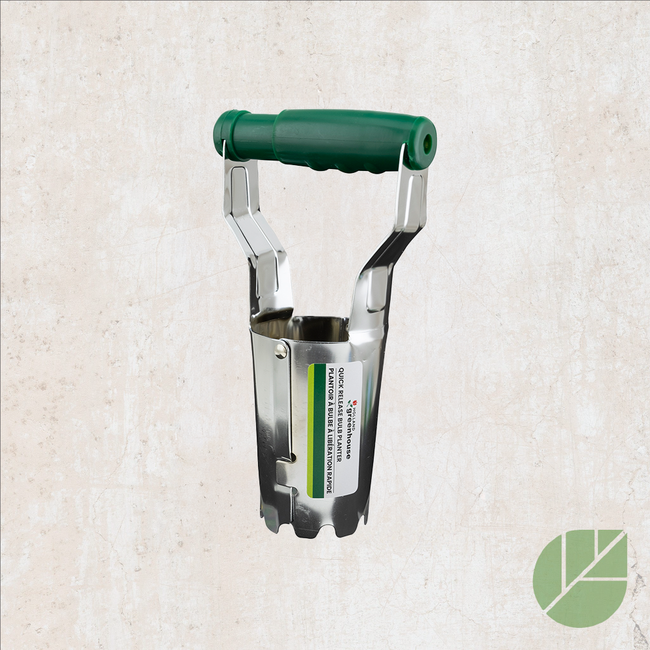
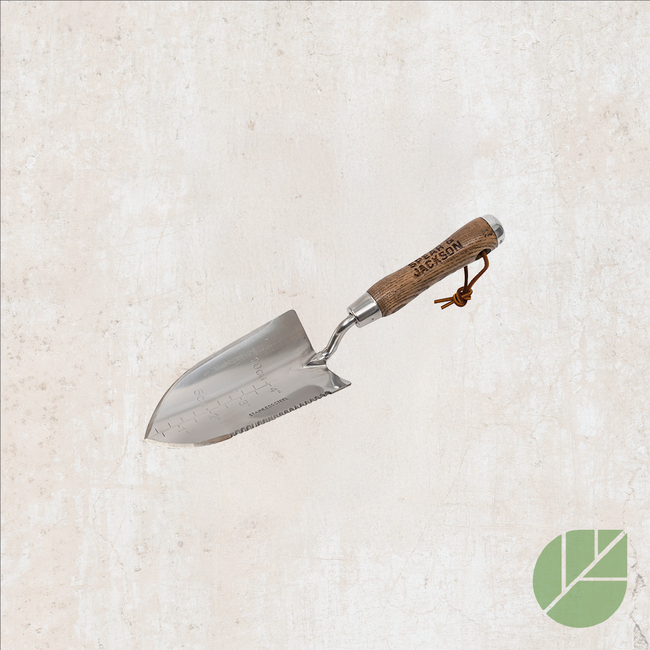
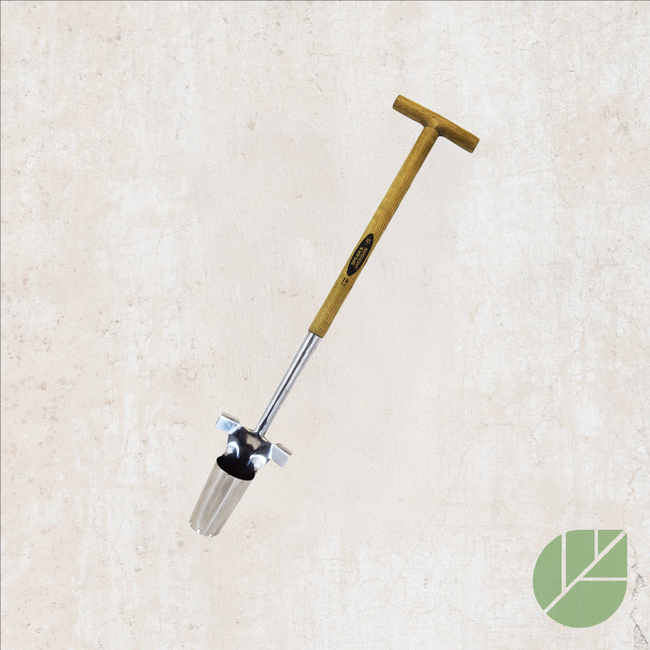
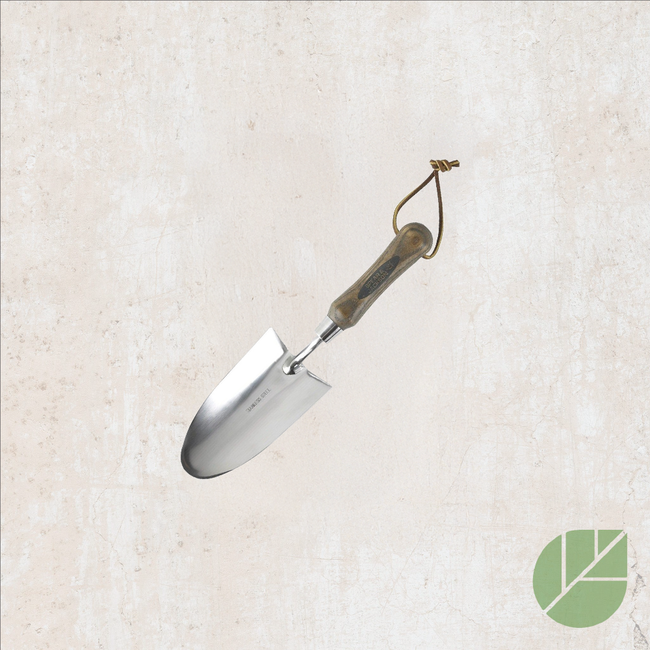
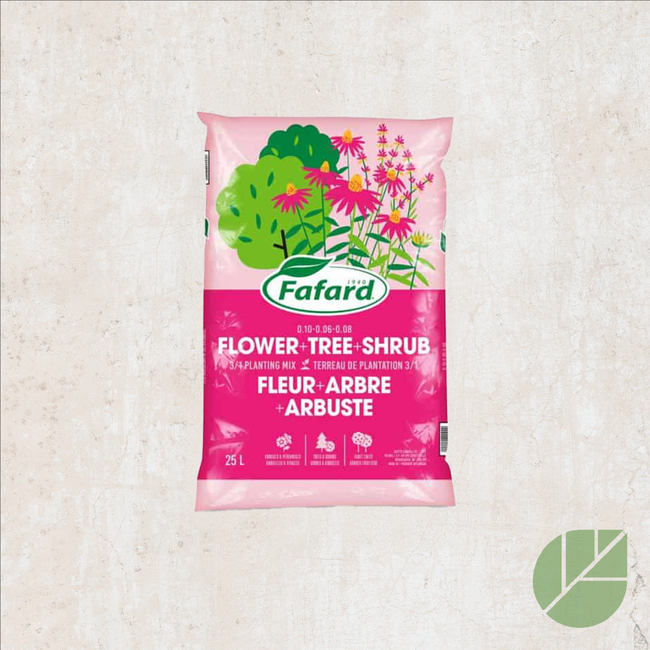
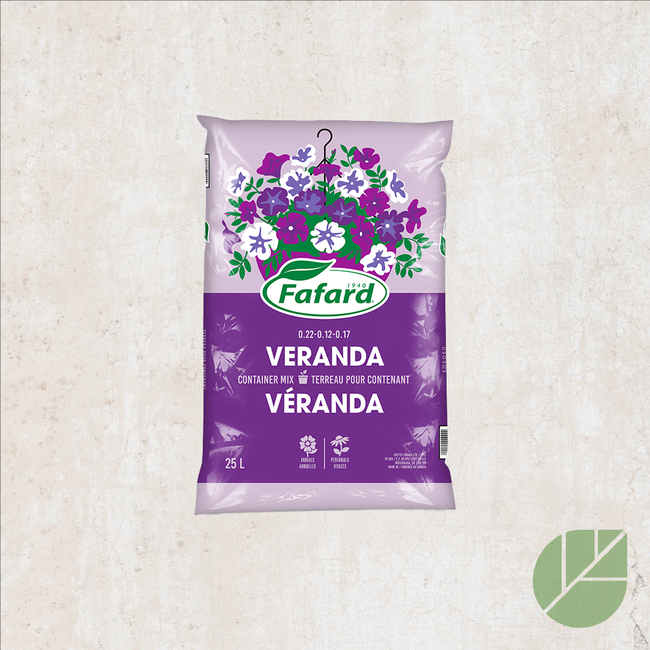
Soils and amendments for bulbs
Shop the collection