Sale
Sold out

Bulb
Amaryllidaceae
Aztec Lily 'Formosissima' (1 bulbs)
Sprekelia formosissima
The Aztec lily is distinguished by an intense red flower with an unusual silhouette, whose narrow, flared segments evoke an orchid. Its elongated, ribbon-like foliage accompanies a bloom that catches the eye in a container or a small, well-spaced group. This bulbous plant, native to Mexico, belongs to the Amaryllidaceae family. In Quebec, its sensitivity to frost makes it advisable to grow it in a pot that can be easily brought indoors. The blooming period depends on the cultivation cycle and when the bulb starts growing; continuous blooming throughout the summer should not be expected.
- Quantity
- 1 bulb
- Exposure
- Sun
Discover the plant
Common nameSt. James Lily
FamilyAmaryllidaceae
GenusSprekelia
Speciesmost beautiful
TypeBulb
Botanical nameSprekelia formosissima
Jacobean Lily (Sprekelia formosissima). The Jacobean Lily stands out with its intense red flower and unusual silhouette, featuring narrow, spreading segments that evoke an orchid. Its elongated, ribbon-like foliage complements a bloom that draws the eye in a container or a well-spaced small group. This bulbous plant, native to Mexico, belongs to the Amaryllidaceae family. In Quebec, its sensitivity to frost makes it ideal for cultivation in a pot that can be easily brought indoors. The flowering time depends on the cultivation cycle and when the bulb starts growing; continuous flowering throughout the summer should not be expected.
Choose a bright, sunny location, sheltered from strong winds. Use a light, loamy or sandy substrate that drains excess water quickly. Install the bulb with its neck and shoulders above the surface, without burying it completely. During growth, water moderately when the surface begins to dry, then allow the water to drain. In Quebec, wait until after the last frost before placing the container outdoors and gradually acclimate the foliage to the sun. The pot must be brought inside before cold weather returns. Avoid full saucers and watering that keeps the bulb in soggy soil.
On a patio or near a pathway, a container allows for closer observation of the flower's details and enables the plant to be moved as needed. Visually pair its red color with understated foliage, ensuring enough space for the leaves to receive light. After flowering, keep the foliage green to allow the bulb to replenish its reserves. Gradually reduce watering as the leaves wither, then keep the bulb almost dry during its dormancy, in a frost-free location. Label the container during this period. This plant is for ornamental purposes: keep the bulb out of reach of children and pets.

Planting guide
Plant well.Grow beautifully.
Growing method
Choose a bright and sunny location, sheltered from strong winds. Use a light, loamy or sandy substrate that drains excess water quickly. Install the bulb with its neck and shoulders above the surface, without burying it completely. During growth, water moderately when the surface begins to dry, then allow the water to drain. In Quebec, wait until after the last frost before placing the container outdoors and gradually acclimate the foliage to the sun. The pot should be able to be brought indoors before the return of cold weather. Avoid full saucers and watering that keeps the bulb in soggy soil. On a patio or near a pathway, a container allows you to observe the details of the flower and move the plant as needed. Visually pair its red with subdued foliage, leaving enough space for the leaves to receive light. After flowering, keep the foliage green to allow the bulb to replenish its reserves. Gradually reduce watering as the leaves wither, then keep the bulb almost dry during its dormancy, in a frost-free location. Label the container during this period. This plant is for ornamental purposes: keep the bulb out of reach of children and animals.
Soil and care
The right care,at the right time.
Watering
Water moderately during growth when the surface of the potting soil begins to dry. Allow water to pass through the substrate, then empty the saucer to protect the bulb from persistent moisture. Check the pot more often during hot periods, without following a fixed schedule. After flowering, continue to monitor moisture as long as the foliage remains green. Reduce watering as the leaves wither and keep the bulb almost dry during its frost-free dormancy.
Soil type
Use a light, silty or sandy substrate that is very well-drained and neutral to alkaline. Water must be able to drain quickly from the root zone after each watering. Avoid compact soils that remain soggy around the bulb. In containers, keep drainage holes clear and do not leave water in the saucer. Place the neck and shoulders of the bulb above the surface of the mixture to respect its planting method.
Fertilization
During growth, adjust fertilization to the plant's and substrate's condition. After flowering, a diluted liquid fertilizer can support the development of foliage, which replenishes the bulb's reserves. Follow product instructions and avoid concentrated doses on dry soil. Do not continue fertilization when leaves wither and the plant enters dormancy. Additional feeding does not compensate for insufficient light or poor drainage.
Seasonal care
Choose a bright, sunny location, sheltered from strong winds. Use a light, loamy or sandy substrate that drains excess water quickly. Install the bulb with its neck and shoulders above the surface, without burying it completely. During growth, water moderately when the surface begins to dry, then allow the water to drain. In Quebec, wait until after the last frost before placing the container outdoors and gradually acclimate the foliage to the sun. The pot should be able to be brought indoors before the return of cold weather. Avoid full saucers and watering that keeps the bulb in soggy soil. On a patio or near a pathway, a container allows you to observe the details of the flower and move the plant as needed. Visually associate its red color with subdued foliage, leaving enough space for the leaves to receive light. After flowering, keep the foliage green to allow the bulb to replenish its reserves. Gradually reduce watering as the leaves wither, then keep the bulb almost dry during its dormancy, in a frost-free location. Label the container during this period. This plant is for ornamental purposes: keep the bulb out of reach of children and animals. Check the bulb during dormancy and remove soft or damaged tissue with clean tools. Do not resume abundant watering until signs of new growth appear.
Container growing
A garden,within reach.
Choose a stable pot with drainage holes, and allow enough space to place the bulb without compressing it. A mobile pot makes it easy to move between summer and winter storage. Place it where light reaches the foliage and regularly check the soil moisture. Needs change as the plant transitions from active growth to dormancy. After each watering, allow excess water to drain before placing the pot back on its saucer. Keep the label in place to find the bulb when the leaves have disappeared and avoid repotting unnecessarily throughout its active growth period. Choose a bright and sunny location, sheltered from strong winds. Use a light, silty or sandy substrate that drains excess water quickly. Install the bulb with its neck and shoulders above the surface, without burying it completely. During growth, water moderately when the surface begins to dry, then allow the water to drain. In Quebec, wait until after the last frost before placing the container outdoors and gradually acclimate the foliage to the sun. The pot should be able to be brought indoors before the cold returns. Avoid full saucers and watering that keeps the bulb in soggy soil.

Bloom and dimensions
Its place,in your garden.
Mature height
20 cm (8")
Bloom period
The Saint James lily bears a red flower whose unfurled segments evoke an orchid. The silhouette stands out above narrow, ribbon-like foliage. The flowering time depends on the cultivation cycle and the bulb's sprouting. Place the pot in a bright location to observe the flower opening. After flowering, keep the green leaves: they allow the bulb to replenish its reserves before its dormancy period.

Garden associations
In goodcompany.
Companion plants
To accompany the Resurrection Lily, you can consider perennial geraniums or campanulas. Choose neighboring varieties based on their height, flowering period, and the colors you wish to combine. Above all, make sure their sun exposure and water requirements suit the same location. Keep enough distance so that the leaves do not obscure young shoots and to easily access each plant during maintenance. These pairings are meant to decorate the garden; they do not guarantee protection against pests or diseases. Adjust the arrangement after observing one growing season.
Frequently asked questions
Your questions,answered.
How to successfully plant the Aztec lily?
Choose a bright and sunny location, protected from strong winds. Use a light, loamy or sandy substrate that drains excess water quickly. Install the bulb with its neck and shoulders above the surface, without burying it completely. During growth, water moderately when the surface begins to dry, then allow the water to drain. In Quebec, wait until after the last frost before placing the container outdoors and gradually acclimate the foliage to the sun. The pot should be able to be brought indoors before the cold returns. Avoid full saucers and watering that keeps the bulb in soggy soil.
What light conditions does the Apostle plant need?
The recommended exposure is full sun. Observe the light at the chosen location in the morning and afternoon, as the shade from trees or buildings changes throughout the day. Also consider nearby plants: their foliage can hide a young plant as it grows. In a container, place the pot where you can move it if conditions become too hot or too shady. Appropriate exposure must go hand in hand with suitable soil and watering. If you move a plant started indoors outside, gradually accustom it to garden conditions to avoid too abrupt a transition for the young leaves.
How to adjust watering?
Water according to the actual soil moisture, taking into account rain, heat, and wind. Check below the surface before deciding on further watering: soil that is dry on the surface may still be moist at the root level. Direct water to the base and allow it to penetrate, without keeping the plant in saturated soil. Containers generally require more frequent checks because they dry out faster. Make sure their drainage holes remain clear and empty any saucers that hold water. Also, adapt care to the plant's cycle: active growth and a resting period do not require the same amount of watering.
What should I plan for container gardening?
Choose a stable container with drainage holes, and leave enough space to place the bulb without compressing it. A mobile pot makes it easier to move the plant between its summer location and winter shelter. Place it where light can reach the foliage and regularly check the soil's moisture. Needs change when the plant transitions from active growth to dormancy. After each watering, allow excess water to drain before placing the pot back on its saucer. Keep the label in place to identify the bulb when the leaves have disappeared, and avoid repotting it unnecessarily throughout its active growth period.
What care should be provided after the growing season?
On a patio or near a pathway, a container allows you to observe the details of the flower and move the plant as needed. Visually pair its red with subdued foliage, ensuring there is enough space for the leaves to receive light. After flowering, keep the foliage green to allow the bulb to replenish its reserves. Gradually reduce watering as the leaves wither, then keep the bulb almost dry during dormancy in a frost-free location. Label the container during this period. This plant is for ornamental purposes: keep the bulb out of reach of children and animals.
Wildlife and pets
Life,around your plants.
Reported toxicity
Yes
For planting your bulbs
The right extras.Right here.
Bulb planters and planting tools
Shop the collection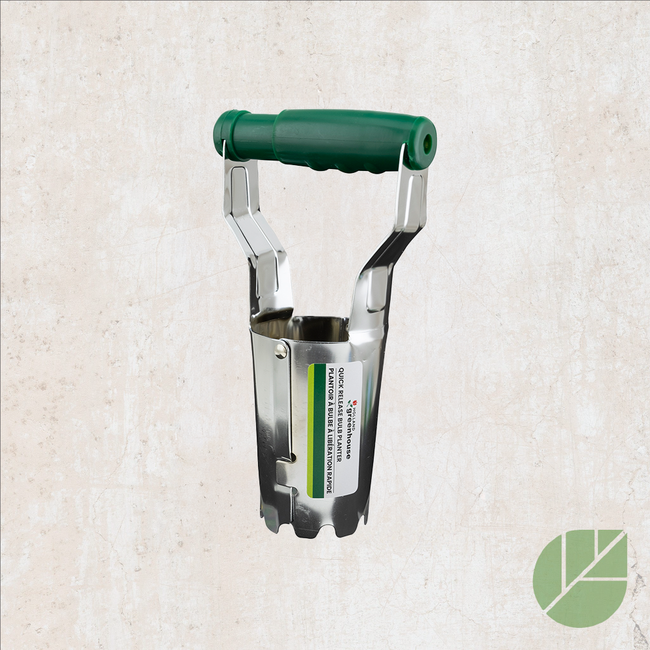
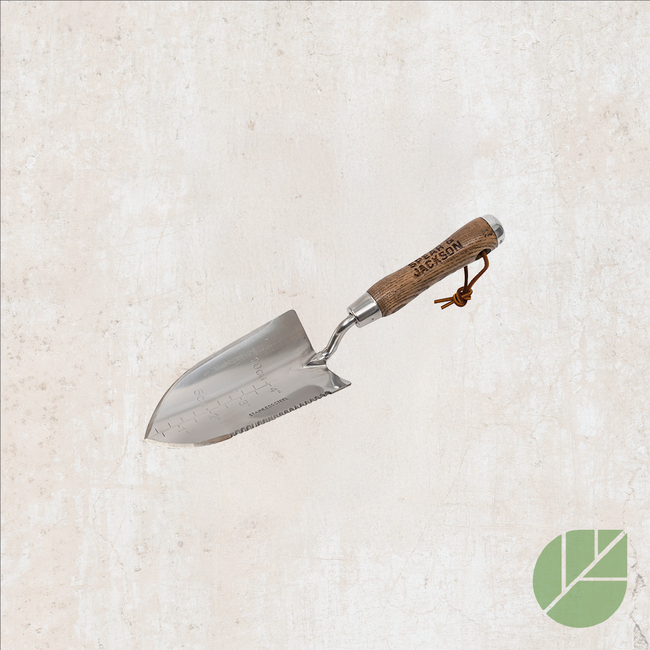
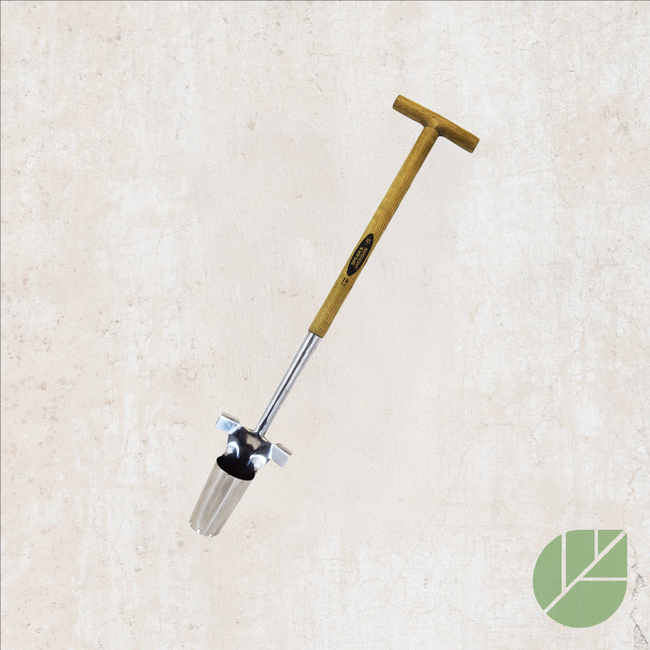
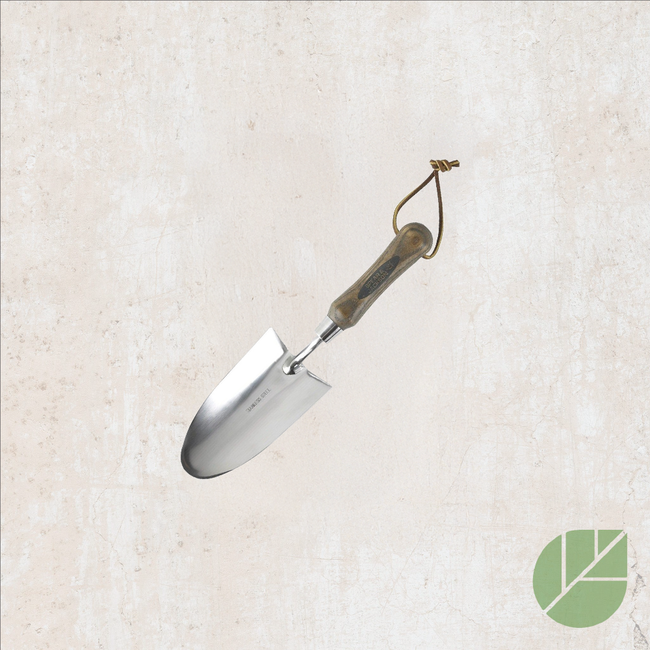
Soils and amendments for bulbs
Shop the collection