Sale
Sold out

Double-flowered tuberous begonia
Begoniaceae
Double white container begonia
Orange Double Camelia begonia (Begonia × tuberhybrida ‘Orange’)
Orange Double Camelia is a compact 30 cm tuberous begonia carrying large orange rosettes. One Van Noort size 6/+ tuber produces a refined summer display for shaded pots and borders. In Quebec, start the tuber warm, acclimate the plant after frost, and keep it in partial shade. Filtered light preserves orange petals and tender green foliage. Keep the mix moist but drained with no standing water around the tuber. Remove spotted flowers and feed lightly during summer growth. Before frost, let foliage decline and store the tuber dry. In Quebec, start the tuber warm, acclimate the plant after frost, and keep it in partial shade.
- Quantity
- 3 tubers
- Exposure
- Partial shade
- Life cycle
- Tender tuberous perennial grown as an annual
- Hardiness
- Zone 8; grown as an annual in zones 3 to 10
Discover the plant
Common nameOrange Double Camelia tuberous begonia
FamilyBegoniaceae
GenusBegonia
Species× tuberhybrida
CultivarOrange
TypeDouble-flowered tuberous begonia
Botanical nameBegonia × tuberhybrida
Reproducible seedsYes
Orange Double Camelia begonia (Begonia × tuberhybrida ‘Orange’) forms a compact plant crowned with large, fully double orange flowers whose overlapping petals resemble camellia blooms. The Van Noort size 6/+ tuber is sold individually and produces fleshy green foliage that emphasizes the clean colour of each flower. Reaching approximately 30 cm tall, this begonia creates a luminous focal point in sheltered places where darker colours need relief. Its generous summer display is particularly effective in pots, urns, and borders viewed at close range, where the layered texture and balanced shape can be appreciated.
Start the tuber in spring in fresh, rich, porous potting mix with its hollow side facing upward. Cover it lightly, keep the medium warm and barely moist, then increase watering after shoots appear. Once frost danger has passed, acclimate the plant and place it in partial shade protected from intense sun, wind, and driving rain. Water at soil level when the surface dries and let surplus escape. Regular diluted fertilizer supports buds without producing soft stems. Remove spotted flowers promptly to preserve the crisp orange presentation and keep decaying petals away from leaves.
Use Orange Double Camelia begonia to brighten a covered porch, shaded patio, or the front of a protected border. Pair its orange blooms with burgundy, silver, or deep green foliage while leaving enough room for air circulation. The plant is strictly ornamental and its tissues must not be eaten. Before the first frost, bring the pot indoors or lift the tuber when foliage oranges. Let it dry, clean it gently, and store it in a cool, dry, dark, ventilated place until spring. Label the tuber clearly so the orange selection remains identifiable among stored begonias.

Planting guide
Plant well.Grow beautifully.
Planting depth
3 to 5 cm
Spacing / density
20 cm (8 in)
Establishment temperature
20 to 24°C (68 to 75°F)
Rooting time
21 to 42 days
Best planting time
March to May, then outdoors after frost
Propagation
Tuber
Growing method
In spring, set the tuber hollow side upward in fresh rich porous mix. Cover lightly, keep warm, and increase water after emergence. Then acclimate the plant to partial shade. In Quebec, start the tuber warm, acclimate the plant after frost, and keep it in partial shade. Filtered light preserves orange petals and tender green foliage. Keep the mix moist but drained with no standing water around the tuber. Remove spotted flowers and feed lightly during summer growth. Before frost, let foliage decline and store the tuber dry. In Quebec, start the tuber warm, acclimate the plant after frost, and keep it in partial shade. Filtered light preserves orange petals and tender green foliage. Keep the mix moist but drained with no standing water around the tuber. Remove spotted flowers and feed lightly during summer growth. Before frost, let foliage decline and store the tuber dry. In Quebec, start the tuber warm, acclimate the plant after frost, and keep it in partial shade. Filtered light preserves orange petals and tender green foliage. Keep the mix moist but drained with no standing water around the tuber. Remove spotted flowers and feed lightly during summer growth. Before frost, let foliage decline and store the tuber dry.
Soil and care
The right care,at the right time.
Soil pH
Slightly acidic to neutral
Minimum temperature
5°C (41°F)
Care level
Moderate
Watering
Water in the morning when the surface dries, wet the mix rather than flowers, and always let surplus drain. In Quebec, start the tuber warm, acclimate the plant after frost, and keep it in partial shade. Filtered light preserves orange petals and tender green foliage. Keep the mix moist but drained with no standing water around the tuber. Remove spotted flowers and feed lightly during summer growth.
Soil type
Use humus-rich light porous mix amended with mature compost, perlite, and fine bark. Avoid compact cold soil. In Quebec, start the tuber warm, acclimate the plant after frost, and keep it in partial shade. Filtered light preserves orange petals and tender green foliage. Keep the mix moist but drained with no standing water around the tuber. Remove spotted flowers and feed lightly during summer growth. This structure also supports healthy fine roots.
Fertilization
Apply diluted balanced fertilizer every two or three weeks after growth resumes, without excess nitrogen. In Quebec, start the tuber warm, acclimate the plant after frost, and keep it in partial shade. Filtered light preserves orange petals and tender green foliage. Keep the mix moist but drained with no standing water around the tuber. Remove spotted flowers and feed lightly during summer growth. Before frost, let foliage decline and store the tuber dry.
Moisture
Moderate humidity is suitable with airflow. Avoid misting, condensation, and continually wet flowers that encourage botrytis. In Quebec, start the tuber warm, acclimate the plant after frost, and keep it in partial shade. Filtered light preserves orange petals and tender green foliage. Keep the mix moist but drained with no standing water around the tuber. Remove spotted flowers and feed lightly during summer growth.
Seasonal care
In spring, inspect and repot the tuber. In summer, water regularly, feed lightly, rotate the pot, and remove spotted blooms. In autumn, reduce water after orangeing. In winter, keep the tuber dry, cool, ventilated, dark, and frost free, then inspect it monthly. In Quebec, start the tuber warm, acclimate the plant after frost, and keep it in partial shade. Filtered light preserves orange petals and tender green foliage. Keep the mix moist but drained with no standing water around the tuber. Remove spotted flowers and feed lightly during summer growth. Before frost, let foliage decline and store the tuber dry. In Quebec, start the tuber warm, acclimate the plant after frost, and keep it in partial shade. Filtered light preserves orange petals and tender green foliage. Keep the mix moist but drained with no standing water around the tuber. Remove spotted flowers and feed lightly during summer growth. Before frost, let foliage decline and store the tuber dry. In Quebec, start the tuber warm, acclimate the plant after frost, and keep it in partial shade. Filtered light preserves orange petals and tender green foliage. Keep the mix moist but drained with no standing water around the tuber. Remove spotted flowers and feed lightly during summer growth. Before frost, let foliage decline and store the tuber dry. In Quebec, start the tuber warm, acclimate the plant after frost, and keep it in partial shade.
Container growing
A garden,within reach.
Recommended pot size
25 to 30 cm wide
Choose a pot 25 to 30 cm wide and 25 cm deep with several holes. Fill with airy mix, plant shallowly, and place in partial shade. In Quebec, start the tuber warm, acclimate the plant after frost, and keep it in partial shade. Filtered light preserves orange petals and tender green foliage. Keep the mix moist but drained with no standing water around the tuber. Remove spotted flowers and feed lightly during summer growth. Before frost, let foliage decline and store the tuber dry. In Quebec, start the tuber warm, acclimate the plant after frost, and keep it in partial shade. Filtered light preserves orange petals and tender green foliage. Keep the mix moist but drained with no standing water around the tuber. Remove spotted flowers and feed lightly during summer growth. Before frost, let foliage decline and store the tuber dry. In Quebec, start the tuber warm, acclimate the plant after frost, and keep it in partial shade. Filtered light preserves orange petals and tender green foliage. Keep the mix moist but drained with no standing water around the tuber. Remove spotted flowers and feed lightly during summer growth. Before frost, let foliage decline and store the tuber dry.

Bloom and dimensions
Its place,in your garden.
Mature height
30 cm (12 in)
Width / spread
20 cm (8 in)
Flower color
Orange
Foliage color
Green
Foliage type
Deciduous
Growth rate
Moderate
Growth habit
Compact and upright
Bloom period
From summer until frost, large fully double orange flowers renew above green foliage. In Quebec, start the tuber warm, acclimate the plant after frost, and keep it in partial shade. Filtered light preserves orange petals and tender green foliage. Keep the mix moist but drained with no standing water around the tuber. Remove spotted flowers and feed lightly during summer growth. Before frost, let foliage decline and store the tuber dry.
Harvest
Lift the tuber after orangeing

Garden associations
In goodcompany.
Companion plants
Pair it with purple coleus, ferns, silver heuchera, blue lobelia, bacopa, and impatiens enjoying filtered light. In Quebec, start the tuber warm, acclimate the plant after frost, and keep it in partial shade. Filtered light preserves orange petals and tender green foliage. Keep the mix moist but drained with no standing water around the tuber. Remove spotted flowers and feed lightly during summer growth. Before frost, let foliage decline and store the tuber dry. In Quebec, start the tuber warm, acclimate the plant after frost, and keep it in partial shade.
Plants to avoid
Avoid scorching sun, wind, invasive plants, and species requiring saturated soil. In Quebec, start the tuber warm, acclimate the plant after frost, and keep it in partial shade. Filtered light preserves orange petals and tender green foliage. Keep the mix moist but drained with no standing water around the tuber. Remove spotted flowers and feed lightly during summer growth. Before frost, let foliage decline and store the tuber dry. In Quebec, start the tuber warm, acclimate the plant after frost, and keep it in partial shade.
Frequently asked questions
Your questions,answered.
When should the tuber be started?
Follow attentive care suited to a white tuberous begonia by observing mix, foliage, and flowers every week. In Quebec, start the tuber warm, acclimate the plant after frost, and keep it in partial shade. Filtered light preserves orange petals and tender green foliage. Keep the mix moist but drained with no standing water around the tuber. Remove spotted flowers and feed lightly during summer growth. Before frost, let foliage decline and store the tuber dry. In Quebec, start the tuber warm, acclimate the plant after frost, and keep it in partial shade. Filtered light preserves orange petals and tender green foliage. Keep the mix moist but drained with no standing water around the tuber.
What light is best?
Follow attentive care suited to a white tuberous begonia by observing mix, foliage, and flowers every week. In Quebec, start the tuber warm, acclimate the plant after frost, and keep it in partial shade. Filtered light preserves orange petals and tender green foliage. Keep the mix moist but drained with no standing water around the tuber. Remove spotted flowers and feed lightly during summer growth. Before frost, let foliage decline and store the tuber dry. In Quebec, start the tuber warm, acclimate the plant after frost, and keep it in partial shade. Filtered light preserves orange petals and tender green foliage. Keep the mix moist but drained with no standing water around the tuber.
How can spotting be prevented?
Follow attentive care suited to a white tuberous begonia by observing mix, foliage, and flowers every week. In Quebec, start the tuber warm, acclimate the plant after frost, and keep it in partial shade. Filtered light preserves orange petals and tender green foliage. Keep the mix moist but drained with no standing water around the tuber. Remove spotted flowers and feed lightly during summer growth. Before frost, let foliage decline and store the tuber dry. In Quebec, start the tuber warm, acclimate the plant after frost, and keep it in partial shade. Filtered light preserves orange petals and tender green foliage. Keep the mix moist but drained with no standing water around the tuber.
How should the tuber be stored?
Follow attentive care suited to a white tuberous begonia by observing mix, foliage, and flowers every week. In Quebec, start the tuber warm, acclimate the plant after frost, and keep it in partial shade. Filtered light preserves orange petals and tender green foliage. Keep the mix moist but drained with no standing water around the tuber. Remove spotted flowers and feed lightly during summer growth. Before frost, let foliage decline and store the tuber dry. In Quebec, start the tuber warm, acclimate the plant after frost, and keep it in partial shade. Filtered light preserves orange petals and tender green foliage. Keep the mix moist but drained with no standing water around the tuber.
Is the plant edible?
Follow attentive care suited to a white tuberous begonia by observing mix, foliage, and flowers every week. In Quebec, start the tuber warm, acclimate the plant after frost, and keep it in partial shade. Filtered light preserves orange petals and tender green foliage. Keep the mix moist but drained with no standing water around the tuber. Remove spotted flowers and feed lightly during summer growth. Before frost, let foliage decline and store the tuber dry. In Quebec, start the tuber warm, acclimate the plant after frost, and keep it in partial shade. Filtered light preserves orange petals and tender green foliage. Keep the mix moist but drained with no standing water around the tuber.
Wildlife and pets
Life,around your plants.
Reported toxicity
Yes
Supporting wildlife
Very double flowers offer little accessible pollen. Add local simple flowers nearby to support insects. In Quebec, start the tuber warm, acclimate the plant after frost, and keep it in partial shade. Filtered light preserves orange petals and tender green foliage. Keep the mix moist but drained with no standing water around the tuber.
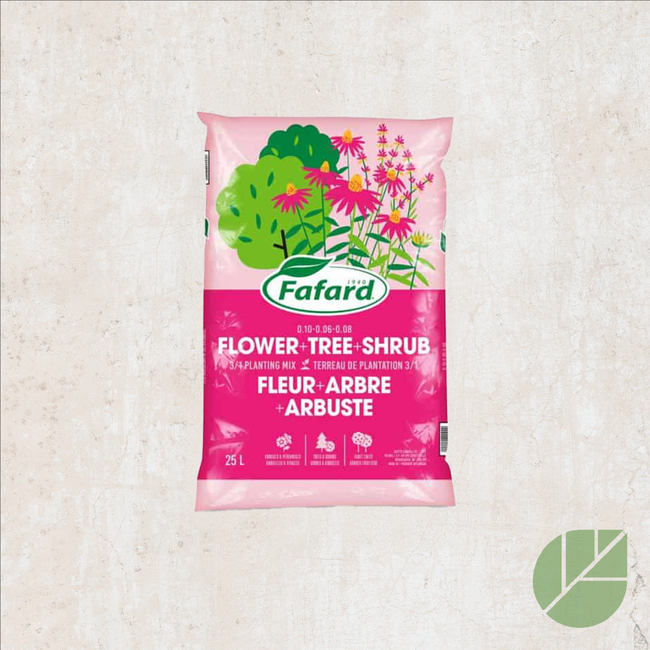
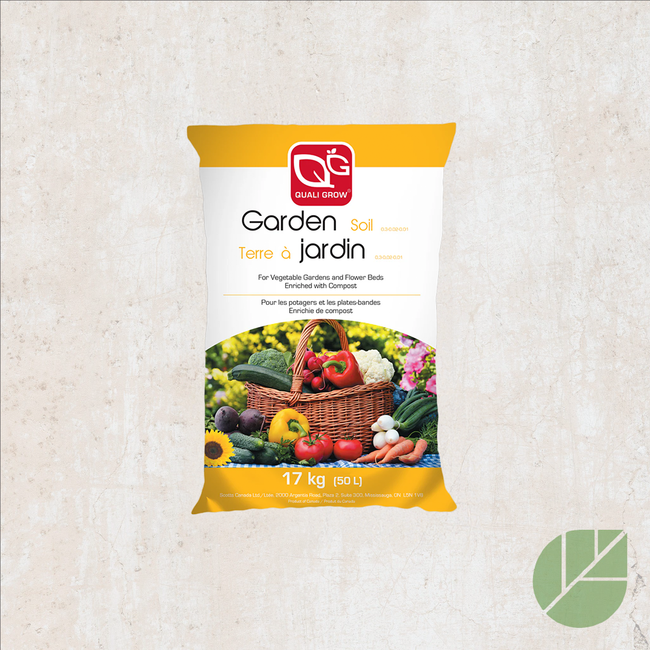
For planting your bulbs
The right extras.Right here.
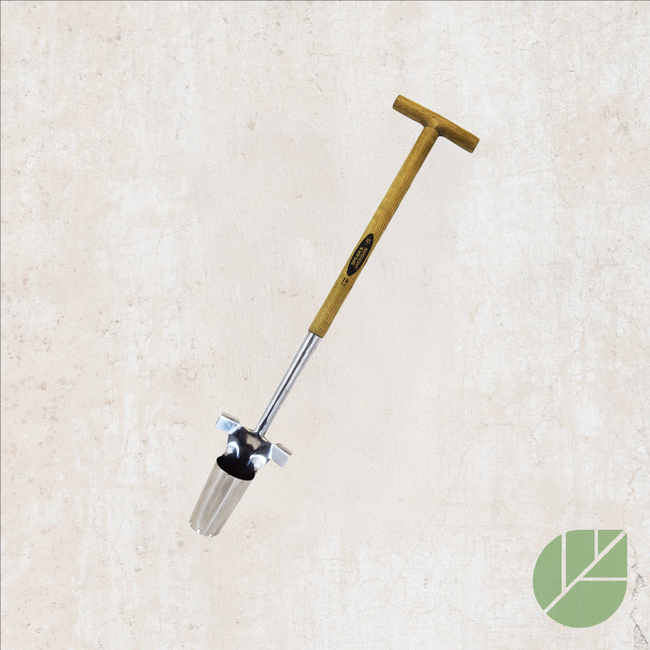
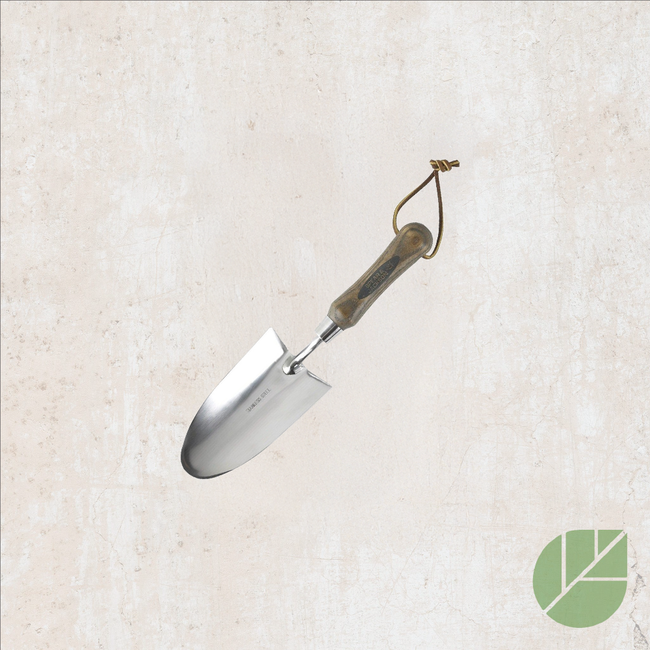
Bulb planters and planting tools
Shop the collection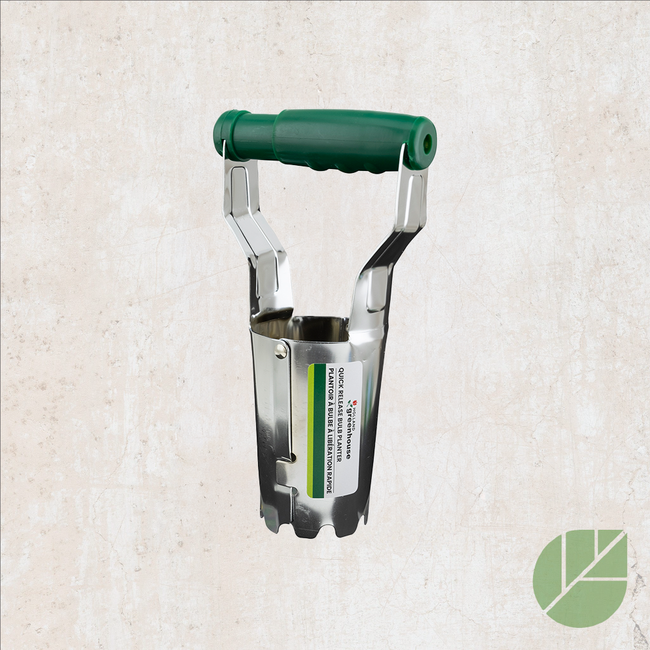
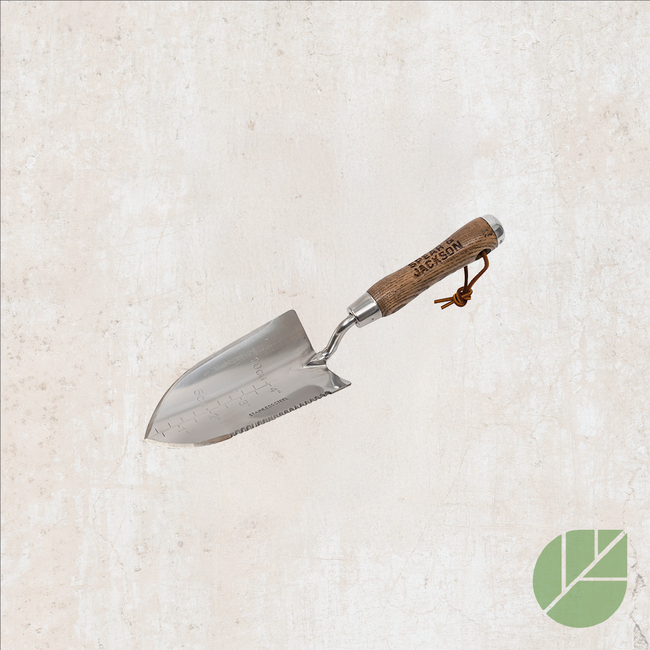
Soils and amendments for bulbs
Shop the collection