Sale
Sold out

Compact tuberous begonia with large double flowers
Begoniaceae
Double-flowered pink begonia for shaded containers
Nonstop Pink begonia (Begonia × tuberhybrida ‘Nonstop Pink’)
Product code : 307 128 01
Nonstop Pink is a compact tuberous begonia with large double flowers whose pink flowers form a luminous floraison généreuse. It reaches approximately 25 cm tall and 20 cm wide from one Van Noort size 6/+ tuber. Grow it in partial shade in a drained container with steady moisture and moderate feeding. Its luminous floraison généreuse suits containers and window boxes near frequently used outdoor spaces. In Quebec, start the tuber in warmth before gradually moving the plant outdoors after the last frost. Bright filtered light protects tender leaves and keeps the pink tones luminous without scorching. Potting mix should remain moist during growth while allowing every surplus of water to drain promptly.
- Quantity
- 1 tuber
- Exposure
- Partial shade
- Life cycle
- Tender tuberous perennial grown as an annual
- Hardiness
- Zone 8; grown as an annual in zones 3 to 10
Discover the plant
Common nameCompact tuberous Nonstop Pink begonia
FamilyBegoniaceae
GenusBegonia
Species× tuberhybrida
CultivarNonstop Pink
TypeCompact tuberous begonia with large double flowers
Botanical nameBegonia × tuberhybrida
Reproducible seedsYes
Nonstop Pink begonia (Begonia × tuberhybrida ‘Nonstop Pink’) brightens shaded spaces with radiant pink flowers in layered pink-orange and powder pink tones. Its Van Noort size 6/+ tuber produces a compact plant approximately 25 cm tall and 20 cm wide. Summer blooms sway above flexible green foliage and create a light silhouette that becomes especially expressive when the container is elevated. One tuber can establish a luminous accent in a shaded container, window box, or urn. The clear colour remains elegant in filtered light and brings warmth to entrances, seating areas, and sheltered displays without overwhelming nearby plants.
Start the tuber in spring in rich, airy, sharply drained potting mix, positioning its hollow side upward. Cover it by approximately 5 cm and maintain steady warmth until shoots emerge. After the last frost, acclimate the plant and place it in partial shade, protected from scorching sun and strong gusts. Space plants 20 cm apart. Water thoroughly when the surface begins to dry without allowing water to remain beneath the pot. Regular diluted fertilizer supports bud formation, while removing faded flowers keeps foliage clean. Turn containers periodically so growth remains balanced and inspect tender leaves for pests during warm weather.
Nonstop Pink suits porches, balconies, patios, and shaded borders where its stems can develop freely without touching the ground. Pair its vivid pink with deep green foliage, soft green ferns, blue lobelia, or white bacopa. Its large double-flowered display is primarily ornamental; begonia tissues must not be eaten, and the tuber should remain away from children and pets. Before frost, bring the container indoors or lift the tuber after foliage declines. Allow it to dry, then store it cool, dry, dark, and frost free until the following spring. Label stored material clearly so this distinctive cultivar is not confused with other tuberous begonias.

Planting guide
Plant well.Grow beautifully.
Planting depth
5 cm (2 in)
Spacing / density
20 cm (8 in)
Establishment temperature
20 to 24°C (68 to 75°F)
Rooting time
21 to 42 days
Best planting time
March to May, then outdoors after frost
Propagation
Tuber
Growing method
In spring, set the tuber hollow side upward in fresh mix rich in organic matter and loosened with perlite. Cover it by 5 cm without compacting. Maintain gentle warmth and light moisture until shoots appear, then move the pot toward bright light. After frost, acclimate the plant for one week before placing it in partial shade. Keep 20 cm between plants. Water at soil level when the surface dries and always allow complete drainage. In Quebec, start the tuber in warmth before gradually moving the plant outdoors after the last frost. Bright filtered light protects tender leaves and keeps the pink tones luminous without scorching. Potting mix should remain moist during growth while allowing every surplus of water to drain promptly. Remove damaged flowers and fertilize lightly to support the summer succession of buds. Before frost, reduce water, allow foliage to decline, and store the tuber dry. In Quebec, start the tuber in warmth before gradually moving the plant outdoors after the last frost. Bright filtered light protects tender leaves and keeps the pink tones luminous without scorching. Potting mix should remain moist during growth while allowing every surplus of water to drain promptly. Remove damaged flowers and fertilize lightly to support the summer succession of buds.
Soil and care
The right care,at the right time.
Soil pH
Slightly acidic to neutral
Minimum temperature
5°C (41°F)
Care level
Moderate
Watering
Water when the upper few centimetres of potting mix begin to dry. Soak slowly until surplus drains freely, then empty the saucer. Direct water toward the medium rather than large double-flowered flowers. Increase frequency during hot windy periods, but reduce it markedly as foliage enters dormancy. In Quebec, start the tuber in warmth before gradually moving the plant outdoors after the last frost. Bright filtered light protects tender leaves and keeps the pink tones luminous without scorching.
Soil type
Choose a humus-rich, light, porous potting mix that maintains even moisture without remaining saturated. Container mix amended with mature compost, perlite, and fine bark performs well. Avoid heavy soil, full saucers, and cold compacted media surrounding the tuber. In Quebec, start the tuber in warmth before gradually moving the plant outdoors after the last frost. Bright filtered light protects tender leaves and keeps the pink tones luminous without scorching reliably in containers.
Fertilization
After active growth resumes, apply diluted balanced fertilizer every two or three weeks. A formula slightly higher in potassium may support buds without excess nitrogen that softens stems. Water before feeding, flush the mix occasionally, and stop fertilizing when foliage declines. In Quebec, start the tuber in warmth before gradually moving the plant outdoors after the last frost. Bright filtered light protects tender leaves and keeps the pink tones luminous without scorching.
Moisture
Moderate ambient humidity supports flexible leaves and regular flowering when air circulates around the plant. Avoid misting flowers or crowding several pots against a wall. Continually wet foliage increases the risk of botrytis and powdery mildew. In Quebec, start the tuber in warmth before gradually moving the plant outdoors after the last frost. Bright filtered light protects tender leaves and keeps the pink tones luminous without scorching.
Seasonal care
In spring, inspect the tuber, remove soft tissue, and repot it hollow side upward. Keep the container warm, increase water gradually, and supply bright light once shoots emerge. After frost, acclimate it to outdoor partial shade. In summer, check moisture often, feed lightly, rotate the pot, and remove faded flowers. Protect fleshy stems from wind and monitor thrips, aphids, mites, botrytis, and powdery mildew. In autumn, bring the pot indoors before cold weather or allow foliage to pink, then reduce water. Lift, clean, and dry the tuber. In winter, store it cool, dry, ventilated, and frost free. Inspect monthly and retain its cultivar label. In Quebec, start the tuber in warmth before gradually moving the plant outdoors after the last frost. Bright filtered light protects tender leaves and keeps the pink tones luminous without scorching. Potting mix should remain moist during growth while allowing every surplus of water to drain promptly. Remove damaged flowers and fertilize lightly to support the summer succession of buds. Before frost, reduce water, allow foliage to decline, and store the tuber dry. In Quebec, start the tuber in warmth before gradually moving the plant outdoors after the last frost. Bright filtered light protects tender leaves and keeps the pink tones luminous without scorching. Potting mix should remain moist during growth while allowing every surplus of water to drain promptly. Remove damaged flowers and fertilize lightly to support the summer succession of buds.
Container growing
A garden,within reach.
Recommended pot size
30 to 35 cm wide, at least 25 cm deep
Use a container or window box 30 to 35 cm wide and at least 25 cm deep with several drainage holes. Fill it with rich airy mix and set the tuber 5 cm deep. An elevated position lets stems trail freely. Place the container in partial shade with gentle morning sun only. Water until surplus drains, feed at low strength, and rotate the pot to balance growth. Remove rain-damaged flowers promptly. Before frost, move the container under cover. For dormancy, reduce water, allow foliage to pink, and store the dry tuber frost free. In Quebec, start the tuber in warmth before gradually moving the plant outdoors after the last frost. Bright filtered light protects tender leaves and keeps the pink tones luminous without scorching. Potting mix should remain moist during growth while allowing every surplus of water to drain promptly. Remove damaged flowers and fertilize lightly to support the summer succession of buds. Before frost, reduce water, allow foliage to decline, and store the tuber dry. In Quebec, start the tuber in warmth before gradually moving the plant outdoors after the last frost. Bright filtered light protects tender leaves and keeps the pink tones luminous without scorching. Potting mix should remain moist during growth while allowing every surplus of water to drain promptly.

Bloom and dimensions
Its place,in your garden.
Mature height
25 cm (10 in)
Width / spread
20 cm (8 in)
Flower color
Soft pink
Foliage color
Green
Foliage type
Deciduous
Growth rate
Moderate
Growth habit
Compact and bushy
Bloom period
From summer until cool nights, Nonstop Pink carries soft pink flowers with a soft fresh colour. Filtered light, even moisture, and moderate feeding encourage successive buds. Remove faded or rain-spotted blooms to keep the flower display clean and limit disease. In Quebec, start the tuber in warmth before gradually moving the plant outdoors after the last frost. Bright filtered light protects tender leaves and keeps the pink tones luminous without scorching.
Harvest
Lift the tuber after foliage declines and before frost

Garden associations
In goodcompany.
Companion plants
Pair Nonstop Pink with white bacopa, blue lobelia, purple coleus, ferns, heuchera, and impatiens that also enjoy filtered light. Keep very vigorous partners in neighbouring pots so they cannot smother its stems. Choose plants with similar watering needs and maintain adequate air circulation. In Quebec, start the tuber in warmth before gradually moving the plant outdoors after the last frost. Bright filtered light protects tender leaves and keeps the pink tones luminous without scorching. Potting mix should remain moist during growth while allowing every surplus of water to drain promptly.
Frequently asked questions
Your questions,answered.
When should the Nonstop Pink tuber be started?
Start the tuber in March or April, approximately eight to ten weeks before the last frost. Set it hollow side upward in rich, drained mix and cover it by 5 cm. Keep the medium lightly moist and warm until shoots emerge. Then provide bright light and increase water gradually. After frost, acclimate the plant to outdoor partial shade for one week to prevent scorching and temperature shock. In Quebec, start the tuber in warmth before gradually moving the plant outdoors after the last frost. Bright filtered light protects tender leaves and keeps the pink tones luminous without scorching. Potting mix should remain moist during growth while allowing every surplus of water to drain promptly.
What light preserves its pink flowers?
Choose partial shade or bright filtered light, ideally with gentle morning sun. Scorching afternoon exposure fades pink flowers and marks tender foliage. Very dense shade can reduce flowering and stretch stems. Observe how sunlight moves across the porch, relocate the container when needed, and shelter it from wind. A bright, cool, protected position maintains colour and balanced growth. In Quebec, start the tuber in warmth before gradually moving the plant outdoors after the last frost. Bright filtered light protects tender leaves and keeps the pink tones luminous without scorching. Potting mix should remain moist during growth while allowing every surplus of water to drain promptly. Remove damaged flowers and fertilize lightly to support the summer succession of buds.
How should the shaded container be watered?
Check the container daily during hot periods because it dries faster than a ground-level pot. Water when the surface begins drying and soak thoroughly until surplus drains freely. Empty the saucer and direct morning water toward the mix. Never follow a fixed schedule because heat, wind, and plant size alter demand. Saturated media rots the tuber, while complete drying interrupts flowering. In Quebec, start the tuber in warmth before gradually moving the plant outdoors after the last frost. Bright filtered light protects tender leaves and keeps the pink tones luminous without scorching. Potting mix should remain moist during growth while allowing every surplus of water to drain promptly. Remove damaged flowers and fertilize lightly to support the summer succession of buds.
How should the tuber be overwintered?
Before frost, reduce water as foliage declines. Cut stems only after decline, lift the tuber, and remove soil gently. Dry it for several days in shade, then place it in a clearly labelled paper bag or ventilated crate. Store it cool, dry, dark, and frost free. Inspect monthly, remove soft tissue, and repot only firm tubers in spring. In Quebec, start the tuber in warmth before gradually moving the plant outdoors after the last frost. Bright filtered light protects tender leaves and keeps the pink tones luminous without scorching. Potting mix should remain moist during growth while allowing every surplus of water to drain promptly. Remove damaged flowers and fertilize lightly to support the summer succession of buds.
Is Nonstop Pink safe to eat?
No. Begonia tissues contain irritating oxalates and must not be eaten. The tuber presents a particular risk to animals that dig or chew. Wear gloves while planting, pruning, lifting, or cleaning, then wash hands and tools. Keep the plant, waste, and stored tuber away from children, dogs, and cats. After ingestion or significant irritation, promptly contact a poison centre, medical professional, or veterinarian. In Quebec, start the tuber in warmth before gradually moving the plant outdoors after the last frost. Bright filtered light protects tender leaves and keeps the pink tones luminous without scorching. Potting mix should remain moist during growth while allowing every surplus of water to drain promptly.
Wildlife and pets
Life,around your plants.
Reported toxicity
Yes
Supporting wildlife
The flowers may attract a few curious insects, but very large double flowers generally provide less accessible pollen than simple blooms. Treat Nonstop Pink primarily as an ornamental and add locally suitable single-flowered plants nearby to provide nectar, pollen, and shelter. In Quebec, start the tuber in warmth before gradually moving the plant outdoors after the last frost.
For planting your bulbs
The right extras.Right here.
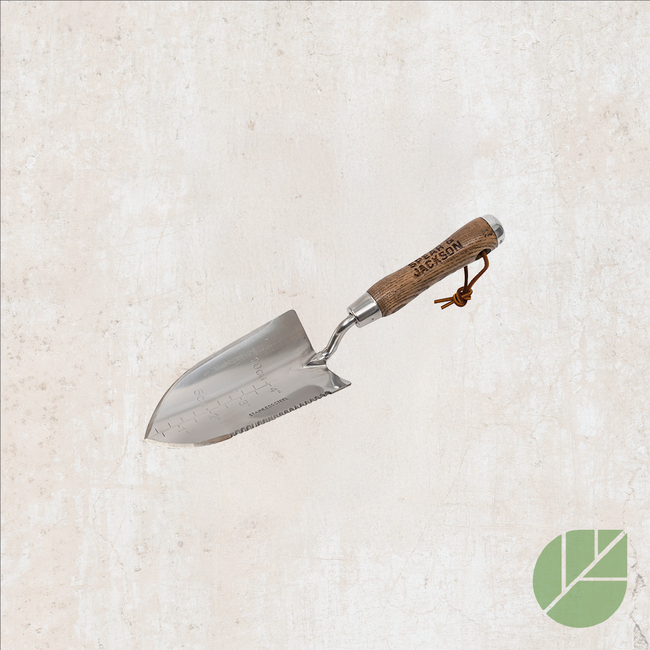
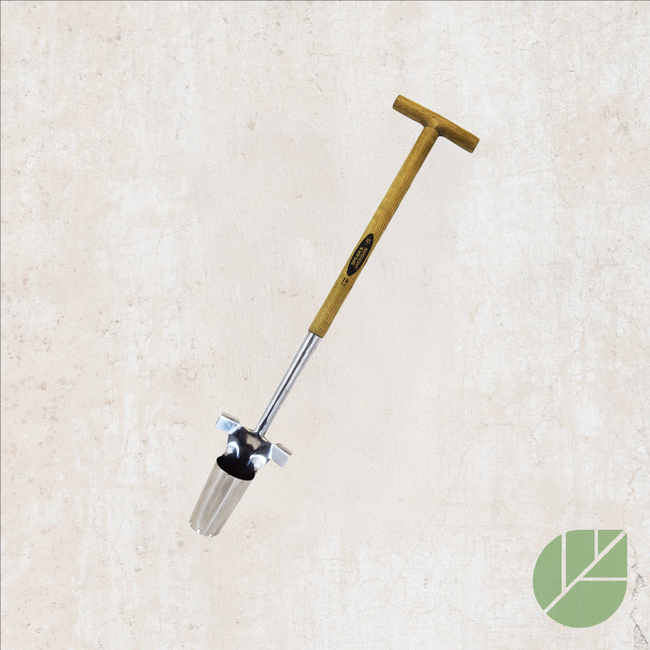
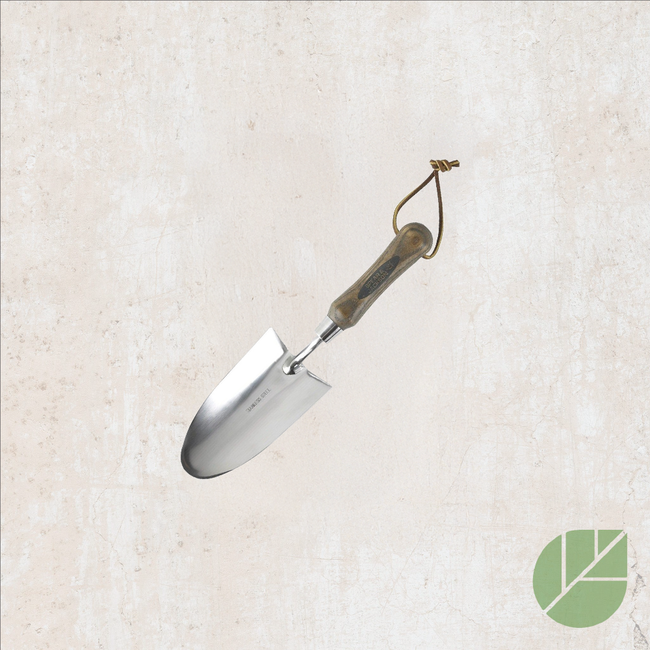
Bulb planters and planting tools
Shop the collection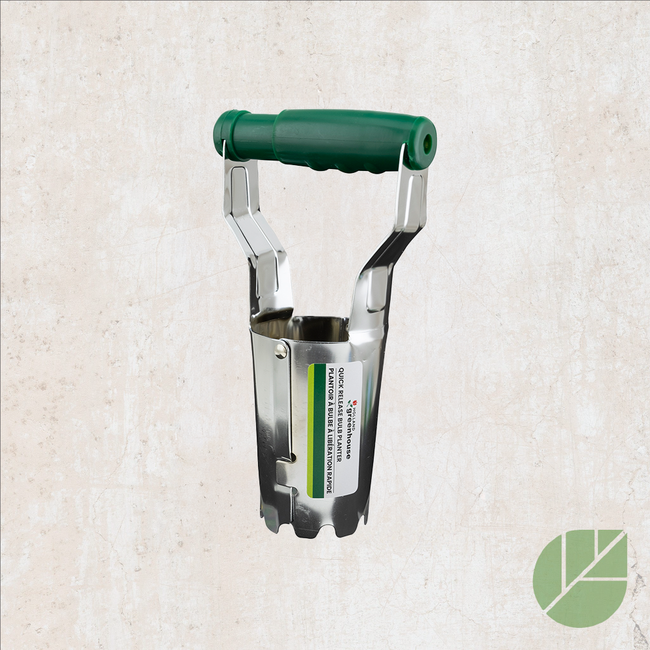
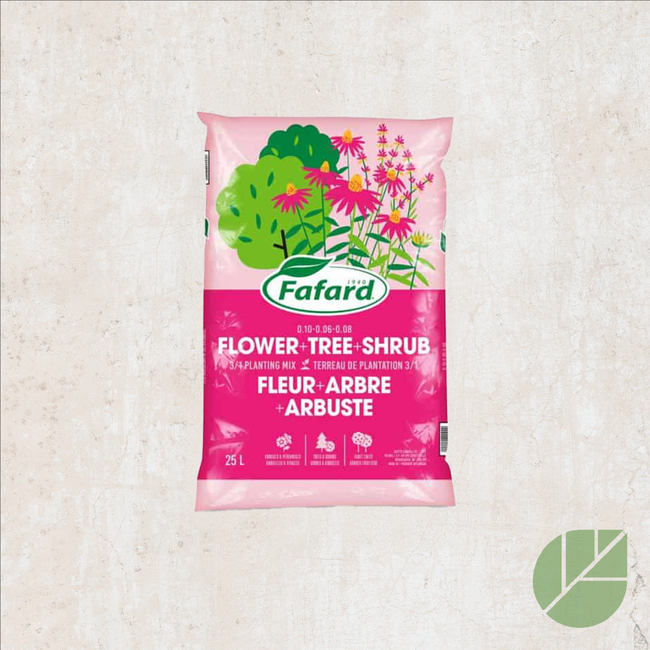
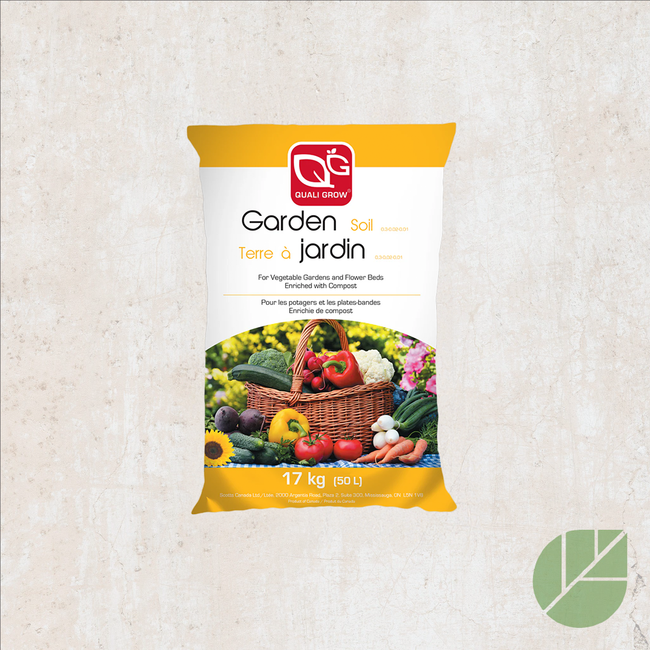
Soils and amendments for bulbs
Shop the collection