Sale
Sold out

Tropical tuberous plant
Araceae
Architectural tropical foliage plant
Candidum caladium (Caladium bicolor ‘Candidum’)
Product code : 327 100 30
Candidum caladium is a tropical tuberous perennial forming an upright clump about 45 cm tall and 35 cm wide. Large, glossy green, arrow-shaped leaves quickly create a lush display in a substantial container or summer border. Van Noort supplies one No 1 tubercule in a retail package. Plant after frost in rich, moist, well-drained soil in partial shade to bright shade, and protect the foliage from wind. In Quebec, bring the container indoors or lift the tubercule before cold weather. Every plant part is irritating and toxic when chewed, so keep it away from children and pets. Its vertical habit suits narrow patios when the pot remains stable and accessible for winter handling.
- Quantity
- 1 tuberous root
- Exposure
- Partial shade to bright shade
- Life cycle
- Tropical perennial grown as an annual or overwintered
- Hardiness
- Zone 10
Discover the plant
Common nameUpright elephant ears
FamilyAraceae
GenusCaladium
Speciesbicolor
CultivarCandidum
TypeTropical tuberous plant
Botanical nameCaladium bicolor
Candidum caladium (Caladium bicolor ‘Candidum’) brightens shaded spaces with large, nearly white heart-shaped leaves outlined by a network of deep green veins. Their fine, slightly translucent texture creates striking graphic contrast in containers or sheltered borders. The plant develops into an elegant tropical clump approximately 40 to 50 cm tall and about 35 cm wide. Its spathe-like flowers remain inconspicuous and secondary because the luminous foliage supplies the entire ornamental display throughout warm weather. One well-started Van Noort tuber quickly establishes a refined accent beside a patio, near an entrance, or beneath a covered porch where filtered light reveals every vein.
Start the tuber indoors in spring in warm, humus-rich, airy, well-drained potting mix. Position the eyes upward, cover by approximately 5 cm, and water sparingly until shoots appear. After the last frost, acclimate the plant and move it into partial shade or bright filtered light, protected from cold wind and scorching sun. Maintain even moisture afterward without allowing standing water. A light application of balanced fertilizer every three weeks supports steady leaf renewal. In Quebec and other cool Canadian regions, wait until nighttime temperatures remain reliably above 15°C before moving it outdoors, because chilled soil can delay growth and encourage tuber decline.
Use Candidum in white planters, shaded window boxes, or tropical borders where its foliage captures available light. Pair it with begonias, impatiens, ferns, hostas, and coleus to contrast fine textures with deep green or burgundy leaves. Before cold nights arrive, bring the container indoors or allow the foliage to yellow, then lift the tuber. Dry it and store it warm, dry, and dark until the following spring. Every plant part contains irritating calcium oxalate crystals, so this ornamental caladium must remain away from children and pets. Wear gloves while handling damaged tissue and label stored tubers clearly before winter.

Planting guide
Plant well.Grow beautifully.
Planting depth
Crown 25 to 50 mm (1 to 2 in) below the surface
Spacing / density
750 mm (14 in) between plants
Best planting time
Late May or June in Quebec, once soil is warm
Propagation
Division of offsets and tubercule sections in spring
Growing method
After the last frost, wait until soil and nighttime temperatures have warmed before planting the No 1 tubercule. Choose a bright full-sun to partial-shade site protected from gusts. Loosen an area wider than the future clump and incorporate mature compost into rich, humus-filled, well-drained soil. Lay the tubercule horizontally with buds upward and the crown 25 to 50 mm below the surface; avoid deep planting that traps moisture. Space plants about 35 cm apart. Backfill without compacting, water deeply, and apply light organic mulch without covering the crown. Maintain even moisture because large leaves lose water quickly, but never leave the soil saturated. Begin moderate feeding after active growth is visible. Monitor slugs, spider mites, and wind damage. Before Quebec’s first frost, bring the container inside or lift the tubercule carefully. Clean it, let it dry briefly, then overwinter it cool, dry, and frost free. Wear gloves whenever handling the plant, and label stored material clearly. The following spring, wake the tubercule gradually in warm, barely moist mix. Increase water only after roots and shoots become active. Record planting depth and date so successful conditions can be repeated. Keep the crown visible enough to monitor firmness without exposing developing roots.
Soil and care
The right care,at the right time.
Soil pH
Slightly acidic to neutral
Minimum temperature
10°C (50°F)
Care level
Moderate
Watering
Water deeply after planting, then keep the growing medium evenly moist during active growth. Check soil several centimetres below the surface and irrigate when the top begins to dry, before leaves wilt. Always empty the saucer and reduce water sharply as temperatures fall or dormancy begins. Indoors, adjust frequency to actual light and warmth rather than following a fixed schedule. Room-temperature water limits shock to tropical roots, especially after the plant returns indoors. Watch leaf posture and pot weight, and water early in the day so excess moisture can drain before cooler night conditions.
Soil type
Rich, humus-filled, loose, well-drained soil supports the large leaves of Candidum caladium. Loam amended with compost holds even moisture while releasing excess water around the tubercule. In containers, use a quality potting mix opened with fine bark or perlite. Avoid compact clay, water-filled saucers, and cold saturated soil, which encourage rot. Refresh the upper layer of mix each spring when complete repotting is unnecessary. Test drainage after settling, keep mulch away from the crown, and replace any sour-smelling medium immediately.
Fertilization
In spring and summer, feed every two to four weeks with diluted balanced fertilizer, or apply a controlled-release formula according to its label. Begin only after new leaves confirm root activity. Water before feeding and periodically flush container mix to limit salt accumulation. Stop feeding during dormancy or whenever low winter light markedly slows growth. Firm, evenly spaced growth indicates that the feeding rate is sufficient. White deposits on the mix or pot rim signal salt accumulation and a need for thorough flushing with plain water.
Moisture
Caladium appreciates moderate to high ambient humidity during active growth but also requires steady air movement. Group plants or use a humidifier indoors instead of constantly wetting the foliage. Keep the pot away from heating vents and cold drafts. Stable humidity limits dry tips, although stagnant air combined with saturated soil encourages disease and rot.
Seasonal care
In spring, inspect the stored tubercule and remove only soft tissue with a clean tool. Repot it in fresh mix as buds swell, then increase warmth, light, and watering gradually. Wait until frost has ended before outdoor acclimation; expose the plant to sun and wind in stages over one week. During summer, keep soil evenly moist, feed moderately, and rotate containers for balanced growth. Cut yellow leaves at the base while wearing gloves, monitor slugs and spider mites, and shelter broad blades from gusts. In autumn, bring the pot inside before nights remain below 12°C, or lift the tubercule before frost. Reduce water as growth slows, remove excess soil, and let the tubercule dry briefly. In winter, store a dormant tubercule cool, dry, ventilated, and frost free, or maintain a leafy plant in a warm bright room with less water. Inspect monthly for rot, excessive shrivelling, or pests. Keep the plant clearly labelled and inaccessible to children and pets at all times. Across the seasons, record emergence date, watering rhythm, and response to light so culture can be adjusted precisely the following year. At repotting, divide only offsets carrying their own roots and let every cut dry briefly before replanting. Clean the container, replace compacted mix, and verify that the crown remains firm. Increase spring moisture in small stages rather than flooding inactive roots.
Container growing
A garden,within reach.
Recommended pot size
Heavy pot 45 to 60 cm wide and at least 40 cm deep
Choose a heavy container 45 to 60 cm wide and at least 40 cm deep with several drainage holes. This volume stabilizes the 45 cm plant and gives the tubercule room to form offsets. Fill it with rich, airy potting mix amended with compost and perlite or fine bark. Set the crown just below the surface and water until surplus drains freely. Position the pot in partial shade to bright shade, sheltered from wind. During summer, check moisture frequently because large leaves and a warm container use water quickly, yet never leave the saucer full. Feed at diluted strength during active growth and rotate the pot regularly. Stake only if the plant leans. Before cold nights, clean the foliage, inspect for pests, and acclimate the plant indoors. Overwinter it in leaf in a warm bright room, or allow dormancy and store the tubercule cool, dry, and frost free. Repot in spring when roots fill the container, and always wear gloves while handling damaged tissue. Raise the container on feet to preserve drainage after heavy rain. Wipe leaves regularly with a damp cloth to remove dust and detect spider mites early. Keep the crown free of accumulated mulch and check that drainage holes remain open throughout summer.

Bloom and dimensions
Its place,in your garden.
Mature height
40 to 50 cm (16 to 20 in)
Width / spread
35 cm (14 in)
Flower color
Inconspicuous pale green spathe
Foliage color
White veined in deep green
Foliage type
Evergreen in tropical climates; seasonal or dormant in Quebec
Growth rate
Fast
Growth habit
Upright, architectural, clumping
Bloom period
Flowers may appear in summer on a mature, well-established plant. Typical of the aroid family, each inflorescence consists of a pale spathe surrounding a narrower spadix. It often remains discreet beneath the enormous foliage and is not guaranteed during Quebec’s short season. The plant is grown primarily for leaves, so do not force flowering through excessive fertilizer. If an inflorescence appears, observe it on the plant instead of treating it as a cut flower. Remove it only after decline if conserving energy for foliage is the priority. It clearly illustrates the botanical structure characteristic of the aroid family.

Garden associations
In goodcompany.
Companion plants
Combine Candidum caladium with plants that enjoy warmth, rich soil, and steady moisture without becoming invasive. Cannas repeat its vertical habit; coleus, begonias, impatiens, and ornamental sweet potato add colour and low coverage. Papyrus or finely textured grasses provide contrast in large containers. Leave enough root space and adjust watering to each species, however. Overwinter companions separately whenever their winter requirements differ. Avoid overcrowding the main pot. Separate neighbouring containers create a comparable layered effect while simplifying repotting, pest inspection, watering, and winter storage.
Frequently asked questions
Your questions,answered.
When should the tubercule be planted?
Plant the No 1 tubercule after all danger of frost, generally in late May or June in Quebec, once both soil and nights are genuinely warm. Choose a bright full-sun to partial-shade position protected from wind. Lay the tubercule horizontally with buds facing upward and the crown 25 to 50 mm below the surface. Rich, moist, well-drained soil prevents drying without trapping water. Irrigate deeply, then be patient because slow emergence does not necessarily indicate a problem. Avoid saturating a tubercule that remains dormant. In containers, begin growth under warm shelter and gradually acclimate the foliage before its final outdoor placement.
How should this Caladium be overwintered?
Before the first frost, bring the pot inside or lift the tubercule. To keep the plant leafy, place it in a warm, bright, humid room away from drafts, then reduce watering slightly and stop feeding if growth slows. For dormant storage, let foliage decline, cut it back while wearing gloves, clean the tubercule gently, and allow it to dry briefly. Store it in a ventilated container under cool, dry, frost-free conditions. Inspect monthly for rot, mould, or excessive shrivelling. Label the material clearly and keep it inaccessible to children and pets because every plant part is toxic when chewed. Check stored material monthly, maintain ventilation, and remove any soft section with a sterile tool before damage spreads.
What light produces the best leaves?
Provide bright light in partial shade to bright shade. Gentle morning sun encourages sturdy growth, while light shade protects leaves during very hot afternoons. An acclimated plant can receive more sun when soil remains moist, but never move an indoor-grown specimen abruptly into a scorching site. Increase exposure over one week to prevent burns. Shelter the clump from wind as well, because large blades tear easily. Indoors, position the pot near a bright window without touching cold glass. Rotate it regularly to maintain an upright, balanced habit, and watch moisture closely as increasing light raises water use. A simple windbreak can preserve intact margins without reducing the bright, filtered light needed for vigorous growth.
Why do the leaves turn yellow?
One older leaf may yellow naturally as a new leaf develops. Several yellow leaves at once, however, commonly indicate saturated mix, blocked drainage, sudden cold, insufficient light, or stressed roots. Check soil deeply and empty the saucer before adding water. Inspect roots if odour or a soft base accompanies yellowing. In winter, reduce irrigation as growth slows. Brown tips may instead signal dry air, irregular watering, or salt accumulation. Remove only fully yellow leaves with a clean tool while wearing gloves, then correct the cause instead of automatically applying fertilizer. Stable warmth, light, moisture, and airflow usually restore balanced growth.
Is the plant safe for pets?
No. Caladium bicolor contains calcium oxalate crystals that strongly irritate the mouth and other tissue when any part is chewed or swallowed. Position the pot where cats, dogs, and young children cannot reach it. Wear gloves when planting, dividing, or cutting leaves, especially whenever sap could touch skin. Wash hands and tools afterwards, and never confuse this ornamental product with an edible plant. If a person or animal bites the plant and develops pain, drooling, swelling, or difficulty swallowing, promptly contact a poison centre, medical professional, or veterinarian. Keep stored tubercules labelled and equally inaccessible during winter. Store dormant tubercules in a ventilated labelled container and wear gloves again when spring planting begins.
Wildlife and pets
Life,around your plants.
Reported toxicity
Yes
Supporting wildlife
Discreet summer flowers may receive insect visitors when the plant reaches maturity, but this Caladium is grown primarily for foliage and is not a major wildlife resource in Quebec. Use it as an architectural element, then complement the garden with locally suitable flowering plants that supply nectar and pollen.
For planting your bulbs
The right extras.Right here.
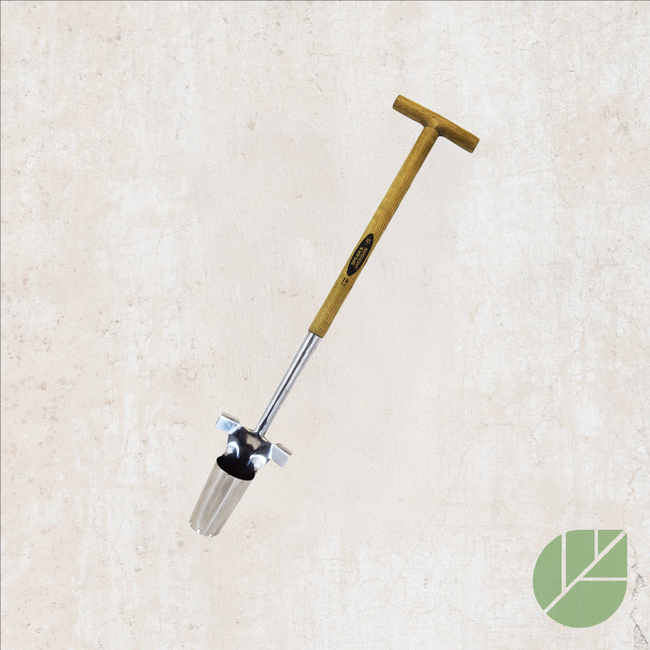
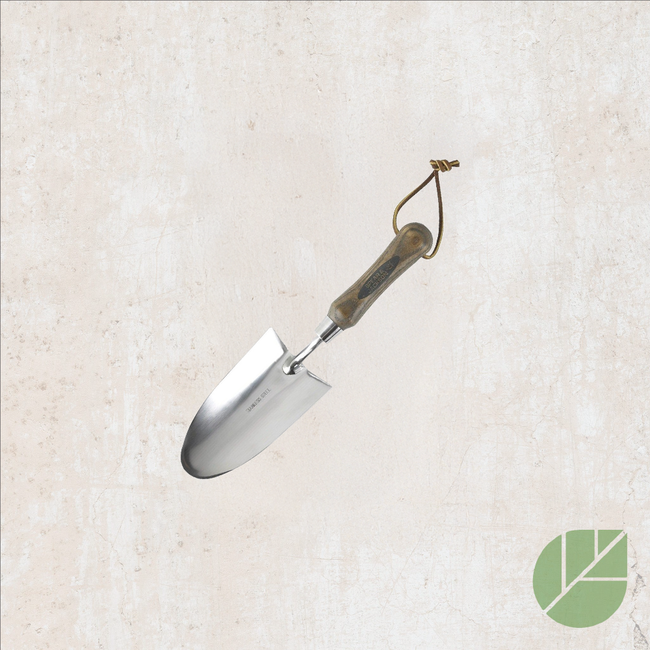
Bulb planters and planting tools
Shop the collection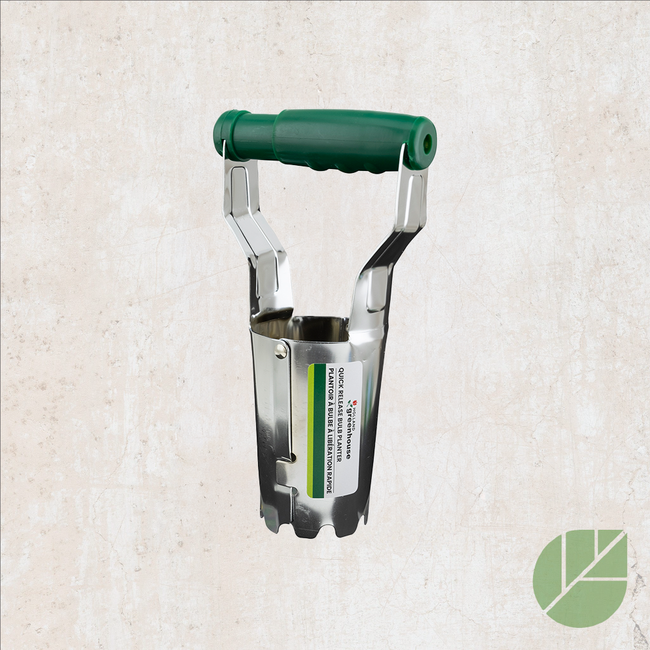
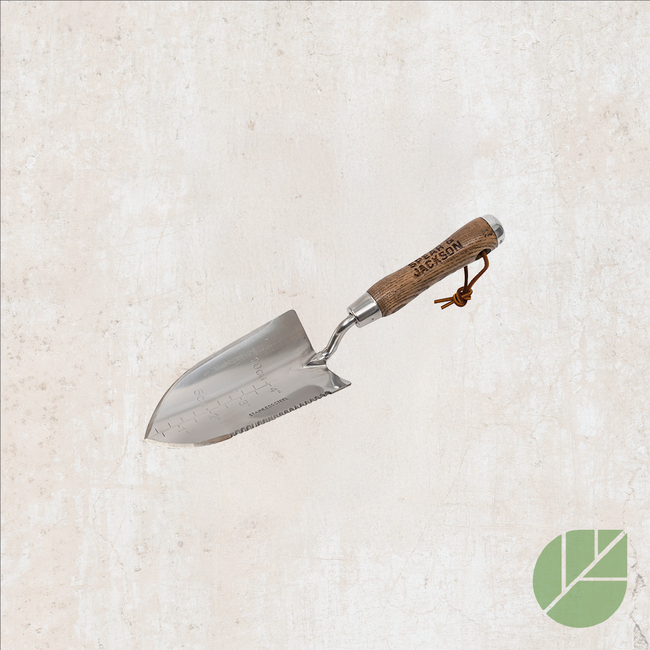
Soils and amendments for bulbs
Shop the collection