Sale
Sold out

Rhizome
Cannaceae
Canna 'Green Pink Beauty' (1 rhizome)
Canna × generalis ‘Pink Beauty’
Canna ‘Green Pink Beauty’ produces lush green foliage topped with elegant spikes of soft pink flowers. Its graceful tropical form adds beauty and structure to summer landscapes.
- Quantity
- 1 rhizome
- Exposure
- Full sun
- Life cycle
- Perennial
- Hardiness
- Zone 10
Discover the plant
Common nameCanna Lily
FamilyCannaceae
GenusCannabis
TypeRhizome
Botanical nameCanna × generalis ‘Pink Beauty’
Green Pink Beauty Canna Lily (Canna × generalis ‘Pink Beauty’) is a rhizomatous perennial distinguished by its broad, fresh green foliage, which forms a lush and well-structured tropical silhouette. From July to September, soft to deep pink flowers rise in elegant spikes above the leaves, bringing light, refinement, and gentle colour to summer landscapes. Reaching approximately 120 cm (47 in) in height, the plant creates a generous presence while maintaining a graceful appearance. Its foliage remains highly decorative throughout summer. Hardy only to Zone 10, it must be protected from frost in Quebec.
Plant the rhizomes in spring after all danger of frost has passed and the soil has warmed thoroughly. Position them horizontally, approximately 10 cm (4 in) deep, and space them 40 to 50 cm (16 to 20 in) apart. Choose a location in full sun with rich, fertile, organic, evenly moist, and well-drained soil. Water generously throughout active growth to maintain consistent moisture without allowing standing water. Regular applications of compost and a balanced fertilizer every two weeks encourage vigorous growth and abundant flowering. Before the first frost, lift the rhizomes and store them in a cool, dry place.
‘Green Pink Beauty’ canna lily is ideal for tropical flower beds, borders, patios, large containers, and exotic garden displays. For container growing, choose a pot at least 45 cm (18 in) in diameter with excellent drainage. Its lush green foliage and pink flowers pair beautifully with caladiums, alocasias, coleus, begonias, and ornamental grasses to create colourful, refined plantings. The blooms attract a variety of pollinators and may also be used in summer floral arrangements. However, they are grown exclusively for ornamental purposes and are not intended for consumption.

Planting guide
Plant well.Grow beautifully.
Planting depth
10 cm (4 in)
Best planting time
Spring
Propagation
Propagate by dividing the rhizomes in spring once they have several growing buds. This ensures plants remain true to the variety.
Growing method
Plant the rhizomes in spring after all danger of frost has passed, approximately 10 cm (4 in) deep in rich, fertile, well-drained soil. Position the rhizome horizontally before covering it with soil. Space plants 40 to 50 cm (16 to 20 in) apart. Choose a location in full sun. Water thoroughly after planting, then keep the soil consistently moist throughout the growing season. Lift the rhizomes before the first frost and store them in a dry place until spring.
Soil and care
The right care,at the right time.
Soil pH
Neutral to slightly acidic
Minimum temperature
5°C (41°F)
Care level
Easy
Watering
Water generously throughout the growing season to keep the soil consistently moist without allowing standing water.
Soil type
Rich in organic matter, fertile, evenly moist, and perfectly drained soil.
Fertilization
Apply a balanced fertilizer every two weeks during the growing season. Regular applications of compost also improve plant vigour and flowering.
Seasonal care
Remove spent flowers regularly to extend blooming. Keep the soil consistently moist throughout the growing season. Feed every two weeks. Lift the rhizomes before the first frost and store them in a cool, dry place.
Container growing
A garden,within reach.
Recommended pot size
45 cm (18 in)
Container gardening requires anticipating the necessary volume for the roots and the plant's final height. Choose a stable pot with drainage holes and a suitable planting medium. Leave enough space to respect the recommended depth and spacing, rather than cramming plants to immediately fill the pot. Place the container in the indicated exposure and regularly check the moisture level, especially in hot or windy weather. A pot is more exposed to temperature variations than in-ground planting. Therefore, plan for a wintering location compatible with the plant's needs and your region's climate from the outset. Plant canna rhizomes in spring in warmed soil, after the last frost. Choose a sunny, sheltered location away from winds that could tear the large leaves. Prepare fertile soil that is loose enough for roots to develop around the rhizome, then place the buds facing upwards. Water after planting and monitor moisture during establishment. Once the leaves have developed, watering should follow growth and weather conditions. For container planting, choose a volume suited to the mature plant and keep drainage holes clear, without letting the roots dry out completely between waterings. In winter, protect the container according to the plant's needs: its roots are more exposed to cold than when planted in the ground.

Bloom and dimensions
Its place,in your garden.
Mature height
120 cm (48 in)
Width / spread
40 to 50 cm (16 to 20 in)
Flower color
Pink
Foliage color
Green
Foliage type
Deciduous
Growth rate
Fast
Bloom period
Pink flowers bloom abundantly from mid-summer until the first frost, attracting a variety of pollinators.

Garden associations
In goodcompany.
Companion plants
Caladiums, begonias, coleus, alocasias, and ornamental grasses make excellent companion plants.
Frequently asked questions
Your questions,answered.
When should Canna ‘Green Pink Beauty’ be planted?
Plant the rhizomes in spring after all danger of frost has passed. Warm soil encourages rapid growth and abundant flowering.
Can this canna be grown in containers?
Yes. This variety performs exceptionally well in large containers with rich soil and regular watering. Container growing also makes overwintering the rhizomes easier.
Why should the rhizomes be lifted in autumn?
This variety is not hardy in cold climates. The rhizomes should be stored in a cool, dry place until the following spring.
How can I encourage abundant flowering?
Provide generous watering, fertilize regularly, remove spent flowers, and grow the plant in full sun for maximum flowering.
Is the foliage ornamental?
Yes. Its lush green foliage creates a striking tropical effect even before flowering begins.
Wildlife and pets
Life,around your plants.
Supporting wildlife
Pollinators
For planting your bulbs
The right extras.Right here.
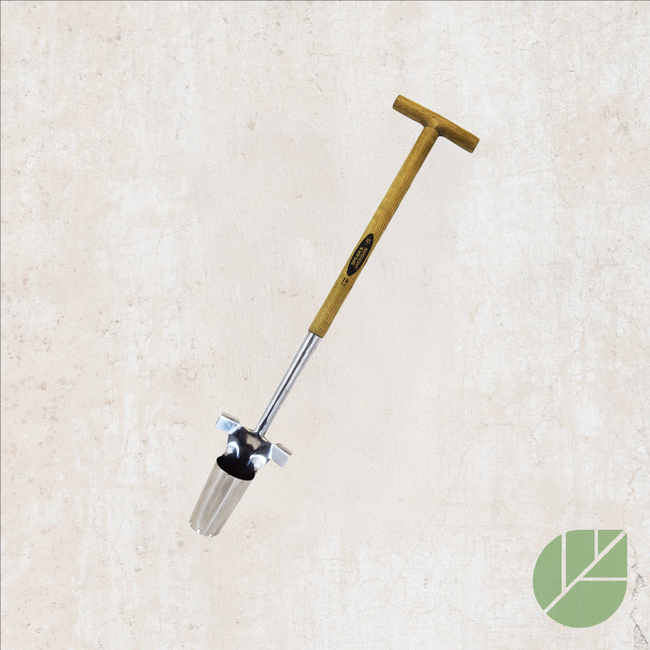
Bulb planters and planting tools
Shop the collection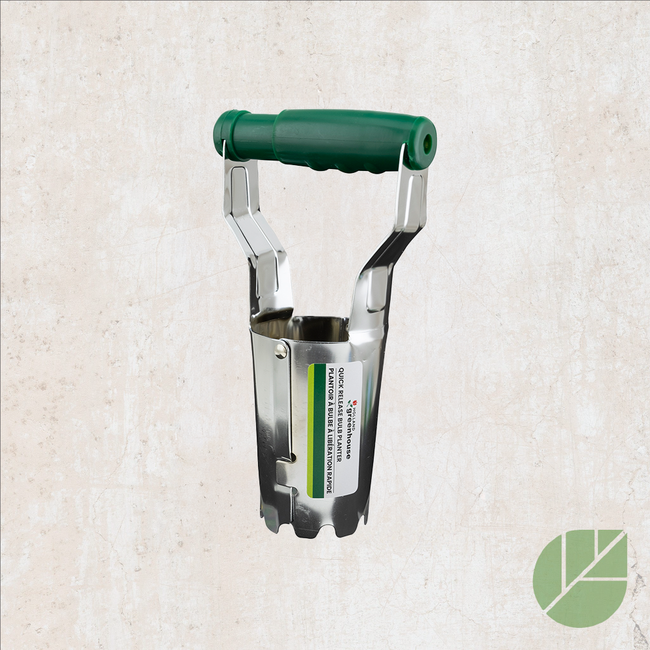

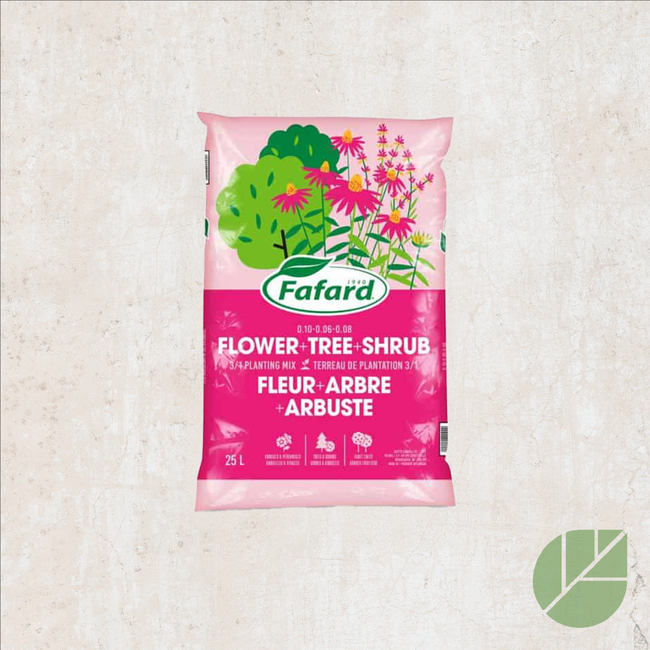
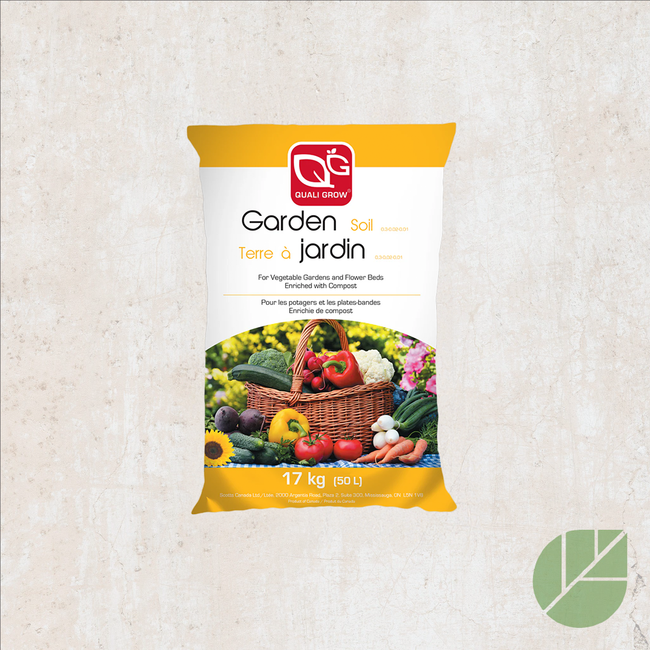
Soils and amendments for bulbs
Shop the collection