Sale
Sold out

Herbaceous perennial with fleshy roots
Asphodelaceae
Hémérocalle double rouge grenat remontante
Daylily 'Night Embers' (Hemerocallis)
Product code : 501 185 13
Night Embers is a garnet-red double daylily with a striking yellow eye and a fine gold edge. This No. 1 plant forms a perennial clump of arching leaves and bears lightly scented flowers on scapes about 65 cm (26 in) tall. Its mid-season summer bloom can rebloom when humidity remains consistent. Each flower typically lasts one day, but multiple buds open in succession. Plant it in full sun or light partial shade, in fertile, well-drained soil, and keep the crown clear of wet mulch during active growth. The complex flowers deserve a visible spot near a pathway or patio.
- Quantity
- 1 plant No1
- Exposure
- Sun to partial shade
- Life cycle
- Hardy perennial
Discover the plant
Common nameDaylily
FamilyAsphodelaceae
GenusDaylily
SpeciesHorticultural hybrid
CultivarNight Embers
TypeHerbaceous perennial with fleshy roots
Botanical nameDaylily
Daylily 'Night Embers' (1 plant), offered by Van Noort
?? A sophisticated glow to brighten up your garden ??
Daylily 'Night Embers' is a spectacular variety that brings drama and elegance to any landscape. Its large, velvety, deep burgundy flowers with ruffled petals edged in cream provide a striking contrast . Its luminous golden heart adds radiant warmth, drawing the eye in at first glance. Hardy, floriferous and easy to care for , it reblooms throughout the summer, providing a long season of color and splendor.
?? Characteristics of the variety
?? Height : 60 cm (24")
?? Exposure : Full to partial sun
?? Hardiness : Zone 3
?? Deer Resistance : Average
?? Water Requirements : Low to moderate (tolerates drought well once established)
?? Ideal soil : Well drained, fertile and fresh
?? Flowering : June to September
?? Foliage : Lush green in dense clumps
?? Planting and growing the Hemerocallis 'Night Embers'
?? When to plant?
??? March to April for optimal flowering from summer.
??? In the fall for better establishment before winter.
?? Where to plant it?
?? In open ground : Ideal for borders, flowerbeds and rockeries.
?? In a pot : Use a container at least 30 cm deep.
?? How to plant?
1?? Dig a hole 15 to 20 cm deep.
2?? Add compost or well-draining potting soil for good rooting.
3?? Plant the rhizome, making sure that the root collar is just at ground level .
4?? Space the plants 60 cm apart for good growth.
5?? Water generously after planting.
?? Tip : Mulch around the plant helps retain moisture and limits weed growth.
?? Care of the Daylily 'Night Embers'
?? Watering : Moderate in dry periods, but tolerates drought once well established.
?? Fertilizer : A balanced fertilizer supply in spring promotes abundant flowering.
?? Pruning : Remove faded flowers to encourage repeat flowering.
?? Hardiness : Very resistant to cold, it does not require winter protection.
?? Why choose the Daylily 'Night Embers'?
? Spectacular flowering : Deep burgundy flowers with golden highlights.
? Reflowering : Repeat flowering, it offers several waves of flowering.
? Easy to grow : Adaptable to various soil types and undemanding.
? Perfect for bouquets : Its elegant flowers bring a refined touch to your floral arrangements.
?? Add a touch of elegance and mystery to your garden with the Daylily 'Night Embers'!

Planting guide
Plant well.Grow beautifully.
Spacing / density
Space 18 to 24 in. (45 to 60 cm) apart
Best planting time
Spring or early autumn
Propagation
Dividing clumps in spring or after flowering
Growing method
Plant No. 1 in spring in fertile, humus-rich, cool, well-drained soil, with the crown at soil level or only 2 to 3 cm (0.79 to 1 in) below the surface. Choose full sun to support flowering, or light partial shade in very hot areas. Space plants 45 to 60 cm (18 to 24 in) apart so that the clumps can widen and air can circulate between the leaves. Water deeply after planting, then maintain regular moisture during rooting, scape formation, and possible reblooming. Organic mulch retains moisture but must be kept away from the crown. Remove spent flowers to better see subsequent buds, then cut off the scapes when flowering is complete. Let the foliage nourish the roots until it yellows in autumn before cutting it back. A thin layer of compost in spring is sufficient in already fertile soil; avoid excess nitrogen. Divide a clump that is too dense every four to six years. Pair 'Night Embers' with cream yarrow, blue-violet catmint, pink coneflowers, or blonde grasses. Daylilies are very toxic to cats: keep flowers, pollen, leaves, and roots out of their reach.
Soil and care
The right care,at the right time.
Soil pH
Around 6.0 to 7.5
Watering
Water deeply after planting, then regularly for the first few weeks to encourage rooting. An established clump will tolerate short dry spells, but consistent moisture during stem elongation and bud formation will support more generous flowering. Allow the surface to dry slightly between waterings and direct water to the soil rather than onto the flowers. Pay particular attention to young plants.
Soil type
Fertile, humus-rich, loose, well-drained soil that can remain consistently moist during growth without holding water around the crown. Incorporate mature compost before planting if the soil is poor or very sandy. In heavy clay, loosen a wide area and add organic matter rather than creating a small basin that would retain moisture. Consistent drainage remains essential.
Fertilization
Fertilize the plantation, taking into account the richness of the soil and any previous additions. A regularly amended soil does not require the same care as potting soil used all season. If you use a fertilizer, respect its dosage and application method, without multiplying products. Avoid concentrated applications against the roots or storage organs. Observe growth before reapplying fertilizer: adding more fertilizer does not guarantee more flowers.
Seasonal care
Plant Plant No. 1 in spring in fertile, humus-rich, cool, well-drained soil, with the crown at ground level or only 2 to 3 cm (0.79 to 1 in) below the surface. Choose full sun to support flowering, or light partial shade in very hot areas. Space plants 45 to 60 cm (18 to 24 in) apart so that clumps can spread and air can circulate between the leaves. Water deeply after planting, then maintain regular moisture during rooting, scape formation, and any reblooming. Organic mulch retains moisture, but must be kept away from the crown. Remove spent flowers to better see subsequent buds, then cut off the scapes when flowering is complete. Let the foliage nourish the roots until it yellows in autumn before cutting it back. A thin layer of compost in spring is sufficient in already fertile soil; avoid excess nitrogen. Divide an overgrown clump every four to six years. Pair 'Night Embers' with cream yarrow, blue-violet catmint, pink coneflowers, or blonde grasses. Daylilies are very toxic to cats: keep flowers, pollen, leaves, and roots out of their reach. Throughout the seasons, observe new shoots, soil moisture, and the condition of the stems. A durable label helps locate the plant during its dormancy. Clean tools after cutting diseased parts and remove debris that degrades around the base.
Container growing
A garden,within reach.
Container gardening requires considering the necessary volume for the roots and the plant's final height. Choose a stable pot with drainage holes and a substrate suitable for planting. Leave enough space to respect the recommended depth and spacing, rather than crowding plants to immediately fill the pot. Place the container in the indicated exposure and regularly check the moisture, especially in hot or windy weather. A pot is more exposed to temperature variations than a plant in the ground. Therefore, plan for a wintering location compatible with the plant's needs and your region's climate from the outset. Plant Plant No. 1 in spring in fertile, humus-rich, fresh, and well-drained soil, with the crown at ground level or only 2 to 3 cm (0.79 to 1 in) below the surface. Choose full sun to support flowering, or light partial shade in very hot areas. Space plants 45 to 60 cm (18 to 24 in) apart so that the clumps can spread and air can circulate between the leaves. Water deeply after planting, then maintain regular moisture during rooting, stem formation, and any re-flowering. Organic mulch retains moisture but should be kept away from the crown. In winter, protect the container according to the plant's needs: its roots are more exposed to cold than when planted in the ground.

Bloom and dimensions
Its place,in your garden.
Bloom period
Its double garnet-red flowers feature a small yellow eye and a thin golden edge that highlights the overlapping petals. Choose full sun to encourage flowering, or light partial shade in very hot areas. Weather and stage of development at planting time can affect the appearance of flowers. Observe the opening of buds to enjoy the flowering at its best.

Garden associations
In goodcompany.
Companion plants
To accompany Daylily 'Night Embers', you can consider plants chosen for compatible light exposure and water requirements. Select neighboring varieties based on their height, flowering period, and the colors you wish to combine. Above all, ensure their light exposure and water needs are suitable for the same location. Maintain enough distance so that leaves do not obscure young shoots and to easily access each plant during maintenance. These combinations serve to compose the garden's decor; they do not guarantee protection against pests or diseases. Adjust the layout after observing one growing season.
Frequently asked questions
Your questions,answered.
How to successfully plant Hemerocallis 'Night Embers'?
Plant No.1 in spring in fertile, humus-rich, cool, well-drained soil, with the crown at ground level or only 2 to 3 cm (0.79 to 1 in) below the surface. Choose full sun to support flowering, or light partial shade in very hot areas. Space plants 45 to 60 cm (18 to 24 in) apart so that the clumps can spread and air can circulate between the leaves. Water deeply after planting, then maintain regular moisture during rooting, stalk formation, and any re-blooming. Organic mulch retains moisture, but should be kept away from the crown.
What light should I provide for Daylily 'Night Embers'?
The recommended exposure is sun to partial shade. Observe the light at the chosen location in the morning and afternoon, as the shade from trees or buildings changes throughout the day. Also consider neighboring plants: their foliage can obscure a young planting as it develops. If in a container, place the pot where you can move it if conditions become too hot or too shady. Suitable exposure must go hand in hand with appropriate soil and watering. If you move a plant started indoors to the outdoors, gradually accustom it to garden conditions to avoid too abrupt a transition for the young leaves.
How to adjust watering?
Water according to the actual soil moisture, taking into account rain, heat, and wind. Check below the surface before deciding on adding more water: soil that is dry on the surface may still be moist at root level. Direct the water to the base and allow it to penetrate, without keeping the plant in saturated soil. Containers generally require more frequent checks because they dry out faster. Make sure their drainage holes remain clear and empty any saucers that hold water. Also adapt care to the plant's cycle: active growth and a resting period do not require the same inputs.
What should be provided for container growing?
Container gardening requires planning for the necessary root volume and the final height of the plant. Choose a stable pot with drainage holes and a substrate suitable for planting. Leave enough space to respect the recommended depth and spacing, rather than crowding the plants to immediately fill the pot. Place the container in the indicated exposure and regularly check the moisture, especially in hot or windy weather. A pot is more exposed to temperature variations than a plant in the ground. Therefore, plan for a wintering location from the start that is compatible with the plant's needs and the climate of your region.
What care should be provided after the growing season?
Remove spent blooms to encourage subsequent budding, then cut off the flower stalks when flowering is complete. Let the foliage nourish the roots until it yellows in autumn before cutting it back. A thin layer of compost in spring is sufficient in an already fertile soil; avoid excess nitrogen. Divide an overcrowded clump every four to six years. Pair 'Night Embers' with cream yarrows, violet-blue catmint, pink coneflowers, or blonde grasses. Daylilies are highly toxic to cats: keep flowers, pollen, leaves, and roots out of their reach. Keep a durable label to easily locate this planting during its dormant period.
For planting your bulbs
The right extras.Right here.
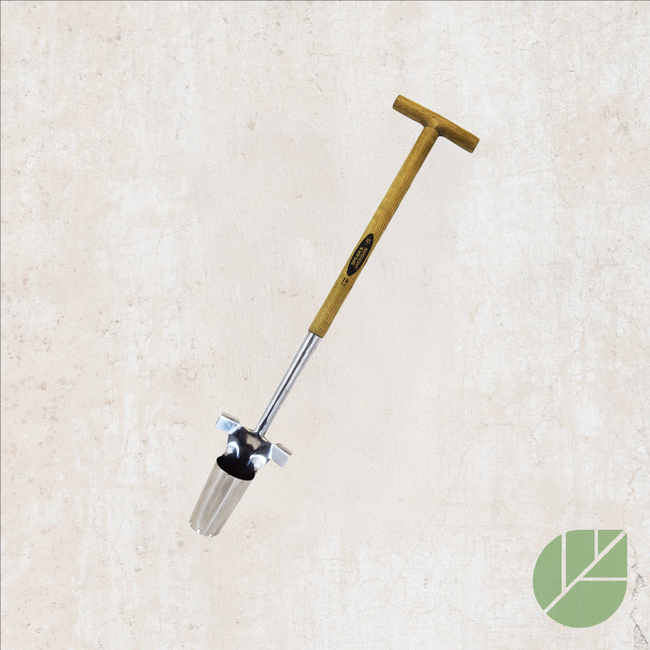
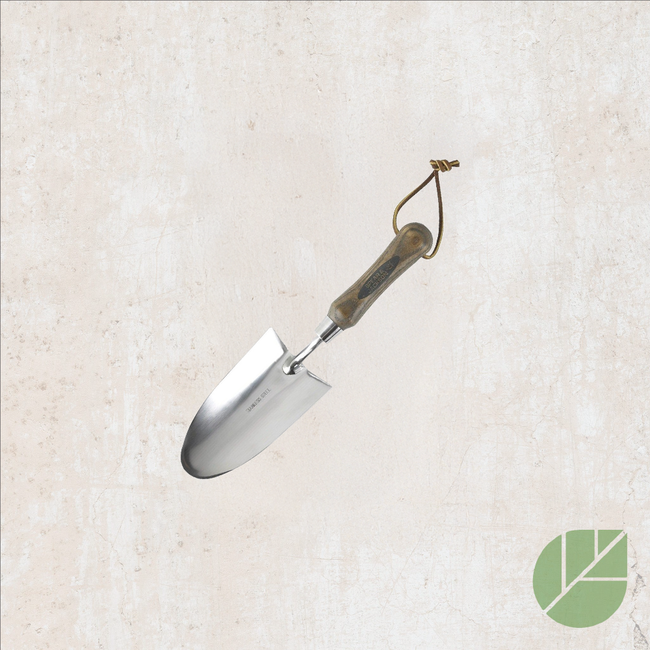
Bulb planters and planting tools
Shop the collection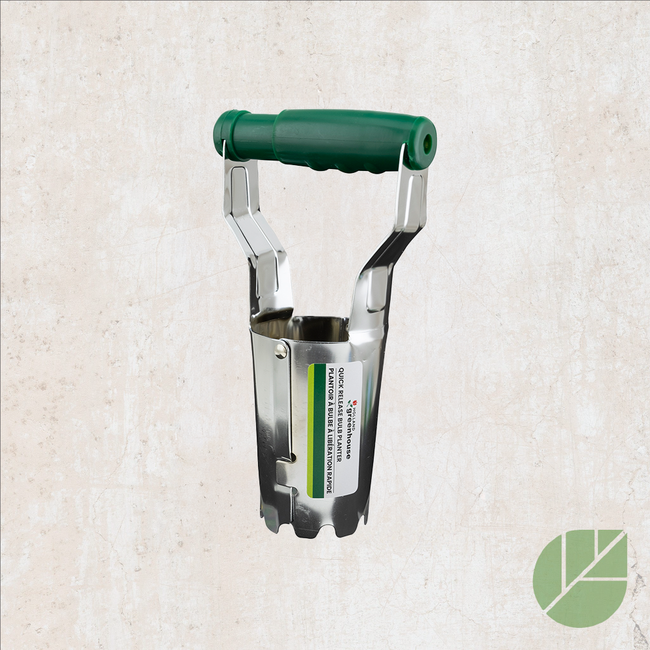

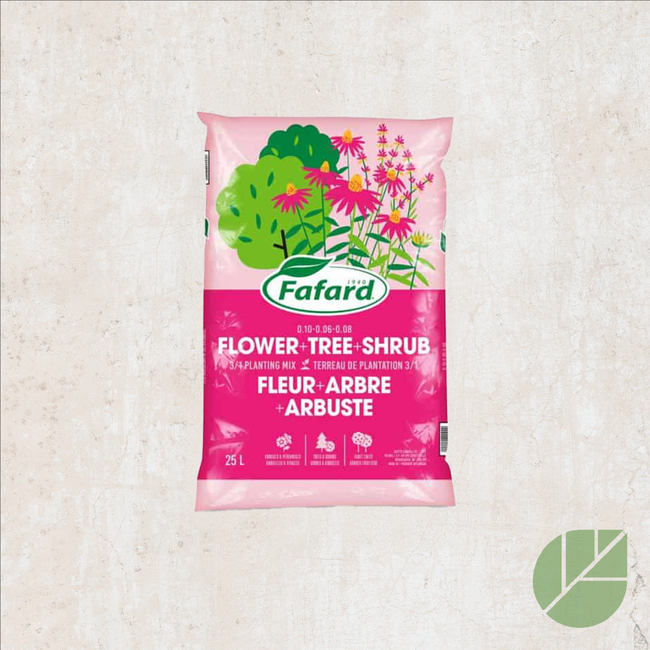
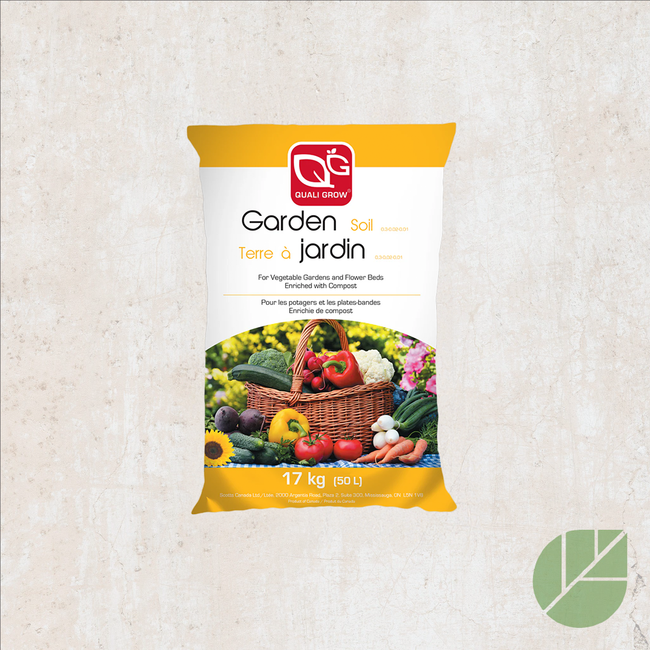
Soils and amendments for bulbs
Shop the collection