Sale
Sold out

Bulb
Asteraceae
Decorative Dahlia 'Rebecca's World' (Dahlia)
Dahlia × pinnata
Rebecca's World produces decorative 15 cm (6 in) flowers with white and purplish-red patterns that change from one capitulum to the next. Its upright 90 cm (35 in) clump provides remarkable stems for bouquets and constantly renews the look of the flowerbed. The medium green foliage and dark stems accentuate the contrasts. Winter protection from frost preserves the tuber for subsequent seasons. The large, orderly petals create a formal silhouette despite the irregularity of the colors. From July until frost, successive buds can reveal new color distributions, making the plant particularly captivating to follow. A discreet stake supports the dark stems and heavy flowers above neighboring plants.
- Quantity
- 1 tuber
- Exposure
- Sun
- Life cycle
- Hardy perennial
- Hardiness
- Zone 10
Discover the plant
Common nameDahlia
FamilyAsteraceae
GenusDahlia
TypeBulb
Botanical nameDahlia × pinnata
Reproducible seedsYes
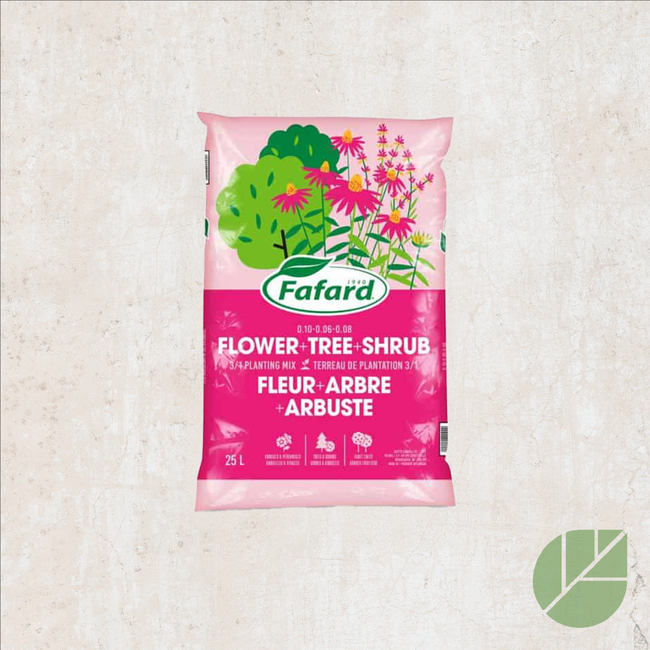
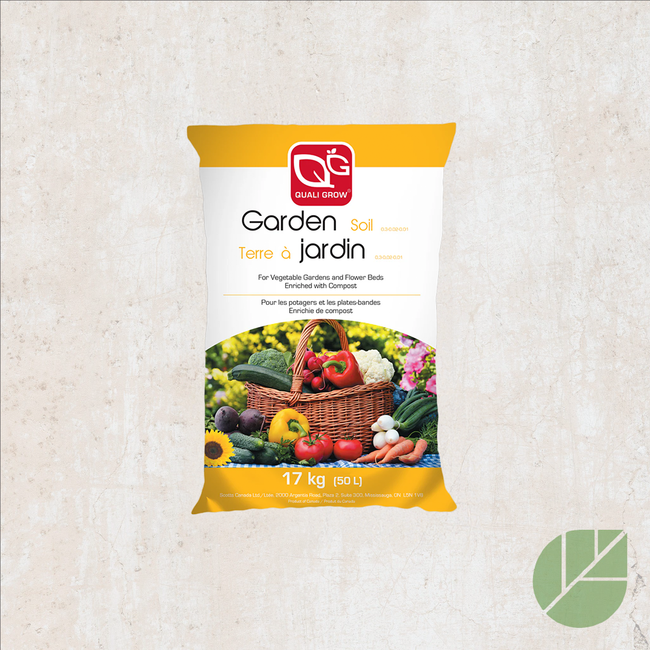
Decorative Dahlia ‘Rebecca’s World’ (Dahlia) transforms each bud into a surprise: its very double flowers, approximately 15 cm (6 in) in diameter, can be solid purplish-red, white with a touch of purple at the base, heavily variegated, or display all transitions between these patterns. This accepted cultivar forms an upright clump reaching nearly 90 cm (35 in), supported by dark stems and medium green foliage. From mid-summer until the first frost, this natural variability constantly renews the flower bed and bouquets. A single No. 1 Van Noort tuber is enough to establish this singular focal point, with no two flowers being exactly alike.
Plant the tuber in spring after the last frost, when the soil is warm, fertile, rich in humus, and well-drained. Lay it about 10 cm (4 in) deep, eye facing upwards, in a location receiving at least six hours of sun, then leave about 50 cm (20 in) around the crown. Install a stake at planting time to avoid damaging the roots later. Water sparingly before emergence, then deeply at the base when the soil surface begins to dry. Pinch shoots between 20 and 30 cm (12 in) to encourage branching. Mature compost and a moderate fertilizer richer in potassium support the buds without promoting excessive foliage.
Place Rebecca’s World near a pathway to observe the differences between the white, purplish-red, and marbled flower heads. White gaura, blue salvias, purple verbenas, and silver grasses extend its palette without obscuring its flowers. Harvest almost open stems early in the morning, regularly remove faded flower heads, and maintain generous air circulation. Its very double centers offer little access to pollen; add single flowers for beneficial insects. Monitor for slugs, aphids, earwigs, and spider mites. After the first frost in Quebec, lift the tuber, let its surface dry, label it, then store it in a cool, dry, dark, and frost-free place until spring.

Planting guide
Plant well.Grow beautifully.
Planting depth
10 cm (4 in)
Best planting time
May to early June in Quebec, when the ground has warmed up
Propagation
Division of tubers with at least one viable bud
Growing method
Plant horizontally after the last frost, water when growth resumes, pinch young shoots, stake if necessary, and remove faded flowers to prolong blooming. This variety requires a sunny, warm, sheltered location and fertile, well-drained soil. In spring, the tuber is placed horizontally after the last frost, then growth accelerates when nights become mild. Deep watering maintains consistent moisture without waterlogging the crown. Mature compost nourishes the clump, while a potassium-rich fertilizer supports buds rather than excessive foliage. Pinching young shoots encourages multiple stems. Removing faded flowers extends the display until the first frosts. A discreet stake protects flower stalks in windy areas. In pots, a large volume of substrate and generous drainage holes stabilize moisture. In Quebec, dig up the tuber after the first frost, let it dry, and store it in a cool, dry, frost-free place. Check its firmness periodically during winter. Flamingo pink flowers with apricot centers complement blue sages, white cosmos, and light grasses. Its decorative form adds distinctive texture to beds, containers, and bouquets. Regular harvesting of stems also stimulates the appearance of new buds. Replant only.
Soil and care
The right care,at the right time.
Soil pH
Slightly acidic to neutral
Minimum temperature
5 °C (41 °F)
Care level
Moderate
Watering
Water regularly to keep the soil evenly moist without overwatering. Reduce watering before autumn tuber removal. Water sparingly before emergence, then deeply at the base when the soil surface begins to dry. After the first frost in Quebec, lift the tuber, let its surface dry, label it, and then store it in a cool, dry, dark, and frost-free place until spring.
Soil type
Favor a humus-rich soil that retains moisture while allowing excess water to drain. Check drainage after rain: water should be able to leave the root zone. Work the soil when it is no longer waterlogged to avoid compacting it. Adapt amendments to its actual texture. In containers, use appropriate potting soil and a pot with drainage holes. Keep these openings clear and avoid any accumulation of water in the saucer.
Fertilization
Compost at planting, then a potassium-rich fertilizer during flowering. This selection requires a sunny, warm, and sheltered location, as well as fertile soil that drains excess water quickly. In spring, the tuber is placed horizontally after the last frost, and then growth accelerates when nights become mild. Deep watering maintains consistent moisture without soaking the crown. Mature compost nourishes the clump, while a.
Seasonal care
Pinch the shoots when they reach 20-30 cm (8-12 in), stake wind-exposed stems, water during droughts, and deadhead spent blooms. After the first frost, cut back, dig up, dry, and store the tuber in a frost-free location. This variety requires a sunny, warm, and sheltered spot, as well as fertile soil that drains quickly. In spring, place the tuber horizontally after the last frost; growth then accelerates when nights become mild. Deep watering maintains consistent moisture without soaking the collar. Mature compost nourishes the clump, while a potassium-rich fertilizer supports buds rather than excessive foliage. Pinching young shoots encourages multiple stems. Removing faded flowers prolongs the display until frost. A discreet stake protects flower stalks in windy areas. In pots, a large volume of substrate and generous drainage holes stabilize moisture. In Quebec, dig up the tuber after the first frost, let it dry, and store it in a cool, dry, and frost-free place. Periodically check its firmness throughout the winter. Flamingo-pink flowers with apricot centers complement blue salvias, white cosmos, and delicate grasses. The decorative form adds distinctive texture to beds, containers, and bouquets. Regular harvesting of stems also stimulates the appearance of new buds. Replant only healthy sections with a viable bud. This variety requires a sunny location.
Container growing
A garden,within reach.
Recommended pot size
Pot at least 40 cm (16 in.) in diameter and depth
Container gardening requires you to plan for the necessary root volume and the plant's final height. Choose a stable pot with drainage holes and a suitable growing medium. Leave enough space to allow for the recommended depth and spacing, rather than crowding the plants to immediately fill the pot. Place the container in the indicated exposure and regularly check the moisture, especially in hot or windy weather. A pot is more exposed to temperature variations than a plant in the ground. Therefore, plan for an overwintering location from the outset that is compatible with the plant's needs and the climate of your region. Plant in spring when all risk of frost has passed and the soil has warmed sufficiently. Choose a sunny spot, sheltered from strong winds, in fertile, well-drained soil. Arrange the tuberous roots with their crown and buds facing upwards, without breaking the fragile attachments. Install a stake at planting if support will be needed, to avoid damaging the roots later. Water sparingly at the start, then adjust the watering according to foliage growth. A constantly waterlogged soil around the tubers should be avoided, especially before the first shoots appear. Plan to bring the storage organs indoors for Quebec winters to protect them from frost.

Bloom and dimensions
Its place,in your garden.
Mature height
100 cm (40 in)
Width / spread
40 cm (16 in.)
Flower color
White and purplish-red, variable proportions
Foliage color
Dark green
Foliage type
Null and void
Growth rate
Quick
Bloom period
The large decorative flowers show a variable mix of burgundy red and creamy white, with some being entirely one color. Decorative dahlia ‘Rebecca’s World’ (Dahlia ‘Rebecca’s World’) turns each bud into a surprise: its very double flowers, about 15 cm (6 in.) in diameter, can be solid purple-red, white with a purple touch at the base, heavily variegated, or display all transitions between these patterns.
Harvest
July to October. Pick flowers when fully open for best vase life.

Garden associations
In goodcompany.
Companion plants
To accompany the ornamental Dahlia ‘Rebecca’s World’, you might consider cosmos, zinnias, or ornamental salvias. Choose neighboring varieties based on their height, flowering period, and the colors you wish to combine. Above all, ensure that their exposure and water requirements are suitable for the same location. Maintain enough distance so that the leaves don’t overshadow young shoots and to easily access each plant during maintenance. These combinations are meant to create the garden's aesthetic; they do not guarantee protection against pests or diseases. Adjust the layout after observing one growing season.
Frequently asked questions
Your questions,answered.
Why are Rebecca's World flowers different?
Pattern variability is a known characteristic of the cultivar, not a labelling error. The same plant can bear purplish-red flowers, white flowers marked with purple near the base, broadly variegated flowers, or intermediate flowers. Temperature, opening stage, and branch can modify the apparent balance, but the palette remains white and purplish-red. Photographing successive flower heads allows for appreciation of all this diversity. This changing expression can also occur between two simultaneously open flowers. Therefore, a branch should not be removed because it appears different. The stems, foliage, and decorative shape remain those of the same plant. Use the cultivar name on the overwintering label to avoid confusing this normal diversity with a mix of tubers.
How to plant the Rebecca's World tuber?
After the last frost, plant the tuber about 10 cm (4 in.) deep in warm, fertile, humus-rich, well-drained soil. Orient the eye upwards, choose at least six hours of sunlight, and leave about 50 cm (20 in.) around the crown. Install stakes immediately. Water sparingly before sprouting, then deeply when the soil surface begins to dry. Then pinch off shoots at 20 to 30 cm (8 to 12 in.) to encourage multiple flowering branches. Incorporate mature compost before planting, but avoid excess nitrogen, which can lead to elongated stems and reduced flowering. A light mulch applied after the soil warms helps stabilize moisture without directly covering the crown.
Is Rebecca's World suitable for bouquets?
Yes. Its decorative flower heads, about 6 inches (15 cm) across, offer enough volume to dominate a bouquet, while their varying patterns create a different composition with each harvest. Cut early in the morning when the flowers are almost open, remove any leaves that would be submerged in water, and use a clean vase. Buds that are too tightly closed will open shortly after cutting, so choose stems that already show color. Then recut the bases at an angle and change the water frequently. A heavy enough vase will balance the double flowers without bending the stems. Rebecca's World can create a varied white and purple scene on its own; simple foliage or a few delicate flowers are enough to accompany the flower heads without obscuring their sectors and stripes.
How to extend the blooming period of Rebecca's World?
Remove faded flower heads before seed formation, harvest sparingly, and keep the soil moist without standing water. A moderate potassium-rich supplement during bud formation supports flowering, while excess nitrogen primarily promotes foliage. Early pinching encourages branching. Regularly check ties, slugs, aphids, and earwigs. Water at the base in the morning so that the leaves remain dry and only increase frequency during hot periods. Generous air circulation reduces the risk of gray mold and powdery mildew. After strong winds, tighten stakes without strangling stems and promptly remove damaged tissues.
How to overwinter Rebecca's World in Quebec?
After the first frost has blackened the foliage, cut back the stems and gently lift the crown, being careful not to break the neck. Allow the surface to dry in a sheltered location, then clearly label it Rebecca’s World. Store the tuber in a slightly insulating medium, in a cool, dry, dark, and frost-free place. Inspect it monthly, remove any soft parts, and prevent extreme drying. In spring, resume growing the crown only when the risk of frost has diminished. If it needs to be divided, each section must retain a portion of the neck with a viable eye; an isolated tuber without an eye will not produce new growth.
Wildlife and pets
Life,around your plants.
Supporting wildlife
The central florets can provide pollen to visiting insects. This selection requires a sunny, warm, and sheltered location, as well as fertile soil that drains excess water quickly. In spring, the tuber is placed horizontally after the last frost, then growth accelerates when nights become mild. Deep watering maintains regular moisture.
For planting your bulbs
The right extras.Right here.
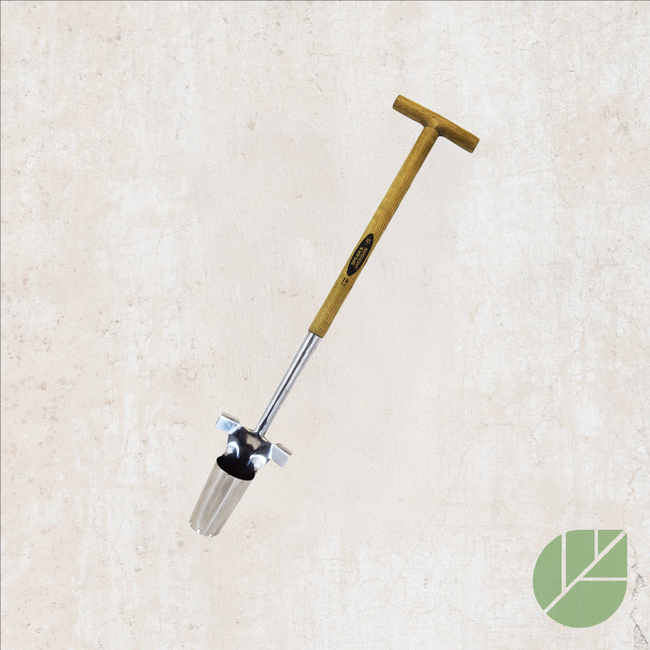
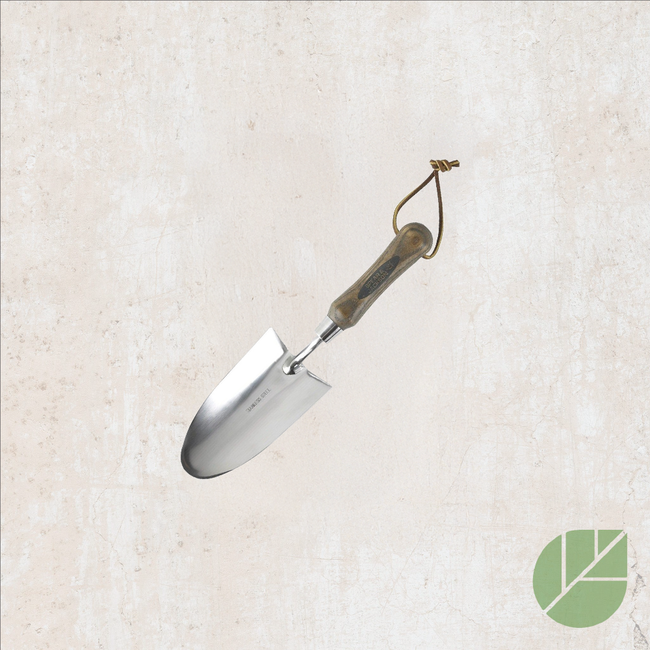
Bulb planters and planting tools
Shop the collection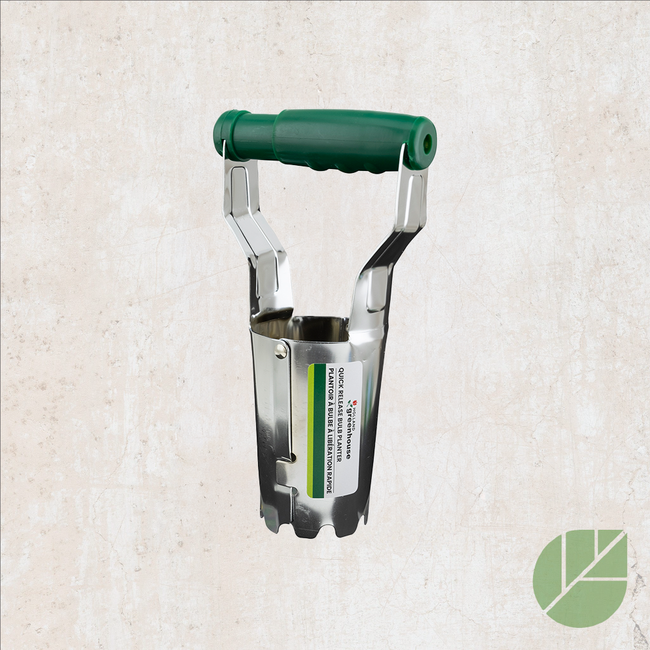
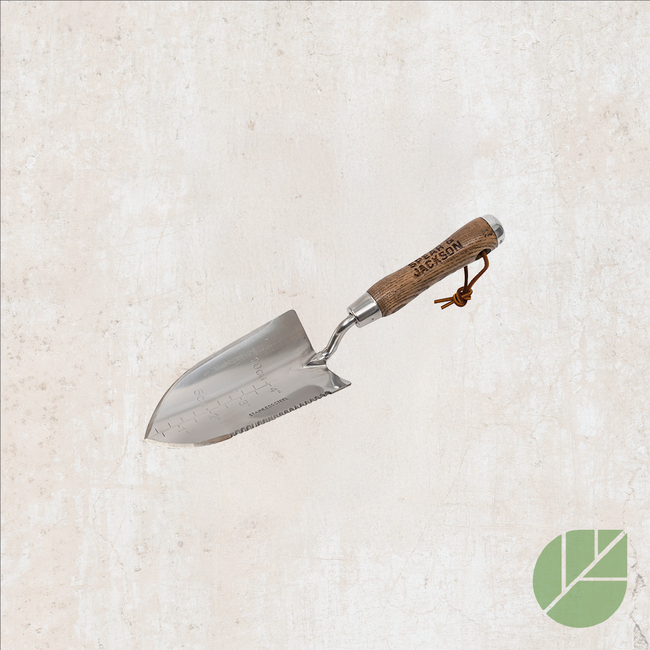
Soils and amendments for bulbs
Shop the collection