Sale
Sold out

Bulb
Asparagaceae
Pineapple lily (Eucomis comosa)
Pineapple Lily
Pink pineapple lily (Eucomis comosa) develops a large rosette of wavy, strap-shaped green leaves, sometimes tinged with purple. In summer, a thick, colorful stem bears a tight cluster of small, star-shaped, brownish-pink flowers, topped with a crown of bracts that immediately brings to mind a pineapple. This South African bulbous perennial reaches about 60 to 90 cm (24 to 35 in.) depending on conditions. Its upright habit adds rhythm to large containers and sunny beds. The Van Noort bulb thus provides a lasting exotic accent, interesting both up close and at the back of a tropical arrangement. Drainage protects the bulb throughout dormancy.
- Quantity
- 1 bulb
- Exposure
- Sun
- Life cycle
- Tender perennial
- Hardiness
- Zone 9
Discover the plant
Common namePineapple Lily ‘Comosa’
FamilyAsparagaceae
GenusPineapple Lily
TypeBulb
Botanical namePineapple Lily
Reproducible seedsYes
Pineapple lily (Eucomis comosa) develops a large rosette of wavy, strap-like green leaves, sometimes with purple tinges. In summer, a thick, colorful stem bears a tight cluster of small, brownish-pink star-shaped flowers, topped with a crown of bracts that immediately evokes a pineapple. This South African bulbous perennial reaches approximately 60 to 90 cm (24 to 35 in) depending on conditions. Its vertical habit adds rhythm to large containers and sunny beds. The Van Noort bulb thus offers a lasting exotic accent, interesting both up close and at the back of a tropical composition. A simple foliage background allows you to appreciate its nuances and shape without adding competing patterns.
Plant the bulb in spring after the last frost, in a warm, bright, and wind-protected location. Fertile, humus-rich, and freely draining soil promotes a strong rosette; in containers, leave the top of the bulb near the surface, while a sheltered planting can be placed deeper. A balanced liquid fertilizer, applied in moderation during growth, supports the long flower stalk. In Quebec, it is preferable to choose a large mobile pot, which is easier to bring indoors before the first serious cold. After each intervention, check that the soil still allows water to drain and that young shoots remain clear. Space plants taking into account the volume of their mature foliage and the necessary access for care.
Surround the pineapple lily with dwarf cannas, dark salvias, potted agapanthus, or fine grasses to highlight its brownish-pink hues. A cut stalk can also become the centerpiece of a graphic bouquet. After flowering, remove the stem only when it is no longer decorative and keep all healthy leaves until they turn yellow. Bring the container indoors to a cool, dry, frost-free place, or lift the bulb grown in the garden. Watch especially for slugs, snails, and aphids at the beginning of the next growth period. Keep a durable label to find this planting during its dormant period. Observe the bed throughout the season to adjust care according to the weather and the actual growth of the plants.

Planting guide
Plant well.Grow beautifully.
Planting depth
4 to 5 in (10 to 12 cm)
Best planting time
May to June, when the soil is warm
Propagation
Separation of bulbils in spring
Growing method
In spring, prepare a warm and very bright spot, protected from winds that could bend the flower stalk. Use fertile soil enriched with mature compost and ensure rapid drainage. Place the bulb after the frosts, near the surface in a pot or deeper in a well-drained bed. Water to initiate rooting, then maintain consistent moisture throughout growth without saturating the soil. In autumn, bring the pot indoors or lift the bulb; let it rest almost dry in a cool, ventilated, frost-free place. Drainage protects the bulb throughout dormancy. A mobile pot makes cultivation much more reliable in Quebec. The foliage should yellow naturally before dormancy. Generous light strengthens the flower stalk and its coloration. This South African bulbous perennial reaches approximately 60 to 90 cm (24 to 35 in) depending on conditions. Its vertical habit brings rhythm to large containers and sunny beds. The Van Noort bulb thus provides a lasting exotic accent, interesting up close as well as in the background of a tropical composition. Install the bulb in spring when frosty nights are over, in a warm, bright, and wind-protected location. Fertile, humus-rich, and freely draining soil promotes a strong rosette; in a container, leave the top of the bulb near the surface, while a sheltered planting can be placed deeper. Water regularly from the start, without letting water sit around the bulb. Bring the container indoors to a cool, dry, and frost-free place, or lift the bulb grown in the garden.
Soil and care
The right care,at the right time.
Soil pH
Neutral to slightly acidic
Minimum temperature
5 °C (41 °F)
Care level
Easy
Watering
Water regularly to keep the soil slightly moist without overwatering. Gradually reduce watering when the plant goes dormant. Before watering, check the moisture below the surface with your finger rather than following a fixed schedule. Recent rain, wind, and container growing can quickly change the needs. Direct water to the soil, at the base of the plant, and allow any excess to drain freely.
Soil type
Fertile, light, and perfectly drained soil enriched with compost. Its vertical habit brings rhythm to large containers and sunny beds. Drainage protects the bulb throughout dormancy. A fertile, humus-rich, and freely drained soil encourages a strong rosette; in containers, leave the top of the bulb near the surface, while a sheltered planting can be placed deeper.
Fertilization
Mix mature compost into the growing medium before planting. Once the leaves have established, apply a balanced liquid fertilizer at a low dose every two weeks. Reduce, then cease applications when the foliage yellows. Too much nitrogen makes tissues soft and unbalances the plant's shape. Drainage protects the bulb throughout dormancy. A movable pot makes cultivation much more reliable in Quebec. The foliage should yellow naturally before dormancy.
Seasonal care
In spring, wake up the bulb with light watering and repot it if the substrate is compacted. Wait until the end of frosts before placing the container outdoors. In summer, maintain constant humidity, fertilize lightly every two weeks, and protect the long stem from gusts of wind. Inspect young leaves for slugs, snails, and aphids. After flowering, keep the foliage intact so it can recharge the bulb. In autumn, reduce watering as the leaves turn yellow. Then bring the pot indoors or lift the bulb, clean only the excess soil, and let its surface dry. Store almost dry, in a cool, dark place, with good ventilation and no frost. Drainage protects the bulb throughout dormancy. A mobile pot makes cultivation much more reliable in Quebec. The foliage must yellow naturally before resting. Generous light strengthens the stem and its coloring. In summer, a thick, colorful stem bears a tight cluster of small brownish-pink star-shaped flowers, topped with a crown of bracts that immediately evoke a pineapple. Plant the bulb in spring when frosty nights are over, in a warm, bright, and wind-protected site. Water regularly from the start, without letting water stand around the bulb. Bring the container indoors to a cool, dry, frost-free place, or lift the bulb grown in the garden.
Container growing
A garden,within reach.
Recommended pot size
Heavy pot at least 30 cm (12 in.) for one bulb
Container gardening requires planning for the volume needed for the roots and the plant's final height. Choose a stable pot with drainage holes and a substrate suitable for planting. Leave enough space to respect the recommended depth and spacing, rather than crowding plants to fill the pot immediately. Place the container in the indicated exposure and regularly check the moisture, especially in hot or windy weather. A pot is more exposed to temperature variations than a plant in the ground. Therefore, from the outset, plan a wintering location compatible with the plant's needs and your region's climate. Plant the bulb in the spring after the last frost, in a warm, bright, and wind-protected spot. Fertile, humus-rich, and well-drained soil promotes a strong rosette; in a container, leave the top of the bulb near the surface, while a sheltered planting can be placed deeper. A balanced liquid fertilizer, applied moderately during growth, supports the long flower stalk. In Quebec, it is preferable to choose a large, mobile pot, which is easier to bring indoors before the first serious cold spells. After each intervention, check that the soil still allows water to drain and that young shoots remain clear. Arrange plants taking into account the volume of their adult foliage and the necessary pathways for care. In winter, protect the container according to the plant's needs: its roots are more exposed to cold than in the ground.

Bloom and dimensions
Its place,in your garden.
Mature height
24 to 36 in. (60 to 90 cm)
Width / spread
12 in (30 cm)
Flower color
Brownish-pink with purple undertones
Foliage color
Green, sometimes tinged with purple
Foliage type
Obsolete
Growth rate
Moderate
Bloom period
Summer flowering in long spikes of small brownish-pink flowers topped with a crown of leaves. The flowers attract pollinators and remain decorative for several weeks. In summer, a thick, colorful stem bears a tight cluster of small star-shaped brownish-pink flowers, topped with a crown of bracts that immediately evokes a pineapple. Plant the bulb in spring when frosty nights are over, in a warm, bright, and wind-protected location. After flowering, remove the stem only when it is no longer decorative and keep all healthy leaves until they turn yellow.

Garden associations
In goodcompany.
Companion plants
To accompany your Pink Pineapple Lily, consider plants chosen for compatible sun exposure and water needs. Choose neighboring varieties based on their height, flowering period, and the colors you wish to combine. Most importantly, ensure their sun exposure and water needs are suitable for the same location. Maintain enough distance so that leaves do not overshadow young shoots and to allow easy access to each plant for maintenance. These combinations serve to compose the garden's aesthetic; they do not guarantee protection against pests or diseases. Adjust the layout after observing one growing season.
Frequently asked questions
Your questions,answered.
When to plant pink pineapple lily?
Plant Eucomis comosa in spring once the risk of frost has passed and the soil has warmed up. Select a warm, sheltered location in full sun. In a pot, place the top of the bulb close to the surface of a rich, porous potting mix; in the garden, choose exceptionally well-drained soil. Water lightly to start, then maintain consistent moisture during growth. Allow about 30 cm (12 in) around the rosette. In Quebec, a large mobile container is preferable, as it allows the bulb to be brought indoors quickly before the first cold spells. Drainage protects the bulb throughout dormancy. A mobile pot makes cultivation much more reliable in Quebec.
How to get a strong flower stalk?
This 60 to 90 cm (24 to 35 in) scape requires plenty of light, regular moisture, and measured nutrition. Place the pot in full sun, protected from strong winds. Use a fertile, freely draining substrate, then water deeply when the surface begins to dry. Apply a balanced liquid fertilizer at a low dose every two weeks during growth. Avoid excess nitrogen, which softens tissues. Rotate the container weekly to balance the rosette. Never cut green leaves after flowering, as they replenish the reserves needed for the next scape. Drainage protects the bulb throughout dormancy. A mobile pot makes cultivation much more reliable in Quebec.
Is Eucomis comosa suitable for bouquets?
Yes, its pink-brown cluster offers an unusual shape and excellent presence in architectural bouquets. Cut the stem when several lower flowers are open, early in the morning, with a clean tool. Immediately place it in fresh water and remove any parts that would be submerged. Pair it with cream dahlias, light grasses, or burgundy foliage. Do not remove healthy leaves: they must continue to nourish the bulb. A single stem can be enough as the center of an arrangement, which allows the rest of the plant to remain decorative in the garden. Drainage protects the bulb throughout dormancy. A mobile pot makes cultivation much more reliable in Quebec.
How to overwinter Eucomis comosa in Quebec?
Before severe frosts, bring the container indoors to a cool, dry, well-ventilated, and frost-free place. First, allow the foliage to yellow naturally, then remove it when dry. Gradually reduce watering and then keep the substrate almost dry. If the bulb was growing in the ground, lift it carefully, remove only loose soil, and allow its surface to dry before storage. Inspect it monthly for soft tissues. In spring, repot if necessary, resume watering gently, and wait until after the last frost before putting the plant back outside. Drainage protects the bulb throughout dormancy. A mobile pot makes cultivation much more reliable in Quebec. The foliage must yellow naturally before dormancy.
Why do leaves turn yellow?
A gradual yellowing at the end of the season is normal: it signals the plant entering dormancy. At this point, reduce watering and wait for the leaves to dry before removing them. During active growth, however, rapid yellowing can indicate soggy soil, insufficient drainage, sudden cold, or weakened roots. Check that the pot's drainage holes are clear and empty the saucer. Keep the plant warm and sunny, without letting the soil dry out completely. Also examine the bulb if an odor or soft tissues appear, as rot requires quick intervention. Proper drainage protects the bulb throughout dormancy. A movable pot makes cultivation much more reliable in Quebec.
Wildlife and pets
Life,around your plants.
Supporting wildlife
The numerous small flowers can receive insect visitors for several weeks. However, complete the planting with simple, nectar-rich flowers, as the main interest of Eucomis comosa remains ornamental. A neighboring diversity will better support pollinators throughout the season. Drainage protects the bulb throughout dormancy.
For planting your bulbs
The right extras.Right here.
Bulb planters and planting tools
Shop the collection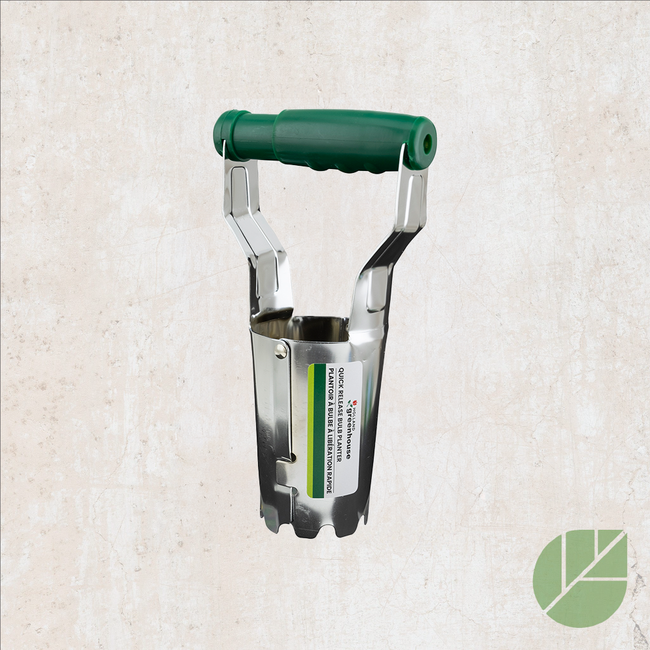
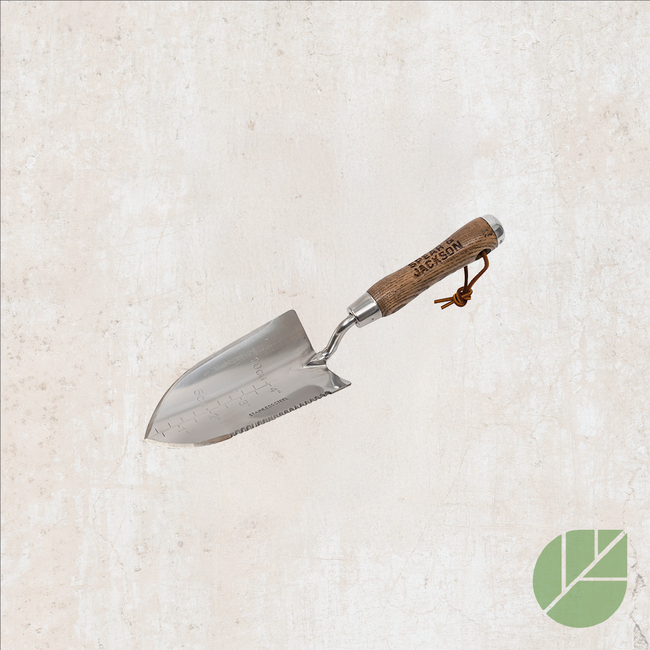
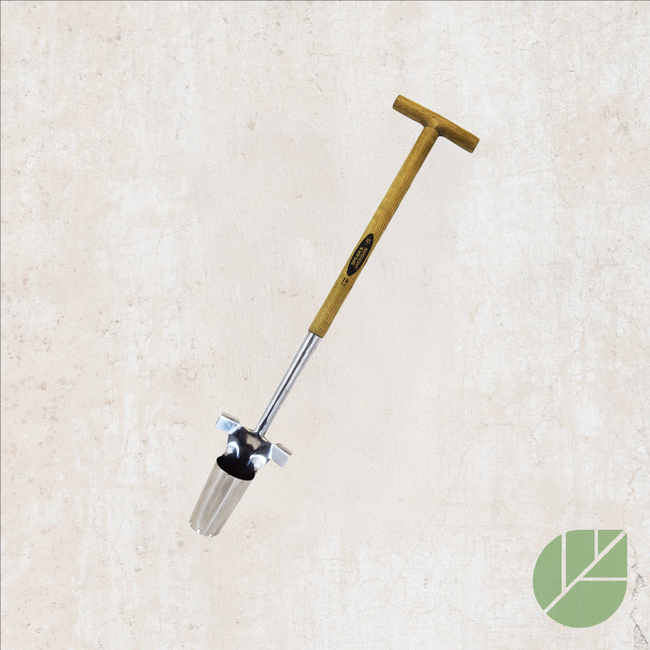
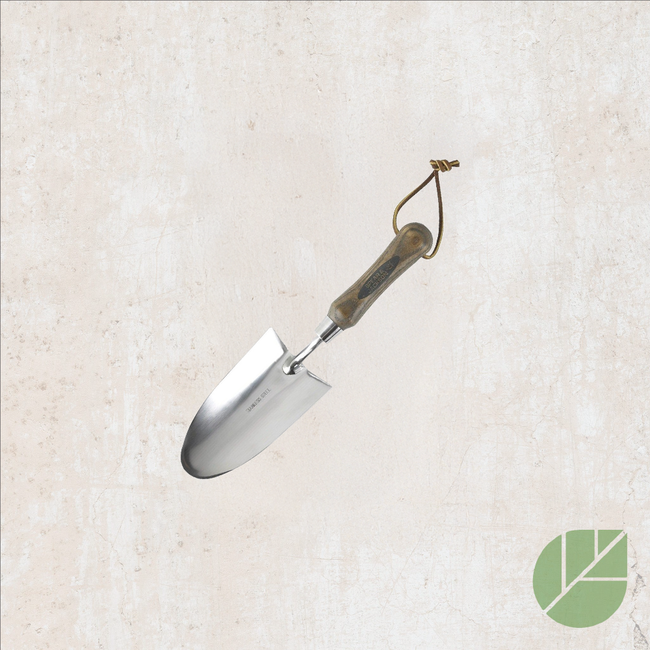
Soils and amendments for bulbs
Shop the collection