Sale
Sold out

Bulb
Asparagaceae
Two-tone Pineapple Lily (Eucomis bicolor)
Pineapple lily
Eucomis bicolor produces an undulating rosette and a pale green flower stalk edged with purple, crowned with pineapple-like bracts. This 50 cm (20 in) Van Noort bulb transforms a large pot or a warm bed into an exotic focal point. It requires full sun, very well-drained fertile soil, regular moisture during growth, and a nearly dry, frost-free dormancy in Quebec. Drainage remains essential during dormancy. A sheltered exposure promotes a sturdy stalk. Container cultivation greatly simplifies overwintering in Quebec. Regular watering supports active growth without waterlogging the bulb. Drainage remains essential during dormancy. A sheltered exposure promotes a sturdy stalk.
- Quantity
- 1 bulb
- Exposure
- Sun
- Life cycle
- Tender perennial
- Hardiness
- Zone 9
Discover the plant
Common namePineapple Lily 'Bicolor'
FamilyAsparagaceae
GenusPineapple lily
TypeBulb
Botanical namePineapple lily
Reproducible seedsYes
Eucomis 'Bicolor' (1 bulb) – An exotic and original touch to the garden! ???Proposed by Van Noort
Add a unique and surprising dimension to your garden with Eucomis 'Bicolor' , also known as Pineapple Lily . Native to southern Africa, this bulbous perennial produces stunning clusters of pale green star-shaped flowers , delicately edged with purple, perched on a sturdy stem often marked with purple .
Flowering from June to August , it reaches between 30 and 60 cm in height , bringing a fascinating vertical structure to beds and pots. Easy to grow , it is resistant to deer and thrives both in the ground and in containers . Not hardy , it is recommended to dig up the bulbs in the fall to keep them protected from frost.
?? Characteristics of the variety
?? Height : 30 cm (12")
?? Exposure : Full sun to partial shade
?? Hardiness : Not hardy (dig up before winter)
?? Deer resistance : Yes
?? Water requirements : Medium to high (well-drained soil, moist in summer)
?? Ideal soil : Rich, humus-rich and well-drained
?? Quantity : 1 bulb
?? Planting and growing Eucomis 'Bicolor'
?? When to plant?
??? From March to May, after the last frosts.
?? Where to plant it?
?? In open ground : Ideal for flowerbeds and borders.
?? In a pot : Perfect for terraces and balconies.
?? How to plant?
1?? Plant 15 cm deep , spacing 30 cm apart.
2?? Choose rich, well-drained soil and maintain constant humidity in summer.
3?? Water generously during the growing period , without soaking the soil.
?? Tip : Pair it with cannas and agapanthus for an exotic and spectacular garden!
?? Maintenance of the Eucomis 'Bicolor'
?? Watering : Regular in summer, reduce after flowering.
?? Fertilizer : A supply of liquid fertilizer every 2 weeks during the growing period will promote beautiful flowering.
?? Pruning : Remove faded flowers to encourage new growth.
?? Wintering :
?? Dig up the bulbs before winter and store them in a cool, dry place.
?? Why choose Eucomis 'Bicolor'?
? Pale green star-shaped flowers edged with purple, with an exotic look
? Ideal for borders, flowerbeds and pots
? Deer resistant and easy to grow
? Brings a unique and structured touch to the garden
? Bring an exotic and elegant touch to your garden with the Eucomis 'Bicolor' , offered by Van Noort! ?
?? Pair it with cannas and agapanthus for a lush garden full of character! ??

Planting guide
Plant well.Grow beautifully.
Planting depth
4 to 5 in (10 to 12 cm)
Best planting time
April to June, when the ground has warmed up
Propagation
Dividing bulbils in spring
Growing method
Choose a warm, sheltered, and sunny location. Loosen fertile, humus-rich soil, then add mature compost and a drainage material if needed. Plant in spring after the frost; in a pot, keep the top of the bulb just below the surface, while a protected outdoor planting can be about 15 cm (6 in) deep. Water to settle the roots, then maintain regular moisture during growth without stagnant water. Before the Quebec winter, bring the container indoors or lift the bulb and keep it almost dry, cool, and frost-free. Regular watering supports active growth without waterlogging the bulb. This bulbous perennial from Southern Africa reaches about 50 cm (20 in) and provides an exotic silhouette without overshadowing its neighbors. The Van Noort bulb is particularly suitable for large patio pots and very sunny beds, where its striking blooms become a lasting focal point. Plant the bulb in spring after frosts, in a warm, sheltered, and fully sunny location. Install it in fertile, humus-rich, and perfectly drained soil, with the top placed just below the surface in a pot or about 15 cm (6 in) deep outdoors depending on the available protection. Water regularly during growth to keep the substrate moist, but always allow excess water to drain. In Quebec, container cultivation remains the safest method, as it allows the bulb to be easily moved before serious cold weather. A bulb grown in the ground must be lifted, dried, and then stored in a cool, frost-free place to avoid winter losses.
Soil and care
The right care,at the right time.
Soil pH
Neutral to slightly acidic
Minimum temperature
5 °C (41 °F)
Care level
Easy
Watering
Water regularly to keep the soil slightly moist without overwatering. Reduce watering when the plant goes dormant. Before watering, check the moisture beneath the surface with your finger instead of following a fixed schedule. Recent rain, wind, and container growing can quickly change watering needs. Direct water to the soil at the base of the plant and allow any excess to drain freely.
Soil type
Opt for humus-rich soil that retains moisture while allowing excess water to drain. Check drainage after rain: water should be able to leave the root zone. Work the soil when it is dry to prevent compaction. Adapt amendments to its actual texture. For container plants, use appropriate potting soil and a pot with drainage holes. Keep these openings clear and avoid any accumulation of water in the saucer.
Fertilization
Incorporate mature compost before planting. During growth, apply a balanced liquid fertilizer every two weeks at a moderate dose, especially for potted plants. Stop when the foliage turns yellow. Excess nitrogen produces soft leaves and can reduce flowering quality. Drainage remains essential during dormancy. A sheltered exposure promotes a strong flower stalk. Container growing significantly simplifies wintering in Quebec. Regular watering supports active growth without waterlogging the bulb.
Seasonal care
In the spring, repot the bulb as needed into a fresh, well-draining mixture, then gradually resume watering when growth appears. Place it outdoors only after the risk of frost has passed. In summer, keep the substrate moist, fertilize moderately every two weeks, and check young leaves for slugs, snails, and aphids. Remove only damaged parts and let the flower stalk continue its decorative effect. In autumn, reduce watering when the foliage yellows, then cut off dry leaves. Before severe frosts, bring the pot indoors or lift the bulb. Store it almost dry, ventilated, cool, and frost-free. Inspect monthly and remove only truly rotted tissues. Container cultivation significantly simplifies overwintering in Quebec. Regular watering supports active growth without waterlogging the bulb. *Eucomis bicolor* (Eucomis bicolor) forms a spectacular rosette of ribbon-like, wavy green leaves, then in late summer, it produces a stalk dotted with purple. Plant the bulb in spring after the frosts, in a warm, sheltered, and fully sunny location. Water regularly during growth to keep the substrate moist, but always allow excess water to drain. A balanced diluted fertilizer every two weeks supports the foliage and the flower stalk. In autumn, bring the pot indoors to a frost-free location, gradually stop watering, and let the substrate almost dry during dormancy. A bulb grown in open ground must be lifted, dried, then stored in a cool, frost-free place to avoid winter losses.
Container growing
A garden,within reach.
Recommended pot size
One pot 25 to 30 cm (10 to 12 in.) in diameter per bulb
Container growing requires you to provide sufficient volume for the roots and the plant's final height. Choose a stable pot with drainage holes and a suitable growing medium. Leave enough space to respect the recommended depth and spacing rather than overcrowding plants to fill the pot immediately. Place the container in the indicated exposure and regularly check the moisture, especially in hot or windy weather. A pot is more exposed to temperature variations than planting in the ground. Therefore, plan for a wintering location from the outset that is compatible with the plant's needs and your region's climate. Plant the bulb in spring after the last frost, in a warm, sheltered, and fully sunny location. Place it in fertile, humus-rich, and perfectly drained soil, with the top just below the surface in a pot or about 6 inches (15 cm) deep in the ground, depending on the available protection. Water regularly during growth to keep the substrate fresh, but always allow excess water to drain. A balanced, diluted feed every two weeks supports the foliage and flower stalk. In Quebec, container growing remains the safest method, as it allows for easy relocation of the bulb before severe cold weather. In winter, protect the container according to the plant's needs: its roots are more exposed to cold than when planted in the ground.

Bloom and dimensions
Its place,in your garden.
Mature height
60 to 90 cm (24 to 36 in.)
Width / spread
12 in (30 cm)
Flower color
Pale green with purplish-brown edges
Foliage color
Green, with a purple-dotted stipe
Foliage type
Lapsed
Growth rate
Moderate
Bloom period
Summer bloom with long spikes of white flowers edged in violet, topped by a crown of leaves. The flowers attract pollinators and remain decorative for a long time. The pineapple lily (Eucomis bicolor) forms a spectacular rosette of ribbed, wavy green leaves, then in late summer sends up a purple-spotted stem. Its dense cluster brings together pale green star-shaped flowers, each finely edged with purplish-brown, beneath a crown of leafy bracts that resembles a pineapple. The Van Noort bulb is particularly suited to large patio pots and very sunny beds, where its graphic bloom becomes a lasting focal point.

Garden associations
In goodcompany.
Companion plants
To accompany Eucomis bicolor, you can consider plants chosen for compatible sun exposure and water needs. Choose nearby varieties based on their height, flowering period, and the colors you wish to combine. Above all, ensure that their sun exposure and water requirements suit the same location. Maintain enough distance so that leaves do not obscure young shoots and to allow easy access to each plant during maintenance. These pairings are for creating the garden's aesthetic; they do not guarantee protection against pests or diseases. Adjust the layout after observing one growing season.
Frequently asked questions
Your questions,answered.
When and how to plant Eucomis bicolor?
Plant the bulb in spring, after the risk of frost and when the soil begins to warm up. Choose full sun and a sheltered location. In a pot, place the top just below the surface of fertile, well-draining potting mix; in protected open ground, the RHS recommends about 15 cm (6 in) deep. Water to establish roots, then maintain consistent moisture without waterlogging. Leave about 30 to 40 cm (12 to 16 in) around the rosette. In Quebec, a large mobile container significantly facilitates overwintering and reduces the risk of winter rot. Drainage remains essential during dormancy. A sheltered exposure promotes a strong flower stalk. Container growing greatly simplifies Quebec overwintering.
Can Eucomis bicolor stay outside in winter in Quebec?
Perennial cultivation in open ground is not the safest method in Quebec. Even if Eucomis bicolor has some cold tolerance in protected soil, deep freezes and winter humidity significantly increase the risk of loss. Instead, bring the pot indoors before serious cold, let the foliage yellow, and reduce watering. Then keep the bulb almost dry in a cool, ventilated, and frost-free place. If the plant is in a flowerbed, lift it after yellowing, dry its surface, and store it in the same way until spring. Drainage remains essential during dormancy. A sheltered exposure promotes a strong flower stalk. Container cultivation significantly simplifies wintering in Quebec.
Why isn't my Eucomis bicolor blooming?
Poor flowering often results from a lack of sun, a substrate that is too poor or too dry during growth, a bulb that is still small, or poorly managed dormancy. Provide at least several hours of direct sun in a warm location. Maintain regular moisture from spring until yellowing, without stagnant water, and apply a diluted balanced fertilizer every two weeks. Never cut leaves that are still green, as they replenish reserves. During winter, keep the bulb almost dry and frost-free. A recently divided plant may take time to flower fully. Drainage remains essential during dormancy. A sheltered exposure promotes a strong flower stalk. Container growing significantly simplifies overwintering in Quebec.
How to grow Eucomis bicolor in a pot?
Choose a stable pot 25 to 30 cm (10 to 12 inches) in diameter, deep, and very well-drained, for one bulb. Use rich but airy potting soil with mature compost and draining mineral matter. Place the top of the bulb just below the surface, then place the container in full sun, sheltered from the wind. Water regularly during growth and always empty the saucer. Fertilize moderately every two weeks. Rotate the pot to balance the rosette. In the fall, let the leaves yellow, reduce watering, and store the entire container in a cool, dry, and frost-free place. Drainage remains essential during dormancy. A sheltered exposure promotes a strong flower stalk. Container growing significantly simplifies wintering in Quebec.
What care should I provide after flowering?
Once the flower cluster has faded, you can cut the stem without touching the still-green foliage. Continue moderate watering as long as the leaves are active, as they feed the bulb for the next season. Gradually reduce watering when they naturally turn yellow, then remove them once dry. Before cold weather, bring the pot indoors or lift the bulb. Store it almost dry, ventilated, cool, and frost-free. Check monthly for any soft spots. In spring, repot if the substrate is compacted, resume watering gently, and wait until after the last frost before taking the plant outdoors. Drainage remains essential during dormancy. A sheltered exposure promotes a strong flower stalk. Container growing significantly simplifies wintering in Quebec.
Wildlife and pets
Life,around your plants.
Supporting wildlife
Flowers can host various insect visitors during their blooming period. Their wildlife value remains secondary to their ornamental interest; add simple nectar-rich flowers nearby to more reliably support pollinators throughout the season. Good drainage remains essential during dormancy. A sheltered exposure promotes a strong flower stalk.
For planting your bulbs
The right extras.Right here.
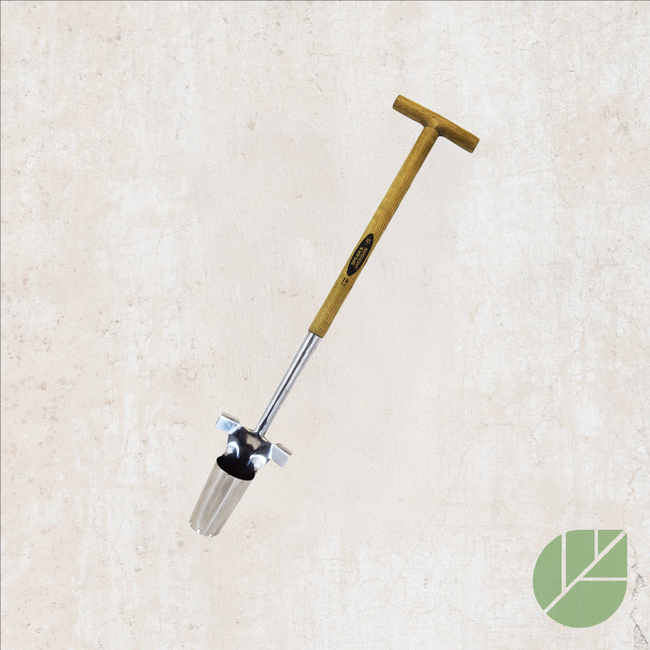
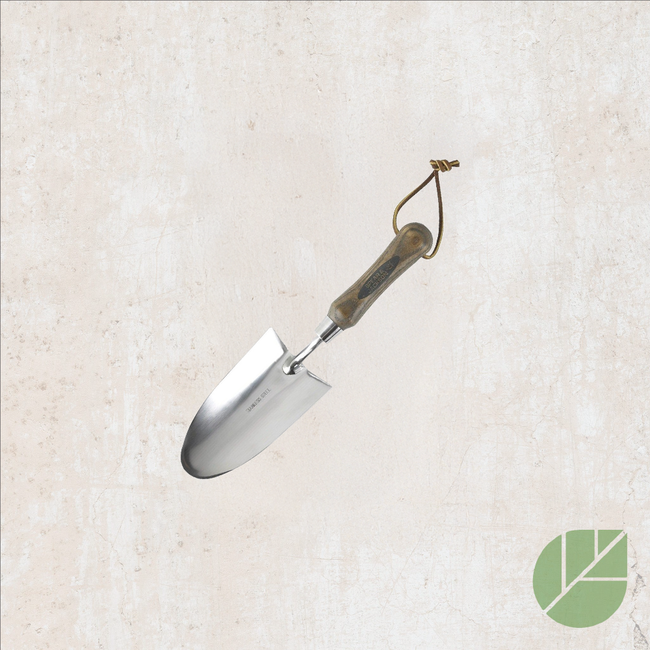
Bulb planters and planting tools
Shop the collection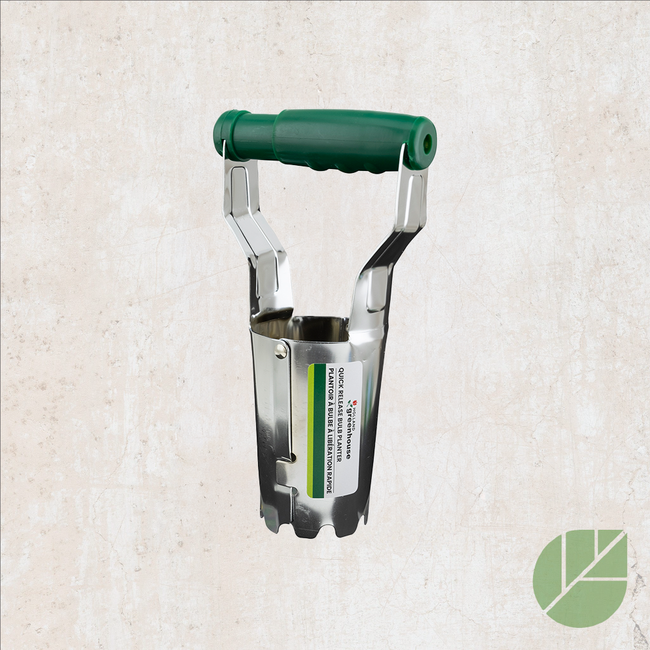
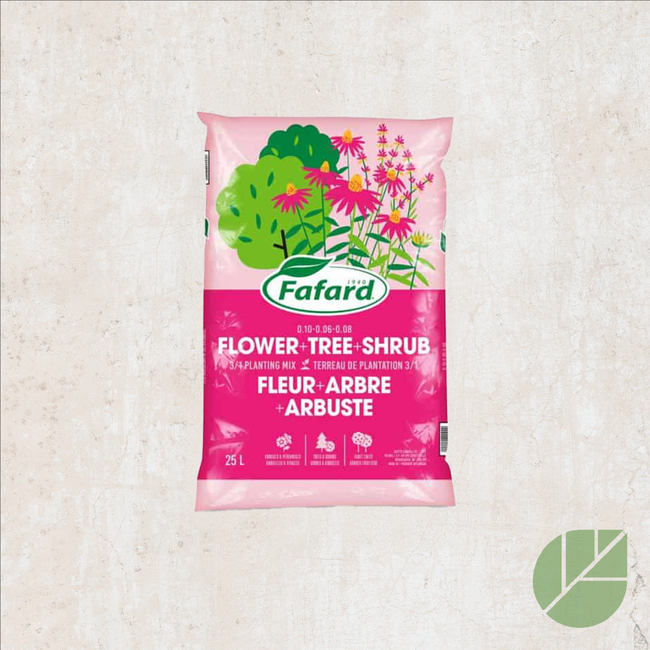
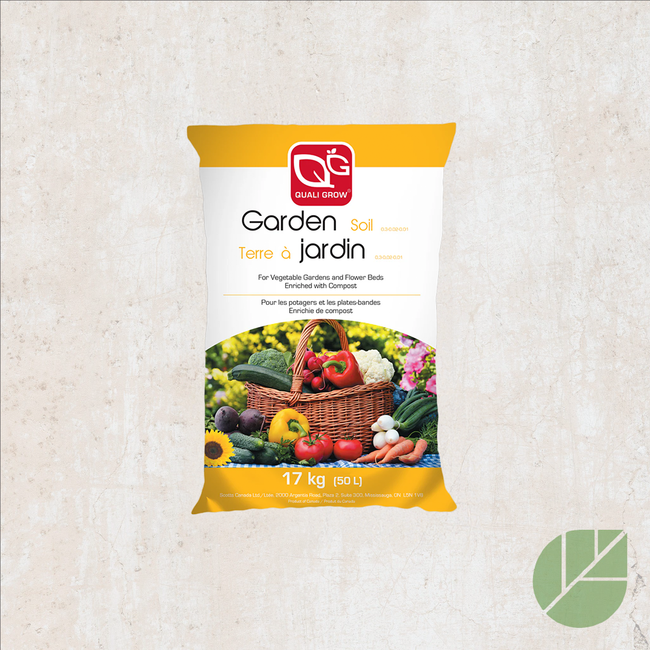
Soils and amendments for bulbs
Shop the collection