Sale
Sold out

Cormes
Iridaceae
Wavy-rayed ferraria
Ferraria crispa
Ferraria crispa is a unique South African geophyte that forms upright stems adorned with clasping, linear leaves. Its star-shaped flowers, about 5 cm (2 in) across, appear to be cut from marbled fabric: the cream or greenish tepals, heavily undulated, bear purple and brown speckles. This architecture evokes a starfish and warrants close observation, even though each flower is relatively short-lived. The No1 Van Noort corm produces a narrow plant about 45 cm (18 in) tall and 10 cm (4 in) wide, ideal for a collector's pot or a sheltered location. Pot cultivation makes protection easier in Quebec. Provide full sun or light shade, plenty of warmth, and protection from persistent rain.
- Quantity
- 1 serviceberry
- Exposure
- Sun
- Life cycle
- Tender perennial
- Hardiness
- Zone 9
Discover the plant
Common nameStarry lily
FamilyIridaceae
GenusFerraria
TypeCormes
Botanical nameFerraria crispa
Reproducible seedsYes
Crisp Ferraria (Ferraria crispa) is a unique South African geophyte that forms erect stems adorned with clasping linear leaves. Its star-shaped flowers, about 5 cm (2 in) across, appear to be cut from marbled fabric: the cream or greenish tepals, strongly undulate, bear purple and brown speckles. This architecture evokes a starfish and merits close observation, even if each flower is relatively short-lived. The Van Noort No. 1 corm produces a narrow plant about 45 cm (18 in) tall and 10 cm (4 in) wide, ideal for a collector's pot or a sheltered location. The corm must remain perfectly drained. Pot cultivation facilitates protection in Quebec.
For the seasonal presentation suggested by Van Noort, plant the corm in spring 8 cm (3 in) deep, spaced 20 cm (8 in) apart, in a very well-draining sandy or loamy substrate. Provide full sun or light partial shade, plenty of heat, and protection from persistent rain. Water moderately during growth, only after the top layer begins to dry. A light, balanced fertilization is sufficient. The plant is tender: in Quebec, a deep pot allows it to be moved before frost. After yellowing, reduce all moisture and store the dormant corm dry and frost-free. The corm must remain perfectly drained.
Highlight its complex patterns in a plain pot, near a walkway, or on a temperate greenhouse shelf. Fine grasses, succulents in separate pots, and silver foliage create a discreet setting without hiding the low flowers. The fragrance can be unpleasant; therefore, avoid placing it directly under an open window or in the center of a small table. Do not cut leaves that are still green. When growth stops, let the foliage dry, clean the corm, and store it in a ventilated place. In-ground cultivation should be considered annual in Quebec's climate. The corm must remain perfectly drained.

Planting guide
Plant well.Grow beautifully.
Planting depth
8 cm (3 in)
Best planting time
After the freeze, when conditions are warm
Propagation
Separation of secondary corms during dormancy
Growing method
For Van Noort's proposed seasonal display, plant the corm in spring 8 cm (3 in) deep, spaced 20 cm (8 in) apart, in a very well-drained sandy or loamy substrate. Provide full sun or light partial shade, plenty of warmth, and protection from persistent rain. Water moderately during growth, only after the top layer begins to dry. Light, balanced fertilization is sufficient. The plant is tender: in Quebec, a deep pot allows it to be moved before frost. After yellowing, reduce all moisture and keep the dormant corm dry and frost-free. The corm must remain perfectly drained. Highlight its intricate patterns in plain pottery, near a pathway or on a temperate greenhouse shelf. Fine grasses, succulents in separate pots, and silver foliage create a discreet setting without hiding the low-lying flowers. The fragrance can be unpleasant; therefore, avoid placing it directly under an open window or in the center of a small table. Do not cut leaves that are still green. When growth stops, let the foliage dry, clean the corm, and store it in a ventilated place. Outdoor cultivation should be considered annual in the Quebec climate. The corm must remain perfectly drained.
Soil and care
The right care,at the right time.
Soil pH
Neutral to slightly acidic
Minimum temperature
5 °C (41 °F)
Care level
Advanced
Watering
Water moderately to keep the soil slightly moist without overwatering. Quickly reduce watering after flowering when the plant enters dormancy. Provide full sun or light shade, plenty of warmth, and protection from persistent rain. Water moderately during growth, only after the top layer begins to dry. After yellowing, reduce all moisture and keep the dormant corm dry and frost-free. When growth stops, allow the foliage to dry, clean the corm, and store it in a ventilated place.
Soil type
Light, sandy, and perfectly drained soil. Avoid heavy or wet ground, which promotes corm rot. Observe your location after rain to identify areas where water remains on the surface for a long time. Work the soil when it is dry: working it when it is waterlogged risks compacting it around the roots. Adapt amendments to the actual texture of the soil, without systematically adding sand or fertilizer.
Fertilization
In fresh growing medium, a monthly application of a low-dose balanced liquid fertilizer is sufficient during growth. Stop as soon as the foliage yellows. Avoid high-nitrogen fertilizers, which lengthen tissues, as well as applications on a dormant corm. Instead, renew a portion of the potting mix when repotting. The corm must remain perfectly drained. Pot cultivation facilitates protection in Quebec. Strong light maintains compact growth.
Seasonal care
For a seasonal display as suggested by Van Noort, plant corms in spring 8 cm (3 in) deep and 20 cm (8 in) apart, in very well-drained sandy or loamy soil. Provide full sun or light partial shade, plenty of warmth, and protection from persistent rain. Water moderately during growth, only after the top layer begins to dry. Light, balanced fertilization is sufficient. The plant is tender: in Quebec, a deep pot allows it to be moved before frost. After yellowing, reduce all moisture and keep the dormant corm dry and frost-free. The corm must remain perfectly drained. Highlight its intricate patterns in plain pottery, near a walkway, or on a shelf in a temperate greenhouse. Fine grasses, succulents in separate pots, and silver foliage create a discreet setting without hiding the low-lying flowers. The fragrance can be unpleasant; therefore, avoid placing it directly under an open window or in the center of a small table. Do not cut leaves that are still green. When growth stops, allow the foliage to dry, clean the corm, and store it in a well-ventilated place. Outdoor cultivation should be considered annual in Quebec's climate. The corm must remain perfectly drained. Over the seasons, observe new shoots, soil moisture, and stem condition. A durable label helps locate the planting during dormancy. Clean tools after cutting diseased parts and remove degrading debris around the base.
Container growing
A garden,within reach.
Recommended pot size
Deep pot 8 to 10 in. (20 to 25 cm) for one corm
Container culture requires anticipating the necessary volume for the roots and the plant's final height. Choose a stable pot with drainage holes and a suitable growing medium. Leave enough space to respect the recommended depth and spacing, rather than crowding the plants to fill the pot immediately. Place the container in the recommended exposure and regularly check the moisture, especially in hot or windy weather. A pot is more exposed to temperature variations than a plant in the ground. Therefore, plan for a wintering location compatible with the plant's needs and your region's climate from the outset. For the seasonal display suggested by Van Noort, plant the corm in spring 8 cm (3 in) deep, spaced 20 cm (8 in) apart, in a very well-draining sandy or silty substrate. Provide full sun or light partial shade, plenty of warmth, and protection from persistent rain. Water moderately during growth, only after the top layer begins to dry. A light, balanced fertilization is sufficient. The plant is tender: in Quebec, a deep pot allows it to be moved before frost. After yellowing, reduce all moisture and store the dormant corm dry and frost-free. The corm must remain perfectly drained. In winter, protect the container according to the plant's needs: its roots are more exposed to cold than in the ground.

Bloom and dimensions
Its place,in your garden.
Mature height
40 to 45 cm (16 to 18 in.)
Width / spread
6 in (15 cm)
Flower color
Cream or green, speckled with purple and brown
Foliage color
Green
Foliage type
Lapsed
Growth rate
Moderate
Bloom period
Summer bloom of star-shaped, creamy-yellow and brown flowers with heavily undulated margins. Its star-shaped flowers, about 5 cm (2 in) across, look like they were cut from a marbled fabric: the creamy or greenish tepals, heavily undulated, bear purple and brown speckles. This architecture evokes a starfish and merits close observation, even though each flower is relatively short-lived. Fine grasses, succulents in separate pots, and silver foliage create a subtle setting without hiding the low-lying flowers.

Garden associations
In goodcompany.
Companion plants
To accompany curled Ferraria, consider plants chosen for compatible exposure and water needs. Select neighboring varieties based on their height, flowering period, and the colors you wish to combine. Most importantly, ensure their exposure and water requirements suit the same location. Maintain enough distance so that leaves don't obscure young shoots and to allow easy access to each plant during maintenance. These pairings are for creating the garden's aesthetic; they do not guarantee protection against pests or diseases. Adjust the arrangement after observing one growing season.
Frequently asked questions
Your questions,answered.
When to plant Ferraria crispa in Quebec?
For the seasonal Van Noort product, plant the corm in spring after the last frost, when conditions are warm. Place it 8 cm (3 in.) deep in a deep pot filled with a mix of loam and horticultural gravel. Provide full sun or very bright partial shade, with protection from prolonged rain. Water sparingly until growth begins, then moderately when the surface dries. The plant is not hardy in Quebec. Before the cold autumn, stop watering after the foliage yellows and store the dry corm in a ventilated, frost-free location. The corm must remain perfectly drained. Pot cultivation facilitates protection in Quebec. Strong light maintains compact growth.
Why do flowers smell bad?
The odor is part of *Ferraria crispa*'s biology and can attract certain insects in its South African habitat. Its intensity varies depending on the flower, temperature, and airflow. It does not signal a corm disease. Simply place the pot in a ventilated greenhouse, near an outdoor passage, or on a terrace away from dining areas and open windows. Individual flowers are relatively short-lived, so the phenomenon is temporary. Do not use perfume or any product on the tepals: this could damage them. Instead, enjoy their remarkable patterns from a comfortable distance. The corm must remain perfectly drained. Pot cultivation facilitates protection in Quebec.
How to prevent corm rot?
Always use a pot with drainage holes and a very gritty mix that allows water to drain immediately. During growth, water only when the surface has begun to dry out, and empty any saucers. Protect the container from continuous rain. As soon as the leaves yellow, quickly reduce and then stop watering. Store the corm dry, ventilated, and frost-free, without moist packaging. Inspect it monthly. Firm tissue is normal; a soft, dark, or foul-smelling area should be removed with a clean tool before allowing the wound to dry. Never fertilize during dormancy. The corm must remain perfectly drained. Pot cultivation facilitates protection in Quebec. Strong light maintains compact growth.
Can Ferraria crispa grow in the garden?
It can be grown as a seasonal plant in the warmest and best-drained corner, but pot cultivation remains much more reliable in Quebec. The corm is tender and will not survive deep frosts. Moreover, a container allows for control over rain, drainage, and dry dormancy. If attempting outdoor planting, plant after frost at 8 cm (3 in) deep according to Van Noort, clearly mark the location, and lift the corm as soon as the foliage yellows. Dry its surface, then store it in a frost-free place. Do not leave it in wet clay in autumn. The corm must remain perfectly drained. Pot cultivation facilitates protection in Quebec.
How can we observe this ephemeral flower?
Watch the buds daily as they swell, since an individual flower may only remain open for a short time. Temporarily place the pot near a bright walkway and prepare your camera in advance. Diffused light better reveals the undulations, purple and brown speckles, and the intricate center. Avoid touching the tepals or moving the stem abruptly. Several buds may follow one another, so continue moderate watering as long as the leaves remain green. After each flower, allow the plant to continue its cycle. Only move the pot if the odor bothers people nearby. The corm must remain perfectly drained. Pot cultivation facilitates protection in Quebec.
Wildlife and pets
Life,around your plants.
Supporting wildlife
The foul-smelling flowers of Ferraria crispa are adapted to specific visitors in their native range. In a Canadian garden, don't count on them as a major resource for pollinators. Instead, add simple, nectar-rich native flowers in nearby pots. The corm must remain perfectly drained. Pot cultivation facilitates protection in Quebec.
For planting your bulbs
The right extras.Right here.
Bulb planters and planting tools
Shop the collection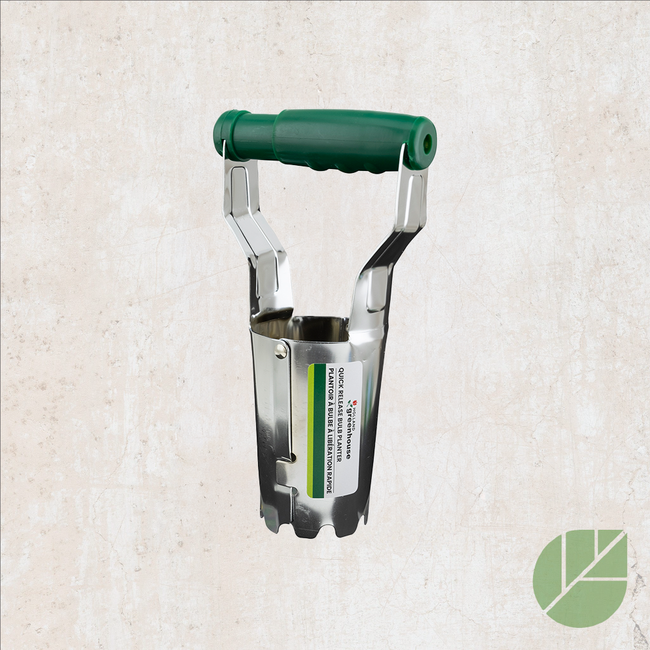
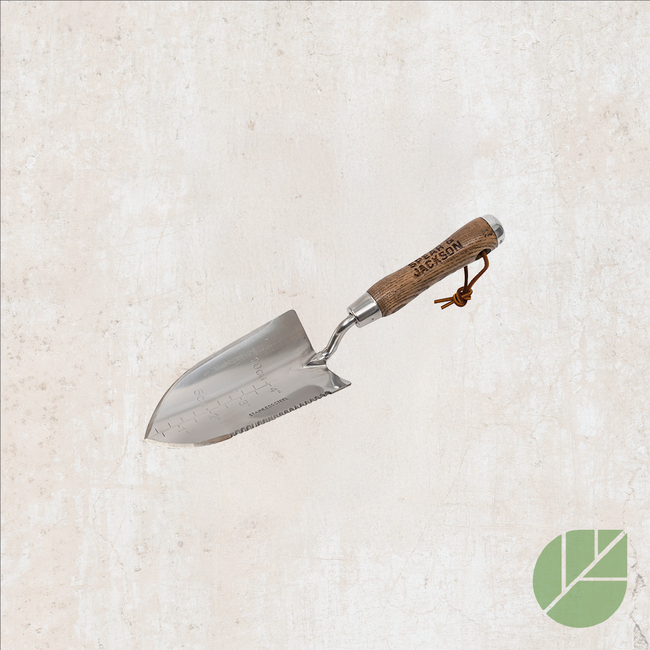
Soils and amendments for bulbs
Shop the collection