Sale
Sold out

Corms
Iridaceae
Double Freesia Mix (Freesia hybrids)
Freesia hybrida (double)
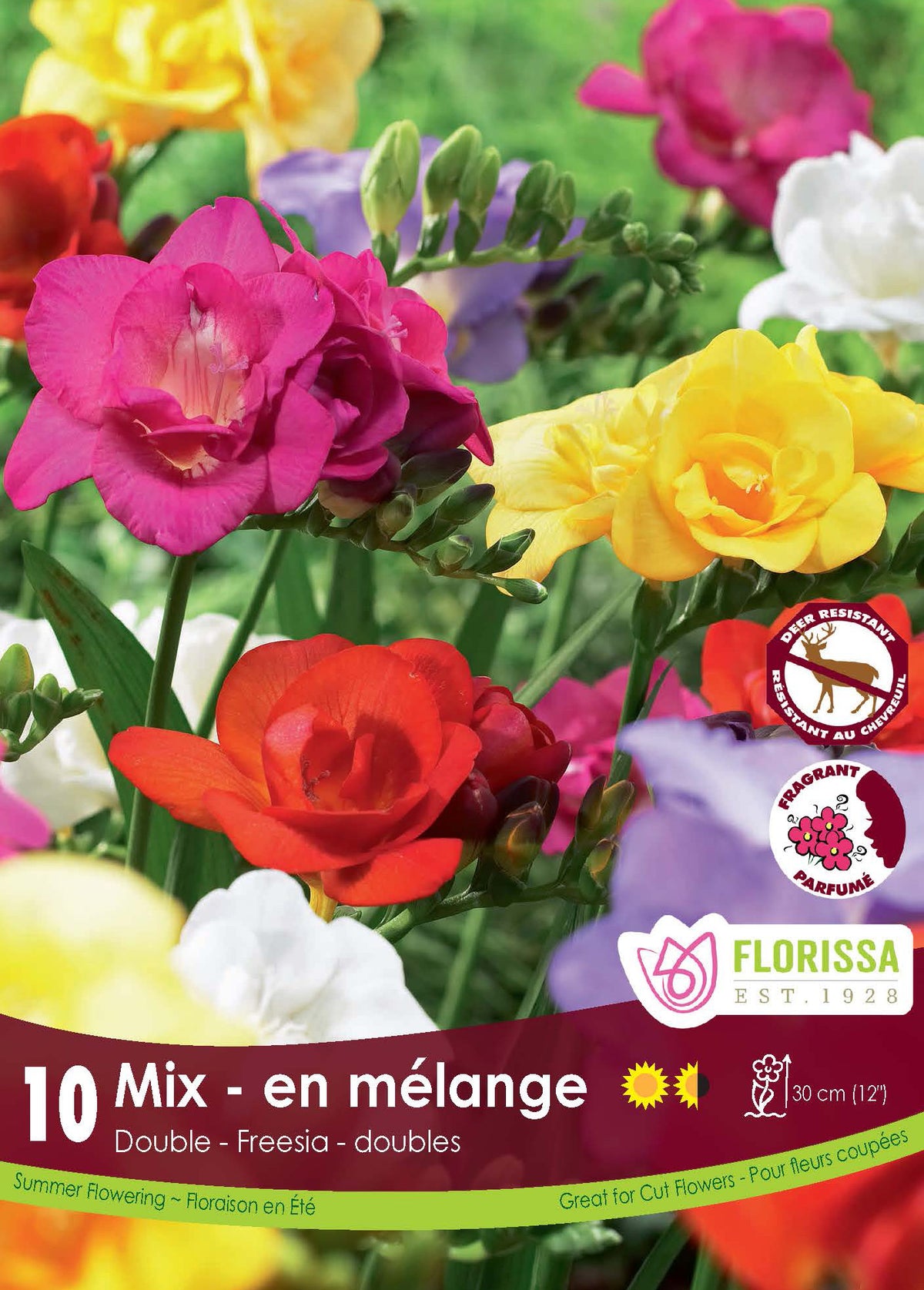
This Van Noort mix contains ten 6/+ size corms of fragrant double freesias, with mauve, orange, white, yellow, and cherry blossoms. The upright clumps of 30 cm (12 in) are suitable for pots, borders, and bouquets. Plant in spring 5 cm (2 in) deep in well-drained soil, support the stems, and maintain regular moisture until they yellow. Quick drainage protects the corms. Light and air keep the stems strong. Cut flowers retain their fragrance for a long time. Dry dormancy facilitates Quebec wintering. Quick drainage protects the corms. Light and air keep the stems strong. Cut flowers retain their fragrance for a long time. Dry dormancy facilitates Quebec wintering.
- Quantity
- 10 corms
- Exposure
- Sun to partial shade
- Life cycle
- Tender perennial
- Hardiness
- Zone 9
Discover the plant
Common nameFreesia
FamilyIridaceae
GenusFreesia
TypeCorms
Botanical nameFreesia hybrida (double)
Reproducible seedsYes
Double Freesia Mix (Freesia hybrids) brings together ten prepared corms producing fragrant clusters of double flowers in an assortment of mauve, orange, white, yellow, and cherry. The buds open successively on slender, slightly arched stems above a fan of sword-shaped green leaves. The Van Noort size 6/+ packet forms upright clumps approximately 30 cm (12 in) high and 10 cm (4 in) wide. This compact size is suitable for planters, borders near a patio, and especially for the cutting garden, where each color provides a different surprise. Quick drainage protects the corms. Light and air keep the stems strong.
Plant the prepared corms in spring, after the last frost, 5 cm (2 in) deep and 10 cm (4 in) apart in fertile, fresh, but freely draining soil. Choose full sun or very bright partial shade, with protection from strong winds. Water gently after planting, then maintain consistent moisture without saturating the soil. Install small twigs or discreet support before the stems lengthen. As soon as buds appear, apply a potassium-rich fertilizer every two weeks. Staggered planting over a few weeks extends the harvest of fragrant flowers in summer. Quick drainage protects the corms. Light and air keep the stems strong.
Cut the stems when the first buds show their color, early in the morning, then immediately place them in clean water. Remove spent flowers in the garden while keeping the foliage until it naturally yellows. Pair the mix with blue lobelia, white alyssum, compact dianthus, or fine grasses, without smothering the leaves. In Quebec, consider the corms as seasonal or bring them indoors before frost. Let them dry, clean them lightly, and store them in a cool, dry, frost-free place. Monitor for aphids, spider mites, fusarium wilt, and dry rot in confined cultures. Quick drainage protects the corms. Light and air keep the stems strong.

Planting guide
Plant well.Grow beautifully.
Planting depth
2 in (5 cm)
Best planting time
April to May depending on the region and protection
Propagation
Separation of secondary corms during dormancy
Growing method
Prepare fertile, freely draining soil in a sunny, bright, and sheltered location. Plant prepared corms in spring, 5 cm (2 in) deep, pointed end up, leaving 10 cm (4 in) between them. Water gently, then prevent the substrate from drying out completely during growth without ever saturating it. Install thin twigs or a small net early on to support future stems. When buds appear, fertilize every two weeks with a product richer in potassium. Harvest the flower stalks at the first sign of color. After flowering, keep the leaves until they yellow, then lift and dry the corms before frost-free storage. Fast drainage protects the corms. Light and air keep the stems strong. Cut flowers retain their fragrance for a long time. Dry dormancy facilitates overwintering in Quebec. Fast drainage protects the corms. Light and air keep the stems strong. Cut flowers retain their fragrance for a long time. Dry dormancy facilitates overwintering in Quebec. Fast drainage protects the corms. Light and air keep the stems strong. Cut flowers retain their fragrance for a long time. Dry dormancy facilitates overwintering in Quebec. Fast drainage protects the corms. Light and air keep the stems strong. Cut flowers retain their fragrance for a long time.
Soil and care
The right care,at the right time.
Soil pH
Neutral to slightly acidic
Minimum temperature
5 °C (41 °F)
Care level
Easy
Watering
Water sparingly at first, then keep the soil slightly moist during growth and flowering. Check under the surface before each watering and allow any excess to drain to avoid saturation around the corms. Direct water to the soil rather than onto the flowers. After flowering, continue to monitor moisture as long as the leaves are green. Gradually reduce watering as they yellow, then keep the corms dry during frost-free storage.
Soil type
Choose loose, well-drained soil where water doesn't linger around the roots or bulbs. Check the drainage after rain: water should be able to drain away from the root zone. Work the soil when it's dry enough to avoid compaction. Adapt amendments to its actual texture. In containers, use appropriate potting soil and a pot with drainage holes. Keep these openings clear and avoid any water accumulation in the saucer.
Fertilization
Incorporate some mature compost before planting. As soon as the buds are visible, apply a low dose of liquid fertilizer higher in potassium every two weeks. Avoid excess nitrogen, which elongates stems. Stop after flowering when the leaves begin to yellow. Quick drainage protects the corms. Light and air keep stems strong. Cut flowers retain their fragrance for a long time. Dry dormancy facilitates Quebec wintering.
Seasonal care
In spring, plant prepared corms 2 inches (5 cm) deep after the last frost and immediately install discrete support. Keep the soil moist during emergence. In early summer, increase watering, especially for potted plants, and fertilize with more potassium as buds appear. Regularly cut ready stems or remove spent flowers. Monitor for aphids, spider mites, dry rot, and fusarium wilt. After flowering, continue care as long as the foliage remains green. Then reduce water when leaves yellow. Before frost, lift the corms, allow them to dry, remove only loose soil, and store them in a cool, dry, ventilated, and frost-free place. Good drainage protects corms. Light and air keep stems strong. Cut flowers retain their fragrance for a long time. Dry dormancy facilitates overwintering in Quebec. Good drainage protects corms. Light and air keep stems strong. Cut flowers retain their fragrance for a long time. Dry dormancy facilitates overwintering in Quebec. Good drainage protects corms. Light and air keep stems strong. Cut flowers retain their fragrance for a long time. Dry dormancy facilitates overwintering in Quebec. Good drainage protects corms. Light and air keep stems strong. Cut flowers retain their fragrance for a long time. Dry dormancy facilitates overwintering in Quebec. Good drainage protects corms. Light and air keep stems strong. Cut flowers retain their fragrance for a long time.
Container growing
A garden,within reach.
Recommended pot size
Pot (10 to 12 in.) for five to ten corms
Container growing requires you to plan for the necessary root volume and the plant's final height. Choose a stable pot with drainage holes and a suitable growing medium. Leave enough space to respect the recommended depth and spacing, rather than crowding the plants to immediately fill the pot. Place the container in the indicated exposure and regularly check the moisture, especially in hot or windy weather. A pot is more exposed to temperature variations than planting in the ground. Therefore, plan from the outset for a wintering location compatible with the plant's needs and your region's climate. Plant prepared corms in the spring, after frost, 5 cm (2 in) deep and 10 cm (4 in) apart in fertile, cool but freely draining soil. Choose full sun or very bright partial shade, with protection from strong winds. Water gently after planting, then maintain regular moisture without saturating the soil. Install small twigs or an inconspicuous support before the stems lengthen. As soon as buds appear, apply a potassium-rich fertilizer every two weeks. Staggered planting over a few weeks extends the harvest of fragrant flowers in summer. Rapid drainage protects the corms. Light and air keep the stems strong. In winter, protect the container according to the plant's needs: its roots are more exposed to cold than in the ground.

Bloom and dimensions
Its place,in your garden.
Mature height
12 in (30 cm)
Width / spread
3 to 4 in (8 to 10 cm)
Flower color
Purple, orange, white, yellow, and cherry blend
Foliage color
Medium green
Foliage type
Lapsed
Growth rate
Quick
Bloom period
Freesia Double Mixed (Freesia hybrids) brings together ten prepared corms that produce fragrant clusters of double flowers in an assortment of mauve, orange, white, yellow, and cherry. The buds open successively on slender, slightly arched stems above a fan of sword-shaped green leaves. Staggered planting over a few weeks extends the harvest of fragrant summer blooms.
Garden associations
In goodcompany.
Companion plants
To accompany Freesia Double Mixture, you can consider plants chosen for compatible sun exposure and water needs. Choose neighboring varieties based on their height, flowering period, and the colors you wish to combine. Above all, make sure their sun exposure and water needs are suitable for the same location. Maintain enough distance so that leaves do not block young shoots and to easily access each plant during maintenance. These pairings are for composing the garden's decor; they do not guarantee protection against pests or diseases. Adjust the layout after observing one growing season.
Frequently asked questions
Your questions,answered.
When to plant double freesias in Quebec?
Plant the prepared corms in spring, after the risk of frost, when the ground is workable and begins to warm up. Plant them 5 cm (2 in) deep, point up, with 10 cm (4 in) between corms according to Van Noort. Choose a sunny, sheltered location in fertile, moist but freely draining soil. Water gently after planting and immediately provide light support. Prepared corms are intended to flower in summer in the first season. In cold regions, a movable container facilitates protection against cool nights and autumn lifting. Quick drainage protects the corms. Light and air keep stems strong. Cut flowers retain their fragrance for a long time.
How do I keep the stems straight?
Install support before the leaves are a few inches long. Use thin twigs, a small hoop, or discreet netting placed low down. Provide plenty of light and fresh air circulation to prevent leggy stems. Water regularly, but not excessively, and limit nitrogen. Turn pots weekly to ensure balanced growth. As buds appear, tie up only drooping stems with soft ties. Finally, protect containers from gusts and heavy rains that could flatten clusters of double flowers. Quick drainage protects the corms. Light and air keep stems strong. Cut flowers retain their fragrance for a long time.
When to cut freesias for a bouquet?
Harvest early in the morning when the first bud of the cluster clearly shows its color and begins to open. Cut with a clean tool, immediately place the stem in water, and remove any foliage that would be submerged. Subsequent buds will continue to open in the vase. Change the water frequently, re-trim the stems slightly, and keep the bouquet away from direct sunlight, radiators, and ripening fruit. Do not remove all the leaves from the plant, as they still need to nourish the corm. Regular cutting also encourages a tidy garden display. Quick drainage protects the corms. Light and air keep the stems strong. Cut flowers retain their fragrance for a long time.
Can corms be stored after summer?
Yes, but the behavior of prepared corms may change after their first summer flowering. First, let the leaves yellow naturally, then reduce watering. Lift the corms before frost, gently remove loose soil, and allow their surface to dry in a ventilated area. Separate secondary corms only if they detach easily. Store everything in a cool, dry, frost-free place in breathable packaging, then inspect monthly. Discard any soft or moldy parts. The following season, they may require a schedule closer to the natural cycle or fresh indoor cultivation. Rapid drainage protects corms. Light and air keep stems strong. Cut flowers retain their fragrance for a long time.
Why aren't my freesias blooming?
A lack of flowers can be due to unprepared corms, late planting, a shady location, stagnant heat, or a constantly dry substrate. Confirm that the batch is for spring planting, then provide plenty of light, moderate temperature, regular humidity, and fast drainage. Support the leaves loosely and apply a potassium-rich fertilizer as soon as buds are expected. Avoid excess nitrogen. If the foliage is healthy but no flower stalks appear, continue care until yellowing to preserve the corms for a later cycle. Fast drainage protects the corms. Light and air keep stems strong. Cut flowers retain their fragrance for a long time.
Wildlife and pets
Life,around your plants.
Supporting wildlife
Double flowers generally offer more limited access to pollen than single forms. Their main appeal lies in their fragrance and their suitability for cutting. Add native single flowers rich in nectar to the same containers or nearby to better support bees, butterflies, and other beneficial insects. Fast drainage protects the corms.
For planting your bulbs
The right extras.Right here.
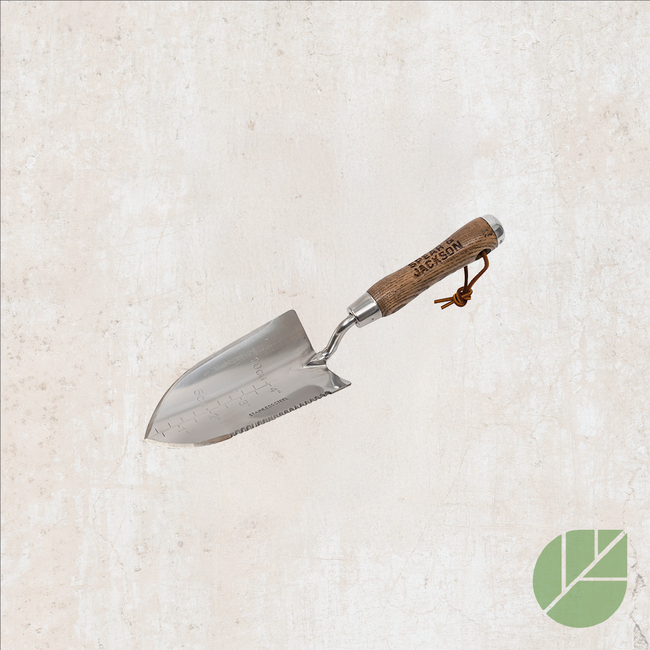
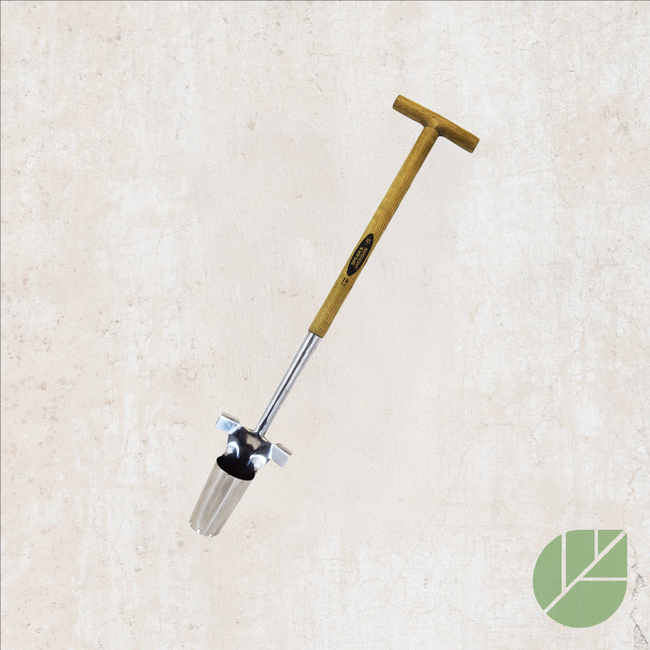
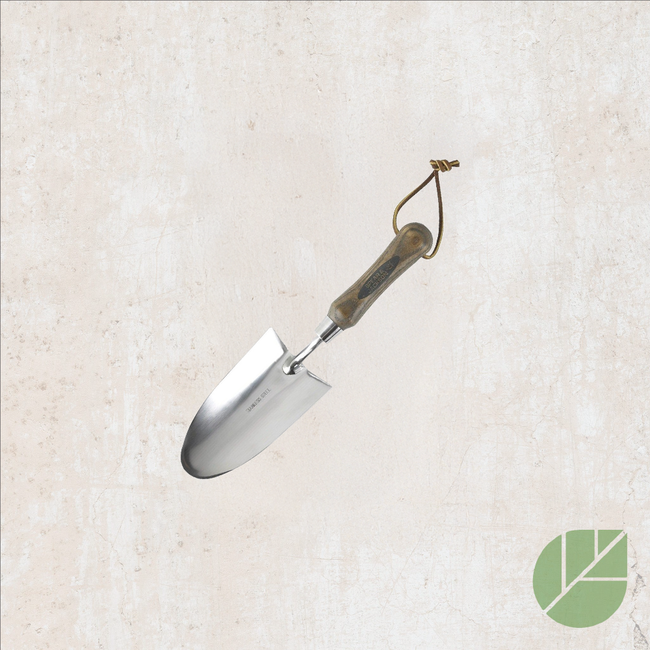
Bulb planters and planting tools
Shop the collection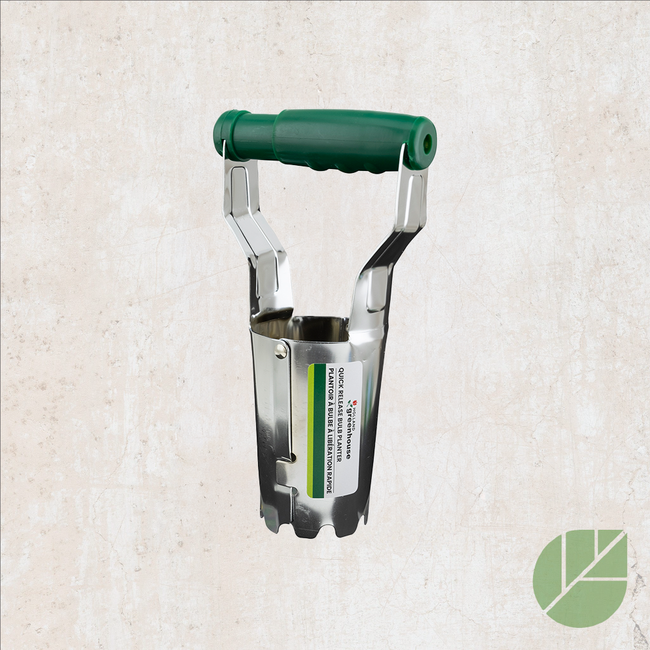
Soils and amendments for bulbs
Shop the collection