Sale
Sold out

Cormes
Iridaceae
Single Freesia Mix (Freesia hybrids)
Freesia hybrida
This Van Noort packet contains ten 6/+ corms of fragrant single freesias in various colours. The open clusters rise 30 cm (12 in.) above narrow leaves and are suitable for pots, borders, and cutting. Plant 5 cm (2 in.) deep in spring, support the stems, keep the soil moist but well-drained, and protect the corms from frost. Corms require consistent drainage. Light support preserves the grace of the flower stalks. Regular harvesting prolongs the fragrant pleasure. Leaves nourish the corm until yellowing. Corms require consistent drainage. Light support preserves the grace of the flower stalks. Regular harvesting prolongs the fragrant pleasure.
- Quantity
- 10 corms
- Exposure
- Sunlight in partial shade
- Life cycle
- Tender perennial
- Hardiness
- Zone 9
Discover the plant
Common nameFreesia
FamilyIridaceae
GenusFreesia
TypeCormes
Botanical nameFreesia hybrida
Reproducible seedsYes
Mixed Single Freesia (Freesia hybrids) offers ten prepared corms whose single, funnel-shaped flowers fully reveal their elegant lines and characteristic fragrance. The mix brings together several luminous colors, including white, yellow, orange, mauve, pink, and red, arranged in unilateral clusters on slender arched stems. Narrow green leaves form a neat fan at the base. The Van Noort size 6/+ packet produces upright clumps of approximately 30 cm (12 in) tall by 10 cm (4 in) wide. This light silhouette is suitable for pots, fragrant borders, and bouquets where each single flower maintains a clear presence. Corms require constant drainage. Light support preserves the grace of the flower stalks.
Plant corms in spring after frosts, pointed end up, 5 cm (2 in) deep and 10 cm (4 in) apart. Choose fertile, light, freely draining soil in full sun or very bright partial shade. Water gently after planting, then water regularly without allowing water to stagnate. Arrange a few twigs or a small support early on so that the bud-laden stems remain elegant. When the first buds appear, apply a fertilizer with more potassium every two weeks. Several groups planted a few days apart can extend summer flowering and harvests. Corms require constant drainage.
Single flowers provide more open access for visiting insects than double forms, but their main value remains their fragrance and use as cut flowers. Harvest when the first bud shows its color; subsequent ones will bloom in the vase. Combine freesias with alyssum, lobelia, nigella, or fine grasses, without shading the foliage. Continue watering after flowering as long as the leaves are green. When they turn yellow, reduce water, lift the corms before frost, and let them dry. Store them in a cool, dry, frost-free place. Watch out for aphids, spider mites, fusarium wilt, and dry rot. Corms require constant drainage. Light support preserves the grace of the flower stalks.

Planting guide
Plant well.Grow beautifully.
Planting depth
2 in (5 cm)
Best planting time
April to May depending on local climate
Propagation
Separation of secondary corms during dormancy
Growing method
Loosen fertile, well-draining soil in a bright location protected from strong winds. After the last frost, plant prepared corms 5 cm (2 in) deep, pointed end up, spacing them 10 cm (4 in) apart. Water to moisten the area, then maintain consistent moisture without saturating. Early on, provide thin stakes or a small net to support the flower stalks loosely. When buds appear, fertilize every two weeks with a potassium-rich feed. Cut stems when the first flower begins to open. Afterwards, allow the leaves to remain green; once they yellow, lift, dry, and store the corms in a frost-free place. Corms require constant drainage. Light support preserves the grace of the flower stalks. Regular harvesting extends the fragrant pleasure. Leaves nourish the corm until they yellow. Corms require constant drainage. Light support preserves the grace of the flower stalks. Regular harvesting extends the fragrant pleasure. Leaves nourish the corm until they yellow. Corms require constant drainage. Light support preserves the grace of the flower stalks. Regular harvesting extends the fragrant pleasure. Leaves nourish the corm until they yellow. Corms require constant drainage. Light support preserves the grace of the flower stalks. Regular harvesting extends the fragrant pleasure.
Soil and care
The right care,at the right time.
Soil pH
Neutral to slightly acidic
Minimum temperature
5 °C (41 °F)
Care level
Easy
Watering
Water regularly to keep the soil slightly moist without overwatering. Gradually reduce watering when the plant enters dormancy. Water gently after planting, then water regularly without letting water stagnate. Early on, provide some twigs or a small support so that the stems laden with buds remain elegant. Continue watering after flowering as long as the leaves are green. When they turn yellow, reduce watering, lift the corms before frost and let them dry.
Soil type
Light, fertile, and perfectly drained soil enriched with compost. Avoid heavy or constantly wet soils. Observe your site after rain to identify areas where water remains on the surface for a long time. Work with well-drained soil: working with soggy soil risks compacting it around the roots. Adapt amendments to the actual texture of the ground, without systematically adding sand or fertilizer.
Fertilization
Before planting, add a small amount of mature compost. When buds form, apply a liquid fertilizer higher in potassium every two weeks at a low dose. Too much nitrogen elongates the flower stalks and makes them fragile. Stop fertilizing when flowering ends and the foliage begins to yellow. Corms require constant drainage. Light support preserves the grace of the flower stalks. Regular harvesting prolongs the fragrant pleasure.
Seasonal care
In spring, plant the ten prepared corms 5 cm (2 in) deep after the frost and provide light support. Keep the soil evenly moist during emergence. In early summer, check pots frequently, improve ventilation, and apply a potassium-rich fertilizer as soon as buds appear. Harvest flower stalks or remove spent flowers, while retaining the leaves. Monitor for aphids, spider mites, Fusarium wilt, and dry rot. When the foliage yellows, gradually reduce watering. Before the autumn frost, lift the corms, allow their surface to dry, separate detachable cormels, and place everything in breathable packaging, in a cool, dry, and frost-free location. Corms require constant drainage. Light support preserves the grace of the flower stalks. Regular harvesting prolongs the fragrant pleasure. Leaves nourish the corm until yellowing. Corms require constant drainage. Light support preserves the grace of the flower stalks. Regular harvesting prolongs the fragrant pleasure. Leaves nourish the corm until yellowing. Corms require constant drainage. Light support preserves the grace of the flower stalks. Regular harvesting prolongs the fragrant pleasure. Leaves nourish the corm until yellowing. Corms require constant drainage. Light support preserves the grace of the flower stalks. Regular harvesting prolongs the fragrant pleasure. Leaves nourish the corm until yellowing. Corms require constant drainage. Light support preserves the grace of the flower stalks. Regular harvesting prolongs the fragrant pleasure.
Container growing
A garden,within reach.
Recommended pot size
25 to 30 cm (10 to 12 in) pot for five to ten corms
Container gardening requires planning for the necessary volume for the roots and the plant's final height. Choose a stable pot with drainage holes and a suitable planting medium. Leave enough space to respect the recommended depth and spacing, rather than crowding plants to fill the pot immediately. Place the container in the indicated exposure and regularly check the moisture, especially in hot or windy weather. A pot is more exposed to temperature variations than planting in the ground. Therefore, plan for a wintering location from the start that is compatible with the plant's needs and your region's climate. Plant corms in spring after frosts, pointed side up, 5 cm (2 in) deep and 10 cm (4 in) apart. Choose fertile, light, well-drained soil in full sun or very bright partial shade. Moisten gently after planting, then water regularly without letting water stagnate. Early on, provide some twigs or a small support so that the bud-laden stems remain elegant. When the first buds appear, apply a potassium-focused fertilizer every two weeks. Several groups planted a few days apart can extend summer flowering and harvests. Corms require constant drainage. In winter, protect the container according to the plant's needs: its roots are more exposed to cold than in open ground.

Bloom and dimensions
Its place,in your garden.
Mature height
12 in (30 cm)
Width / spread
3 to 4 in (8 to 10 cm)
Flower color
White, yellow, orange, mauve, pink, and red mix
Foliage color
Medium green
Foliage type
Null and void
Growth rate
Quick
Bloom period
Summer bloom of fragrant single flowers in a vibrant mix of colors. Freesia Single Mix (Freesia hybrida) offers ten prepared corms whose single, funnel-shaped flowers fully reveal their elegant lines and characteristic fragrance. Early on, provide a few branches or a small support so that the bud-laden stems remain elegant. Several groups planted a few days apart can extend summer blooming and harvests.

Garden associations
In goodcompany.
Companion plants
To accompany Freesia simple Mélange, you can consider plants chosen for compatible exposure and water needs. Select neighboring varieties based on their height, flowering period, and the colors you wish to combine. Above all, ensure that their exposure and water requirements are suitable for the same location. Maintain enough distance so that leaves do not obscure young shoots and to easily access each plant during maintenance. These associations are for designing the garden’s aesthetic; they do not guarantee protection against pests or diseases. Adjust the layout after observing one growing season.
Frequently asked questions
Your questions,answered.
When to plant Mixed single Freesia?
Plant prepared corms in the spring after the last frost, in soil that has begun to warm up. Plant them 5 cm (2 in.) deep, point up, spacing them 10 cm (4 in.) apart according to Van Noort. Choose a location with full sun or very bright partial shade, sheltered from the wind. Water gently after planting and install a light support right away. Prepared corms are designed to bloom in their first summer. In cold regions, a movable pot allows you to move the shoots closer to shelter if a cool night threatens. Corms require consistent drainage. A light support preserves the grace of the flower stalks.
Do simple flowers attract pollinators?
Their open corollas and visible stamens generally offer easier access than very full double flowers. Bees or other insects can therefore visit single flowers. However, a horticultural mix of freesias should not be the garden's sole resource. Plant local species and simple, nectar-rich annuals with complementary flowering periods nearby. Avoid pesticides during opening. Leave some stems in the garden even if you are harvesting bouquets and provide a shallow water source. This diversity will make the space more useful throughout the season. Corms require consistent drainage. Light support preserves the grace of the stems.
How do you make freesias last longer in a vase?
Cut in the early morning when the first bud of the cluster begins to open and the following ones show their color. Use a clean tool, immediately place the stems in fresh water, and remove submerged leaves. Lightly recut the base at an angle, change the water frequently, and wash the vase between refills. Keep the bouquet in a cool room, away from direct sunlight, heat sources, and ripe fruit. The buds will continue to open. Do not remove all the leaves from the plant, as those remaining must nourish the corm until it naturally yellows. Corms require constant drainage. Light support preserves the grace of the flower stalks.
How to store corms in Quebec?
After flowering, continue moderate watering as long as the foliage is green. When it turns yellow, reduce and then stop watering. Lift the corms before frost, gently shake off loose soil, and allow their surface to dry in a well-ventilated area. Separate only the small corms that detach easily. Place them in a paper bag or breathable container, clearly labeled, in a cool, dry, and frost-free place. Inspect monthly and discard any soft or moldy pieces. Prepared corms may follow a different schedule in their second season. Corms require consistent drainage. Light support preserves the grace of the flower stalks. Regular harvesting prolongs the fragrant delight.
Why do the flower stalks lean over?
Weak stems can result from lack of light, excessive heat, too much nitrogen, irregular watering, or lack of support. Provide full sun or very bright light with moving fresh air. Install twiggy branches or a low net before elongation, then turn pots weekly. Keep the soil evenly moist without waterlogging and fertilize moderately, with more potassium once buds appear. Protect pots from gusts and heavy rain. Only tie leaning flower stalks with a soft tie to avoid strangulation. Corms require consistent drainage. Light support preserves the grace of the flower stalks. Regular harvesting prolongs the fragrant enjoyment.
Wildlife and pets
Life,around your plants.
Supporting wildlife
Single flowers present their stamens more easily to visiting insects than double freesias. They can complement a pollinator-friendly garden, without replacing highly nectar-rich local species. Add alyssum, dwarf cosmos or other nearby single flowers to provide a more continuous resource throughout the season.
For planting your bulbs
The right extras.Right here.
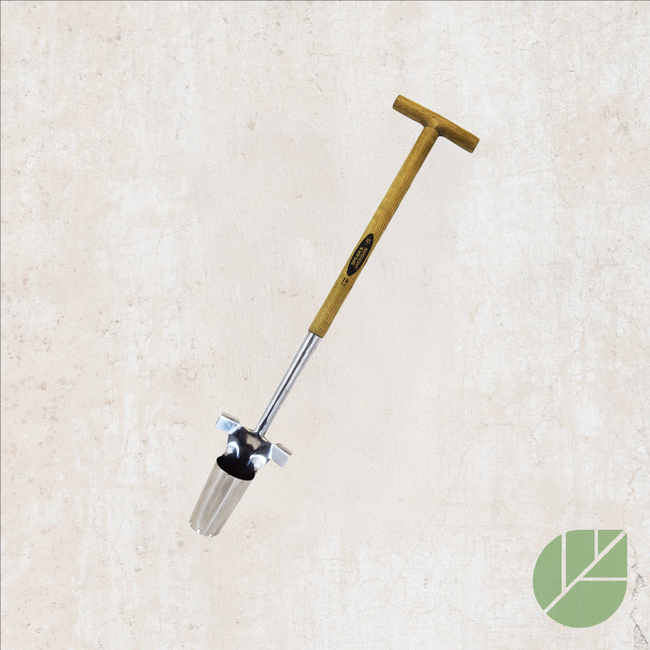
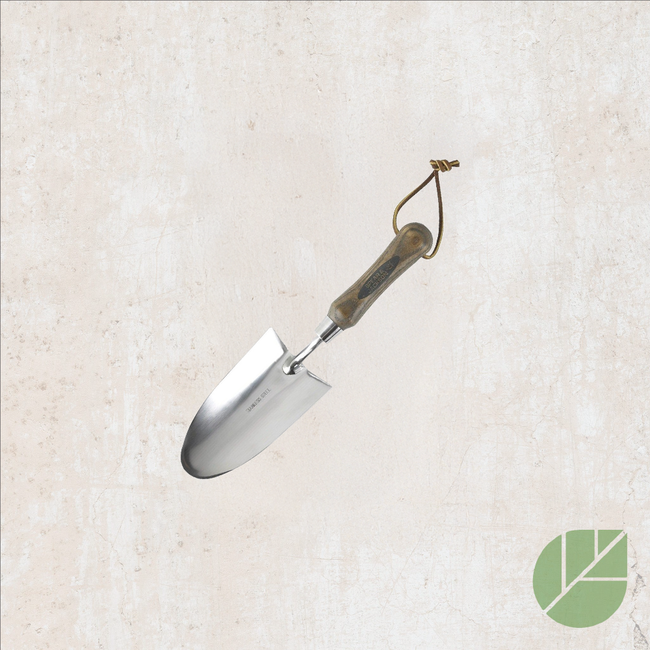
Bulb planters and planting tools
Shop the collection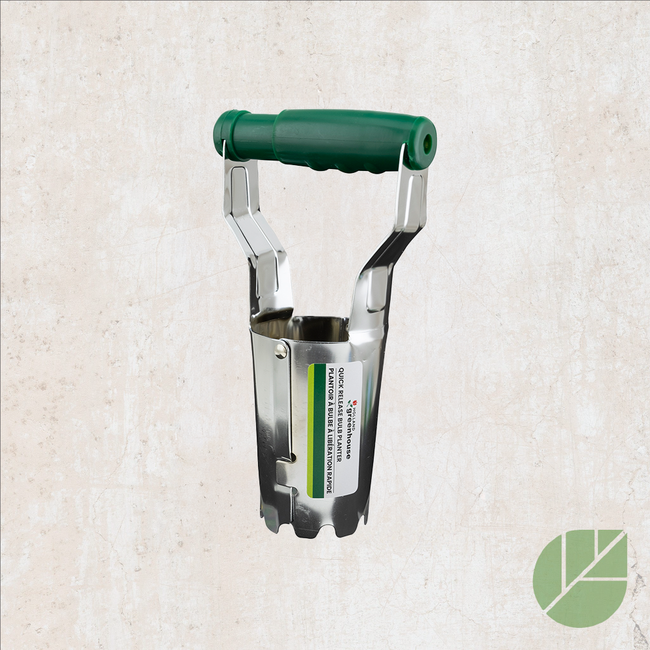
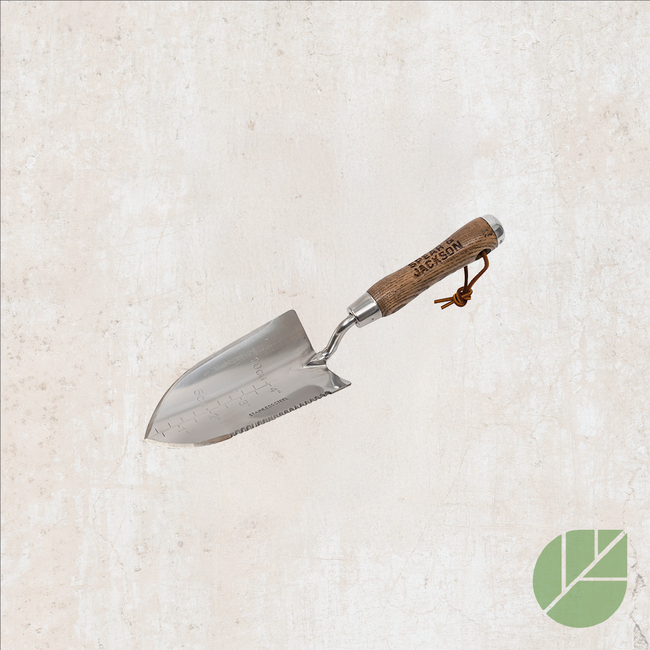
Soils and amendments for bulbs
Shop the collection