Sale
Sold out

Summer-flowering perennial corms
Iridaceae
Hardy gladiolus mix for borders, bouquets, and pollinators
Byzantine gladiolus
Gladiolus × byzantinus
Gladiolus × byzantinus is a hardy cormous gladiolus reaching about 90 cm. Green sword-shaped leaves accompany upright spikes of deep magenta funnel-shaped flowers with paler markings. Bloom occurs from late spring into early summer. Plant the ten Van Noort corms in early spring, 10–15 cm deep and 10 cm apart, in full sun and freely drained soil. The RHS rates it H5, without an automatic equivalent Canadian zone. Use it in borders, gravel gardens, wildflower meadows, and cut-flower plantings. Allow foliage to yellow naturally after bloom. In colder climates, test a protected site or use containers rather than assuming winter survival.
- Quantity
- 10 corms; size to confirm
- Exposure
- Full sun in a warm sheltered position
- Life cycle
- Hardy perennial
Discover the plant
Common nameByzantine gladiolus
FamilyIridaceae
GenusGladiolus
Species× byzantinus
TypeSummer-flowering perennial corms
Botanical nameGladiolus × byzantinus
Reproducible seedsYes
Byzantine gladiolus (Gladiolus × byzantinus) is an upright cormous perennial reaching about 90 cm. Green sword-shaped leaves rise almost as high as the flowering stems. From late spring into early summer, erect spikes carry numerous deep magenta funnel-shaped flowers about 5 cm wide, with paler markings on the tepals. Kew accepts the hybrid name Gladiolus × byzantinus and treats Gladiolus communis subsp. byzantinus as a synonym; the RHS still uses that familiar horticultural name and gives it both an Award of Garden Merit and an H5 hardiness rating. Its slender form looks more natural than large-flowered summer gladioli.
Plant the ten Van Noort corms in early spring in a warm, sheltered position with full sun. The RHS recommends a depth of 10 to 15 cm and spacing of about 10 cm. Choose light, freely drained soil; loam, sand, or chalk at any pH is suitable when water never stagnates. Water after planting if the ground is dry, then maintain moderate moisture during active growth without saturating the corms. Avoid heavy, cold winter soil. After flowering, allow foliage to yellow naturally. In climates colder than the H5 rating, grow in containers or experiment in a protected microclimate instead of assuming unsupported winter survival outdoors.
Plant Byzantine gladiolus in groups in a sunny border, gravel garden, wildflower meadow, or cottage garden. Its magenta spikes combine with sages, catmints, yarrows, bearded irises, and fine grasses while providing excellent cut flowers. The hybrid can naturalize by producing cormlets where drainage and climate are suitable. Stake only groups exposed to wind because stems are naturally upright. Separate cormlets during dormancy if a colony becomes overcrowded. Ornamental corms must not be eaten and may harm pets; wear gloves while handling and keep them out of reach. Watch for gladiolus thrips, aphids, slugs, corm rots, grey mould, Fusarium, scab, leaf spot, and virus symptoms.

Sowing guide
It all startswith a seed.
Sowing depth
10 to 15 cm (4 to 6 in)
Spacing / density
10 cm between corms
Sowing period
May to June in Quebec, once soil has warmed
Propagation
Corms and separation of cormlets during dormancy
Growing method
Plant the corms in early spring in a warm, sheltered position with full sun. Loosen soil to at least 20 cm and incorporate fine gravel where drainage is slow. Set each corm 10–15 cm deep with the point upward and about 10 cm between plants. Arrange all ten in irregular clusters or two staggered rows so the slender stems support one another visually. Water after planting when soil is dry, then maintain moderate moisture during rooting and active growth without saturating the ground. Mature compost is sufficient; avoid high-nitrogen feeding that encourages weak stems. Add discreet support only in windy positions. Remove faded spikes above the leaves but allow all foliage to yellow. In a compatible H5 site, leave corms in drained ground; elsewhere, test a small group or keep part of the batch in protected containers. Check emerging shoots after heavy rain and gently loosen any crusted surface soil. Label the group because foliage disappears during dormancy. Permanent placement reduces damage to cormlets and encourages more regular flowering over time. Keep vigorous roots and dense groundcovers away from the planting pocket so the corms receive sun, airflow, and adequate moisture without competition.
Soil and care
The right care,at the right time.
Soil pH
Acid, neutral, or alkaline
Minimum temperature
RHS H5 (-15 to -10°C under the RHS system)
Care level
Moderate
Watering
After planting, water to settle the soil, then wait for shoots before increasing irrigation. During active growth and flowering, provide approximately 2.5 cm (1 in) of water weekly when rain is absent. Water at soil level in the morning and let the surface drain. Reduce moisture gradually after bloom so corms mature before dormancy. Consistent moisture supports even spikes. Containers may need more frequent checks during hot, windy weather.
Soil type
Choose light, freely drained soil in full sun. Loam, sand, or chalk at any pH is suitable when excess water drains quickly. Avoid cold saturated clay, especially during dormancy. In a borderline climate, the base of a south- or west-facing wall creates a warmer sheltered microclimate and reduces winter moisture around the corms. Add fine gravel where necessary to improve soil structure and protect dormant corms from prolonged winter wetness.
Fertilization
Incorporate mature compost before planting. When shoots reach 10 to 15 cm (4 to 6 in), apply balanced slow-release fertilizer or a half-strength liquid feed. Repeat once as buds begin forming. Avoid excess nitrogen, which promotes foliage and weak stems at the expense of flowers and the corm’s stored energy. Stop feeding after bloom so foliage can mature naturally and corms can enter dormancy with firm, well-ripened tissues.
Moisture
Maintain moderate, even moisture through establishment, active growth, and flowering without leaving corms in saturated soil. Rapid drainage is essential for winter hardiness, especially in a borderline H5 site. Reduce irrigation as foliage yellows. Light mulch conserves summer moisture, but keep it away from emerging shoots to preserve airflow and prevent crown rot after prolonged rain or repeated winter thaws in Quebec gardens.
Seasonal care
In early spring, inspect corms and discard those that are soft, badly shrivelled, or spotted. Prepare a full-sun site where water drains quickly, then plant 10–15 cm deep and 10 cm apart. Mark the group so shoots are not disturbed. During growth, weed by hand, water when the surface dries, and keep mulch light. Mature compost or a low dose of balanced fertilizer at emergence is sufficient. Watch for thrips, aphids, and slugs; remove badly affected tissue and avoid wetting foliage in the evening. Support only stems exposed to wind. For bouquets, cut a spike as the first flowers open while retaining as many leaves as possible. After bloom, remove faded spikes, reduce water gradually, and allow foliage to yellow completely. In a compatible H5 site, clear dead leaves and leave corms in drained ground. In colder climates, divide the batch: test several corms under dry protection and store containers frost-free. Separate cormlets during dormancy if the colony becomes crowded, clean tools, and never replant diseased corms. During winter, avoid piling wet material over the planting area. Check stored containers monthly and remove any soft corm immediately. In spring, return containers gradually to brighter light and resume watering only when growth begins. Refresh drainage channels after snowmelt, mark surviving outdoor clumps, and compare their performance with the protected group before deciding how much of the next batch to leave in the ground.
Container growing
A garden,within reach.
Recommended pot size
35 to about 90 cm (14 to 16 in) wide and at least 10 cm (12 in) deep for 10 corms
For ten corms, choose a heavy container at least 40 cm wide and 35 cm deep with several drainage holes. Blend quality potting mix with mature compost and about one-quarter pumice, coarse perlite, or fine gravel. Set corms 10–12 cm deep and 8–10 cm apart, then water if the mix is dry. Place the pot in full sun sheltered from prevailing wind, and insert a support ring before stems lengthen when needed. During growth, water when the upper 3 cm dries and feed lightly at emergence and again as buds form. Retain every leaf after flowering. As foliage yellows, reduce and then stop watering. In a compatible H5 climate, protect the pot from excessive rain and freeze-thaw cycles. In colder regions, move the container into a cool, dark, frost-free space. The following spring, replace part of the mix, separate cormlets, and replant only firm healthy corms. Check drainage holes after every heavy rain and empty the saucer promptly. Label the pot with the botanical name and planting date. A thin gravel surface layer stabilizes the stems without retaining excessive moisture around shoots. Keep the container away from roof runoff and rotate it weekly so all spikes receive balanced light. Inspect corms before replanting and discard any showing softness, mould, or sunken lesions.

Bloom and dimensions
Its place,in your garden.
Mature height
About 90 cm (35 in)
Width / spread
Less than 10 cm per corm; wider colony over time
Flower color
Deep magenta with paler markings
Foliage color
Green
Foliage type
Deciduous, narrow, upright, and sword-shaped
Growth rate
Moderate
Growth habit
Upright, columnar, and clump-forming
Fragrance
Light or absent; grown primarily for colour
Bloom period
From late spring into early summer, upright spikes carry numerous deep magenta funnel-shaped flowers. Each bloom is about 5 cm wide and shows paler markings on the tepals. Green sword-shaped leaves rise almost as high as the stems and strengthen the vertical silhouette. Cut several spikes as the first buds open, or leave them to animate a sunny border, gravel garden, or naturalistic meadow planting.

Garden associations
In goodcompany.
Companion plants
Choose dahlias, compact cannas, salvias, verbenas, cosmos, zinnias, and fine grasses that share a preference for sun, warmth, and draining soil. Purple or bronze foliage echoes the dark flower throat, while blue blooms provide a cool contrast. Avoid bog plants and dense groundcovers that trap moisture around corms or complicate cormlet division. Yarrows and bearded irises extend the early-summer display around the spikes. Leave open soil around each cluster so lifting tools can enter without damaging neighbouring crowns, and maintain clear airflow during humid weather.
Frequently asked questions
Your questions,answered.
How deep and in which direction should the corms be planted?
Set each corm 8 to 10 cm (3 to 4 in) deep, with the small point or bud facing upward and the flatter base downward. Leave approximately 10 to 15 cm (4 to 6 in) between units and cluster all 10 for a visible effect. If orientation is difficult to recognize, place the corm on its side; the shoot will turn upward naturally. Wait until soil is warm and frost danger has passed. In heavy ground, add fine gravel or plant on a slight mound. Water after planting, then only moderately until leaves appear to reduce the risk of rot. Mark the group clearly after planting because emergence may be later than nearby annuals.
Must Gladiolus × byzantinus be lifted every fall in Quebec?
The RHS rates this gladiolus H5 and describes it as a hardy type that can remain in the ground in a sunny, freely drained position. That rating belongs to the British system and does not convert directly to a Canadian zone. In many cold Quebec regions, winter survival therefore remains uncertain, especially in heavy or wet soil. To reduce risk, plant deeply beside a warm wall, apply dry winter protection, or grow several corms in containers that can be stored frost-free. You may also leave a small group outdoors as a local trial. Lift the corms if you want to preserve the entire batch without accepting this climatic uncertainty.
How should corms be stored through a Canadian winter?
After flowering, remove faded spikes but let leaves yellow so reserves return to the corm. In a sunny, freely drained site compatible with H5, clear dead foliage and leave corms in the ground. In a colder climate or wet soil, lift them after yellowing, dry them briefly, and store them in a paper bag or ventilated box in a cool frost-free place. Inspect them during winter and remove any soft or mouldy piece. Separate cormlets without injuring their base and label the batch clearly before spring replanting. Never seal damp corms in plastic or expose them to heated household air.
How can strong stems be produced for bouquets?
Provide at least six hours of sun, fertile soil without excess nitrogen, and consistent moisture while stems elongate. In a windy site, install a support ring early, before spikes bend. Harvest when the first bud shows colour or begins opening. Work in the morning with a clean tool and leave several leaves on the plant so the corm retains vigour. Recut the base under water, remove only leaves that would be submerged, and place the stem in a clean vase. Change water every two days; upper buds generally continue opening and releasing colour. Keep the arrangement away from direct heat and ripening fruit.
Is byzantinus gladiolus safe around pets?
Every part of Gladiolus × byzantinus is grown as an ornamental and must not be eaten. The RHS also warns of harm to pets if ingested. Corms present particular concern, but leaves and flowers are not intended for consumption. Keep packages, stored corms, and planting debris beyond the reach of children and animals. Wear gloves if handling irritates your skin. If ingestion is suspected and drooling, vomiting, diarrhea, weakness, or abdominal pain develops, promptly contact a veterinarian or poison centre and provide the name Gladiolus × byzantinus. Do not induce vomiting or offer treatment unless a qualified professional gives specific instructions.
Wildlife and pets
Life,around your plants.
Attracts birds
Yes
Reported toxicity
Yes
Supporting wildlife
Star-shaped flowers may attract daytime butterflies and some long-tongued pollinators, while evening colour signals blooms to insects active near dusk. This contribution is complementary within a diverse garden. Avoid insecticides, retain several uncut spikes, and grow nearby nectar plants with more accessible flowers to support a broader range of visitors.
For planting your bulbs
The right extras.Right here.
Bulb planters and planting tools
Shop the collection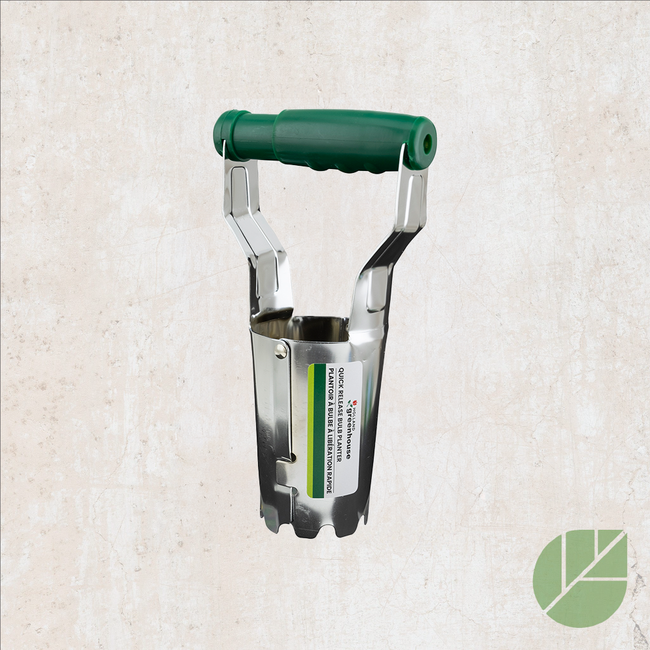
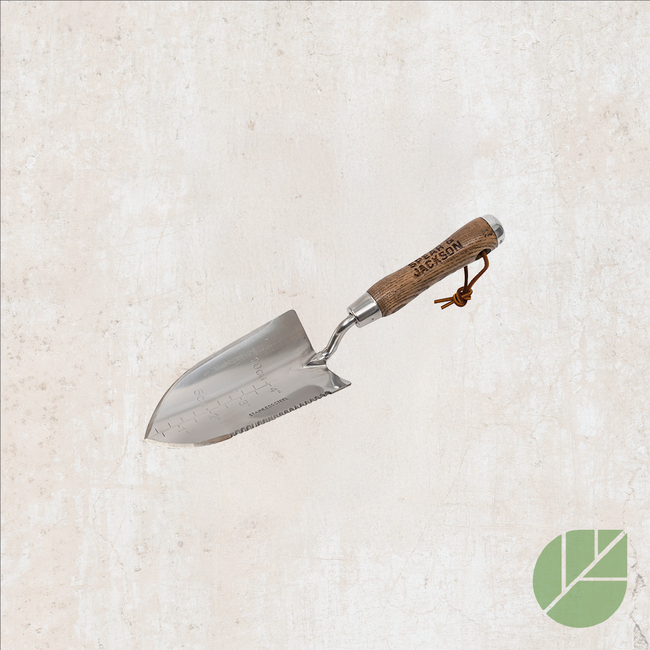
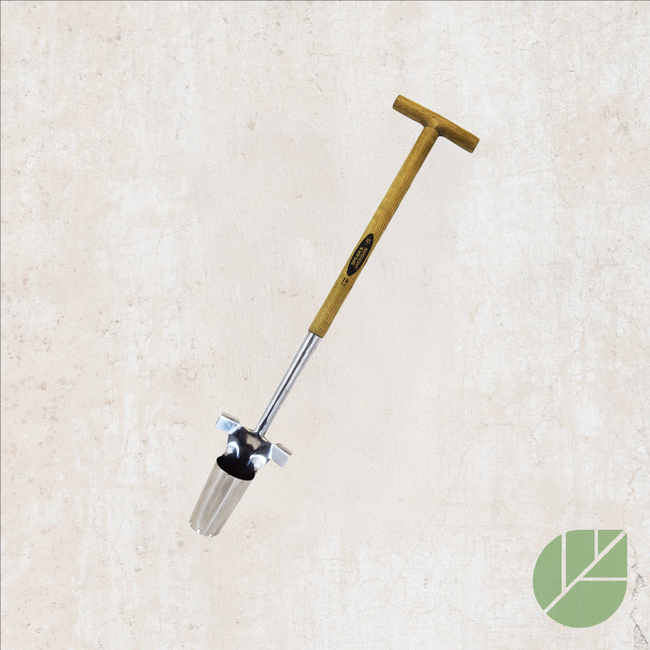
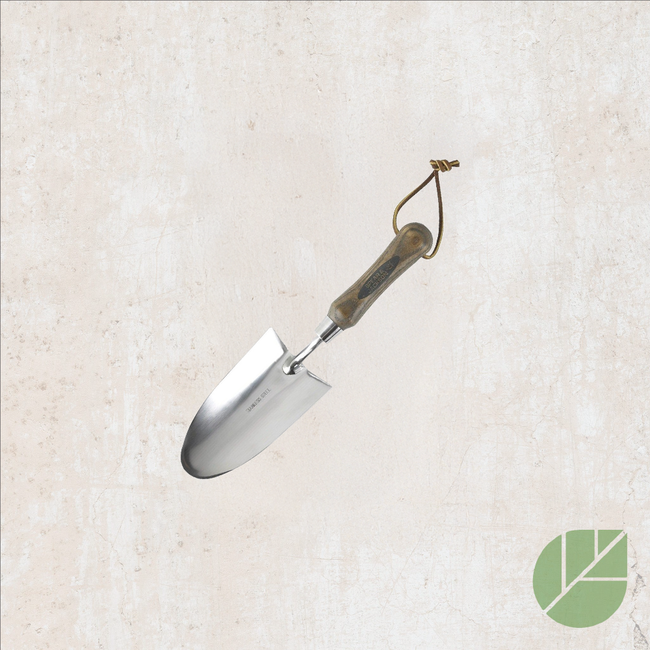
Soils and amendments for bulbs
Shop the collection