Sale
Sold out

Tuber of a tropical climbing perennial
Colchicaceae
Tropical tuberous climber for trellises and containers
Rothschild’s glory lily
Gloriosa superba ‘Rothschildiana’
Product code : VAN-325-760-01
Rothschild’s glory lily is a tropical tuberous perennial in the Colchicaceae family, grown as an annual in Quebec. Its single tuber produces climbing stems about 150 cm long that attach to support with tendrils at the leaf tips. In summer, crimson-red flowers edged in yellow open ruffled, strongly reflexed petals around long projecting stamens. Grow it in full sun or bright partial shade in rich, freely drained soil. Bring the tuber indoors before frost and store it dry. The entire plant is highly poisonous; wear gloves and keep it away from children and pets. This tropical climbing plant rewards careful support.
- Quantity
- 1 tuber
- Exposure
- Full sun to bright partial shade
- Life cycle
- Tropical tuberous perennial grown as an annual in Quebec
Discover the plant
Common nameRothschild’s glory lily; climbing lily; flame lily
FamilyColchicaceae
GenusGloriosa
Speciessuperba
CultivarRothschildiana
TypeTuber of a tropical climbing perennial
Botanical nameGloriosa superba ‘Rothschildiana’
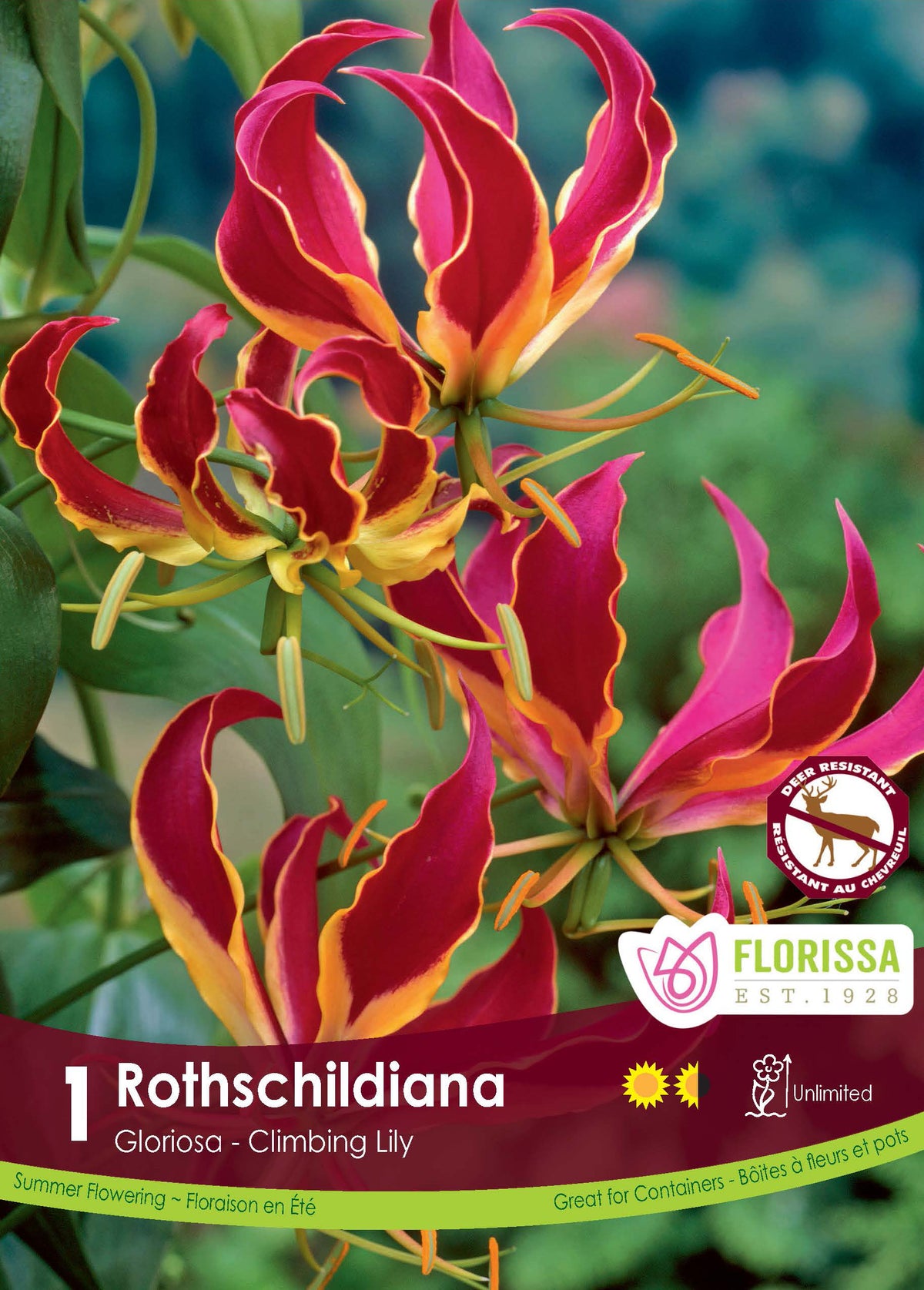
Rothschild’s glory lily (Gloriosa superba ‘Rothschildiana’) produces spectacular summer flowers with narrow, ruffled, strongly reflexed crimson-red petals edged in yellow. Long projecting stamens intensify their flame-like appearance. Flexible stems climb with tendrils formed at the tips of green leaves and reach about 150 cm, spreading roughly 50 cm. This tropical tuberous perennial in the Colchicaceae family is grown as an annual or patio plant in Quebec. The single Van Noort tuber quickly creates an exotic focal point on a trellis, small arch, or vertical support installed in a warm, bright container. Its unusual flowers remain visible from a distance and give protected summer spaces a distinctly tropical character.
Plant the tuber in spring after the last frost once soil and nights are warm. Handle it gently because the growing tip is fragile. Lay it horizontally about 5 cm deep in fertile, light, freely drained soil, then install a trellis immediately. Choose full sun or bright partial shade with shelter from cold winds. Water moderately at first, then maintain even moisture during active growth without allowing water to stand. Tie young stems loosely until their tendrils find the support. In containers, use a stable pot at least 30 cm wide with several open drainage holes and an enriched but airy potting mix. Never cut or divide the tuber casually, because damaged tissue may rot and every part is poisonous.
Flowering occurs in summer and may continue while warmth remains steady. Remove faded flowers if seed capsules are not wanted, but retain foliage until it yellows naturally. In fall, gradually stop watering, lift the tuber before frost or move the pot indoors, then keep it dry, warm, and frost-free during dormancy. Combine glory lily with compact cannas, coleus, ornamental morning glories, and fine grasses without letting companions smother its support. Every part, especially the tuber and seeds, is highly toxic because it contains colchicine. Wear gloves, avoid all contact with the mouth, and keep the plant away from children and pets. Seek urgent professional advice if ingestion is suspected.

Planting guide
Plant well.Grow beautifully.
Planting depth
About 10 cm
Spacing / density
Space 10 to 15 cm apart
Best planting time
May to June in Quebec, once soil has warmed
Propagation
Careful tuber division only when a distinct growing point is present
Growing method
Plant the tuber in spring after all frost danger has passed and the growing medium is thoroughly warm. Wear gloves, support its full length, and avoid breaking the fragile growing point. Lay it horizontally about 5 cm deep in rich, light, freely drained soil. Install a fine trellis or canes joined with string at the same time. Water lightly until emergence, then maintain even moisture without standing water. Guide stems with soft ties until tendrils grasp the support. Place the plant in full sun or very bright partial shade, sheltered from cold wind. In a container, choose a stable pot at least 30 cm wide with several open drainage holes. Feed moderately during growth and watch for aphids, spider mites, slugs, and any softening of the tuber. Remove faded flowers when seed is not wanted, but keep green foliage. As leaves yellow, reduce and then stop watering. Before frost, bring the pot indoors or lift the tuber gently. Dry it, label it as poisonous, and keep it dry, ventilated, and frost-free until the following spring. Store it separately from edible roots and bulbs, and inspect it monthly without excessive handling.
Soil and care
The right care,at the right time.
Soil pH
Acid, neutral, or alkaline
Minimum temperature
Avoid frost; lift before hard freezes
Care level
Moderate
Watering
Water sparingly after planting until shoots emerge. During active growth, water deeply when the potting-mix surface begins to dry, then allow excess moisture to drain completely. Never leave the tuber standing in water. Gradually reduce irrigation as foliage yellows, then keep the tuber dry throughout winter dormancy. Resume cautiously only when warm spring growth becomes visible. Always adjust frequency to temperature, wind, and the container’s actual volume and drainage.
Soil type
Choose humus-rich, light, freely drained soil whose structure remains airy after watering. A blend of potting mix, mature compost, and perlite works well in containers. Avoid compact clay, water-filled saucers, and any site where moisture collects because the fleshy tuber rots quickly in cold, saturated substrate. Warm soil supports prompt, even shoot emergence. Renew compacted mix and always confirm that drainage holes remain open before planting the tuber.
Fertilization
Begin feeding after stems and leaves are well established. Apply a balanced liquid fertilizer every two to three weeks, diluted according to its label, then favour a slightly higher-potassium formula as buds approach. Avoid strong doses and excess nitrogen, which encourage abundant foliage at the expense of flowers and produce softer growth. Stop feeding as dormancy begins. Water the mix first whenever it has become very dry.
Moisture
Moderate, steady ambient humidity supports healthy foliage, but sufficient air circulation remains essential. Avoid keeping leaves and flowers constantly wet, especially in cool weather. Indoors or under cover, space plants and ventilate the area. The priority is freely drained, never waterlogged substrate combined with stable warmth during active growth and a much drier dormant period. Check regularly for early signs of rot or foliar disease.
Seasonal care
In spring, wear gloves and check that the tuber is firm, healthy, and has an intact growing point. Lay it horizontally about 5 cm deep in warmed, rich, freely drained mix. Install a fine trellis immediately so roots are not injured later. Water sparingly until the shoot appears, then increase moisture gradually. Guide young stems with soft ties and watch for aphids, spider mites, and slugs. Through summer, maintain even moisture without standing water, feed moderately, and remove faded flowers when seed is not wanted. Keep every healthy leaf so it can replenish the tuber. As cold nights approach, stop feeding and reduce watering when foliage yellows. Before frost, move the pot indoors or lift the tuber gently. Let it dry, label it clearly as poisonous, and store it dry in a ventilated, frost-free place. Inspect monthly without unnecessary handling. The following spring, replant only when warmth and light are adequate. Clean tools after every task and keep all debris away from children and pets. Never store this poisonous tuber beside edible roots, bulbs, or food supplies. During heat waves, check the mix daily without watering automatically. Rotate one-sided containers and retie stems loosened by storms. Remove diseased foliage promptly in a closed bag, then disinfect tools before touching another plant. Record storage conditions and planting dates to improve care next season.
Container growing
A garden,within reach.
Recommended pot size
At least 30 cm (12 in) wide and deep, stable, drained, and fitted with a trellis
To grow all one tuber in a container, choose a heavy pot at least 40 cm wide and 35 cm deep with several drainage holes. Use quality potting mix blended with mature compost and coarse perlite. Set tubers pointed end upward about 10 cm deep and distribute them evenly. Water after planting, then whenever the surface begins to dry, never allowing water to remain in the saucer. Place the pot in full sun, shelter it from strong gusts, and rotate it to encourage straight growth. Add a discreet circular support before climbing stems lengthen. Apply a half-strength balanced fertilizer during active growth. Remove faded flowers but allow leaves to yellow, then stop watering. Before frost, move the container into a cool, dry place or lift the tubers and store them separately in frost-free conditions. Monitor moisture more closely on hot days because containers dry faster than garden soil. Water slowly until moisture exits the drainage holes, then empty the saucer. Move the pot away from walls that reflect excessive heat and inspect leaves regularly for thrips. During storage, keep the growing medium nearly dry to prevent rot, and ensure that air can circulate around the pot or lifted tubers.

Bloom and dimensions
Its place,in your garden.
Mature height
About 150 cm
Width / spread
About 50 cm
Flower color
Crimson red edged in yellow
Foliage color
Green
Foliage type
Deciduous, narrow, upright, and tendril-tipped
Growth rate
Moderate
Growth habit
Climbing and trailing, with tendril-bearing stems
Fragrance
Light or absent; grown primarily for colour
Bloom period
In summer, climbing stems carry flamboyant flowers with narrow, ruffled crimson-red petals edged in yellow and strongly reflexed backward. Long projecting stamens reinforce their flame-like outline. Green tendril-tipped leaves grasp the support and frame successive buds. Steady warmth, bright light, even moisture, and excellent drainage extend flower production through the season. Remove faded blooms if seed capsules are not wanted, while retaining healthy leaves until natural dormancy begins.
Garden associations
In goodcompany.
Companion plants
Choose dahlias, compact cannas, salvias, verbenas, cosmos, zinnias, and fine grasses that share a preference for sun, warmth, and draining soil. Purple or bronze foliage echoes the dark flower throat, while blue blooms provide a cool contrast. Avoid bog plants and dense groundcovers that trap moisture around tubers or complicate tuberlet division. Yarrows and bearded irises extend the early-summer display around the climbing stems. Leave open soil around each cluster so lifting tools can enter without damaging neighbouring crowns, and maintain clear airflow during humid weather.
Frequently asked questions
Your questions,answered.
How should the glory lily tuber be planted without damaging it?
Wear gloves and support the tuber along its full length because its growing tip breaks easily. Wait until soil is warm and all frost danger has passed. Lay it horizontally about 5 cm deep in light, rich, freely drained soil. Gently point the bud upward when it is visible without forcing it. Install the trellis at planting so the tuber is not pierced later. Water lightly to settle the soil, then let the surface dry slightly before watering again. Do not attempt to cut the tuber; every wound encourages rot and exposes you to poisonous plant sap. Keep the planting area warm, clearly labelled, and beyond the reach of children and pets throughout the growing season.
What support suits the climbing stems?
Install a fine trellis, small arch, vertical canes joined with string, or a circular support at planting time. Leaves end in delicate tendrils that wrap more easily around thin materials than thick posts. Guide young shoots with soft, loose ties without constricting the stems. Place the support away from strong gusts but in bright light. Check weekly that tendrils find a hold and stems do not become tangled. In a container, choose a heavy pot to prevent tipping when the plant reaches about 150 cm and carries several flowers. Keep the structure stable before active growth accelerates in warm weather.
How should a potted glory lily be watered and fertilized?
Water sparingly at first until shoots appear to reduce the risk of tuber rot. During active growth, water deeply when the upper few centimetres of potting mix begin to dry, then always empty the saucer. Apply diluted balanced fertilizer as stems lengthen, followed by a higher-potassium formula when flowering begins, using the label rate. Avoid excess nitrogen, which produces too many leaves. In late summer, gradually space watering as foliage yellows. Stop completely during dormancy and keep the tuber dry, warm, and ventilated until spring growth resumes. Never leave the potting mix saturated during cool weather. Resume gradually only after a new shoot appears in warmth.
How should the tuber be overwintered in Quebec?
Before frost, reduce watering and allow foliage to yellow naturally so the tuber enters dormancy. Wearing gloves, cut dry stems and lift gently without breaking the growing tip, or move the entire container indoors. Brush away loose soil and let it dry in a ventilated place. Store the tuber in paper, dry fibre, or nearly dry potting mix at a mild, steady temperature away from frost and moisture. Label it clearly as poisonous and keep it in a closed box beyond reach. Inspect monthly and carefully discard any tuber that becomes soft, spotted, or mouldy. Do not store it beside edible roots or food crops.
Why does glory lily require such careful handling?
Every part of Gloriosa superba contains colchicine and other highly poisonous alkaloids; the tuber and seeds are especially dangerous. Never taste the plant, use it as a home remedy, or store it near food. Wear gloves for planting, pruning, and overwintering, then wash tools and hands. Keep packages, debris, cut flowers, and tubers away from children and pets. If ingestion is suspected, do not induce vomiting; immediately contact a poison centre, physician, or veterinarian and provide the name Gloriosa superba. Any reaction after handling also deserves prompt professional advice. Keep the original label with the stored tuber. Dispose of plant debris securely, never in a place accessible to curious animals.
Wildlife and pets
Life,around your plants.
Attracts birds
Yes
Reported toxicity
Yes
Supporting wildlife
Funnel-shaped flowers may attract daytime butterflies and some long-tongued pollinators, while crimson red and yellow colouring signals blooms to insects active near dusk. This contribution is complementary within a diverse garden. Avoid insecticides, retain several uncut climbing stems, and grow nearby nectar plants with more accessible flowers to support a broader range of visitors.
For planting your bulbs
The right extras.Right here.
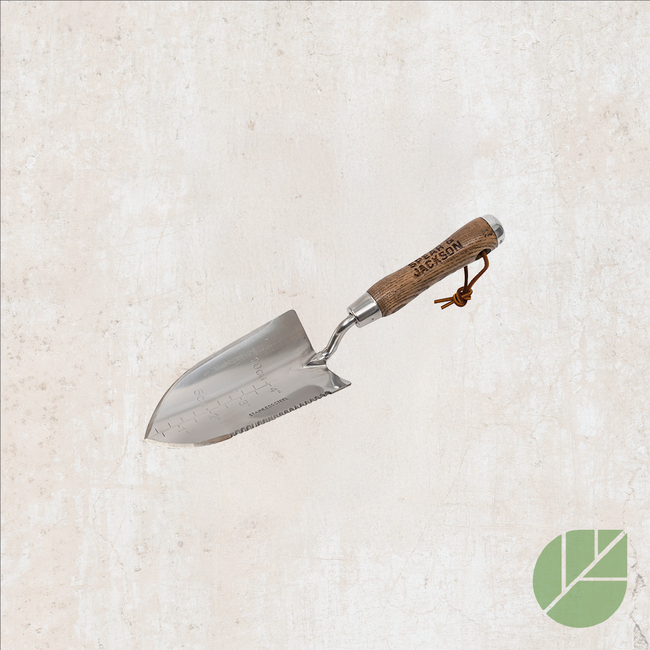
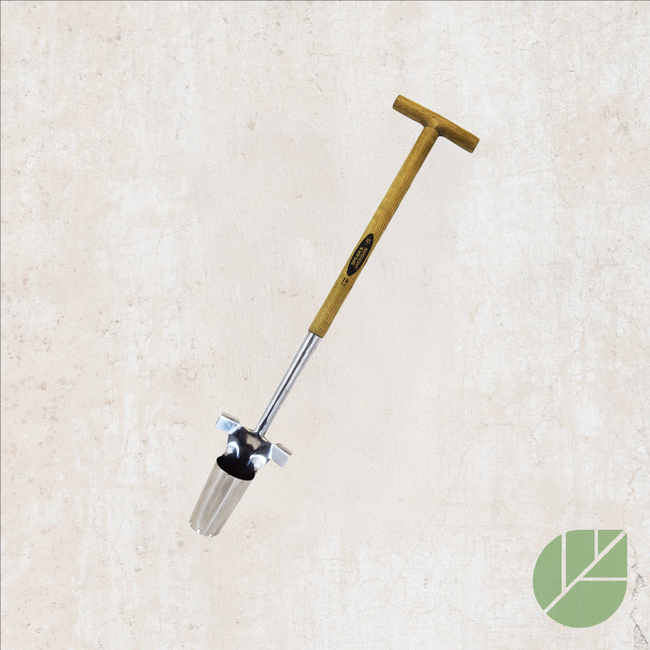
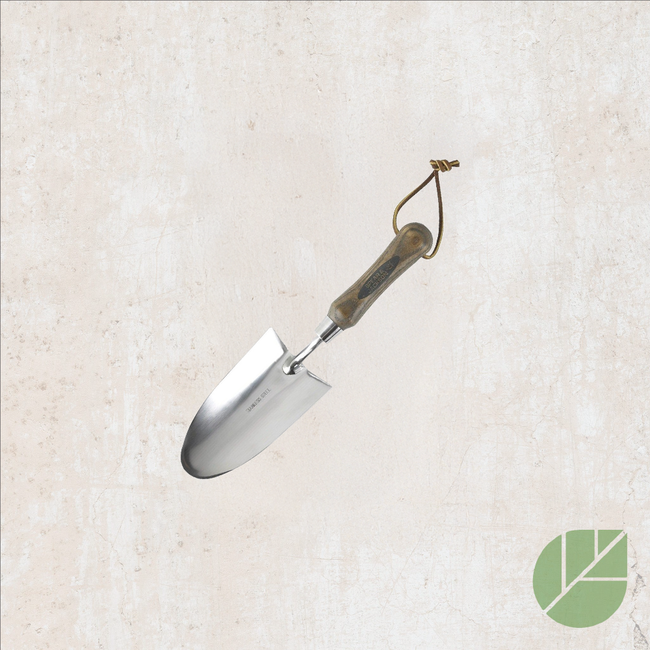
Bulb planters and planting tools
Shop the collection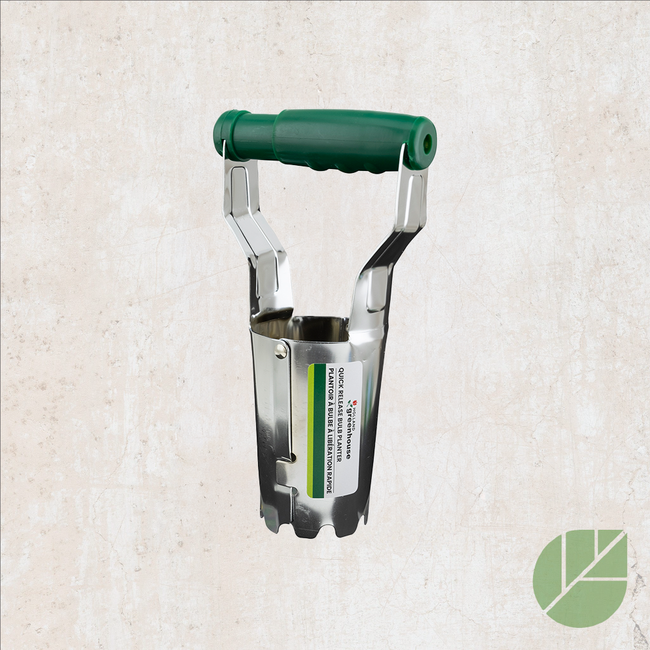
Soils and amendments for bulbs
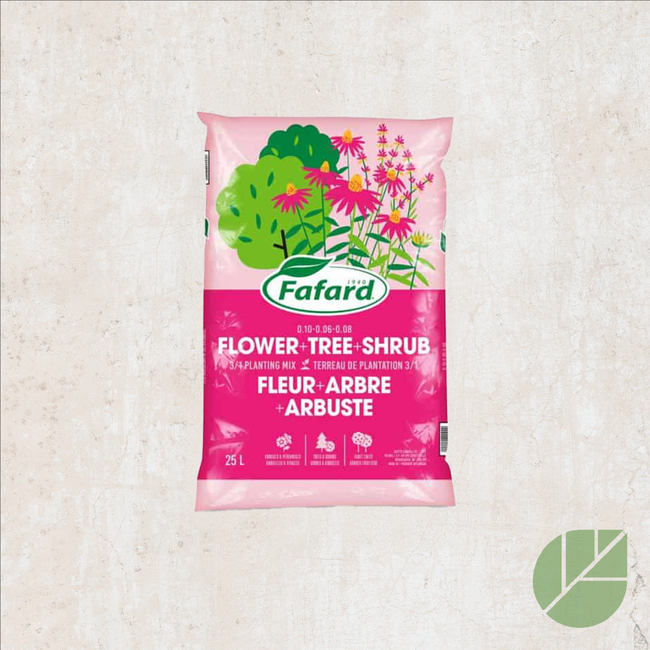
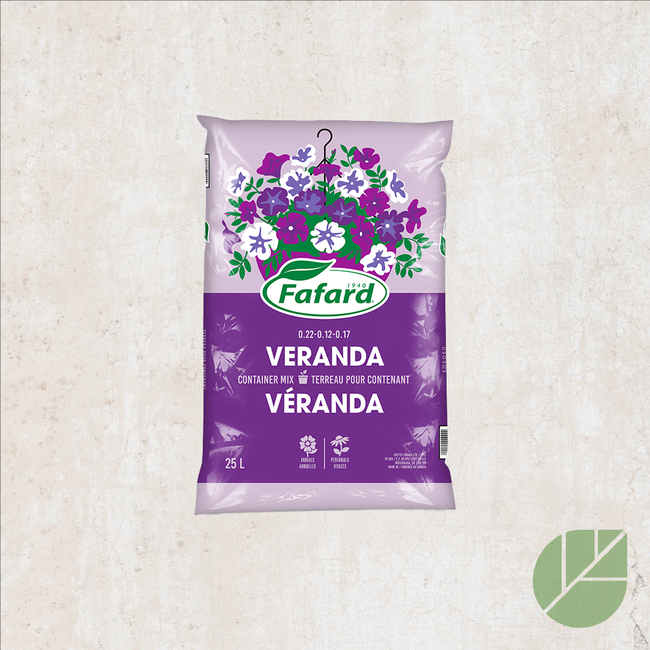
Shop the collection