Sale
Sold out

Seed potato
Solanaceae
Gourmet Potato 'French Fingerling' (500 g)
A gourmet potato with rich flavors and pink flesh! The 'French Fingerling' potato is a prized gourmet variety, known for its smooth red skin and yellow-pink flesh marbled with rose. Its rich, slightly sweet, and buttery taste makes it perfect for salads, crispy roasts, steamed potatoes, and gourmet dishes. Easy to grow and high-yielding, it is appreciated by both amateur gardeners and chefs for its firm texture that holds up well to cooking and its beautiful colorful presentation on the plate. Quantity: 500g (approximately 6 to 10 tubers). March to April, as soon as the soil reaches 8-10°C and there is no longer a risk of frost.
- Quantity
- 500 g
- Exposure
- Sun
- Life cycle
- Perennial grown as an annual in the vegetable garden
Discover the plant
Common nameGourmet Potato
FamilySolanaceae
GenusNightshade
Speciestuberous
TypeSeed potato
Botanical namePotato
Gourmet Potato 'French Fingerling' (500 g), offered by Van Noort
?? A gourmet potato with rich flavors and pink flesh! ??
The 'French Fingerling' potato is a prized gourmet variety, known for its smooth red skin and pinkish-yellow flesh with pink veins . Its rich, slightly sweet and buttery flavor makes it perfect for salads, crisp roasts, steamed potatoes and gourmet dishes .
?? Easy to grow and high yielding , it is appreciated by both amateur gardeners and chefs for its firm texture that does not fall apart when cooked and its beautiful colorful presentation on the plate .
Characteristics of the variety
?? Maturity : Mid-season (100-120 days)
?? Tuber size : Fingerling type, elongated
?? Planting depth : 10 cm (4")
?? Spacing between plants : 30 cm (12")
?? Exposure : Full sun
?? Soil type : Light, rich, well drained
?? Watering : Regular, without excess humidity
?? Quantity : 500 g (about 6 to 10 tubers)
?? Planting 'French Fingerling' potatoes
?? When to plant?
??? March to April , as soon as the soil reaches 8-10°C and there is no longer any risk of frost.
?? Open ground method
1?? Prepare the soil by loosening it and incorporating compost or well-rotted manure.
2?? Plant the tubers 10 cm deep , with the sprouts facing upwards.
3?? Space each plant 30 cm apart , in rows spaced 70 cm apart.
4?? Cover with soil and water lightly.
?? Hilling up
?? When the plants reach 20-25 cm in height , mound the soil around the stems to protect the tubers from light and prevent them from turning green . Repeat this operation once or twice during the season.
?? Growing in a pot or grow bag
1?? Choose a large container (40 cm minimum depth).
2?? Plant the tubers in 15 cm of potting soil, then cover.
3?? Add soil gradually as growth progresses.
4?? Water regularly without soaking the soil.
?? Tip : Well-drained soil and crop rotation prevent diseases like mildew and scab.
?? Harvesting and storage
?? Harvest : 100 to 120 days after planting , when the foliage begins to yellow and dry out.
?? Let the potatoes dry for a few hours on the ground before storing them.
?? Storage : Store them in a cool, dark and well-ventilated place to prolong their shelf life.
Why choose the 'French Fingerling' potato?
?? Veined pinkish-yellow flesh, perfect for visually appealing dishes
?? Sweet and buttery taste, ideal for gourmet recipes
?? High yield and excellent conservation
??? Perfect for salads, roast potatoes and fancy dishes
?? Add the 'French Fingerling' potato to your vegetable garden for a unique and tasty harvest!

Planting guide
Plant well.Grow beautifully.
Planting depth
10 cm (4 in.)
Growing method
Plant in spring when the ground has thawed, dried out, and warmed up sufficiently. Choose full sun and loose, fertile, well-drained soil. Prepare accessible rows for maintenance, then plant the seed tubers with the sprouts facing upwards. As they grow, mound soil around the base to keep new tubers protected from light. Water regularly when the soil dries out, without saturating it. If planting in containers, ensure sufficient depth to progressively add substrate and keep drainage holes clear so that excess water can drain away. Harvest carefully to avoid damaging the tubers with your tools. Set aside any damaged ones and prioritize eating potatoes with still fragile skins. To store a ripe harvest, choose a dark, cool, and airy place that protects the tubers from light. The plants sold here are for planting; only harvested, healthy, ungreened tubers should be eaten after cooking. Do not eat the leaves, stems, sprouts, or berries. Also check the condition of the potatoes during storage to remove any that are deteriorating.
Soil and care
The right care,at the right time.
Watering
Keep the soil consistently moist during potato growth and tuber bulking. Water at the base when the soil surface begins to dry, taking rainfall into account. Moisten the root zone without allowing water to stagnate and avoid alternating between complete drying and saturation. In pots or grow bags, check moisture more often, especially in hot weather. Reduce watering as the foliage naturally yellows closer to harvest.
Soil type
For potatoes, opt for loose, fertile, and well-drained soil that is easy to work around the tubers. Check the drainage after rain: water should be able to drain away from the root zone. Work the soil when it has dried out to avoid compacting it. Adjust soil amendments according to its actual texture. If growing in containers, use appropriate potting mix and a pot with drainage holes. Keep these openings clear and avoid water accumulation in the saucer.
Fertilization
Adjust fertilization to the richness of your soil and the needs of your crop. A soil analysis helps in choosing useful inputs before planting. Respect the dosage indicated on your fertilizer packaging and measure the quantity before applying it. Take into account compost and other inputs already made to avoid feeding the same plant twice. Distribute the product according to its instructions for use; avoid any concentrated contact with roots or storage organs. A higher input does not guarantee a better harvest.
Seasonal care
Plant in the spring when the ground is thawed, drained, and sufficiently warm. Choose full sun and loose, fertile, well-drained soil. Prepare accessible rows for maintenance, then plant the tubers with the sprouts facing upwards. As they grow, mound soil around the base to keep new tubers protected from light. Water regularly when the soil dries out, without saturating it. In containers, ensure sufficient depth to progressively add substrate and keep drainage holes clear so that excess water can escape. Harvest carefully to avoid damaging the tubers with your tools. Set aside any damaged tubers and prioritize consuming potatoes with fragile skin. To store a mature harvest, choose a dark, cool, and airy place that protects the tubers from light. The plants sold here are for planting; only harvested, healthy, and non-green tubers are to be eaten after cooking. Do not eat the leaves, stems, sprouts, or berries. Also, check the condition of potatoes during storage to remove any that are deteriorating. Regularly observe growth and soil moisture throughout the season. Remove diseased debris and clean your tools before working on another planting. At harvest, handle edible parts carefully to limit injuries that can accelerate their degradation.
Container growing
A garden,within reach.
To grow potatoes in a container, choose a deep, sturdy bin or a grow bag designed for this purpose. Drainage holes should allow excess water to escape without letting the growing medium wash out. Leave room to add soil around the base as the stems develop: new tubers must remain protected from light. Place the container in a sunny spot where you can water easily. Check the moisture level below the surface during growth, as the limited volume of soil dries out faster than a garden bed. Plant in spring when the ground is thawed, no longer waterlogged, and sufficiently warm. Choose full sun and loose, fertile, well-drained soil. Prepare accessible rows for maintenance, then plant the seed potatoes with the sprouts pointing upwards. As they grow, mound soil around the base to keep the new tubers protected from light. Water regularly when the soil dries out, without saturating it. In a container, ensure sufficient depth to gradually add growing medium and keep the drainage holes clear so that excess water can drain away.

Bloom and dimensions
Its place,in your garden.
Bloom period
Potatoes may flower during growth, but the presence of flowers varies depending on the variety and growing conditions. The absence of flowering does not necessarily mean that no tubers are forming. Primarily observe the foliage development and respect the harvesting period adapted to the variety. The flowers and small berries that may follow them are not edible. Edible harvesting concerns healthy, ungreened, and cooked tubers.

Garden associations
In goodcompany.
Companion plants
Install neighboring crops at a sufficient distance so as not to hinder maintenance or block the light needed for this planting. Compare their mature height and water needs before sharing the same space. Keep paths clear to water and harvest without damaging the leaves. A partnership in the vegetable garden should first facilitate care and the use of space; it does not guarantee protection against diseases or pests. Clearly separate the different varieties with labels to find each one at harvest time and track your results throughout the seasons.
Recipe idea
From the gardento your plate.
Edible parts
Tubers harvested sound and not greened, after cooking; exclude sprouts, leaves, stems and berries
Herb Roasted Potatoes. Use healthy potatoes from your harvest that are not green and have no sprouts. Wash them thoroughly, remove any damaged parts, and cut them into similar-sized pieces so they cook evenly. Toss them with a little oil, salt, pepper, and herbs of your choice, such as thyme or rosemary. Spread them in a single layer in a dish or on a baking sheet, without overcrowding. Roast them in the oven until the outside is golden brown and the flesh is tender when pierced. Turn the pieces during cooking to brown multiple sides. Serve with vegetables, a salad, or your main course. You can add fresh chives just before serving. Adjust cooking time based on the size of the pieces and your oven. This recipe uses tubers harvested from the garden, never plants sold for planting, leaves, berries, or sprouts.
Frequently asked questions
Your questions,answered.
How to successfully plant 'French Fingerling' Gourmet Potatoes?
Plant in spring when the ground has thawed, dried out, and warmed up sufficiently. Choose full sun and loose, fertile, well-drained soil. Prepare accessible rows for maintenance, then plant the tubers with the sprouts facing upwards. As they grow, mound soil around the base to keep the new tubers protected from light. Water regularly when the soil dries out, without saturating it. If planting in a container, ensure sufficient depth to gradually add substrate and keep drainage holes clear so that excess water can drain away.
What kind of light should I provide for Gourmet Potato ‘French Fingerling’?
The recommended exposure is full sun. Observe the light in your chosen spot in the morning and afternoon, as the shade from trees or buildings changes throughout the day. Also consider neighboring plants: their foliage can obscure a young plant as it grows. In a container, place the pot where you can move it if conditions become too hot or too shaded. Appropriate exposure must go hand-in-hand with suitable soil and watering. If you move a plant started indoors outdoors, gradually accustom it to garden conditions to avoid too abrupt a transition for young leaves.
How to adjust the watering?
Water according to the actual soil moisture, taking into account rain, heat, and wind. Check below the surface before deciding on a new watering: soil that is dry on the surface may still be moist at the root level. Direct the water to the base and allow it to penetrate, without keeping the plant in saturated soil. Containers generally require more frequent checks because they dry out faster. Make sure their drainage holes remain clear and empty any saucers that retain water. Also adapt the care to the plant's cycle: active growth and a resting period do not require the same water inputs.
What to plan for container growing?
Growing in containers requires planning for the volume needed for the roots and the plant's final height. Choose a stable pot with drainage holes and a substrate suitable for planting. Leave enough space to respect the recommended depth and spacing, rather than crowding plants to fill the pot immediately. Place the container in the indicated exposure and regularly check the moisture level, especially in hot or windy weather. A pot is more exposed to temperature variations than in-ground planting. Therefore, plan from the start for a wintering location compatible with the plant's needs and your region's climate.
What care should be provided after the growing season?
Harvest carefully to avoid damaging the tubers with your tools. Set aside any damaged tubers and prioritize eating those with thin skin. To store a mature harvest, choose a dark, cool, and airy place that protects the tubers from light. The plants sold here are for planting; only harvested, healthy, non-green tubers are to be eaten after cooking. Do not eat the leaves, stems, sprouts, or berries. Also, check the potatoes during storage to remove any that are deteriorating.
Wildlife and pets
Life,around your plants.
Reported toxicity
Yes
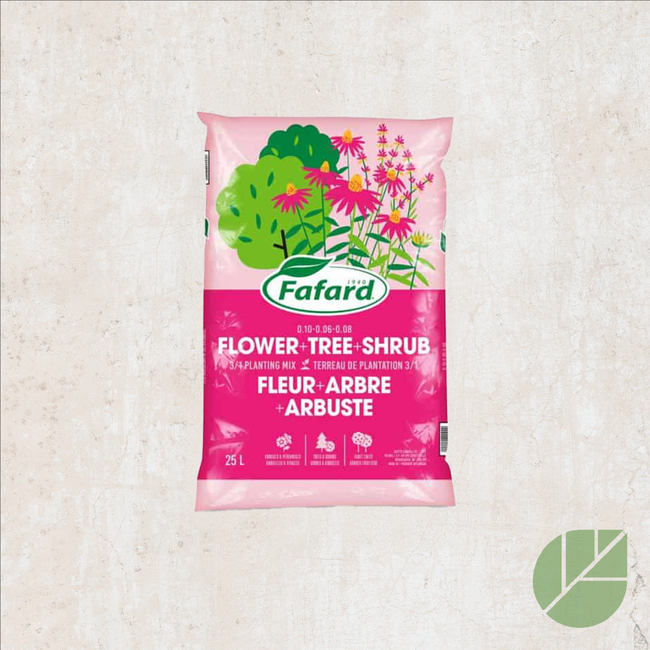
For planting your bulbs
The right extras.Right here.
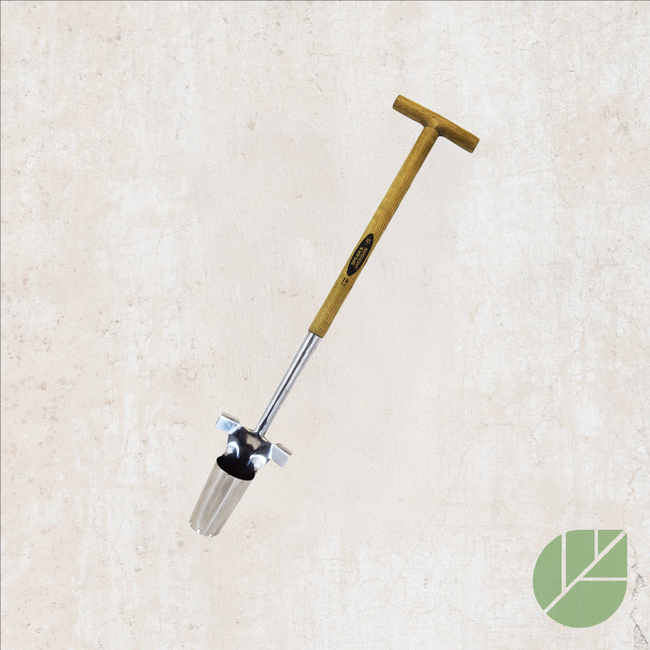
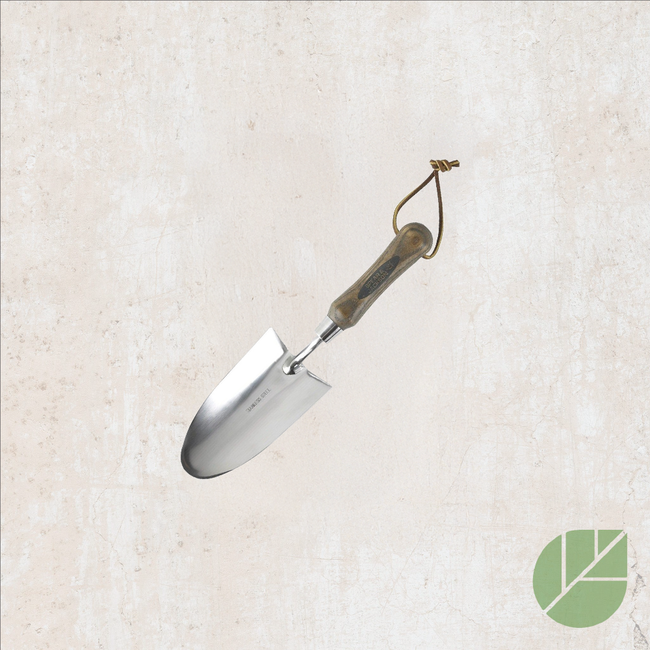
Bulb planters and planting tools
Shop the collection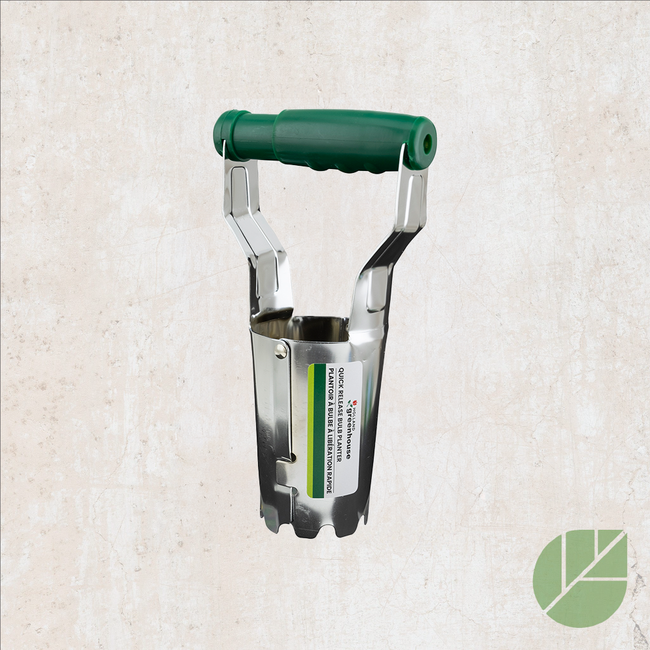
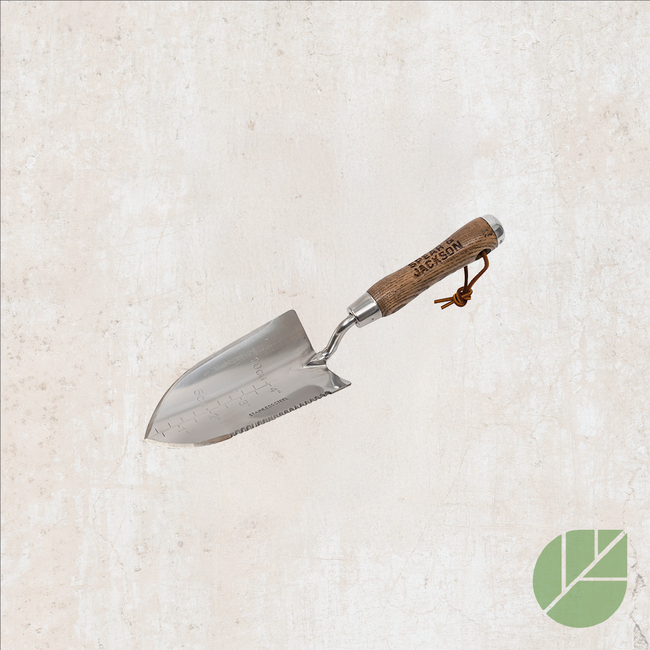
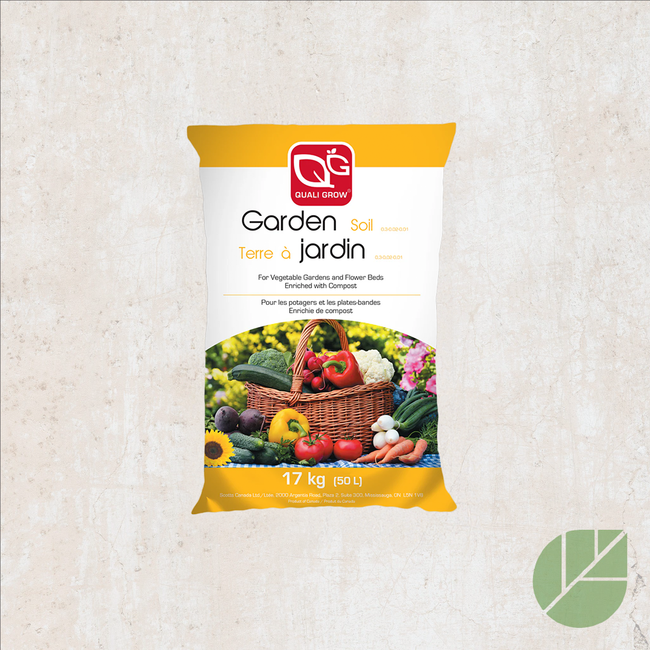
Soils and amendments for bulbs
Shop the collection