Sale
Sold out

Bulb
Amaryllidaceae
Green Onion (shallot) (80 bulbs)
Garlic
Green onions, also known as spring onions, are a garden staple. Easy to grow and fast-growing, they offer a generous harvest in just 50 to 70 days after planting. Their crisp, fragrant green stem is ideal for enhancing your dishes, whether in salads, soups, or as a garnish for gourmet meals. Grow them all season long for a continuous harvest! In early spring (March-April), as soon as the soil is workable. The joy of this planting continues in the kitchen with a harvest you've watched grow. You can start with a simple preparation to discover the result, then adapt the cooking and seasoning to your preferences. The quality of the harvest also depends on the soil, weather, and care provided during cultivation.
- Quantity
- 80 bulbs
- Exposure
- Sun
Discover the plant
Common nameOnion
FamilyAmaryllidaceae
GenusGarlic
TypeBulb
Botanical nameGarlic
Green Onion (Scallion) (Allium). Green onions, also known as spring onions, are a must-have in any vegetable garden. Easy to grow and fast-growing, they offer a generous harvest in just 50 to 70 days after planting. Their crisp, fragrant green stalks are ideal for enhancing your dishes, whether in salads, soups, or as a garnish for gourmet meals. Grow them all season long for a continuous harvest! Harvest period: 50 to 70 days after planting. In early spring (March-April), as soon as the soil is workable.
Plant bulbs 1 inch (2.5 cm (0.98 in)) deep and 4 inches (10 cm (4 in)) apart. Use well-drained, light soil to promote good growth. Water lightly after planting and keep the soil moist without overwatering. Water regularly to prevent the soil from drying out, especially in hot weather. Mulch lightly to retain moisture and limit weeds. Harvest as needed: you can cut the green stalks without pulling up the bulb to prolong production.
If you let the bulbs grow larger, they will produce small white onions to harvest later. Gardening tip: Sow in succession every 2 to 3 weeks for a continuous harvest throughout the season. Delicious raw in salads, omelets, and sushi. Perfect as a garnish for soups, noodles, and Asian dishes. Ideal for flavoring stir-fries and marinades. Keeps for several days in the refrigerator in a glass of water. Cooking tip: For a milder flavor, sauté them in a little oil before adding them to your dishes. Add these green onions to your vegetable garden and enjoy an abundant and flavorful harvest!

Planting guide
Plant well.Grow beautifully.
Growing method
Plant bulbs 1 inch (2.5 cm (0.98 in)) deep and 4 inches (10 cm (4 in)) apart. Use well-drained, light soil to promote good growth. Water lightly after planting and keep the soil moist but not waterlogged. Water regularly to prevent the soil from drying out, especially in hot weather. Mulch lightly to retain moisture and limit weeds. Harvest as needed: you can cut the green stalks without pulling up the bulb to prolong production. If you let the bulbs grow larger, they will produce small white onions to harvest later. Gardening tip: Sow in succession every 2 to 3 weeks for a continuous harvest throughout the season. Delicious raw in salads, omelets, and sushi. Perfect as a garnish for soups, noodles, and Asian dishes. Ideal for flavoring stir-fries and marinades. Keeps for several days in the refrigerator in a glass of water. Cooking tip: For a milder flavor, sauté them in a little oil before adding them to your dishes. Add these green onions to your vegetable garden and enjoy an abundant and flavorful harvest!
Soil and care
The right care,at the right time.
Watering
Water according to the actual soil moisture, taking into account rain, heat, and wind. Check below the surface before deciding on re-watering: soil that is dry on the surface may still be moist at the root level. Direct the water to the base and allow it to penetrate, without keeping the plant in saturated soil. Make sure their drainage holes remain clear and empty any saucers that collect water. Also, adapt care to the plant's cycle: active growth and a resting period do not require the same inputs.
Soil type
Use well-drained, light soil for good growth. Water lightly after planting and keep the soil moist without overwatering. Observe your site after rain to identify areas where water remains on the surface for a long time. Work with soil that has drained: working when it is waterlogged risks compacting it around the roots. Adapt amendments to the actual soil texture, without systematically adding sand or fertilizer. If growing in containers, use a suitable substrate and ensure drainage holes remain clear.
Fertilization
Adapt fertilization to the richness of your soil and the needs of your crop. A soil analysis helps in choosing useful inputs before planting. Respect the dosage indicated on your fertilizer's packaging and measure the quantity before applying it. Take into account compost and other inputs already made to avoid double-feeding the same plant. Distribute the product according to its instructions for use; avoid concentrated contact with roots or storage organs. A higher input does not guarantee a better harvest.
Seasonal care
Plant bulbs 1 inch (2.5 cm (0.98 in)) deep and 4 inches (10 cm (4 in)) apart. Use well-drained, light soil to promote good growth. Water lightly after planting and keep the soil moist but not waterlogged. Water regularly to prevent the soil from drying out, especially in hot weather. Mulch lightly to retain moisture and control weeds. Harvest as needed: you can cut the green stalks without pulling up the bulb to prolong production. If you let the bulbs grow larger, they will produce small white onions to harvest later. Gardening tip: Sow in succession every 2 to 3 weeks for a continuous harvest throughout the season. Delicious raw in salads, omelets, and sushi. Perfect as a garnish for soups, noodles, and Asian dishes. Ideal for flavoring stir-fries and marinades. Keeps for several days in the refrigerator in a glass of water. Cooking tip: For a milder flavor, sauté them in a little oil before adding them to your dishes. Add these green onions to your garden and enjoy an abundant and flavorful harvest! Regularly observe growth and soil moisture throughout the season. Remove diseased debris and clean your tools before working on another planting. When harvesting, handle edible parts carefully to limit damage that can accelerate their spoilage.
Container growing
A garden,within reach.
Container gardening requires you to plan for the necessary root volume and the plant's final height. Choose a stable pot with drainage holes and a substrate suitable for planting. Leave enough space to respect the recommended depth and spacing, rather than crowding the plants to fill the pot immediately. Place the container in the indicated exposure and regularly check the moisture, especially in hot or windy weather. A pot is more exposed to temperature variations than planting in open ground. Therefore, plan from the outset for a wintering location compatible with the plant's needs and the climate of your region. Plant bulbs 1 inch (2.5 cm (0.98 in)) deep and 4 inches (10 cm (4 in)) apart. Use well-drained, light soil to promote good growth. Water lightly after planting and keep the soil moist but not waterlogged. Water regularly to prevent the soil from drying out, especially in hot weather. Mulch lightly to retain moisture and limit weeds. Harvest as you go: you can cut the green stems without pulling up the bulb to prolong production.

Bloom and dimensions
Its place,in your garden.
Bloom period
Onions grown for their harvest can bolt under certain growing conditions. Watch for a central stalk to appear and separate affected plants from those intended for long-term storage. Flowering is not the objective of this vegetable crop: focus on monitoring the foliage and bulb development. Harvest and use the edible parts according to the type of onion, then carefully sort your harvest before cooking or storing it.

Garden associations
In goodcompany.
Companion plants
Plant neighboring crops at a sufficient distance to avoid hindering maintenance or blocking the light needed by this plant. Compare their mature height and water requirements before sharing the same space. Keep paths clear for watering and harvesting without damaging leaves. Companion planting in a vegetable garden should primarily facilitate care and efficient space utilization; it does not guarantee protection against diseases or pests. Clearly separate different varieties with labels to identify each at harvest time and track your results over the seasons.
Recipe idea
From the gardento your plate.
Edible parts
Bulbs and young leaves harvested; exclude bulbs sold for planting
Melted onions in a pan. Use onions from your harvest, healthy and well-cleaned. Remove the dry skin and damaged parts, then slice the bulbs into pieces of similar thickness. Heat a little oil or butter in a wide pan and add the onions with a pinch of salt. Cook gently, stirring regularly, without trying to brown them too quickly. If they start to stick, add a small amount of water and gently scrape the bottom with a spoon. Continue until the slices are tender and lightly golden. Season with pepper to taste and add thyme at the end of cooking if desired. Serve these onions with vegetables, in a savory tart, or as a topping for a hot sandwich. The cooking time depends on the thickness of the slices and the quantity in the pan. Prepare this recipe with bulbs harvested from the garden after cultivation, and not with bulbils intended for planting.
Frequently asked questions
Your questions,answered.
How to successfully plant Green Onion?
Plant bulbs 1 inch (2.5 cm (0.98 in)) deep and 4 inches (10 cm (4 in)) apart. Use well-drained, light soil to promote good growth. Water lightly after planting and keep the soil moist without overwatering. Water regularly to prevent the soil from drying out, especially in hot weather. Mulch lightly to retain moisture and limit weeds. Harvest as needed: you can cut the green stalks without uprooting the bulb to prolong production. Keep a durable label to easily locate this planting during its dormant period.
What kind of light should I provide for 'Green' Onion?
The recommended exposure is full sun. Observe the light in your chosen location in the morning and afternoon, as the shade from trees or buildings changes throughout the day. Also consider neighboring plants: their foliage can obscure a young plant as it grows. In a container, place the pot where you can move it if conditions become too hot or too shady. Appropriate exposure must go hand-in-hand with suitable soil and watering. If you move a plant started indoors outdoors, gradually accustom it to garden conditions to avoid too abrupt a transition for young leaves.
How to adjust watering?
Water according to the actual soil moisture, taking into account rain, heat, and wind. Check below the surface before deciding on adding more water: soil that is dry on the surface may still be moist at root level. Direct the water to the base of the plant and let it penetrate, without keeping the plant in saturated soil. Container plants generally require more frequent checks because they dry out faster. Make sure their drainage holes remain clear and empty any water-collecting saucers. Also adapt care to the plant's cycle: active growth and a resting period do not require the same amount of water.
What to plan for container gardening?
Container gardening requires you to plan for the necessary volume for the roots and the plant’s final height. Choose a stable pot with drainage holes and a substrate suitable for planting. Leave enough space to respect the recommended depth and spacing, rather than crowding plants to fill the pot immediately. Place the container in the indicated exposure and regularly check the moisture, especially in hot or windy weather. A pot is more exposed to temperature variations than a plant in the ground. Therefore, plan for a wintering location from the outset that is compatible with the needs of the plant and your region’s climate.
What care is needed after the growing season?
If you let the bulbs grow, they will produce small white onions to be harvested later. Gardening tip: Sow in succession every 2 to 3 weeks for a continuous harvest throughout the season. Delicious raw in salads, omelets, and sushi. Perfect as a garnish for soups, noodles, and Asian dishes. Ideal for flavoring stir-fries and marinades. Stores for several days in the refrigerator in a glass of water. Cooking tip: For a milder flavor, sauté them in a little oil before adding them to your dishes. Add these green onions to your garden and enjoy an abundant and flavorful harvest!
Wildlife and pets
Life,around your plants.
Reported toxicity
Yes
For planting your bulbs
The right extras.Right here.
Bulb planters and planting tools
Shop the collection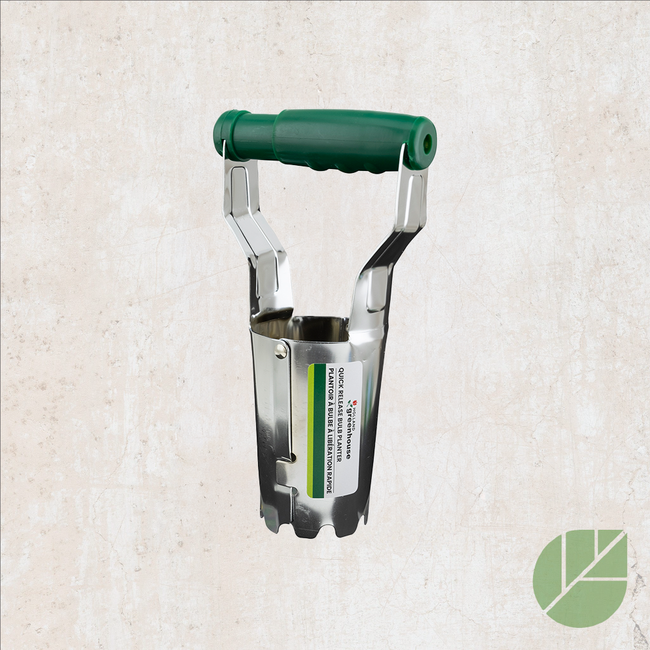
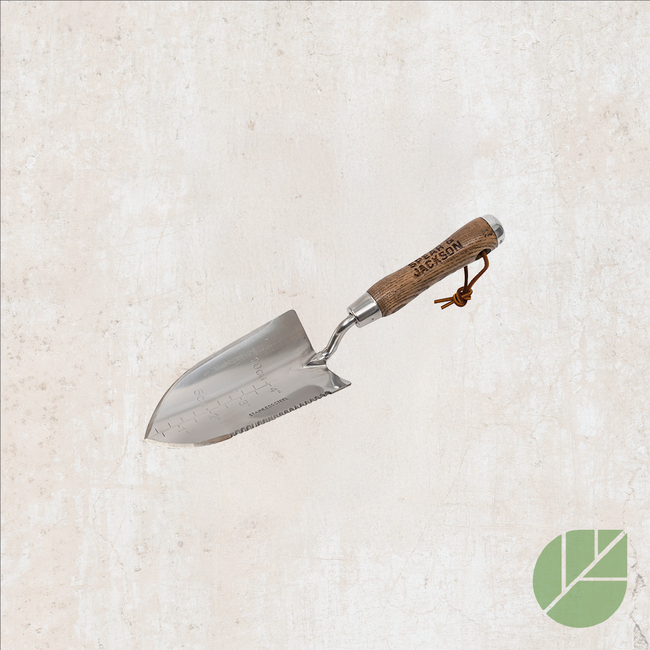
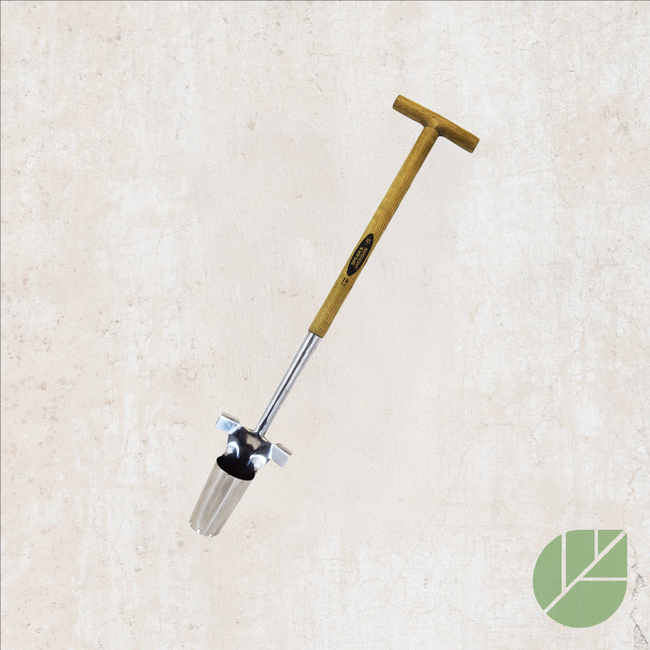
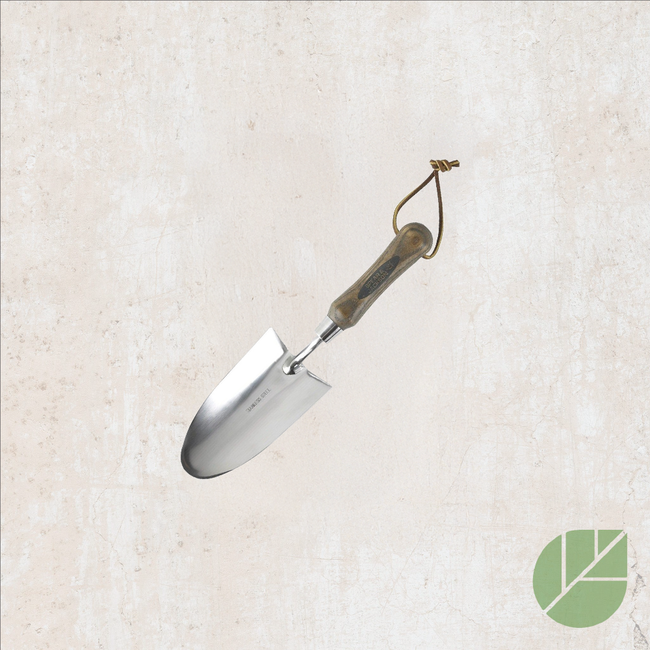
Soils and amendments for bulbs
Shop the collection