Sale
Sold out

Tuber
Asteraceae
Dahlia 'Antique Copper' (Dahlia)
*Dahlia hybrida*
Dahlia ‘Antique Copper’ (Dahlia hybrida) captivates with its pompon-shaped flowers, approximately 8 cm (3 in) in diameter, showcasing rich shades of copper, burnt orange, golden brown, earthy pink, and deep burgundy. This warm palette, both refined and slightly vintage, creates a stunning contrast with its slender, dense, olive-green foliage. Borne on sturdy stems reaching about 91 cm (36 in) in height, the flowers bloom generously from July until the first frosts. Grown as an annual in Quebec’s climate, this dahlia brings a remarkable presence to flowerbeds while also providing excellent cut flowers for summer and autumn bouquets. Plant the tubers from March to May, once all risk of frost has passed, about 10 cm (4 in) deep and 50 cm (20 in) apart.
- Quantity
- 3 tubers
- Exposure
- Sun
- Life cycle
- Aphids, slugs, spider mites, and tuber rot in poorly drained soil. Good air circulation reduces diseases.
- Hardiness
- Zone 8
Discover the plant
Common nameAntique Copper Mix Dahlia Ball
FamilyAsteraceae
GenusDahlia
TypeTuber
Botanical name*Dahlia hybrida*
Dahlia ‘Antique Copper’ (Dahlia) captivates with its pompon-like flowers, approximately 8 cm (3 in) in diameter, showcasing rich shades of copper, burnt orange, golden brown, earthy pink, and deep burgundy. This warm palette, both refined and slightly vintage, creates a superb contrast with its fine, dense olive-green foliage. Borne on sturdy stems reaching about 91 cm (36 in) in height, the flowers bloom generously from July until the first frosts. Cultivated as an annual in Quebec’s climate, this dahlia brings a remarkable presence to flower beds while providing excellent cut flowers for summer and autumn bouquets.
Plant tubers from March to May, once all risk of frost has passed, about 10 cm (4 in) deep and spacing them 50 cm (20 in) apart. Choose a location receiving at least six hours of full sun per day and rich, humiferous, perfectly drained soil. Water deeply when the surface begins to dry out, without keeping the soil soggy, then fertilize every two to three weeks during growth. A potassium-rich fertilizer will support blooming, while a stake may be useful in windy areas. In autumn, dig up the tubers and store them in a cool, dry, frost-free place.
Dahlia ‘Antique Copper’ naturally finds its place in flower beds, borders, cutting gardens, and large containers on sunny patios. Its copper and burgundy hues harmonize particularly well with ornamental grasses, salvias, rudbeckias, and cosmos, creating natural scenes with lasting charm. Regular deadheading stimulates new bud formation and extends the display until autumn. Its long stems offer excellent vase life, while the flowers attract pollinators and add significant ecological value to both classic and contemporary landscapes.

Sowing guide
It all startswith a seed.
Sowing depth
10 cm (4 in)
Sowing period
March to May
Propagation
Divide tubers in spring before planting. Each division must have a viable eye.
Growing method
Plant tubers from March to May once all risk of frost has passed. Plant them about 10 cm (4 in) deep in fertile, perfectly drained soil. Space plants about 50 cm (20 in) apart. Water after planting, then maintain regular moisture without overwatering. Grow in full sun for abundant flowering. Dig up tubers in the fall and store them in a cool, dry, frost-free place. Borne on sturdy stems reaching about 91 cm (36 in) tall, flowers bloom generously from July until the first frosts. Plant tubers from March to May, once all risk of frost has passed, about 10 cm (4 in) deep and 50 cm (20 in) apart. Choose a location that receives at least six hours of full sun per day and has rich, humus-rich, perfectly drained soil. Water deeply when the surface begins to dry, without keeping the soil soggy, then fertilize every two to three weeks during growth. In the fall, dig up the tubers and store them in a cool, dry, frost-free place. Dahlia 'Antique Copper' is perfectly suited for flower beds, borders, cutting gardens, and large containers on a sunny patio. Regularly cutting spent blooms stimulates new buds and extends the display until fall.
Soil and care
The right care,at the right time.
Soil pH
Slightly acidic to neutral
Minimum temperature
0 °C (32 °F)
Care level
Moderate
Watering
At the start, keep the soil barely moist: tubers without shoots are sensitive to overwatering. When the foliage develops, water more generously at the base to moisten the root zone without saturating it. Check the soil before each watering and adjust the frequency according to rain, heat, and wind. In pots, check the potting mix more often and empty the saucer. Reduce watering when growth stops at the end of the season.
Soil type
Heavy soils should be amended with compost to improve drainage. Dahlia ‘Antique Copper’ (Dahlia hybrida) captivates with its approximately 8 cm (3 in.) pompom flowers in rich shades of copper, burnt orange, golden brown, earthy pink, and deep burgundy. Borne on sturdy stems reaching about 91 cm (36 in.) in height, the flowers bloom profusely from July until the first frosts. Choose a location that receives at least six hours of full sun per day and has rich, humus-rich, perfectly drained soil.
Fertilization
Apply a balanced fertilizer at the beginning of growth, then a fertilizer richer in potassium during flowering. Water deeply when the surface begins to dry, without keeping the soil soggy, then fertilize every two to three weeks during growth. A fertilizer richer in potassium will support flowering, while a stake can be useful in windy areas.
Seasonal care
Plant in the spring when all risk of frost has passed and the soil is warm enough. Choose a sunny spot, sheltered from strong winds, in fertile, well-drained soil. Arrange the tuberous roots with their crown and buds facing upwards, without breaking the fragile connections. Install a stake at planting if support will be needed, to avoid damaging the roots later. Water sparingly at first, then adjust watering to foliage growth. Avoid constantly waterlogged soil around the tubers, especially before the appearance of the first shoots. During the summer, water at the base when the soil dries out and tie the stems as needed with flexible ties. Regularly remove faded flowers to encourage the formation of new buds. For bouquets, choose fully open flowers and use a clean tool to make a clean cut. In the fall, plan for overwintering the tubers in a frost-free environment: dahlias do not overwinter in the ground in Quebec. After the end of vegetation, carefully dig up the clump, let its surface dry, and store it in a cool, airy, frost-free space. Inspect it periodically to identify damaged parts. Over the seasons, observe new shoots, soil moisture, and the condition of the stems. A durable label allows you to locate the planting during its dormancy. Clean tools after cutting diseased parts and remove debris that degrades around the base of the plant.
Container growing
A garden,within reach.
Recommended pot size
Minimum 35 cm (14 in) in diameter
Container gardening requires planning for the root volume and the plant's final height. Choose a stable pot with drainage holes and a suitable planting medium. Leave enough space to respect the recommended depth and spacing, rather than overcrowding plants to immediately fill the pot. Place the container in the indicated exposure and regularly check for moisture, especially in hot or windy weather. A pot is more exposed to temperature variations than a plant in the ground. Therefore, from the outset, plan a wintering location compatible with the plant's needs and your region's climate. Plant in spring when all risk of frost has passed and the soil is sufficiently warm. Choose a sunny spot, sheltered from strong winds, in fertile and well-drained soil. Arrange the tuberous roots with their crown and buds facing upwards, without breaking the fragile attachments. Install a stake at planting time if support will be needed, to avoid damaging the roots later. Water sparingly at the start, then adjust watering to foliage growth. Consistently waterlogged soil around the tubers should be avoided, especially before the first shoots appear. Plan to bring storage organs indoors, away from frost, for the Quebec winter.

Bloom and dimensions
Its place,in your garden.
Mature height
91 cm (36 in)
Width / spread
50 cm (20 in)
Flower color
Burgundy and copper mix
Foliage color
Green
Foliage type
Lapsed
Growth rate
Quick
Bloom period
Dahlia 'Antique Copper' (Dahlia hybrida) captivates with its pompon-shaped flowers, about 8 cm (3 in) across, displaying rich shades of copper, burnt orange, golden brown, earthy pink, and deep burgundy. Borne on sturdy stems reaching approximately 91 cm (36 in) in height, the flowers bloom profusely from July until the first frosts. Grown as an annual in Quebec's climate, this dahlia adds a remarkable presence to flower beds while also providing excellent cut flowers for summer and autumn bouquets.
Harvest
July to October

Garden associations
In goodcompany.
Companion plants
To accompany Dahlia 'Antique Copper', you could consider cosmos, zinnias, or ornamental salvias. Choose companion varieties according to their height, flowering period, and the colors you wish to combine. Most importantly, ensure that their sun exposure and water requirements are suitable for the same location. Maintain enough distance so that the leaves do not shade young shoots and so that you can easily access each plant for maintenance. These combinations are intended to create the garden's aesthetic; they do not guarantee protection against pests or diseases. Adjust the layout after observing one growing season.
Plants to avoid
Perennial grown as an annual
Frequently asked questions
Your questions,answered.
How to successfully plant Dahlia 'Antique Copper'?
Plant in spring when all risk of frost has passed and the soil is sufficiently warm. Choose a sunny location, sheltered from strong winds, in fertile, well-drained soil. Arrange the tuberous roots with their crown and buds facing upwards, without breaking the fragile attachments. Install a stake at planting time if support will be necessary, to avoid damaging the roots later. Water sparingly at the start, then adjust water supply according to foliage growth. Consistently soggy soil around the tubers should be avoided, especially before the first shoots appear.
What kind of light does Dahlia 'Antique Copper' need?
The recommended exposure is full sun. Observe the light in your chosen spot in the morning and afternoon, as the shade from trees or buildings changes throughout the day. Also consider neighboring plants: their foliage can obscure a young planting as it develops. In a container, place the pot where you can move it if conditions become too hot or too shaded. Appropriate exposure must go hand in hand with suitable soil and watering. If you move a plant started indoors to the outdoors, gradually accustom it to garden conditions to avoid too abrupt a transition for the young leaves.
How to adjust watering?
Water according to the actual soil moisture, taking into account rain, heat, and wind. Check below the surface before deciding to water again: a dry surface can still be moist at the root level. Direct the water to the base and allow it to penetrate, without keeping the plant in saturated soil. Containers generally require more frequent checks because they dry out faster. Make sure their drainage holes remain clear and empty any saucers that collect water. Also, adapt care to the plant's cycle: active growth and a resting period do not require the same amount of water.
What to provide for container gardening?
Container gardening requires considering the necessary volume for the roots and the plant's final height. Choose a stable pot with drainage holes and a suitable growing medium. Leave enough space to respect the recommended depth and spacing, rather than crowding plants to immediately fill the pot. Place the container in the indicated exposure and regularly check the moisture, especially in hot or windy weather. A pot is more exposed to temperature variations than planting in open ground. Therefore, plan for a wintering location compatible with the plant's needs and your region's climate right from the start.
What care should be provided after the growing season?
During summer, water at the base when the soil dries out and tie the stems as needed with flexible ties. Regularly remove faded flowers to encourage the formation of new buds. For bouquets, choose fully open flowers and use a clean tool to make a clean cut. In autumn, plan for wintering the tubers away from frost: dahlias do not overwinter outdoors in Quebec. After the vegetation dies back, carefully dig up the clump, let its surface dry, and store it in a cool, airy, frost-free space. Periodically inspect it for damaged parts.
Wildlife and pets
Life,around your plants.
For planting your bulbs
The right extras.Right here.
Bulb planters and planting tools
Shop the collection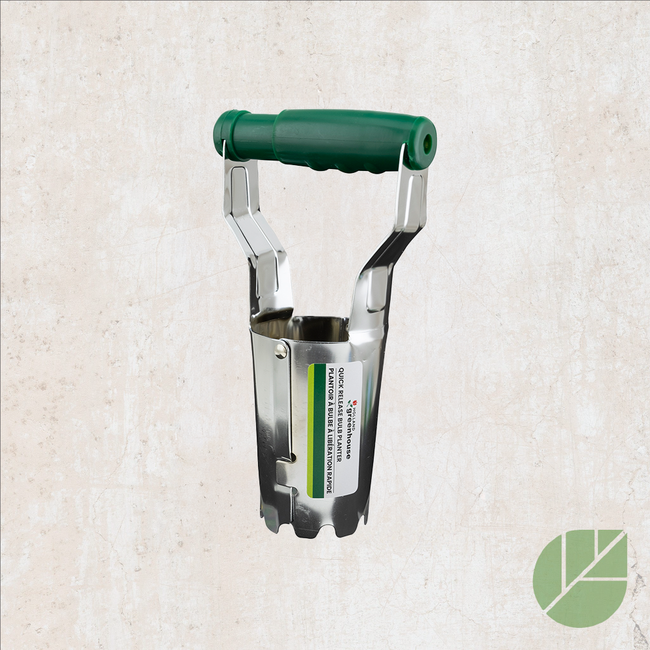
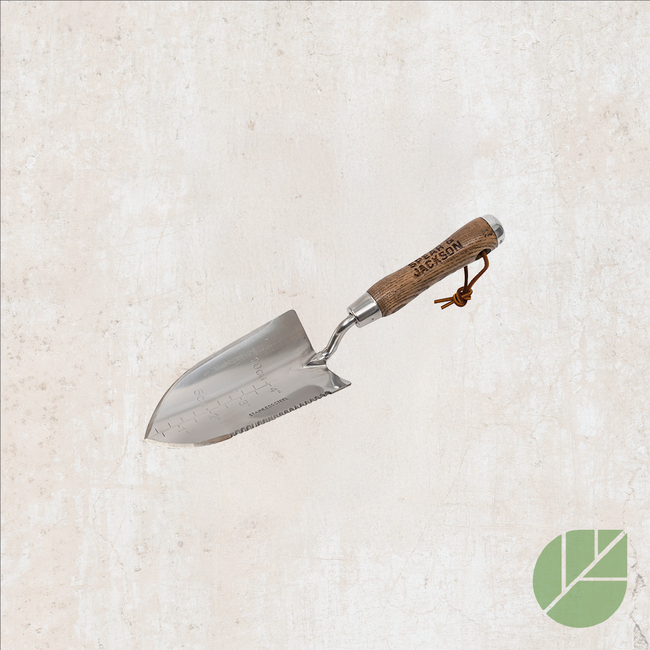
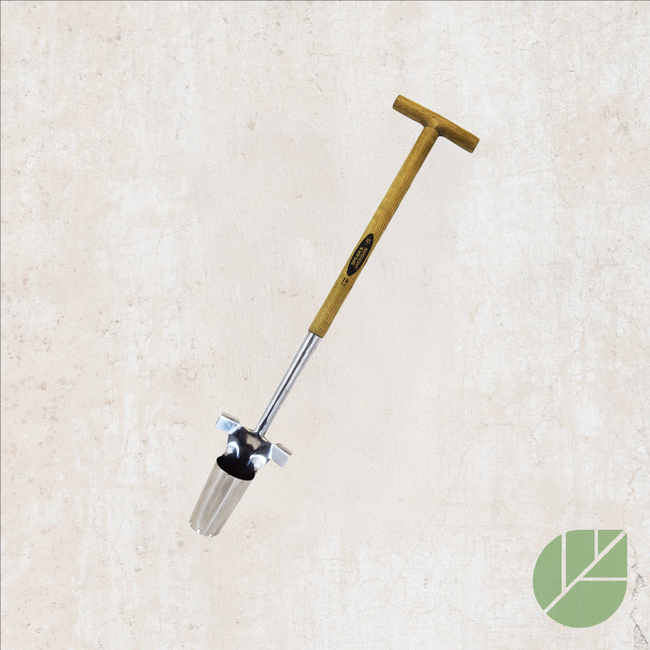
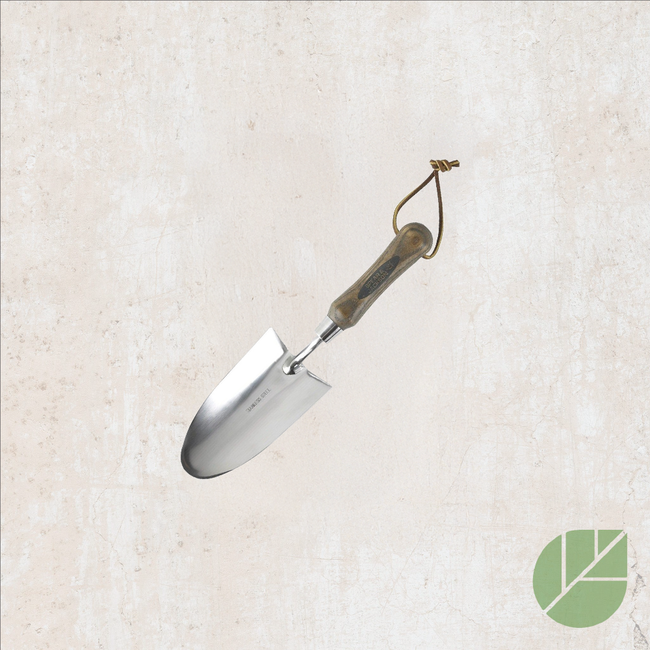
Soils and amendments for bulbs
Shop the collection