Sale
Sold out

Bare-root herbaceous peony mix
Paeoniaceae
Fragrant pink-and-white peonies for borders and bouquets
‘Peace & Patience’ Peony Mix
Paeonia lactiflora
Product code : 348 305 01
‘Peace & Patience’ combines two No. 1 size peony roots that may produce highly fragrant medium-pink and crisp-white flowers. Component cultivars and flower forms may vary between packages. Each deciduous clump reaches approximately 100 cm tall and 90 cm wide. Plant crowns in spring with eyes upward beneath approximately 5 cm of fertile, well-drained soil in full sun or bright partial shade. Keep centres 90 cm apart and maintain even moisture during establishment. Blooms suit elegant cut bouquets. A newly planted root may require one to three growing seasons before reaching full flowering, so leave both crowns undisturbed while their deep root systems develop.
- Quantity
- 2 No. 1 size roots
- Exposure
- Full sun to bright partial shade; full sun supports flowering
- Life cycle
- Very hardy deciduous perennial
- Hardiness
- Zone 2; suitable in zones 2 to 10
Discover the plant
Common name‘Peace & Patience’ peony mix
FamilyPaeoniaceae
GenusPaeonia
Specieslactiflora
CultivarPeace & Patience commercial mix
TypeBare-root herbaceous peony mix
Botanical namePaeonia lactiflora
‘Peace & Patience’ Peony Mix (Paeonia lactiflora) combines two No. 1 size roots for a coordinated display of medium-pink and crisp-white peonies. Florissa describes the pairing as highly fragrant, deer resistant, and ideal for cutting. Van Noort lists a mature height of 100 cm, a 90 cm spread, and upright growth. Green foliage forms deciduous clumps that continue structuring the border after flowering. Peonies are durable, long-lived perennials, although a new root may require one to three growing seasons to reach full bloom. Individual component cultivars are not specified, so exact flower forms may vary while preserving the intended pink-and-white harmony.
Plant both crowns in spring as soon as soil can be worked, using fertile, organic-rich, very well-drained ground. Choose full sun or bright partial shade. Point the eyes upward and cover them with approximately 5 cm of soil, because deeper planting can delay or reduce flowering. Keep centres 90 cm apart to accommodate the mature spread and promote airflow. Water deeply after planting, then maintain even moisture during establishment without allowing water to collect around the crowns. Avoid building thick layers of compost or mulch directly over the eyes. Mark both planting positions so emerging shoots are not disturbed during spring garden work.
Install a circular support in early spring if the large flowers become heavy. Harvest coloured buds when they feel soft and leave several leaves on every stem so roots can rebuild reserves. Remove faded blooms, water at soil level, and watch for botrytis during cool, wet periods. After frost, cut the stems and discard diseased debris. Peonies prefer to remain undisturbed and should be divided only when a clump becomes crowded. Every part is unsuitable for eating and may cause digestive upset in pets, so keep roots, foliage, flowers, cut bouquets, and garden debris beyond their reach.

Sowing guide
It all startswith a seed.
Sowing depth
Approximately 5 cm (2 in.) of soil over the eyes
Spacing / density
90 cm between plants
Sowing period
Spring
Propagation
Bare-root crowns; division of mature clumps in fall
Growing method
Unpack roots upon arrival and plant them promptly. Briefly soak dry roots in water without leaving the crown submerged for an extended period. Loosen a broad area and blend mature compost into the soil. Position each crown horizontally or at a slight angle with the eyes facing upward, then cover them with approximately 5 cm of soil. Space plants 90 cm apart. Firm gently and water deeply. Mark the area and keep it weed-free because new shoots may emerge slowly. Maintain even moisture during the first growing seasons without leaving crowns in standing water. Avoid piling compost or mulch directly over the eyes. Install a circular support in early spring before stems become tall. Remove faded flowers but retain every healthy leaf until frost. In fall, cut stems and dispose of diseased debris. Leave young plants undisturbed so their roots can build reserves before producing an abundant display. Expect flowering to improve gradually over the first three seasons. During the first summer, modest foliage is normal because the crown initially invests in fleshy roots. Protect soil from prolonged drought, but never water on a fixed schedule without checking moisture. When one shoot is slow to appear, wait before digging because probing can break the eyes. Photograph or record each plant’s colour at its first bloom so the mixed group can be identified accurately in later seasons.
Soil and care
The right care,at the right time.
Soil pH
6.0 to 7.0
Minimum temperature
Approximately -45°C for an established zone 2 plant
Care level
Low to moderate
Watering
Water deeply after planting and keep soil evenly moist during the first growing seasons. Check moisture below the surface before watering again. Once established, peonies tolerate short dry periods but benefit from deep watering during prolonged drought and while buds develop. Direct water to the soil in the morning so foliage stays dry and conditions remain less favourable for botrytis. Never leave the crown in saturated soil or standing water.
Soil type
Deep, fertile, organic-rich, very well-drained soil supports long-lived roots. Peonies tolerate several textures when water never collects around the crown. Loosen a broad area rather than creating a small enriched pocket. Avoid waterlogged or compacted ground. After planting, do not gradually bury the eyes beneath thick layers of compost or mulch. Correct crown depth remains essential for reliable flowering over time.
Fertilization
Incorporate mature compost before planting. In spring as shoots emerge, apply a thin compost layer around the clump without covering the eyes. A balanced slow-release fertilizer may be used according to its label when a soil test identifies a need. Avoid excess nitrogen, which encourages foliage at the expense of flowers, and keep concentrated fertilizer away from the crown. Do not feed late in the season when plants are preparing for dormancy.
Moisture
Moist soil during establishment, then moderate moisture with constant drainage
Seasonal care
In early spring, remove excess mulch carefully without injuring emerging red eyes. Install a support ring before stems lengthen, especially when the mixture produces double or heavy flowers. Add a thin compost layer around the clump without covering the crown. During growth, keep soil moist and weed by hand to avoid cutting shallow roots. Water at soil level in the morning and inspect young stems, buds, and leaves for botrytis symptoms. Remove black, soft, or grey-moulded tissue promptly and clean tools between plants. When buds feel soft like marshmallows, cut several stems for bouquets while leaving multiple leaves on every plant. Remove remaining faded flowers afterwards. Through summer, retain all healthy foliage and water deeply during extended dry weather. Late powdery mildew is reduced by wide spacing and constant airflow. After the first hard frost, cut stems at soil level, collect every leaf, and discard diseased debris rather than composting it at home. Do not move young clumps. When division becomes necessary, work in fall four to six weeks before the ground freezes, then replant every section immediately at the correct depth. Check supports yearly and enlarge them before they constrict expanding crowns. The following spring, compare emerging points with labels before cultivating nearby soil. When frost movement exposes a crown, replace loose soil gently without burying it more deeply. After heavy rain, verify that water does not collect around the plants. In years of abundant flowering, support only leaning stems and avoid tightly binding the entire clump. Every intervention should preserve as much healthy foliage as possible so roots store enough energy for the next display.
Container growing
A garden,within reach.
Recommended pot size
At least 50 to 60 L per root; approximately 50 cm deep
Peonies perform best in the ground, but each root can grow in a durable container holding at least 50 to 60 L and measuring approximately 50 cm deep. Use rich, freely draining mix in a pot with open drainage holes, then position the crown with its eyes beneath approximately 5 cm of medium. Plant only one root per container to preserve root space and airflow. Place the pot in full sun and water deeply when the upper few centimetres dry, never leaving water in a saucer. A circular support assists flowering stems. In cold regions, move the container beside a sheltered wall after frost, insulate its sides, or place it in an unheated location where the root ball stays cold without repeated freeze-thaw cycles. Do not bring the plant into a warm room. Remove protection gradually in spring. Repot only when roots fill the container, preferably in fall, keeping eyes shallow. Slower flowering after planting or repotting is normal. Check drainage each spring before new shoots expand. Rotate the container occasionally for balanced light and confirm that drainage holes remain open rather than blocked by roots or debris. A very thin mulch layer can slow evaporation, but always keep the crown visible and clear. After flowering, continue regular watering while foliage remains green. Avoid small decorative pots that overheat or dry completely within one day, since repeated stress limits root development and future flower production.

Bloom and dimensions
Its place,in your garden.
Mature height
Approximately 100 cm (40 in.) according to Van Noort
Width / spread
Approximately 90 cm (36 in.) according to Van Noort
Flower color
Medium pink and crisp white
Foliage color
Green
Foliage type
Deciduous, herbaceous, deeply divided foliage
Growth rate
Slow to moderate initially; flowering improves with establishment
Growth habit
Upright to gently spreading herbaceous clump
Fragrance
Highly fragrant
Bloom period
The two roots may produce different flower forms and colours, generally in late spring or early summer. Full flowering can take one to three seasons after planting. Full sun, shallow crown placement, and foliage retained until frost support the following year’s buds. Remove faded flowers without cutting healthy leaves. Heavy blooms may need support, and fragrance strength varies with the cultivars included.
Fruiting
After flowering, some blooms may form follicles containing seeds when left in place. Seedlings from a mixture do not reproduce the original plants’ colours or flower forms reliably and require several years before blooming. To direct energy toward the roots, remove faded flowers before seeds develop while leaving foliage intact until frost. Seed heads may be retained only when their ornamental appearance or a long-term breeding experiment is desired.
Days to maturity
Flowering generally after 1 to 3 establishment seasons
Harvest
For bouquets, cut when buds show colour and feel soft, leaving several leaves on every remaining stem. Harvest no part for food.

Garden associations
In goodcompany.
Companion plants
Combine peonies with hardy geraniums, catmint, lady’s mantle, salvias, ornamental alliums, and irises. These plants extend the season and can conceal supports or stems after flowering without smothering the crowns. Keep open space directly around every eye. Choose low or airy companions that enjoy sun and drained soil, and avoid aggressive division near the fleshy roots. Spring bulbs can also bloom nearby when planted beyond the crown’s immediate root zone. Space companions so their leaves do not remain pressed against peony stems after rain. This separation reduces persistent humidity and simplifies inspection.
Plants to avoid
Avoid aggressive spreaders, dense groundcovers placed directly over the crown, and large trees that create shade and root competition. Do not position peonies in a waterlogged low spot or beneath irrigation that constantly wets foliage. Crowded neighbours reduce airflow and increase botrytis and powdery mildew risk. Keep fast-spreading perennials far enough away that their division will not disturb the peonies’ deep fleshy roots.
Frequently asked questions
Your questions,answered.
How should the two peony roots be planted?
Plant in spring once soil can be worked. Choose full sun or bright partial shade and fertile, organic-rich, very well-drained ground. Unpack the roots, soak them briefly when dry, then position each crown with its eyes facing upward. Cover the eyes with approximately 5 cm of soil, following Van Noort’s specification, and space plants 90 cm apart. Water deeply and mark every location. Do not pile mulch directly over the crown. Planting too deeply can reduce flowering, while saturated soil encourages rot. Keep the area weed-free and avoid disturbing slowly emerging shoots during the first spring. Leave both crowns undisturbed during establishment and do not expect full flowering in the first season.
When will the mixed peonies flower?
Herbaceous peonies generally flower in late spring or early summer, although Van Noort lists this product within summer flowering. A newly planted root may produce few blooms in its first year and require one to three growing seasons to reach full potential. Full sun, shallow crown placement, well-drained soil, and retaining foliage until frost support future flowering. Because this is a mixture, the two roots may open at slightly different times. Avoid moving them while they establish. Continue regular watering during dry periods and keep compost or mulch from gradually burying the eyes. Label every position so the colours can be compared when the first flowers finally open.
Why does a peony grow leaves without flowers?
Planting too deeply is a common reason for poor flowering. Check that the eyes have not become buried beneath repeated layers of compost or mulch. Insufficient sun, recent division, a young root still establishing, excess nitrogen, or removing foliage too early can also reduce buds. Allow a new plant one to three seasons before judging its performance. Retain all healthy leaves until frost and avoid moving the crown. When it is clearly too deep, correct its position carefully in fall rather than during active growth. Also ensure nearby trees or vigorous perennials are not creating excessive shade and root competition.
How can botrytis be reduced on peonies?
Space plants 90 cm apart and keep clump centres open to airflow. Water at soil level in the morning so leaves and buds remain dry. During cool, wet weather, inspect emerging shoots, stems, and buds. Remove every black, soft, or grey-moulded part promptly, then clean the tool before touching another plant. After frost, cut stems at soil level and collect all foliage. Discard diseased debris rather than placing it in a home compost pile. Well-drained soil also limits crown problems. Avoid overhead irrigation and do not crowd the peonies with dense groundcovers that trap moisture around young shoots. Also inspect supports because they may hold wet leaves against stems.
Are peonies safe around pets?
No. The ASPCA lists peony as toxic to dogs, cats, and horses because it contains paeonol. Ingestion may cause vomiting, diarrhoea, and depression. Position plants beyond the reach of animals that chew vegetation, and do not leave roots, leaves, petals, or faded bouquets accessible. No part of this mixture is intended for human food. If an animal eats peony material or develops symptoms, contact a veterinarian or animal poison centre promptly and provide the botanical name Paeonia. Keep the original package or plant label available so the product can be identified accurately during the call. Collect fallen petals as well before a curious animal can chew them.
Wildlife and pets
Life,around your plants.
Reported toxicity
Yes
Supporting wildlife
Flowers may provide pollen and nectar to bees and other insects, but accessibility varies with the single, semi-double, or double forms included in the mixture. Very double blooms generally offer fewer accessible resources. Avoid pesticides during flowering and observe visitors without expecting identical attraction from every root. Birds and hummingbirds are not the principal reason to choose this mixed peony package.
For planting your bulbs
The right extras.Right here.
Bulb planters and planting tools
Shop the collection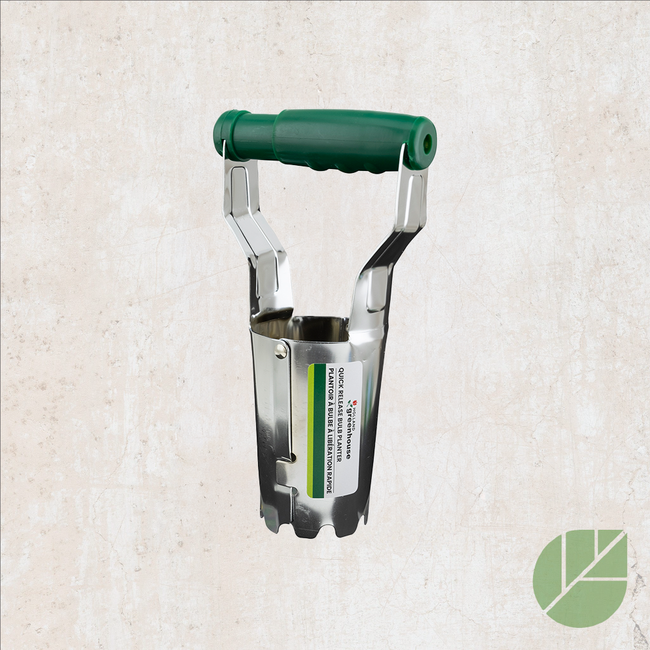

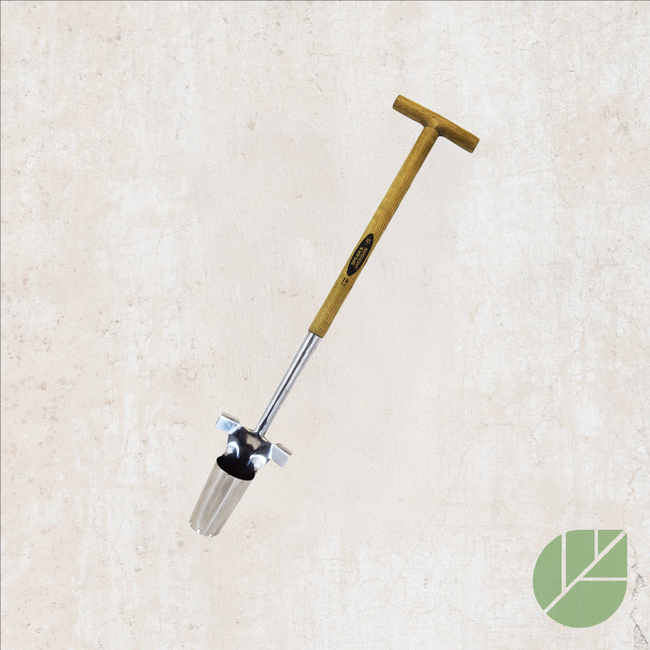
Soils and amendments for bulbs
Shop the collection