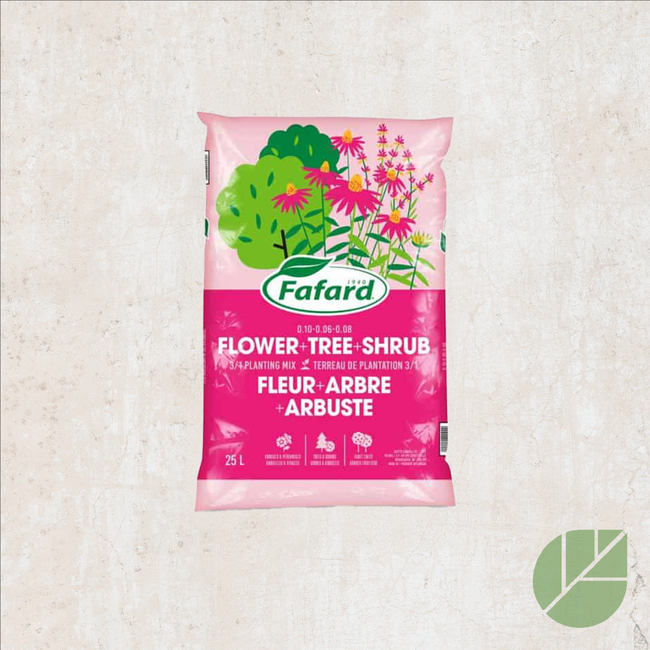
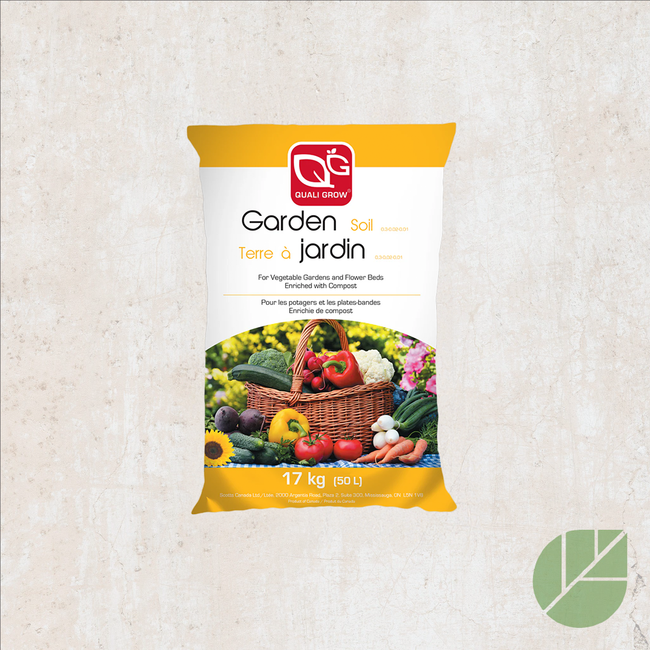
Sale
Sold out

Ornamental bulbs
Ornamental bulbs
Hémérocalle 'Night Beacon' 'Night Beacon'
Daylily
Product code : HEMEROCALLE-NIGHT-BEACON
Hémérocalle 'Night Beacon' 'Night Beacon', an ornamental plant suited to well-drained beds and containers.
- Quantity
- 1 unit
- Exposure
- Full sun to light partial shade
- Life cycle
- Bulbous perennial
- Hardiness
- Zone 4 to 8
Discover the plant
Common nameHémérocalle 'Night Beacon' 'Night Beacon'
GenusDaylily
CultivarNight Beacon
TypeOrnamental bulbs
Botanical nameDaylily
‘Night Beacon’ Daylily (Hemerocallis). The ‘Night Beacon’ Daylily (Hemerocallis) forms a durable clump of arching green leaves, topped in summer with stalks bearing almost black-purple flowers. Each approximately 10 cm (4 in) corolla reveals a large chartreuse eye extended by a green throat, a luminous contrast that explains the cultivar's name. The stalks reach about 69 cm (27 in), while the clump can widen to about 45 cm (18 in) over time. Registered in 1988, this diploid selection blooms early to mid-season and can rebloom. Each flower generally lasts one day, but several buds succeed each other to prolong the effect in sunny beds.
Plant No. 1 in spring in fertile, humus-rich, fresh, and well-drained soil, placing the crown at ground level or only 2 to 3 cm (0.79 to 1 in) below the surface. Choose full sun or light partial shade; a little shade during the hottest hours helps very dark flowers retain their intensity. Space plants 45 to 60 cm (18 to 24 in) apart to allow clumps to widen and maintain good air circulation. Water deeply after planting, then keep the soil uniformly moist during rooting and bud formation, without ever saturating the crown.
Remove faded flowers to free new buds, then cut off the stalks after the last bloom. Let the foliage nourish the roots until it yellows in autumn before cutting it back. A thin layer of compost in spring is usually sufficient; avoid excess nitrogen. Divide an overcrowded clump every four to six years to maintain its vigor. ‘Night Beacon’ contrasts beautifully with golden yarrows, violet-blue catmints, light grasses, and pale coneflowers. Daylilies are very toxic to cats: keep flowers, leaves, pollen, and roots out of their reach.

Planting guide
Plant well.Grow beautifully.
Spacing / density
Space plants or bulbs 10 to 15 cm apart.
Best planting time
In spring, after the risk of frost
Propagation
Division of offsets or clumps after dormancy
Growing method
Plant bare root No. 1 in spring in fertile, humus-rich, cool, well-drained soil, with the crown at soil level or only 2 to 3 cm (0.79 to 1 in.) below the surface. Choose full sun or light partial shade; a little shade during the hottest hours helps very dark flowers retain their intensity. Space plants 45 to 60 cm (18 to 24 in.) apart to allow clumps to expand and maintain good air circulation. Water deeply after planting, then keep the soil evenly moist during rooting and bud formation, without ever saturating the crown. Remove spent flowers to allow new buds to emerge, then cut back stems after the last bloom. Allow the foliage to nourish the roots until it yellows in autumn before cutting it back. A thin layer of compost in spring is generally sufficient; avoid excess nitrogen. Divide a clump that has become too dense every four to six years to maintain its vigor. 'Night Beacon' contrasts beautifully with golden yarrow, purple-blue catmint, light grasses, and pale coneflowers. Daylilies are very toxic to cats: keep flowers, leaves, pollen, and roots out of their reach.
Soil and care
The right care,at the right time.
Soil pH
pH 6.0 to 7.5
Minimum temperature
Zone 4 to 8
Care level
Low
Watering
Water moderately during active growth, then reduce as the foliage yellows.
Soil type
Loose, fertile, very well-drained soil
Fertilization
Add compost or bulb fertilizer at planting and again in early spring.
Moisture
Moist to moderately dry, always well-drained soil.
Seasonal care
Remove spent flowers and allow foliage to yellow completely before cutting it back.
Container growing
A garden,within reach.
Recommended pot size
Container at least 25 to 30 cm deep with drainage
Suitable for containers in a free-draining mix; protect from frost when hardiness requires it.

Bloom and dimensions
Its place,in your garden.
Mature height
30 to 60 cm
Width / spread
10 to 20 cm
Foliage color
Green
Foliage type
Deciduous foliage that becomes dormant after flowering
Growth rate
Moderate
Growth habit
Upright, clumping
Fragrance
Light fragrance
Bloom period
Summer, depending on the variety and planting date

Garden associations
In goodcompany.
Companion plants
Daffodils, grape hyacinths, groundcover perennials and ornamental grasses
Frequently asked questions
Your questions,answered.
When should Hémérocalle 'Night Beacon' 'Night Beacon' be planted?
Plant in spring after the last frost.
What exposure is best?
Choose full sun or light partial shade.
What soil is suitable?
Loose, fertile and very well-drained soil gives the best results.
Can this plant be grown in a container?
Yes, in a deep container with drainage holes.
What should be done with the foliage after flowering?
Allow it to yellow completely so the bulb can replenish its reserves.
Wildlife and pets
Life,around your plants.
For planting your bulbs
The right extras.Right here.
Bulb planters and planting tools
Shop the collection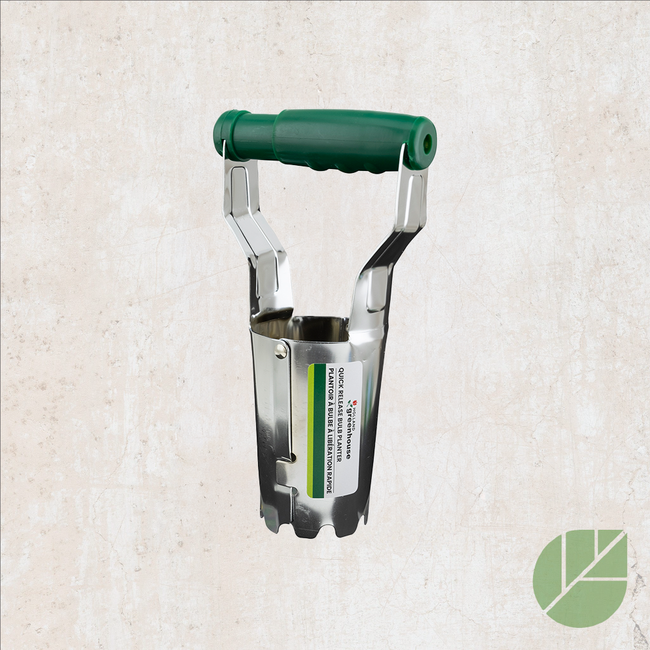

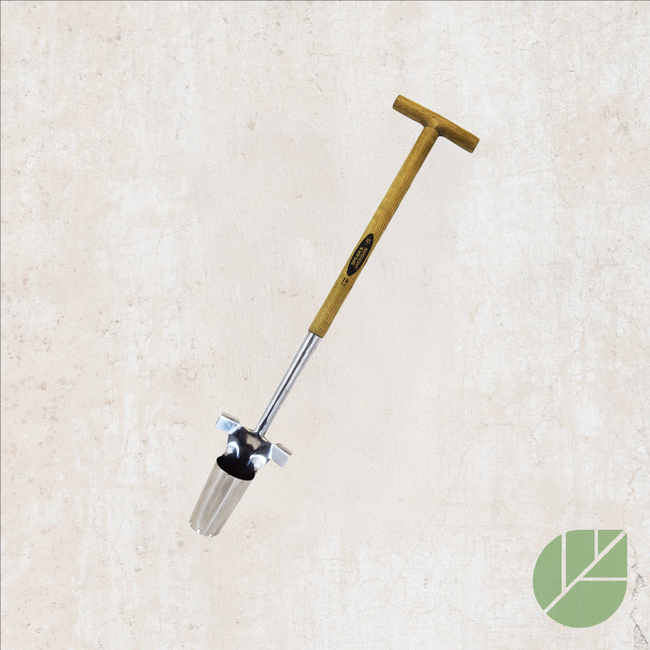
Soils and amendments for bulbs
Shop the collection